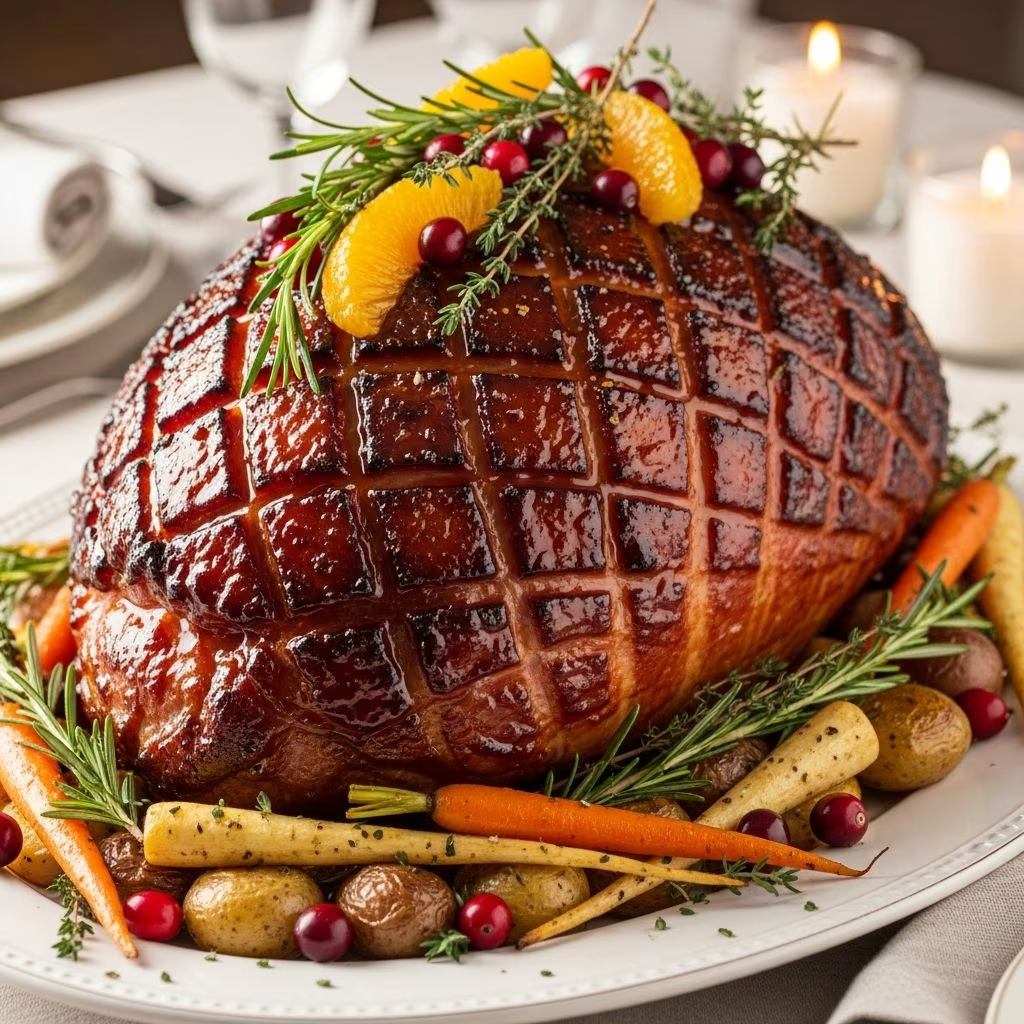
A beautifully glazed Easter ham serves as the centerpiece of any spring celebration, combining tender meat with a caramelized sweet crust that delights every guest. This guide explores everything from selecting the right cut to creating irresistible glazes, ensuring your ham emerges juicy and flavorful from the oven.
Why Easter Ham Remains a Holiday Staple
Ham has long symbolized abundance and renewal during Easter gatherings, its pinkish hue and versatility making it ideal for large family meals. Pre-cooked hams simplify preparation, allowing focus on enhancing natural flavors through scoring, studding with cloves, and applying glazes that bubble into a sticky shine. Variations abound, from classic pineapple-studded versions to modern soda-infused reductions, each adding unique sweetness and tang.
Selecting the Ideal Ham for Baking
Choose a fully cooked, bone-in ham weighing 8 to 18 pounds for even cooking and presentation. Spiral-cut options offer built-in slices for easy serving, while whole hams provide a rustic look. Discard any included glaze packets, as homemade versions deliver superior taste. Opt for smoked varieties for depth, ensuring the label specifies ‘fully cooked’ to avoid extended baking times.
- Bone-in vs. Boneless: Bone-in retains moisture better and flavors the meat profoundly.
- Size Guide: Plan 1/3 to 1/2 pound per person, accounting for bone weight.
- Storage Tip: Thaw frozen hams in the fridge over 24-48 hours per 5 pounds.
Essential Ingredients for Glorious Glazes
Glazes transform ordinary ham into a holiday showstopper, balancing sweet, spicy, and acidic notes. Core pantry staples like brown sugar provide caramelization, while mustards add bite and pineapple or sodas contribute fruitiness.
| Glaze Type | Key Ingredients | Flavor Profile |
|---|---|---|
| Brown Sugar Spice | Brown sugar, cloves, mustard powder, pineapple juice | Warm, caramel-spiced sweetness |
| Pineapple Cherry | Pineapple slices, maraschino cherries, ginger ale | Tropical, fizzy tang |
| Dr Pepper Glossy | Dr Pepper, brown sugar, mustard, vinegar | Rich, cola-infused depth |
| Apricot Honey | Apricot preserves, honey, Dijon, butter | Smooth, fruity elegance |
Step-by-Step Preparation Guide
Begin by preheating your oven to 325°F, the optimal temperature for gentle reheating without drying out the meat. Pat the ham dry and place it cut-side down in a foil-lined roasting pan to capture drippings for basting.
- Score the Surface: Use a sharp knife to create a diamond pattern 1/8-inch deep, about 1-inch apart. This allows glaze penetration and creates crispy edges.
- Stud with Cloves: Insert whole cloves into diamond intersections for aromatic infusion and visual appeal.
- Apply Base Rub: Mix 1 cup brown sugar with 1/2 tsp ground cloves and 1 tsp mustard powder. Stir in 2 tbsp pineapple juice or ginger ale to form a crumbly paste, then press firmly onto all exposed surfaces.
- Add Fruit Accents: Pat dry pineapple rings, secure with toothpicks threaded through maraschino cherries, and arrange around the ham for a festive crown.
- Prepare Glaze: Simmer remaining ingredients like soda, preserves, or honey in a saucepan until thickened, about 10 minutes.
Baking Techniques for Juicy Results
Cover loosely with foil and bake for 12-15 minutes per pound, basting every 30 minutes with pan juices or glaze after the first hour. Remove foil in the final 30 minutes to caramelize the crust. Internal temperature should reach 140°F for safety and tenderness. For spiral hams, shield the cut portions with foil to prevent overcooking.
- Pan Drippings: Add ginger ale or broth to the pan for a flavorful base.
- Oven Placement: Middle rack ensures even heat distribution.
- Resting: Tent with foil post-bake for 20 minutes to redistribute juices.
Glaze Variations to Elevate Your Ham
Classic Pineapple Brown Sugar Delight
This timeless topping encrusts the ham in spiced sugar, baked atop pineapple rings skewered with cherries. The ginger ale bath keeps it moist while aromas fill the home.
Soda-Infused Sticky Glaze
Dr Pepper or cola reduces with brown sugar and mustard into a glossy sheen, poking cloves into scored diamonds for tradition.
Apricot Honey Elegance
Melt apricot preserves with honey, brown sugar, Dijon, and butter for a sophisticated brush-on that seeps into spiral slices.
Simple Mustard Wine Rub
For a lighter approach, whisk grainy mustard, white wine or lemon juice, and olive oil, then bake at higher heat for crispy skin.
Troubleshooting Common Ham Pitfalls
Avoid dry ham by monitoring time closely—overbaking evaporates moisture. If the glaze burns, lower the temperature or tent longer. Salty hams benefit from a honey-mustard soak pre-bake. For burnt sugar spots, tent earlier and baste more frequently.
| Issue | Solution |
|---|---|
| Dry Texture | Baste frequently; cover longer |
| Undercaramelized Crust | Uncover last 30 mins; broil briefly |
| Too Salty | Rinse lightly; glaze heavily |
| Falling Fruit | Secure tightly with toothpicks |
Creative Serving and Pairing Ideas
Slice against the bone for plump portions, fanning on a platter with fresh herbs. Pair with scalloped potatoes, glazed carrots, or green bean casserole. For leftovers, dice into omelets, salads, or quiches—the glaze infuses endless possibilities.
- Sides: Sweet potato casserole, deviled eggs, dinner rolls.
- Wines: Chardonnay or Riesling cuts richness.
- Leftovers: Ham fried rice, sandwiches with mustard slaw.
Make-Ahead and Storage Tips
Assemble the ham up to 24 hours ahead, wrapping tightly before baking. Store leftovers in airtight containers up to 5 days in the fridge or freeze slices for 2 months. Reheat covered at 275°F with extra glaze to revive moisture.
Nutrition and Dietary Notes
A 3-ounce serving offers about 120-150 calories, 15g protein, and 5g fat, varying by glaze. It’s naturally gluten-free; opt for low-sugar fruits for diabetic-friendly versions.
Frequently Asked Questions
Can I use a fresh ham instead of pre-cooked?
Yes, but it requires longer cooking to 160°F internal temperature; plan 20 minutes per pound at 325°F.
How do I know when the ham is done?
Use a meat thermometer—aim for 140°F in the thickest part without touching bone.
What’s the best way to reheat leftovers?
Slice thin, cover with foil, and warm at 275°F with broth until 140°F.
Can I make this in a slow cooker?
Absolutely: low for 4-6 hours, glazing at the end and broiling for crust.
Is it safe to leave ham at room temperature?
No more than 2 hours; refrigerate promptly for food safety.
Meal Planning for Easter Success
Timeline: Prep glaze morning-of, bake 2-3 hours before serving. Delegate sides to guests for stress-free hosting. Scale up for crowds by doubling glaze and adding extra pans. This ham not only tastes divine but creates lasting memories around the table.
References
- Best Brown Sugar Baked Easter Ham Recipe — Eat 2 Gather. 2023. https://www.eat2gather.net/easter-baked-ham/
- Easter Ham – Easy Like Sunday Morning — My Kitchen Love. 2022. https://www.mykitchenlove.com/easter-easy-like-sunday-morning/
- Best Glazed Easter Ham Recipe — The Pioneer Woman. 2024. https://www.thepioneerwoman.com/food-cooking/recipes/a10963/glazed-easter-ham/
- Baked Ham with the Best Glaze — Natasha’s Kitchen. 2023. https://natashaskitchen.com/baked-ham/
- Food Safety Guidelines for Hams — USDA FoodSafety.gov. 2025-03-15. https://www.foodsafety.gov/food-safety-charts/food-safety-during-power-outage