Creating an exceptional pork roast begins long before the meat enters the oven. The foundation of a memorable dish lies in the careful selection and combination of spices that form what culinary professionals call a dry rub. This seasoning technique, which has been refined over generations of cooking, transforms an ordinary cut of pork into something truly extraordinary. Understanding the components of an effective spice blend and mastering the application process will elevate your home cooking to new heights.
Understanding the Fundamentals of Dry Rub Seasoning
A dry rub represents a time-honored cooking technique that predates modern marinades and liquid seasonings. Unlike wet marinades that rely on oil or vinegar bases, a dry rub is essentially a concentrated mixture of ground spices and seasonings that adhere directly to the meat’s surface. This method creates a flavorful crust while allowing the interior to remain moist and tender. The beauty of this approach lies in its simplicity and effectiveness—the spices form a protective layer that seals in natural juices during the cooking process.
The primary advantage of using a dry rub over other seasoning methods is the control it provides. When you mix your own blend, you determine the intensity of each flavor element, whether you prefer a savory-forward profile or one with more sweetness and heat. Additionally, dry rubs can be prepared well in advance, stored in airtight containers, and applied to meat anywhere from twenty minutes to twelve hours before cooking, making them ideal for meal planning.
Building Your Signature Spice Mixture
The foundation of any excellent pork seasoning begins with understanding how different flavor categories work together. A balanced dry rub should incorporate elements that address multiple taste profiles simultaneously, creating complexity and depth on the palate.
Sweet Elements and Their Role
Brown sugar and white sugar form the sweet foundation of a well-constructed pork rub. Brown sugar, with its molasses content, contributes not just sweetness but also caramel undertones that develop during roasting. When the meat cooks, these sugars caramelize on the surface, creating an appetizing crust with subtle complexity. The ratio typically calls for more brown sugar than white sugar—approximately three parts brown sugar to one part white sugar—which maintains the caramelization process while preventing excessive sweetness. This sweet element serves a crucial function beyond taste: it balances the heat from peppers and the earthiness of other spices, creating harmony in the overall flavor profile.
Savory and Umami Components
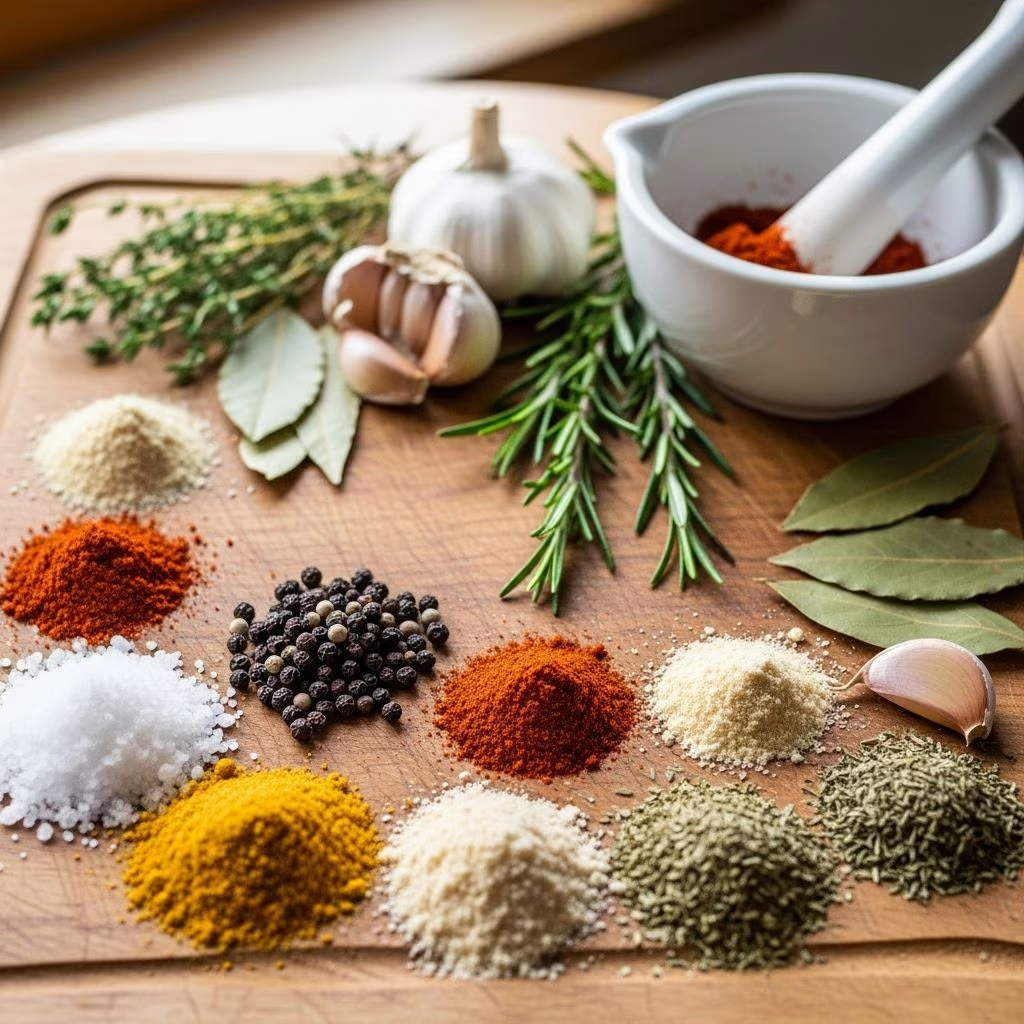
The savory foundation relies on several key ingredients that work synergistically. Kosher salt serves as more than just a flavor enhancer; it helps draw out the meat’s natural juices and allows them to redistribute, resulting in more evenly seasoned and juicier pork. Garlic powder and onion salt contribute aromatic depth, while dry mustard powder adds a subtle pungency that enhances the overall savory character without overpowering the blend. Each of these ingredients contains compounds that trigger umami receptors on the tongue, creating a satisfying, full-bodied taste sensation.
Spice Elements and Heat Balance
The spice profile requires careful calibration to achieve the desired intensity. Cayenne pepper and crushed red pepper provide heat that builds gradually on the palate, while paprika adds smoky, slightly sweet undertones without significant heat. Cumin brings an earthy, slightly nutty quality that complements pork beautifully. Ground ginger introduces a warming spice with subtle citrus notes that brighten the entire blend. Black pepper, preferably coarsely ground, adds peppery bite and contributes to the textural element of the rub when applied to meat. The key to successful heat management is adding these peppers gradually—a quarter teaspoon of cayenne powder is considerably more potent than it might initially appear.
Herbal Notes and Finishing Touches
Dried thyme provides herbal complexity with piney, slightly minty undertones. Some variations include dried rosemary, oregano, or tarragon, each bringing their own character to the blend. These herbs should be crushed slightly before mixing to release their essential oils and increase their flavor potency. When added in appropriate quantities—typically less than a full teaspoon—these herbs provide sophisticated background notes that remind diners of fine restaurant-quality preparation.
Detailed Ingredient Breakdown and Measurements
| Ingredient | Measurement | Function | Notes |
|---|---|---|---|
| Brown Sugar | 3-3.5 tablespoons | Sweetness, caramelization | Provides molasses depth |
| White Sugar | 0.5-0.75 tablespoon | Sweetness enhancement | Use sparingly to prevent clumping |
| Black Pepper | 1.5 teaspoons | Heat, texture | Coarsely ground preferred |
| Kosher Salt | 1 teaspoon | Flavor enhancer, moisture regulation | Do not substitute with table salt |
| Ground Ginger | 1 teaspoon | Warming spice, brightness | Fresh ginger not recommended |
| Garlic Powder | 0.75 teaspoon | Aromatic depth | Adjust based on preference |
| Onion Salt | 0.75 teaspoon | Savory enhancement | Contains salt component |
| Dry Mustard | 0.5 tablespoon | Pungent undertone | Adds subtle complexity |
| Cayenne Pepper | 0.25 teaspoon | Heat | Add cautiously |
| Crushed Red Pepper | 0.25 teaspoon | Heat, texture | Complements cayenne |
| Ground Cumin | 0.25 teaspoon | Earthy notes | Prevents overpowering other spices |
| Paprika | 0.25 teaspoon | Smokiness, color | Smoked variety adds depth |
| Dried Thyme | 0.75 teaspoon | Herbal character | Crush before mixing |
These measurements create approximately half a cup of finished rub, sufficient to season a 2.5-pound boneless pork loin roast with generous coverage. The proportions can be adjusted according to personal preference, though maintaining the relative balance between sweet, savory, spicy, and herbal elements is crucial for optimal results.
The Science Behind Spice Combination
Understanding why certain spices work together involves recognizing their flavor chemistry. The sweet components from brown sugar caramelize under heat, creating complex flavor compounds through the Maillard reaction, which is the same chemical process that creates the savory crust on grilled meats. This process requires the exterior to reach temperatures above 300 degrees Fahrenheit, which is why proper oven temperature and cooking technique are equally important as the rub composition.
The peppery and spicy elements contain volatile compounds that become more pronounced with heat, meaning the heat sensation intensifies during cooking. However, the sweetness and aromatic elements from ginger, mustard, and herbs also intensify, creating balance. This is why a rub that might taste almost bitter when sampled raw transforms into something beautifully balanced once the pork has been properly cooked.
Proper Application Techniques for Maximum Flavor
Applying the dry rub correctly ensures that every bite of finished pork contains flavorful seasoning. The process begins with proper meat preparation: the pork roast must be completely dry before applying any seasoning. Moisture on the meat’s surface prevents the rub from adhering properly and can result in uneven seasoning. Pat the entire roast with paper towels, paying special attention to any crevices or indented areas.
Once the meat is dry, measure out the appropriate amount of rub—approximately half a cup for a standard 2.5-pound roast. Using your fingers or hands, apply the mixture generously to all surfaces of the meat, working it into the surface rather than simply sprinkling it on. Press firmly so the rub adheres to the meat rather than falling off during cooking. This hands-on approach ensures even distribution and allows the spices to make direct contact with the meat, promoting better flavor penetration.
For enhanced flavor development, allow the rubbed roast to sit at room temperature for at least thirty minutes before cooking, or refrigerate it for up to twelve hours. When refrigerated, bring the roast to room temperature approximately thirty minutes before placing it in the oven. This temperature consistency promotes even cooking throughout the meat.
Cooking Methods and Temperature Guidelines
The cooking method significantly impacts how the dry rub develops and contributes to the final dish. For a boneless pork loin roast, preheating the oven to 325 degrees Fahrenheit and roasting until the internal temperature reaches 145 degrees Fahrenheit produces consistently excellent results. At this temperature, the exterior develops a flavorful crust while the interior remains tender and juicy.
Some recipes recommend searing the rubbed roast in a cast-iron skillet over medium-high heat for 2-3 minutes per side before transferring to the oven. This initial sear creates additional flavor development through the Maillard reaction and helps set the rub onto the meat’s surface. After searing, transfer the skillet to the preheated oven to continue cooking through to the desired internal temperature.
Cooking time varies based on the roast’s size and the oven’s actual temperature. Generally, plan for approximately 20-25 minutes per pound at 325 degrees Fahrenheit. Use a meat thermometer to monitor progress, checking the thickest part of the roast without touching bone. Once the meat reaches 145 degrees Fahrenheit, remove it from the oven and allow it to rest for 10-15 minutes before slicing. This resting period allows juices to redistribute throughout the meat, ensuring moist, tender results.
Customization Options and Ingredient Substitutions
While the classic blend provides exceptional results, the basic formula allows for considerable customization based on personal preferences or dietary restrictions. For those who prefer milder heat, reduce or eliminate the cayenne and crushed red pepper, replacing that intensity with additional paprika or smoked paprika. For those who enjoy intense heat, carefully increase these pepper components by quarter-teaspoon increments.
Regarding herb alternatives, dried oregano, tarragon, or rosemary can replace or supplement thyme. Each brings distinct character: oregano adds Mediterranean notes, tarragon brings subtle anise undertones, and rosemary contributes pine-like woodiness. Some cooks prefer blending two or three herbs rather than relying on a single option.
For those seeking a sugar-free option, reduce brown sugar to 1.5 tablespoons and eliminate white sugar entirely, compensating with an additional half-teaspoon of paprika and a slight increase in other aromatics. While this modification reduces the caramelization characteristic of the traditional rub, the result remains flavorful and satisfying.
Storage and Make-Ahead Planning
One advantage of dry rubs is their shelf stability. Mix a large batch and store it in an airtight glass jar or ziplock bag away from heat and light. Properly stored, the blend maintains its potency for 3-6 months, though the aromatic components gradually fade over time. Label the container with the date and a list of contents for easy reference.
Pre-rubbed roasts can be prepared in advance and refrigerated. Cover the rubbed roast loosely with plastic wrap and refrigerate for up to 12 hours before cooking. This advance preparation allows the flavors to permeate the meat more deeply, resulting in more pronounced seasoning throughout the finished dish.
Frequently Asked Questions
Can I prepare this rub ahead of time and store it?
Yes, the dry rub stores well in airtight containers for several months. Mix larger batches and keep portions readily available for future cooking occasions.
What if I don’t have all the ingredients?
The core components—brown sugar, salt, black pepper, garlic powder, and paprika—form an acceptable simplified version. Other ingredients enhance complexity but aren’t absolutely essential.
Is fresh ginger better than ground ginger?
Ground ginger works better in dry rubs because fresh ginger contains moisture that can affect the mixture’s texture and shelf life. Fresh ginger is better suited for wet marinades.
How do I know when my pork roast is done cooking?
Use a meat thermometer to verify the internal temperature has reached 145 degrees Fahrenheit. The USDA considers this temperature safe for pork consumption while still maintaining juiciness.
Can I use this rub on other cuts of pork?
Absolutely. This versatile blend works excellently on pork tenderloin, pork chops, pork shoulder, and even pulled pork preparations.
Should I add oil to the rub?
No. Dry rubs should remain dry. Oil can cause clumping and uneven distribution. The natural fats in pork provide sufficient moisture for the rub to adhere without additional oil.
Variations and Special Considerations
This foundational rub provides an excellent starting point for exploring numerous variations. For a sweeter profile, increase brown sugar to 4 tablespoons and add a half-teaspoon of ground cinnamon. For a more intense savory profile, reduce white sugar to one-quarter tablespoon and increase dry mustard to one full tablespoon. For those preferring southwestern flavors, increase cumin to one-half teaspoon and add one-quarter teaspoon of ground chipotle powder.
When experimenting with variations, modify one or two ingredients at a time to understand how each change affects the final result. This systematic approach builds understanding of flavor relationships and helps develop your personal signature seasoning style.
Final Thoughts on Mastering the Art of Pork Seasoning
Creating exceptional pork roasts at home requires more than simply following measurements—it demands understanding the principles behind spice combinations and cooking techniques. A well-balanced dry rub transforms ordinary pork into memorable, restaurant-quality meals that impress family and guests alike. By mastering the basic formula and understanding how individual spices contribute to the overall profile, you gain the knowledge to adapt recipes, create personal variations, and consistently produce outstanding results.
The investment of time in learning proper application techniques and cooking temperatures pays dividends in the quality of finished dishes. Whether you choose the classic blend presented here or create variations reflecting your personal taste preferences, this approach to pork preparation elevates everyday cooking into something genuinely special.
References
- The National Pork Board Cooking Guidelines — National Pork Board. 2024. https://www.pork.org/cooking-and-nutrition/cooking-pork/
- Laura Fuentes – Best Dry Pork Rub Recipe — Laura Fuentes. 2023. https://www.laurafuentes.com/best-dry-pork-rub-recipe/
- The Maillard Reaction and Meat Cookery — McGee, Harold. On Food and Cooking: The Science and Lore of the Kitchen. Scribner. 2004. ISBN: 0684800012
- Spice Science and Flavor Chemistry — Cornell University College of Agriculture and Life Sciences. 2022. https://www.cals.cornell.edu/
- Pork Food Safety and Cooking Temperatures — United States Department of Agriculture Food Safety and Inspection Service. 2024. https://www.fsis.usda.gov/food-safety/safe-food-handling-and-preparation/meat/pork
- Professional Meat Preparation Techniques — MOMables – Laura Fuentes. 2023. https://www.laurafuentes.com/