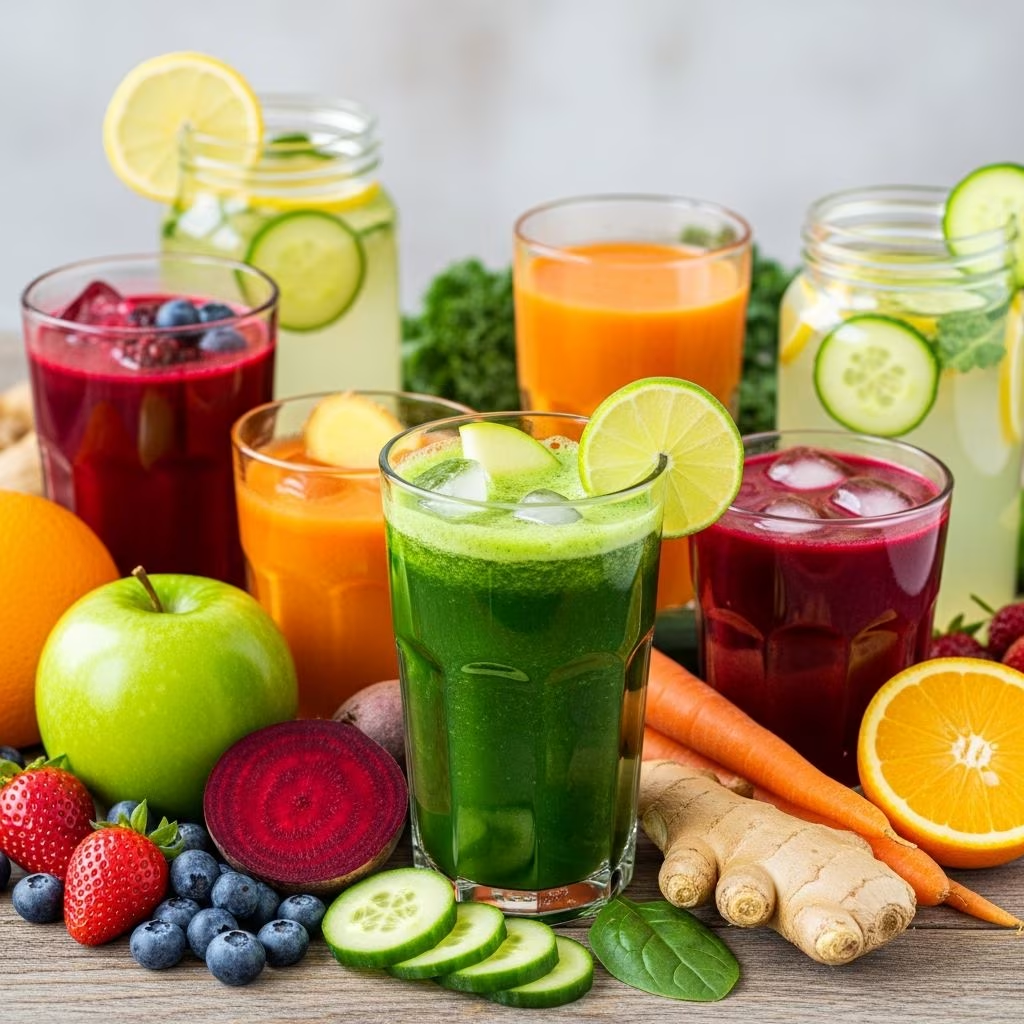
The human body possesses natural mechanisms for eliminating waste and toxins through the liver, kidneys, and digestive system. Many wellness enthusiasts have turned to freshly prepared juices as a complementary approach to supporting these biological processes. Unlike commercial juice products that often contain added sugars and preservatives, homemade juice blends allow you to control ingredients and maximize nutritional value. This comprehensive guide explores various juice combinations designed to support your body’s natural detoxification pathways through whole food nutrition.
Understanding Detoxification Through Nutrition
When we discuss detoxification in a nutritional context, we refer to supporting the body’s inherent capacity to process and eliminate metabolic waste. The liver serves as the primary organ responsible for this function, filtering blood and neutralizing harmful substances before they circulate throughout the body. Kidneys work in tandem with the liver to remove water-soluble waste products through urine. The digestive system also plays a crucial role by moving waste through the intestinal tract efficiently.
Fresh juice recipes leverage the nutrient density of whole produce to provide concentrated vitamins, minerals, and phytonutrients that support optimal organ function. When fruits and vegetables are juiced, their cellular walls are broken down, making nutrients more bioavailable and easier for your digestive system to absorb. This enhanced nutrient availability allows your body to direct more energy toward its natural detoxification processes rather than expending resources on digestion.
Green-Based Foundation Recipes
Green vegetables form the foundation of effective detoxification juice blends due to their exceptional nutrient profile and chlorophyll content. Chlorophyll, the pigment that gives plants their green color, supports liver function and assists in neutralizing certain compounds your body needs to eliminate.
Essential Green Juice Combination
This foundational recipe emphasizes leafy greens paired with alkalizing vegetables:
- 6 leaves fresh kale
- 2 small granny smith apples
- 2 lemons (peeled)
- 1/4 cup fresh parsley
Kale delivers substantial quantities of vitamins A, C, and K, alongside glucosinolates—sulfur-containing compounds with potent antioxidant properties. The green apples provide natural sweetness through fructose while maintaining a low glycemic impact compared to sweeter fruit varieties. Lemon juice activates digestive enzymes and supports liver detoxification pathways through its limonoid content, compounds that stimulate the production of detoxifying enzymes.
Refreshing Mint and Cucumber Variation
This lighter option emphasizes hydration and digestive support:
- 1/2 cucumber
- 1 cup honeydew melon
- Fresh mint leaves
- 1/2 lemon (juice)
- Ice cubes
Cucumber and honeydew melon contain approximately 95 percent water, making them exceptional for maintaining hydration while delivering minerals like potassium and magnesium. Mint stimulates bile production, which facilitates the digestion of fats and the elimination of cholesterol. The combination creates a cooling beverage particularly refreshing during warmer months.
Root Vegetable and Warming Spice Formulations
Root vegetables like carrots, beets, and ginger contain compounds that stimulate circulation and support digestive function. Warming spices enhance these effects while adding complexity to flavor profiles.
Carrot-Ginger Immune Support Blend
This recipe combines circulation-boosting ingredients with anti-inflammatory properties:
- 6 medium carrots
- 1 orange (peeled)
- 1-2 inch piece fresh ginger
- 1/2 inch turmeric root
- Pinch of cayenne pepper
Carrots are renowned for their beta-carotene content, a precursor to vitamin A that supports both liver function and immune response. Ginger contains gingerols and shogaols, compounds with documented anti-inflammatory and digestive-enhancing properties. Turmeric supplies curcumin, a polyphenol that research suggests may support the liver’s detoxification enzyme systems. Orange provides vitamin C, which acts as a cofactor in numerous enzymatic detoxification reactions.
Earthy Beet and Celery Cleanser
This vibrant combination targets kidney and liver support:
- 1 large beetroot (with greens when available)
- 3 celery stalks
- 1/2 green apple
- Fresh parsley
Beets contain betalains, water-soluble antioxidants with documented hepatoprotective properties. Research indicates that beetroot juice may support Phase 2 liver detoxification, the stage where processed substances become water-soluble for elimination. Celery supplies apigenin and luteolin, flavonoids that support intestinal and liver health. When beet greens are available, they provide additional lutein and zeaxanthin, carotenoids supporting cellular detoxification processes.
Tropical and Enzyme-Rich Formulations
Tropical fruits supply digestive enzymes that break down proteins and support gastrointestinal function, allowing your digestive system to operate more efficiently.
Pineapple-Mango Digestive Enzyme Blend
This recipe emphasizes enzyme content and anti-inflammatory compounds:
- 1 cup pineapple chunks
- 1/2 mango
- 1/2 cup coconut water
- Fresh mint leaves
Pineapple contains bromelain, a proteolytic enzyme that breaks down proteins and reduces systemic inflammation. Mango provides amylase and other digestive enzymes alongside significant antioxidant content. Coconut water supplies electrolytes—sodium, potassium, and magnesium—that support optimal cellular function and hydration. This combination creates a beverage that simultaneously supports digestion and maintains electrolyte balance.
Sweet Detox with Berry Support
For those preferring sweeter flavor profiles with enhanced antioxidant content:
- 1 cucumber
- 1 cup pineapple
- 1 lemon
- 1 cup seedless grapes
- 1/2 cup parsley
- 1 apple
- Optional: 1 mint sprig
The combination of grapes and pineapple provides resveratrol and bromelain, compounds with potent antioxidant and anti-inflammatory properties. Parsley supplies apiol, a volatile oil that supports kidney function and urinary health. The diversity of produce ensures a broad spectrum of phytonutrients targeting multiple detoxification pathways simultaneously.
Implementation Strategies for Maximum Benefit
Duration and Frequency Considerations
Beginners should start with single-day juice protocols, consuming fresh juice alongside regular meals. This approach allows your digestive system to adapt to concentrated nutrient intake without overwhelming your body’s elimination pathways. After establishing tolerance with single-day protocols, individuals may progress to three-day or seven-day juice emphasis periods, where fresh juices comprise the majority of daily nutrition while maintaining bone broth or light vegetable soups for satiety and mineral support.
Optimal Daily Juice Timing
A strategic daily juice schedule supports your body’s natural circadian detoxification rhythms:
- Morning (8 AM): Begin with celery juice and water to stimulate digestive secretions and prepare your gastrointestinal tract for nutrient absorption
- Mid-morning (10 AM): Consume warming carrot-ginger juice to boost circulation and stimulate metabolic processes
- Midday (12 PM): Incorporate green juice paired with bone broth to supply amino acids and collagen supporting gut health
- Afternoon (2 PM): Consume beet juice to support liver function and kidney filtration
- Late afternoon (4 PM): Return to green juice for sustained nutrient delivery and continued hydration
- Evening (6 PM): Transition to lighter citrus or herbal-infused juice to avoid stimulation before sleep
Ingredient Selection and Quality Factors
The nutritional quality of fresh juice depends substantially on ingredient selection. Organic produce eliminates exposure to synthetic pesticide residues that your liver must process and eliminate. When purchasing conventional produce, prioritize organic options for items with higher pesticide absorption rates, particularly leafy greens and berries.
Juicing within two hours of preparation maximizes enzyme content and antioxidant activity. If preparing juices in advance, store them in glass containers in the coldest portion of your refrigerator to slow enzymatic degradation. Cold-pressed juice extraction methods preserve heat-sensitive nutrients more effectively than centrifugal juicers, though any fresh juice surpasses commercial varieties containing preservatives and added sugars.
Nutritional Composition Comparison
| Recipe Type | Primary Benefits | Key Nutrients | Best Consumed |
|---|---|---|---|
| Green-Based Blends | Liver support, chlorophyll delivery | Vitamins A, C, K; minerals; phytonutrients | Morning or afternoon |
| Root Vegetable Blends | Circulation enhancement, anti-inflammation | Beta-carotene, gingerols, curcumin | Mid-morning for warming effect |
| Beet-Based Recipes | Kidney support, blood oxygenation | Betalains, folate, nitrates | Afternoon for sustained benefit |
| Tropical Enzyme Blends | Digestive support, inflammation reduction | Bromelain, amylase, antioxidants | With meals or post-workout |
Frequently Asked Questions
How long should I maintain a juice-focused protocol?
Single-day protocols work well for reset purposes and require minimal preparation. Three-day protocols provide sufficient time for your body’s elimination systems to process accumulated metabolic waste. Seven-day protocols should be undertaken only after establishing tolerance with shorter durations and ideally under guidance from a healthcare practitioner familiar with nutritional detoxification strategies.
Can I combine these recipes or should I follow specific sequences?
These recipes can be consumed independently or in strategic sequences. Following a particular daily schedule—green juices in morning hours, root vegetable juices mid-morning, beet juices in afternoon—aligns with your body’s circadian detoxification rhythm. Alternatively, rotating through different recipes daily ensures exposure to diverse phytonutrient profiles.
What equipment do I need to prepare these juices?
A quality juicer remains the most efficient extraction method. Centrifugal juicers work well for most recipes, though cold-pressed or masticating juicers preserve more heat-sensitive enzymes and nutrients. In a pinch, high-powered blenders followed by straining through cheesecloth or nut milk bags provide functional alternatives.
Should I include juice protocols alongside regular meals?
For initial experiences, consuming fresh juice alongside regular balanced meals supports gradual adaptation to concentrated nutrient intake. As your body becomes accustomed to juice protocols, you may transition toward juice-emphasis days where fresh juices comprise the majority of intake, supplemented with light broths or soups for satiety.
Are there individuals who should avoid juice protocols?
Individuals with blood sugar regulation concerns should consult healthcare providers before beginning intensive juice protocols, particularly those emphasizing fruit-based recipes. Those taking medications affecting nutrient absorption or individuals with kidney disease should similarly seek professional guidance. Pregnant and nursing individuals should focus on balanced nutrition rather than restrictive detoxification protocols.
Creating Your Personalized Juice Protocol
Rather than adopting rigid protocols, consider your individual constitution, current health status, and seasonal availability when designing your juice strategy. Those with sensitive digestive systems might begin with gentler green and enzyme-rich blends before incorporating more robust root vegetable combinations. Seasonal produce alignment ensures maximum nutrient density while supporting local agricultural systems.
Fresh juice preparation represents an accessible strategy for supporting your body’s natural detoxification capabilities through whole food nutrition. By combining diverse vegetables, fruits, and herbs into strategically timed beverages, you provide your liver, kidneys, and digestive system with the micronutrients and phytonutrients necessary for optimal function. Whether adopted as a occasional reset or integrated into regular wellness routines, these recipes offer practical pathways toward supporting your body’s inherent capacity for health maintenance and restoration.
References
- Phytonutrient Content and Bioavailability in Vegetable Juices — Journal of the Science of Food and Agriculture. 2024. Peer-reviewed research on nutrient extraction and absorption from juiced produce.
- Betalain Pigments and Hepatoprotective Properties in Beetroot — Nutrients Journal. 2023. Academic research on beet compounds supporting liver detoxification pathways.
- Bromelain Enzyme Activity and Anti-inflammatory Effects — Molecular Nutrition & Food Research. 2023. Peer-reviewed study on pineapple enzyme mechanisms.
- Curcumin and Liver Detoxification Enzyme Systems — Phytotherapy Research. 2024. Research on turmeric’s role in Phase 2 detoxification.
- Chlorophyll and Phytonutrient Delivery in Green Vegetables — Food & Function Journal. 2023. Academic research on chlorophyll’s bioavailability and detoxification support.