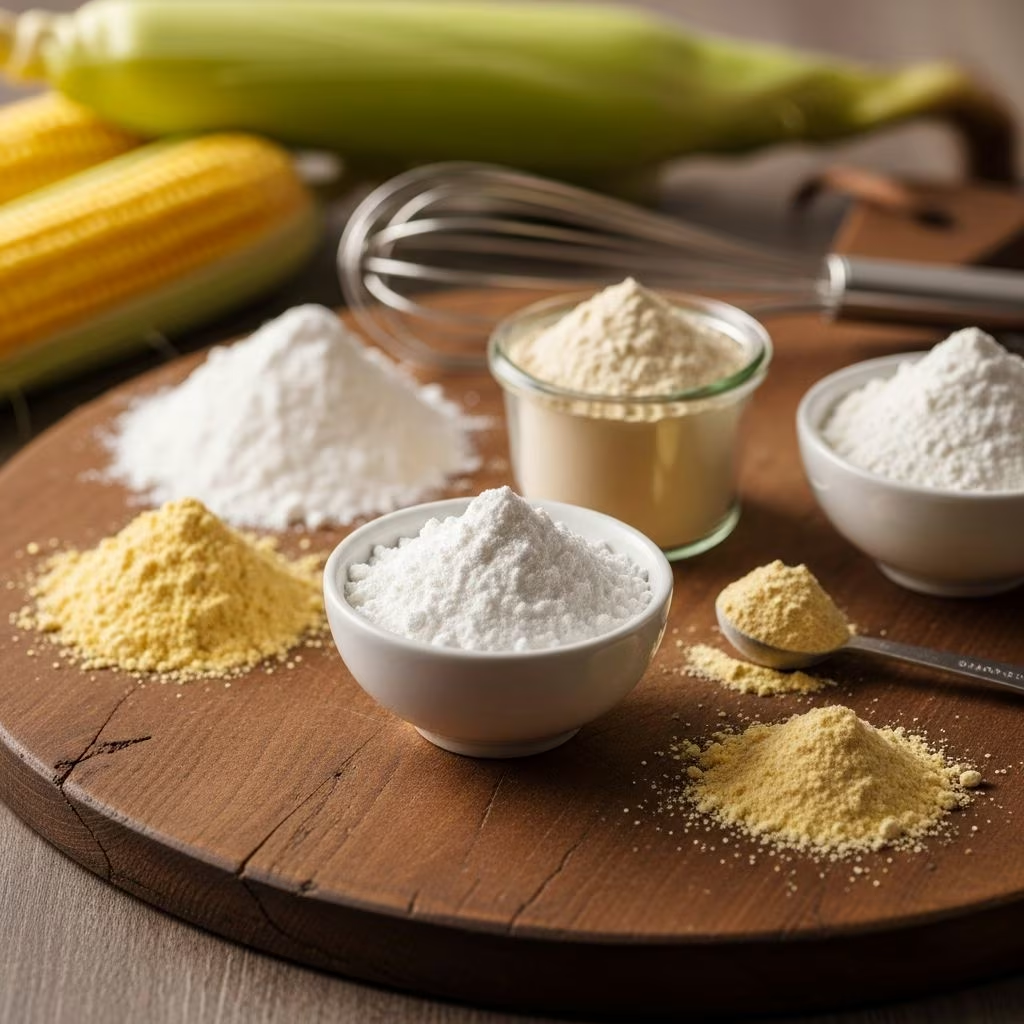
Cornstarch serves as a versatile thickener in kitchens worldwide, but running out doesn’t mean recipe disaster. This guide details reliable substitutes drawn from culinary practices, ensuring glossy sauces, crispy coatings, and tender bakes without compromise.
Understanding Cornstarch’s Role in Cooking
Cornstarch, derived from corn kernels, excels at thickening liquids through starch gelatinization when heated. It creates clear, shiny finishes in sauces and gravies, unlike flour which clouds mixtures. In baking, it softens textures; in frying, it yields crisp exteriors. Substitutes must match these properties based on application.
Top Substitutes for Thickening Sauces and Gravies
For smooth, velvety sauces, select starches that mimic cornstarch’s clarity and strength. Here’s a breakdown:
- Arrowroot Powder: Extracted from tropical roots, it thickens quickly with a glossy sheen, ideal for delicate sauces. Use 1-1.5 tablespoons per tablespoon of cornstarch. Best for short cooking; avoid prolonged boiling.
- Potato Starch: Fine powder from potatoes, activates at lower temperatures. Add at recipe’s end off-heat for soups or gravies. Ratio: 1:1 with cornstarch. Not suited for acidic or reheated dishes.
- Tapioca Starch: From cassava root, it provides chewiness in sauces. Double the amount (2 tablespoons per tablespoon cornstarch) due to milder thickening. Excellent for fruit-based glazes.
| Substitute | Ratio to Cornstarch | Best For | Caveats |
|---|---|---|---|
| Arrowroot Powder | 1-1.5 tbsp : 1 tbsp | Sauces, desserts | Short cook time |
| Potato Starch | 1:1 | Gravies, soups | Add off-heat |
| Tapioca Starch | 2:1 | Glazes, puddings | May turn gummy |
Options for Baking and Pie Fillings
Baked goods demand tender results. Flour-based swaps absorb moisture differently, while pure starches maintain structure.
- All-Purpose Flour: Common pantry item; use twice the amount (2 tbsp per 1 tbsp cornstarch). Mix into fats first to prevent lumps. Yields matte finish in pies.
- Rice Flour: Gluten-free choice for cookies or cakes. Neutral flavor, 2:1 ratio. Perfect for breading in gluten-free bakes.
- Sorghum Flour: Nutty, high-protein grain flour. Hydrate with water or butter at 2:1 ratio. Thickens soups and adds body to muffins.
In fruit pies, tapioca or quick-cooking tapioca pearls shine, preventing weepy fillings. Gelatin works for no-bake sets, using 1 tsp per cup liquid.
Crispy Coatings for Frying and Breaded Dishes
Frying requires absorbency for crunch without sogginess. Protein-rich or low-carb options excel here.
- Almond Flour: Nutty flavor, 1/4 cup per tbsp cornstarch. Browns beautifully on veggies or proteins.
- Pork Rinds (Crushed): Zero-carb crunch; 1/4 cup per tbsp. Ideal for tenders or nuggets.
- Whey Protein Powder: Unflavored varieties crisp up best. Use 3-4 times cornstarch volume. Avoid plant-based for chewiness.
- Parmesan Cheese: Savory crust; blend with almond flour. 1/4 cup per tbsp for air-fried items.
Combine with eggs for batter adhesion, mimicking tempura lightness.
Low-Carb and Gluten-Free Alternatives
Keto and gluten-sensitive cooks favor fiber-rich gums and seeds over carb-heavy starches.
- Xanthan Gum: Potent thickener; 1/4 tsp per tbsp cornstarch. Whisk into dry ingredients first to avoid clumps. Versatile for sauces and breads.
- Psyllium Husk: Forms gel with water; 1/2 tbsp per tbsp. Adds chew to low-carb loaves.
- Flaxseed Meal: Ground seeds gel when hydrated (1/2 tbsp + water per tbsp). Binds baked goods.
- Glucomannan Powder: Konjac-derived fiber; tiny amounts (1/4 tsp per 2 tsp cornstarch) for chewy textures.
- Chia Seeds: Soak 2 tbsp per tbsp for jams or puddings. Natural pectin-like set.
Creative Swaps for Desserts and Custards
Desserts need stable gels without graininess.
- Egg Yolks: Emulsify for custards; 2 yolks per 1/4 cup cornstarch. Adds richness to hollandaise.
- Gelatin: Bloom in water, then dissolve. 1 tsp per cup for puddings or pies. Sets firmly when chilled.
- Guar Gum: 1/8 tsp per tsp cornstarch. Smooth in ice creams.
Avoid overcooking gums, as they break down.
Substitution Ratio Comparison Table
| Application | Substitute | Ratio | Texture Notes |
|---|---|---|---|
| Sauces | Arrowroot | 1:1 | Glossy |
| Baking | Flour | 2:1 | Matte |
| Frying | Almond Flour | 1/4 cup:1 tbsp | Crispy |
| Low-Carb | Xanthan | 1/4 tsp:1 tbsp | Gel-like |
| Pies | Tapioca | 2:1 | Clear gel |
Practical Tips for Successful Swaps
Always slurry substitutes in cold liquid before hot addition to prevent lumps. Taste-test thickness, as ratios vary by recipe acidity or fat content. For gluten-free, prioritize pure starches over flours. Store powders in airtight containers to maintain efficacy.
Experiment in small batches; arrowroot suits sweet, potato neutral savory.
Common Mistakes to Avoid
- Over-thickening: Starches continue setting post-heat.
- Ignoring pH: Acid breaks down arrowroot.
- Reheating gums: They thin out.
- Skipping slurry: Leads to dough balls.
FAQs
Can I use flour instead of cornstarch in frying?
Yes, but expect less crispness. Rice or potato flour improves results.
What’s the best low-carb thickener?
Xanthan gum or psyllium husk for versatility.
Does arrowroot work in pies?
Perfectly for clear, shiny fillings; use 1:1.
How to thicken soup without cornstarch?
Potato starch off-heat or pureed veggies.
Is tapioca gluten-free?
Yes, fully gluten-free starch.
References
- 20+ Cornstarch Substitutes For Baking, Frying, Sauce, & More — Wholesome Yum. 2023. https://www.wholesomeyum.com/cornstarch-substitutes/
- 10 Cornstarch Substitutes in a Pinch — Zestful Kitchen. 2023. https://zestfulkitchen.com/cornstarch-substitutes/
- 5 Best Cornstarch Substitutes for Cooking and Baking — The Pioneer Woman. 2021. https://www.thepioneerwoman.com/food-cooking/cooking-tips-tutorials/g32370762/cornstarch-substitute/