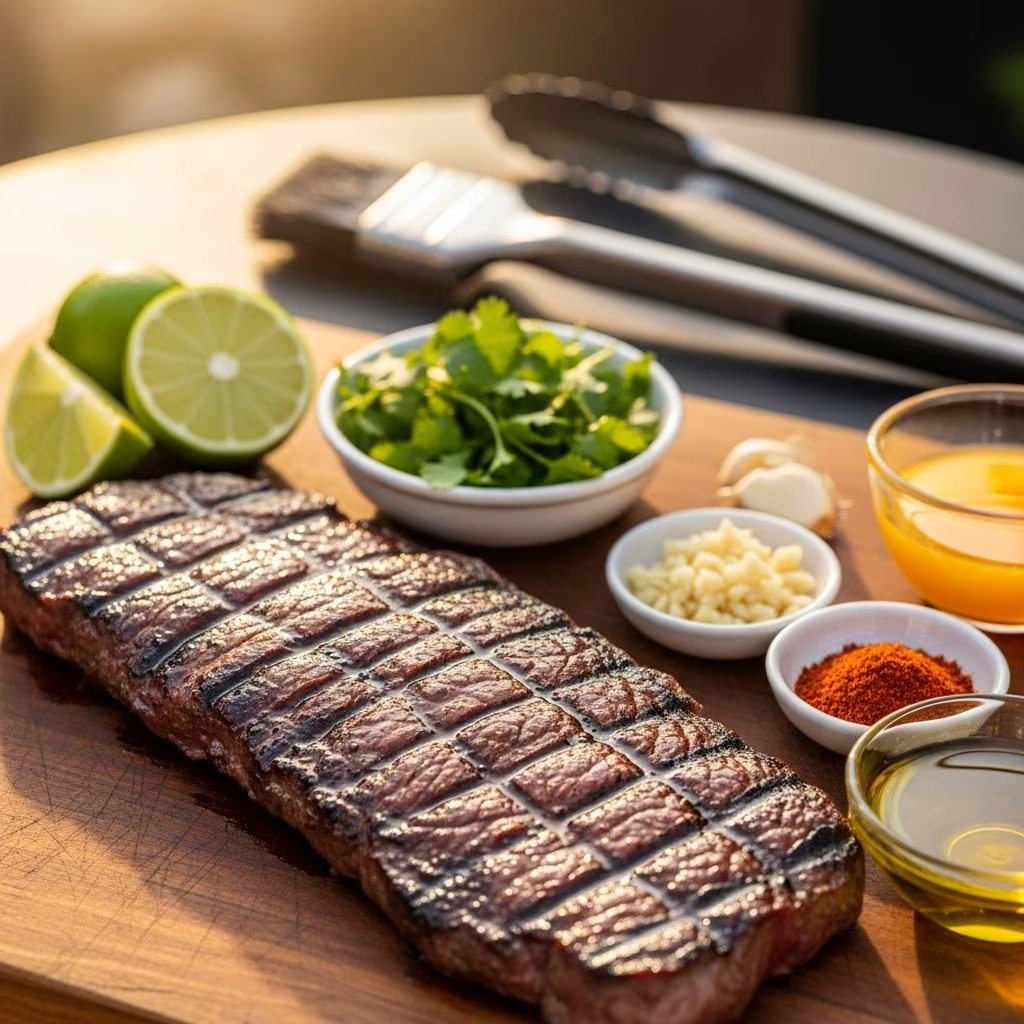
Carne asada represents one of Mexico’s most celebrated grilled meat preparations, transforming simple cuts of beef into tender, flavorful delicacies through the strategic use of marinades and proper cooking technique. The foundation of exceptional carne asada begins long before the meat touches the grill—it starts with understanding how to build layers of flavor through a well-balanced marinade that tenderizes while infusing the beef with vibrant, complex tastes.
Understanding the Core Components of an Effective Marinade
A successful carne asada marinade functions on multiple levels simultaneously. The acidic components break down protein fibers, creating tenderness, while aromatic elements develop flavor depth. Oil-based foundations ensure even coating and moisture retention during cooking. The interplay between these components determines whether your carne asada achieves that coveted balance of tender texture and bold, authentic flavor.
The Role of Acidic Elements
Citrus juices form the backbone of traditional carne asada marinades. Fresh lime juice provides sharpness and brightness, while orange juice contributes subtle sweetness and body to the marinade base. These acidic components work by breaking peptide bonds in the meat’s protein structure, a process that begins immediately upon contact. The acid denatures proteins, allowing the meat to absorb surrounding flavors more effectively while simultaneously softening the muscle fibers. Red wine vinegar and apple cider vinegar serve as secondary acidic components, adding complexity and preventing the marinade from becoming one-dimensional.
The duration of marinating directly correlates with how much acidic breakdown occurs. Extended marinating times—typically between four hours and overnight—allow sufficient acid penetration without over-processing the meat. Marinades left for more than twelve to sixteen hours risk creating an overly mushy exterior texture, particularly with thinner cuts of steak.
Oil as the Flavor Vehicle
Extra-virgin olive oil serves multiple critical functions within the marinade structure. It acts as an emulsifier, helping to distribute water-based ingredients like citrus juice throughout the mixture. The oil creates a protective barrier on the meat’s surface, preventing excessive moisture loss during the marinating period and subsequent cooking. Additionally, oil-soluble flavor compounds from spices and herbs dissolve more readily in fat, concentrating their impact on the final dish. High-quality olive oil contributes its own subtle flavor notes that complement rather than overpower the other marinade components.
Essential Ingredients and Their Contributions
Garlic and Onion Framework
Fresh garlic cloves provide pungent, aromatic compounds that intensify during cooking. Mincing garlic releases sulfur-containing compounds that distribute throughout the marinade, creating flavor depth that bottled garlic powder cannot replicate. Similarly, fresh onions—whether diced or sliced—release natural sugars and sulfur compounds when minced or cut. These aromatic vegetables form the flavor foundation, working synergistically with acidic elements to create a more complex marinade profile than could be achieved with spices alone.
Fresh Herb Integration
Cilantro represents the signature fresh herb in authentic carne asada preparations. Its bright, slightly peppery flavor profile complements citrus while adding freshness that cuts through the richness of the beef. Cilantro’s volatile oils transfer readily to oil-based marinades, ensuring flavor distribution throughout the meat. Mexican oregano differs significantly from Mediterranean oregano in its flavor intensity and earthy undertones, making it the preferred choice for authentic results.
Spice Complexity
Traditional carne asada marinades incorporate multiple spices layered for maximum impact. Chili powder adds subtle heat and earthy undertones without overwhelming the palate. Paprika contributes color and mild, sweet pepper notes. Black pepper and crushed red pepper flakes provide progressively sharper heat elements. Cumin rounds out the spice profile with warm, toasted earthiness. The combination of these spices creates balanced heat and complexity rather than a single dominant flavor.
Heat Elements
Jalapeños provide fresh heat alongside fruity undertones that pair beautifully with citrus. Leaving seeds intact increases heat intensity, while removing them moderates spiciness for broader appeal. Some marinades incorporate beer—typically Mexican lagers—which adds subtle maltiness and aids in flavor distribution.
Ingredient Selection and Quality Considerations
Choosing the Right Cut of Beef
Flat iron steak offers excellent marbling and tenderness, making it ideal for carne asada preparations. Skirt steak and flank steak provide alternative options, each with distinct grain structures and fat distributions that affect how they absorb marinade and cook on the grill. Skirt steak, with its pronounced grain, absorbs marinades efficiently while remaining tender when sliced against the grain. Look for cuts displaying good marbling—the intramuscular fat deposits that render during cooking, creating moistness and flavor.
Citrus Selection and Preparation
Freshly squeezed citrus juices dramatically outperform bottled alternatives in both flavor intensity and marinating effectiveness. Heavy, fragrant limes and oranges indicate peak juice content and optimal flavor. Rolling citrus on a hard surface before cutting releases more juice, and using a proper citrus juicer extracts maximum liquid compared to hand-squeezing methods.
Oil Quality and Selection
Extra-virgin olive oil contributes superior flavor compared to refined varieties. However, personal preference and regional availability may dictate alternative oil choices. The primary consideration involves selecting oil of sufficient quality that its flavor either enhances or at least doesn’t interfere with the marinade’s other components.
Marinade Preparation Techniques
Method One: Blended Marinade Approach
Combining all ingredients in a blender creates a smooth, uniform marinade where flavors distribute evenly. This method works particularly well when using a molcajete or mortar and pestle to create a garlic-salt paste base before adding remaining ingredients. The paste intensifies garlic flavor while breaking down cell walls, releasing more aromatic compounds than mincing alone.
Method Two: Manual Mixing
Whisking ingredients together in a glass bowl allows visual control over consistency and ingredient incorporation. This traditional approach works equally well for most preparations, with the advantage of maintaining visible texture—particularly important when incorporating fresh herbs and jalapeños.
Container Selection and Marinating Best Practices
Glass containers provide neutral environments that won’t react with acidic marinade components. Ceramic dishes work similarly well. Plastic containers, particularly when exposed to acidic environments over extended periods, may leach compounds into the marinade. Ensuring the meat is fully submerged or regularly rotated guarantees even flavor distribution.
Timing and Marination Schedules
Minimum marination time typically ranges from four to six hours, allowing adequate acid penetration and flavor absorption. Overnight marination—approximately twelve to sixteen hours—represents the optimal window for maximum flavor development without compromising meat texture. Marinades left in refrigeration beyond sixteen hours begin breaking down muscle fibers excessively, creating an undesirable mushy texture rather than the desired tenderness.
The thickness of your beef cut should influence marinating duration. Thinner cuts absorb marinade flavors more quickly, potentially requiring only four to six hours. Thicker cuts benefit from extended marination periods to ensure flavor penetration throughout the meat’s depth.
Grilling Techniques for Optimal Results
Temperature and Heat Management
Preheat your grill to high heat, allowing grates to reach approximately 450-500 degrees Fahrenheit. Remove marinated meat from refrigeration fifteen minutes before grilling, allowing it to reach closer to room temperature for more even cooking. Pat meat dry with paper towels to facilitate proper browning and crust development—excess surface moisture inhibits caramelization.
Cooking Duration and Doneness
High-heat grilling creates beautiful caramelization on the meat’s exterior while maintaining a pink, tender interior. Cook times vary based on cut thickness and desired doneness. Flat iron steaks typically require three to four minutes per side for medium-rare results. Using a meat thermometer eliminates guesswork: remove beef at 130-135 degrees Fahrenheit for medium-rare, understanding that carryover cooking will increase temperature by approximately five degrees during resting.
The Resting Period
Allowing grilled carne asada to rest for five to ten minutes after cooking permits muscle fibers to relax and reabsorb juices, preventing moisture loss when cutting. Loosely tenting with foil during this period maintains warmth without trapping steam that would soften the exterior crust.
Customization and Variation Possibilities
Spice Level Adjustments
Modify heat intensity by adjusting jalapeño quantities or removing seeds entirely for milder versions. Red pepper flakes can be eliminated completely without compromising other flavor elements. Those preferring additional spice can increase chili powder, add cayenne pepper, or incorporate hot sauce into the marinade.
Vegetarian Alternatives
While traditional carne asada uses beef, the same marinade principles apply to large portobello mushroom caps, eggplant slices, or firm tofu cuts. Marinating times remain similar, though vegetables may absorb flavors more quickly than meat.
Regional Flavor Variations
Some regional preparations incorporate pineapple juice alongside citrus, adding tropical sweetness. Others use tequila or mezcal instead of beer, creating smokier undertones. Experimenting with these variations while maintaining core acidic, oil, and herb components allows personalization while respecting traditional foundations.
Common Questions About Carne Asada Marinade
Can I reuse marinade that contacted raw meat?
No. For food safety reasons, discard any marinade that contacted raw meat. If you wish to use marinade as a finishing sauce, reserve a portion before adding raw meat.
What happens if I marinate too long?
Extended marination—beyond sixteen hours—risks creating mushy, over-processed meat texture as excessive acid breaks down muscle fibers beyond the point of desirable tenderness. The exterior may become unpleasantly soft.
Can I freeze marinated meat?
Yes. Marinated beef freezes successfully for up to three months. Freeze in the marinade itself, which actually benefits marinating time as ice crystals break down cell structures, potentially enhancing flavor absorption during thawing.
Should marinade be room temperature or chilled before use?
Chilled marinade keeps meat at safe temperatures during marinating. However, marinade itself doesn’t need temperature control—refrigeration serves solely to maintain meat safety.
Can I use bottled citrus juice?
While fresh juice produces superior results, bottled juice works in emergencies. However, bottled juice often contains additives and possesses less vibrant acid profiles, potentially affecting final results.
Storage and Make-Ahead Strategies
Prepare marinades up to two days in advance, storing in sealed glass containers. The flavors actually develop and intensify during storage as spices continue releasing compounds into the liquid. Combine unmarinated beef with marinade no more than sixteen hours before cooking to ensure optimal texture and food safety.
Grilled carne asada stores refrigerated for up to four days, though freshly cooked meat tastes best served within one to two hours of grilling. Reheat gently to preserve tenderness—covering with foil and warming in a low oven works better than stovetop or microwave methods.
References
- Carne Asada Marinade Recipe — Munchkin Time. 2024. https://www.munchkintime.com/best-carne-asada-marinade/
- Easy and Authentic Carne Asada Recipe — Pinch and Swirl. 2024. https://pinchandswirl.com/carne-asada-recipe/
- The Ultimate Carne Asada Marinade Recipe — Latino Foodie. 2023. https://www.latinofoodie.com/featured-blog-posts/ultimate-carne-asada-marinade/
- The Best Carne Asada — Stellan’s Spice. 2024. https://stellanspice.com/carne-asada/