Creating Stunning Berry-Infused Wine Punches for Every Occasion
Wine punches have become a staple at summer gatherings, outdoor celebrations, and intimate dinner parties. Among the most visually appealing and flavorful variations is the berry-infused rosé punch—a refreshing beverage that combines the sophistication of quality wine with the natural sweetness and vibrant colors of fresh fruits. This guide explores everything you need to know about crafting these elegant drinks, from ingredient selection through serving.
Understanding the Foundation: Selecting Your Wine Base
The cornerstone of any exceptional fruit-infused punch is the wine itself. Rosé wine serves as an ideal foundation due to its delicate flavor profile and pale pink hue, which complements berry fruits beautifully. When choosing a rosé for your punch, consider selecting a drier variety rather than a sweeter one, as this provides better balance with the natural sugars from fresh fruit. The wine’s subtle complexity won’t be overwhelmed by the fruit infusions, creating a harmonious blend of flavors.
For those seeking alternatives or variations, sparkling rosé presents an exciting option that adds effervescence and elegance to the presentation. Similarly, other light wines such as white varieties can serve as substitutes, though they will produce different visual and flavor outcomes than traditional rosé-based preparations.
Building Flavor Complexity Through Fruit Selection
The fruit component determines both the aesthetic appeal and taste profile of your punch. Berries form the primary fruit category for these preparations, offering vibrant colors and natural sweetness. Consider incorporating multiple berry varieties to create depth and complexity:
- Strawberries contribute substantial flavor and maintain their texture throughout the infusion process, whether fresh or frozen
- Raspberries add delicate fruit notes and visual appeal without overpowering other ingredients
- Dark sweet cherries impact both color and taste significantly, providing deeper fruit flavors and richer hues
- Pomegranate seeds offer tartness and jewel-like visual elements
Beyond berries, stone fruits like peaches and citrus varieties including blood oranges, regular oranges, and lemons expand your flavor palette. When selecting peaches, choose the ripest specimens available, as they contribute the most pronounced flavor. Citrus fruits provide acidity that balances sweetness while brightening the overall flavor profile.
Complementary Ingredients and Flavor Enhancers
Beyond wine and primary fruits, several supporting ingredients elevate the final beverage. Citrus juices such as freshly squeezed lemon juice add brightness and help balance fruit sweetness. Honey or simple syrup allows you to control sweetness levels without relying solely on commercial sugar, creating a more nuanced flavor foundation.
Optional but impactful additions include:
- Floral liqueurs like St. Germain elderflower liqueur introduce sophisticated herbal and floral notes
- Orange liqueurs such as Cointreau add depth and complement citrus fruits
- Vodka or rum can be incorporated for additional body, though these remain optional based on personal preference
- Fresh mint provides aromatic appeal and cooling sensations that enhance the drinking experience
- Vanilla beans create subtle complexity and warmth
Carbonation and Fizz: The Final Touch
The decision between still and carbonated beverages significantly impacts the punch’s character. Club soda or seltzer water can be added to create a lighter, more refreshing quality without introducing additional sugars. Alternatively, lemon-lime sodas or other flavored carbonated beverages add sweetness and an integrated citrus element.
When using carbonated additions, timing matters considerably. Adding bubbles immediately before serving maintains carbonation levels and prevents the punch from becoming flat. For large gatherings, consider adding carbonation to individual servings rather than to the entire pitcher.
Preparation Methods and Infusion Techniques
Creating a successful fruit-infused punch requires understanding how flavors develop over time. The fundamental process involves several key steps:
Step One: Initial Fruit Preparation
Begin by slicing and preparing all fruits. Maintain uniform sizing to ensure consistent infusion rates and attractive presentation. Remove seeds from citrus where appropriate and hull strawberries completely.
Step Two: Flavor Foundation Building
When recipes include honey or simple syrup, prepare this element first by gently heating honey with water until fully dissolved, then allowing it to cool completely before adding to the pitcher. This approach ensures even sweetness distribution throughout the final beverage.
Step Three: Layering Components
Add prepared fruits to a large pitcher, followed by any liqueurs or spirits. Allow this mixture to rest for approximately 10 minutes, permitting fruits to begin releasing their juices and flavors into the alcohol base.
Step Four: Wine Integration
Pour the chilled rosé wine into the pitcher with existing ingredients, stirring gently to combine without bruising delicate fruits.
Step Five: Infusion Period
Refrigerate the completed punch for a minimum of two hours, though overnight infusion produces superior flavor development and integration. This extended resting period allows fruit sugars to dissolve into the wine while wine tannins mellow through contact with fruit acids.
Ingredient Proportions and Customization
Standard recipes typically follow these proportions as starting points, though personal preference should guide adjustments:
| Component | Typical Amount | Notes |
|---|---|---|
| Rosé Wine | 1 bottle (750ml) | Primary liquid base; select dry varieties |
| Mixed Berries | 2-3 cups total | Combine strawberries, raspberries, others as desired |
| Citrus Fruits | 1-2 medium fruits | Lemons, oranges, or blood oranges |
| Honey or Sugar | 2-3 tablespoons | Omit if using sweet wine varieties |
| Liqueur (Optional) | ½-1 cup | Elderflower, orange, or other varieties |
| Carbonation | 1-2 cups | Add just before serving |
Serving and Presentation Strategies
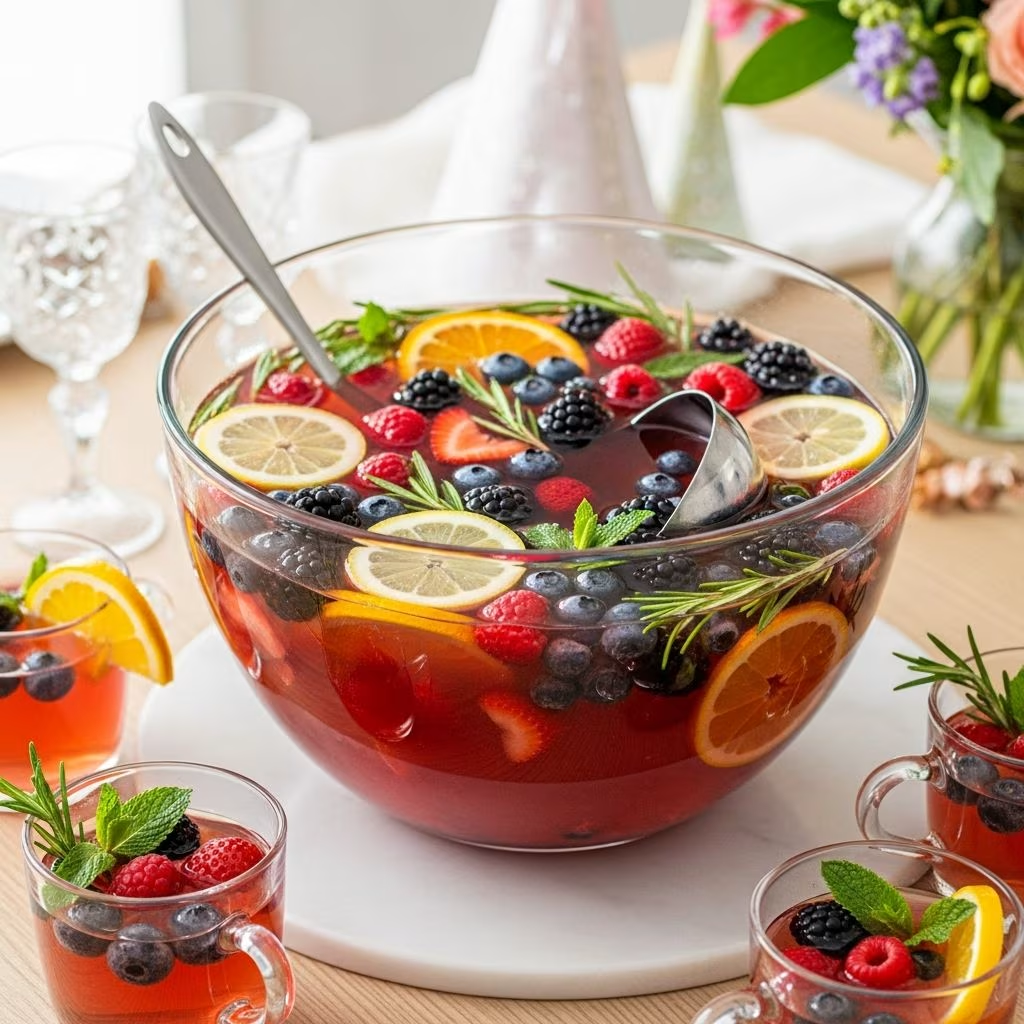
The visual presentation of fruit-infused punches contributes significantly to their appeal and perceived quality. Serve in clear glasses or bowls to showcase the beautiful pink hue and suspended fruit. Ice cubes should be added to individual servings rather than the entire pitcher to prevent excessive dilution over time.
Garnish thoughtfully with fresh mint leaves, additional fruit slices, or edible flowers for enhanced visual interest. These garnishes serve both aesthetic and aromatic functions, engaging multiple senses during consumption.
Timeline Considerations for Entertaining
When planning beverages for gatherings, strategic timing ensures optimal flavor and presentation. Prepare the punch base—all fruits, wine, and non-carbonated ingredients—several hours or the day before your event. This advance preparation allows flavors to meld thoroughly while freeing you from last-minute drink preparation. Approximately 30 minutes before guests arrive, chill the completed pitcher in the refrigerator. Add carbonation and ice only as service begins to maintain effervescence and prevent dilution.
Scaling Recipes for Larger Groups
Converting individual punch recipes for entertaining larger numbers requires proportional adjustments. Multiply all ingredients by the desired number of servings, keeping standard proportions consistent. A single 750ml bottle typically yields approximately 6 servings, making calculation straightforward. For gatherings of 12-15 people, prepare two to three bottles’ worth of punch components.
Storage and Make-Ahead Considerations
Prepared punch maintains quality in refrigeration for 24-48 hours before serving, making it convenient for entertaining. Store covered in the refrigerator to prevent flavor absorption from other foods. Avoid adding carbonation until immediately before service, as bubbles dissipate quickly. If preparing fruit components in advance, store prepared fruit separately from liquid components until assembly time to maintain optimal texture and appearance.
Frequently Asked Questions
Can I use frozen fruit instead of fresh?
Yes, frozen fruits work effectively in punch preparation, though they may soften during infusion. Thaw completely before adding to allow proper mixing and to prevent excessive dilution as ice melts.
What if I prefer a sweeter punch?
Select sweeter rosé wine varieties, increase honey or sugar additions, or use sweetened soda instead of club soda for additional sweetness control.
How far in advance can I prepare this beverage?
Prepare all components except carbonation up to 24 hours ahead. Add carbonated elements only immediately before serving.
Is alcohol content adjustable?
Yes, spirits and liqueurs remain optional additions. Traditional versions with only wine provide lower alcohol content suitable for various preferences.
What garnish options work best?
Fresh mint, additional fruit slices, edible flowers, and herb sprigs all enhance presentation while complementing flavor profiles.
References
- Pink Sangria with Rosé Wine — Barley & Sage. Retrieved April 2026. https://www.barleyandsage.com/pink-sangria-with-rose-wine/
- Rosé Sangria — A Farmgirl’s Dabbles. Retrieved April 2026. https://www.afarmgirlsdabbles.com/rose-sangria/
- Summer Rosé Sangria with Cherries, Strawberries, and Peach — Dash of Jazz. Retrieved April 2026. https://www.dashofjazz.com/summer-fruit-rose-sangria/
- Rosé Sangria — Urban Foodie Kitchen. Retrieved April 2026. https://www.urbanfoodiekitchen.com/rose-sangria/
- Rosé Sangria with Berries & Lemon — Sunday Table. Retrieved April 2026. https://sundaytable.co/rose-sangria-berries-lemon/
- Rosé Sangria — Kitchen Treaty. Retrieved April 2026. https://www.kitchentreaty.com/strawberry-lime-rose-sangria/