Hosting or preparing Thanksgiving dinner for the first time can feel overwhelming, but with the right foundational recipes and techniques, you can create a memorable meal without culinary expertise. This guide walks beginners through essential Thanksgiving dishes, breaking down each recipe into manageable steps and explaining common cooking methods used during the holiday season.
Starting Your Thanksgiving Journey: Essential Preparation Tips
Before diving into specific recipes, understanding basic preparation strategies sets the foundation for success. Planning your menu several days in advance allows you to organize shopping lists and identify which dishes can be prepared ahead of time. Most beginners benefit from choosing recipes with overlapping ingredients, which reduces shopping complexity and minimizes food waste.
Read through each recipe completely before beginning to cook. This practice, known as “mise en place” in culinary terms, ensures you understand all steps, have gathered necessary equipment, and won’t encounter unexpected surprises mid-recipe. Arrange your kitchen workspace efficiently, placing frequently used items within arm’s reach and clearing adequate counter space for meal preparation.
Temperature control represents another crucial foundational concept. Invest in a reliable meat thermometer, as this single tool eliminates guesswork when cooking poultry and ensures food safety. Most beginners find that precise temperature monitoring reduces cooking anxiety considerably.
Mastering the Main Course: Turkey Preparation Techniques
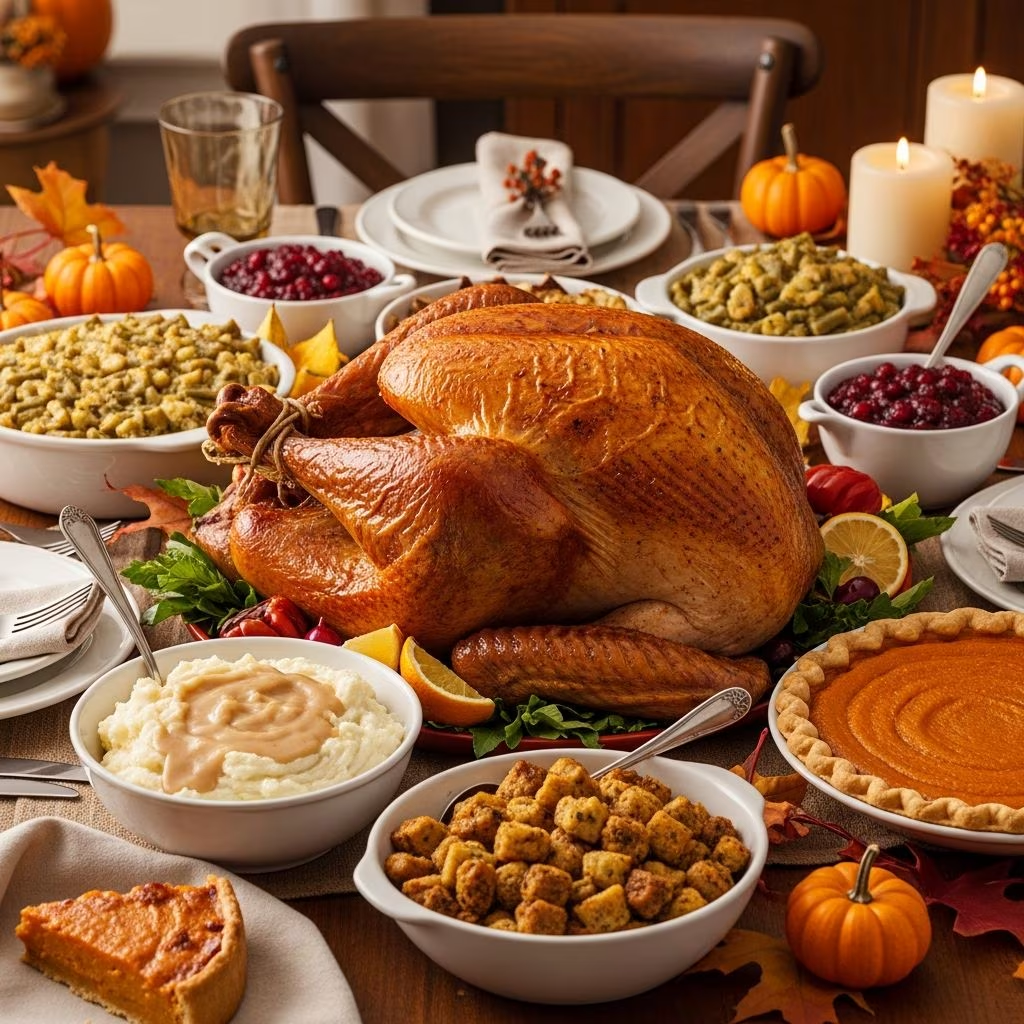
Turkey serves as the centerpiece of most Thanksgiving tables, yet many first-time cooks approach this protein with unnecessary apprehension. Breaking down turkey preparation into distinct phases demystifies the process substantially.
Selecting and Thawing Your Bird
Begin by choosing the appropriate turkey size for your gathering. A general guideline suggests allocating one and one-half pounds of turkey per person, accounting for bone weight and ensuring adequate leftovers. Frozen turkeys require advance thawing, typically taking one day per four to five pounds when thawed in the refrigerator.
Room-temperature thawing accelerates the process but requires careful monitoring to prevent bacterial growth. Cold water thawing offers a middle ground, allowing you to submerge the wrapped turkey in cold water, changing the water every thirty minutes. This method typically takes four to eight hours depending on turkey size.
Seasoning Approaches for Flavor Development
Two primary seasoning methods suit beginner cooks: dry herb applications and herbed butter infusions. Dry herb seasoning involves creating a mixture of dried or fresh herbs, salt, and pepper, then rubbing this combination across the turkey’s exterior before roasting. This straightforward technique delivers consistent results without requiring special equipment.
The herbed butter method offers slightly more sophisticated flavor profiles by combining softened butter with minced fresh herbs like rosemary, thyme, and sage. Spreading this mixture under the turkey skin before roasting allows the herb-infused fat to permeate the meat during cooking, creating enhanced tenderness and flavor complexity. Many beginners find this technique approachable despite its restaurant-like results.
Roasting Methods and Timing
Standard oven roasting at 325°F remains the most reliable method for beginners, requiring minimal intervention. Calculate roasting time as approximately thirteen to fifteen minutes per pound for unstuffed birds. Using a meat thermometer inserted into the thickest thigh portion without touching bone, cook until the internal temperature reaches 165°F throughout.
Slow cooker preparation offers an alternative approach that requires less active monitoring. Turkey breasts specifically suit slow cooker methodology, cooking on low heat for six to eight hours, producing extraordinarily tender results. This method frees oven space for side dishes, a significant advantage when cooking multiple components simultaneously.
Crafting Complementary Side Dishes: Building Your Menu
Side dishes provide opportunities for beginner cooks to develop foundational cooking techniques while creating dishes that balance and enhance the main course.
Stuffing and Dressing: Savory Bread-Based Foundations
Stuffing represents one of the most forgiving Thanksgiving components, accommodating ingredient substitutions and variations without drastically altering results. The basic technique involves cubing bread, sautéing aromatic vegetables like onions and celery in butter until softened, combining these with herbs and broth, then binding everything with eggs before baking until golden.
Many beginners make their first mistake by using soft fresh bread. Day-old bread or slightly stale bread absorbs liquid more effectively, creating superior texture compared to fresh bread that becomes mushy. Toasting bread cubes lightly in the oven before combining with other ingredients further improves the final texture.
Herb selection dramatically impacts stuffing character. Traditional combinations feature sage, thyme, and rosemary, though novice cooks should feel comfortable adjusting proportions to personal preference. Adding mix-ins such as diced apples, nuts, or dried cranberries creates complexity without requiring additional cooking techniques.
Mashed Potatoes: Comfort in Creamy Form
Mashed potatoes serve as the canvas upon which gravy spreads, making texture and flavor equally important. Selecting potato varieties matters more than many beginning cooks realize. Waxy potatoes like red potatoes hold shape during cooking, while starchy varieties like russets create lighter, fluffier textures. Many Thanksgiving tables benefit from combining both types.
Boiling potatoes in salted water until fork-tender, then draining thoroughly prevents waterlogged results. The crucial step involves returning drained potatoes to the warm pot and allowing residual heat to evaporate excess moisture for a few minutes before adding dairy and butter. This often-overlooked practice transforms mediocre mashed potatoes into exceptional ones.
Heating cream or milk before adding it to potatoes ensures smooth incorporation without temperature shock. Many beginners create lumpy mashed potatoes by adding cold dairy directly to hot potatoes. Mashing by hand with a masher creates rustic texture, while food mills or ricers produce exceptionally smooth consistency. Personal preference and available equipment guide this decision.
Vegetable Sides: Nutrition Meets Flavor
Green bean casserole represents an approachable vegetable preparation combining canned cream soup, fresh or frozen green beans, and fried onions for textural contrast. This minimal-technique dish produces reliable results, making it ideal for novice cooks managing multiple dishes.
Roasted vegetables like Brussels sprouts offer slightly more sophistication through simple technique. Tossing halved Brussels sprouts with olive oil, salt, and pepper, then roasting cut-side-down at high temperature creates caramelized exteriors and tender interiors. Beginners appreciate this hands-off cooking method that requires minimal monitoring.
Cranberry sauce presents another beginner-friendly option, traditionally combining fresh or frozen cranberries with sugar and water simmered until the berries burst and create a jammy consistency. This naturally tart accompaniment balances rich turkey and savory sides, and it requires no specialized cooking techniques.
Creating Gravies and Sauces: Building Depth of Flavor
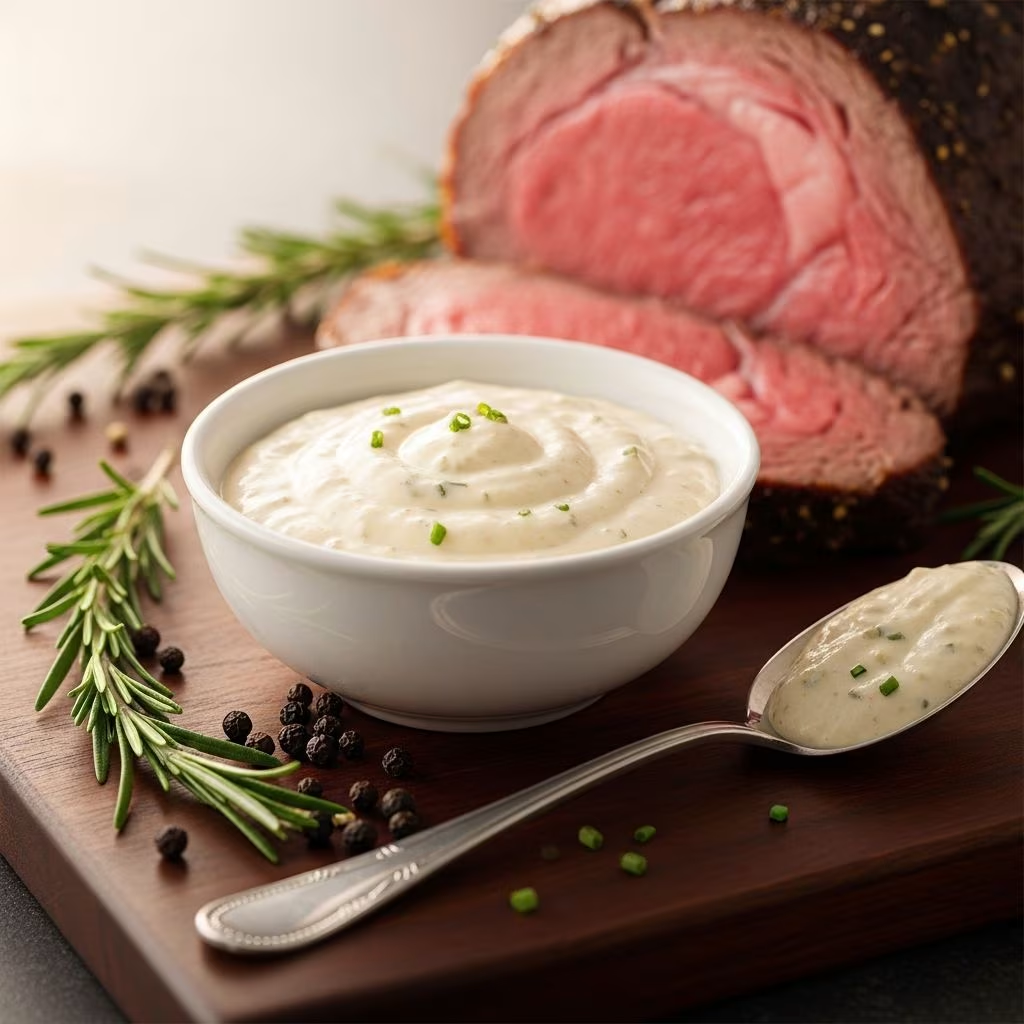
Gravy transforms a simple meal into a cohesive culinary experience, yet many beginning cooks approach sauce-making with unnecessary trepidation. Understanding the roux—a combination of equal parts fat and flour cooked together—provides the foundation for most Thanksgiving gravies.
The traditional method involves collecting turkey drippings, creating a roux with turkey fat and flour, then gradually whisking in broth while cooking until the mixture thickens to desired consistency. For beginners without turkey drippings, butter-based roux combined with chicken or vegetable broth produces equally satisfying results.
Common beginner mistakes include adding cold liquid to hot roux, which creates lumps, and insufficiently cooking the roux before adding liquid, which produces a floury taste. Whisking constantly while adding liquid gradually prevents lumps, while cooking the roux for one to two minutes before adding liquid allows the flour to cook out properly.
Seasoning gravies requires careful tasting and adjustment. Starting conservatively with salt and pepper, then gradually increasing seasoning while tasting prevents over-salting. Many traditional cooks add poultry seasoning, onion powder, and garlic powder for additional flavor dimension.
Desserts and Sweet Finales: Completing Your Menu
Thanksgiving desserts need not require advanced baking skills. Pumpkin pie, while traditional, challenges many beginners through pastry-making complexities. Increasingly popular alternatives include pumpkin dump cake, where cake batter and pumpkin filling combine in a single baking dish, creating results approximating pie with minimal technique.
Fruit-based desserts like apple crisp or berry compote topped with whipped cream offer simpler execution paths while maintaining holiday authenticity. These preparations require basic fruit preparation, simple topping ingredients, and standard baking techniques.
No-bake options including chocolate mousse or whipped cream-topped berries provide pressure-free alternatives when oven space becomes limited or baking anxiety peaks. These options demonstrate that Thanksgiving desserts can be both simple and impressive.
Frequently Asked Questions About Beginner Thanksgiving Cooking
How far in advance can I prepare Thanksgiving components?
Most side dishes can be partially or fully prepared one to two days ahead, with reheating before serving. Stuffing and mashed potatoes specifically benefit from advance preparation. Turkey must be thawed properly, but cooking typically occurs on the day of serving to ensure food safety and optimal moisture.
What equipment do beginners absolutely need for Thanksgiving cooking?
Essential items include a reliable meat thermometer, large roasting pan, mixing bowls, measuring cups and spoons, a sharp knife, cutting board, and wooden spoons. Optional but valuable items include a slow cooker, food mill or ricer, and an instant-read thermometer.
How can I prevent my turkey from drying out?
Using a meat thermometer prevents overcooking by removing turkey from heat at exactly 165°F internal temperature. Tent the turkey with foil during the final hours if the skin browns too quickly. Allowing cooked turkey to rest for fifteen to twenty minutes before carving redistributes juices throughout the meat.
Can I substitute ingredients in traditional recipes?
Absolutely. Thanksgiving recipes accommodate numerous substitutions. Different herb combinations in stuffing, various potato types in mashed potatoes, and alternative vegetables in casseroles all work successfully. Starting with recipe suggestions, then adjusting to personal preferences builds confidence and creates personalized traditions.
What should I do if something goes wrong?
Remember that Thanksgiving meals rarely need to be perfect. Slightly overcooked vegetables can be masked with gravy, underseasoned dishes benefit from additional salt at the table, and minor presentation imperfections disappear when eating occurs. Most guests focus on the overall experience rather than minor flaws.
Timeline Strategy: Orchestrating Your Thanksgiving Cooking
Successfully managing multiple dishes requires strategic planning. Beginning the day before allows for advance preparations including stuffing assembly, mashed potato preparation, and dessert completion. Thanksgiving morning should focus on thawing final components, setting tables, and beginning turkey preparation.
Coordinating oven temperatures and cooking times prevents bottlenecks. Starting turkey first, with most side dishes joining it during the final cooking hour, ensures everything finishes approximately simultaneously. Most vegetables and side dishes reheat successfully if finished slightly early.
Delegating tasks to family members or guests transforms solo cooking into collaborative effort. Assigning gravy creation, dessert transport, or vegetable preparation to trusted helpers reduces individual pressure while building shared investment in the meal’s success.
Conclusion: Building Confidence Through Practice
Thanksgiving cooking for beginners transforms from intimidating to manageable through understanding fundamental techniques, following tested recipes, and maintaining realistic expectations. Each component builds upon basic cooking skills applicable far beyond the holiday season. With proper planning and foundational knowledge, first-time Thanksgiving hosts create memorable meals that launch years of confident holiday entertaining.
References
- Small Thanksgiving Dinner for 4 (Made on a Sheet Pan!) — An Edible Mosaic. 2024. https://www.anediblemosaic.com/small-thanksgiving-dinner-for-4-made-on-a-sheet-pan/
- Easy Thanksgiving Menus — RecipeTin Eats. 2024. https://www.recipetineats.com/easy-thanksgiving-christmas-menu/
- 8 Easy Thanksgiving Recipes That Won’t Break the Bank — Allrecipes. 2024. https://www.youtube.com/watch?v=BTIwANSyPpc
- The Ultimate Thanksgiving Dinner Ideas List: 80+ Delicious Recipes — What’s Gaby Cooking. 2024. https://whatsgabycooking.com/80-thanksgiving-dinner-ideas/
- How to Make a FULL Thanksgiving Dinner (EASY Start-to-Finish) — YouTube. 2024. https://www.youtube.com/watch?v=h_kLzhcQi98