The intersection of two beloved beverages has created something truly special in the cocktail world. By combining the smooth complexity of tequila with the crisp refreshment of beer, you can create a drink that appeals to both margarita enthusiasts and beer lovers alike. This fusion approach transforms a classic cocktail into something entirely unique, offering effervescence and depth that neither drink provides on its own.
Understanding the Beer Margarita Concept
A beer margarita represents a creative departure from conventional cocktail mixing. Rather than replacing traditional margarita components, this recipe strategically incorporates beer as a complementary ingredient that enhances the overall drinking experience. The carbonation from the beer introduces a natural fizz that elevates the texture, while the subtle flavors mesh harmoniously with citrus and tequila notes.
What makes this combination particularly appealing is its versatility. Whether you prefer your drinks shaken and served over ice or blended into a frozen consistency, the beer margarita adapts to your preferences while maintaining its distinctive character. The beauty of this drink lies in how the beer’s lightness counterbalances the intensity of traditional margarita ingredients, creating a more approachable cocktail that encourages leisurely sipping.
Essential Ingredients and Their Roles
Creating a successful beer margarita requires understanding each component’s contribution to the final product. The following elements work in concert to achieve the perfect balance:
- Tequila: The foundation of any margarita, tequila provides warmth and character. Blanco or silver varieties work best because their clean flavor profiles don’t compete with other ingredients. These unaged tequilas contain approximately 40% alcohol by volume and deliver the authentic spirit backbone.
- Fresh Lime Juice: Acidity is crucial for cutting through the sweetness and creating a well-rounded flavor profile. Freshly squeezed lime juice offers superior quality compared to bottled alternatives, providing vibrant tartness that brightens the entire drink.
- Simple Syrup or Limeade: Sweetening agents balance the acidity and tequila’s intensity. Simple syrup (equal parts sugar and water) provides clean sweetness, while commercial limeade concentrate offers convenience with built-in citrus flavor.
- Beer Selection: The beer choice dramatically influences the final product. Light lagers, Mexican beers, and fruit-flavored varieties each impart distinct characteristics. The carbonation level, alcohol content (typically 4-5% ABV), and flavor profile all impact how the drink develops on the palate.
- Ice: Beyond chilling, ice plays a structural role. It dilutes the mixture gradually, softening sharp edges and allowing flavors to meld throughout the drinking experience.
- Lime Garnish: More than decorative, the lime wheel releases essential oils when squeezed into the drink, adding aromatic complexity and visual appeal.
Step-by-Step Preparation Techniques
The method you choose determines texture, temperature, and flavor intensity. Two primary approaches dominate beer margarita preparation:
The On-the-Rocks Method
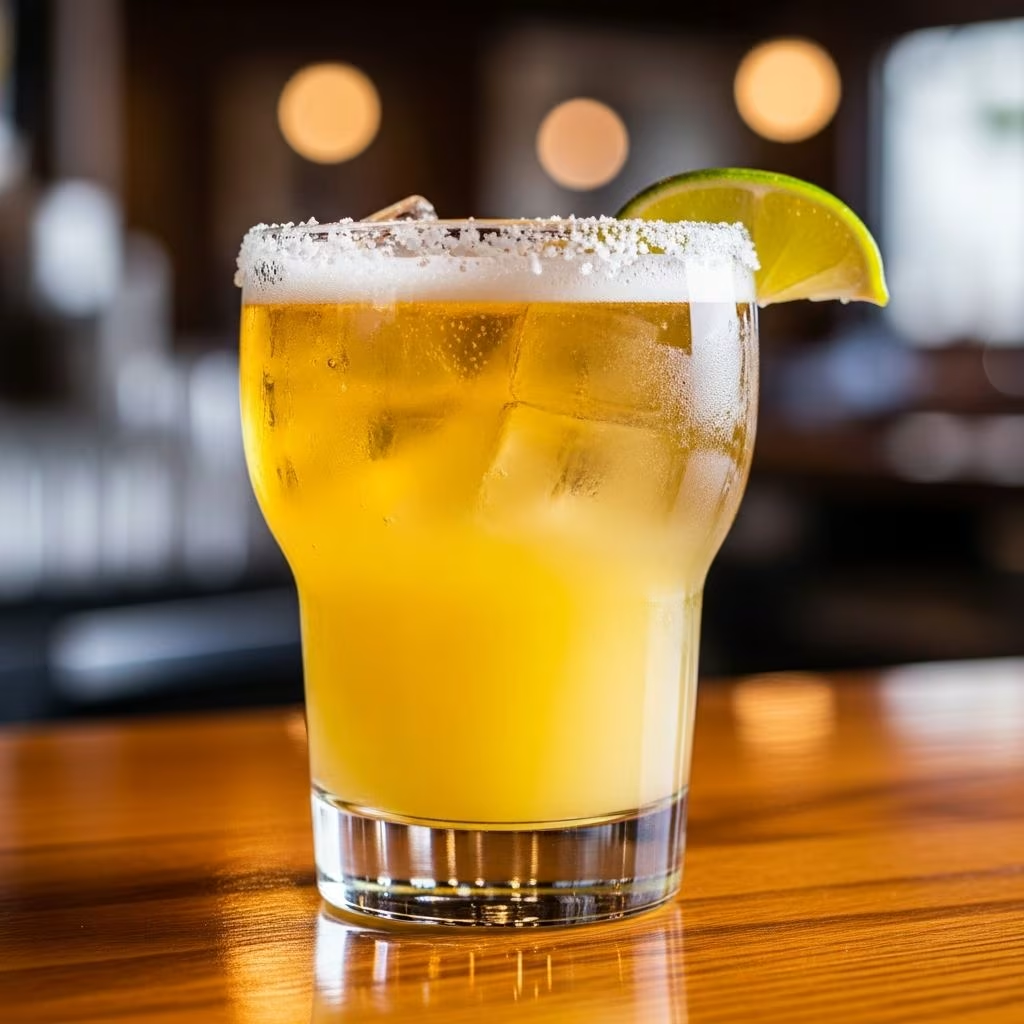
This straightforward technique suits individual servings or small groups. Begin by filling a glass with quality ice cubes, which chill the glass and provide a proper foundation for layering. Next, pour your measured tequila directly into the ice-filled glass. Add your chosen sweetening agent—whether fresh lime juice combined with simple syrup or pre-made limeade concentrate. Stir this mixture thoroughly to ensure even distribution and proper chilling. The final step involves topping with cold beer, poured gently to preserve carbonation and prevent excessive foam. Garnish with a lime wheel and serve immediately while carbonation remains active and the drink maintains optimal temperature.
The Frozen Variation
For those preferring a slushy-like consistency, a modified approach works best. Combine your tequila, lime juice, sweetener, and approximately two cups of ice in a blender. Pulse until you achieve the desired texture—not too smooth, as you want some ice crystals to remain visible. Crucially, do not add beer during blending, as the agitation causes excessive foaming and potential spillage. Instead, pour your blended mixture into salt-rimmed glasses and top with beer afterward, stirring gently to incorporate. This technique creates a textural contrast between the icy base and the smooth, bubbly beer layer.
Pitcher Recipes for Entertaining Crowds
When hosting gatherings, preparing beer margaritas in bulk simplifies service and allows guests to pour their own drinks. A standard pitcher recipe multiplies individual proportions to serve 4-6 people:
| Ingredient | Amount | Notes |
|---|---|---|
| Tequila (Blanco) | 12 ounces | Use quality brands for superior taste |
| Limeade Concentrate | 12 ounces (1 can, thawed) | Frozen concentrate works perfectly |
| Cold Water | 12 ounces | Dilutes concentrate to proper consistency |
| Beer (cold) | 12 ounces (1 can) | Add just before serving to maintain carbonation |
| Ice | As needed | Fill serving glasses before pouring |
| Lime Wedges | 2-3 whole limes | For rimming and garnishing |
| Kosher Salt | Optional | For rim coating |
Combine all ingredients except beer in a large pitcher and stir well. Keep refrigerated until serving time. Add beer approximately 10-15 minutes before guests arrive to maintain optimal carbonation. Guests can portion individual servings over fresh ice in salt-rimmed glasses.
Choosing the Right Beer
Beer selection fundamentally shapes your margarita’s character. Different styles offer distinct advantages:
- Mexican Lagers: Brands like Corona, Modelo, Tecate, and Sol Cerveza represent traditional choices that complement the margarita’s Mexican heritage. Their light, crisp profiles don’t overpower other ingredients while adding subtle complexity.
- Light Lagers: American light beers such as Bud Light, Miller Lite, and Coors provide approachable flavor with minimal assertiveness, allowing tequila and citrus to remain prominent.
- Flavored Varieties: Bud Light Lime introduces additional citrus notes that enhance the margarita’s tartness, while varieties with orange or wheat flavors add unexpected dimension.
- Craft Options: Explore local breweries for light, crisp beers that align with your regional preferences and support local businesses.
The key consideration is carbonation level and flavor intensity. Highly hopped or dark beers typically clash with margarita sweetness and lime brightness. Select beers that enhance rather than compete with existing flavors.
Mastering the Salt Rim
A properly executed salt rim elevates both flavor and presentation. The salt’s salinity cuts through sweetness and amplifies lime’s brightness, creating a more complex taste experience. To create an effective rim, place kosher salt—not fine table salt—in a shallow, wide dish. Run a lime wedge around the rim of your glass to create a thin, wet edge. Press the moistened rim gently into the salt, rotating until evenly coated. Excess salt will fall away naturally, leaving a sophisticated border that enhances each sip.
Creative Variations and Enhancements
While the classic beer margarita stands perfectly on its own, experimentation opens new possibilities:
- Add a splash of triple sec or Grand Marnier for additional complexity and subtle orange notes
- Incorporate fresh mint or cilantro for herbaceous undertones
- Experiment with flavored simple syrups featuring jalapeño, ginger, or agave nectar
- Mix different beer styles within the same pitcher for layered flavor profiles
- Include a small splash of orange liqueur for depth
Common Mistakes to Avoid
Even experienced bartenders occasionally encounter pitfalls when making beer margaritas. Blending beer directly with ice causes excessive foaming and potential overflow—always add beer after blending other ingredients. Using warm beer compromises temperature and carbonation; ensure your beer is properly chilled before pouring. Overly aggressive stirring after adding beer releases carbonation unnecessarily; gentle mixing preserves the fizz. Finally, allowing prepared mixture to sit too long before serving permits carbonation loss; prepare immediately before consumption for maximum freshness.
Frequently Asked Questions
Can I make beer margaritas in advance?
Yes, prepare the tequila, lime juice, and sweetener mixture up to 24 hours ahead and refrigerate. Add beer only immediately before serving to maintain carbonation and flavor integrity.
What’s the best glassware for serving?
Traditional margarita glasses work well, though larger pint glasses accommodate the beer addition more generously. Ensure glasses are chilled before pouring for optimal temperature maintenance.
How do I prevent foam overflow when adding beer?
Pour beer slowly at a slight angle along the inside of the glass. Tilting the glass also helps. Ensure ice is well-settled before adding beer to prevent displacement.
Can I use bottled lime juice?
While fresh-squeezed lime juice provides superior flavor, bottled versions work in emergencies. Avoid reconstituted juice from concentrate for the best taste profile.
What alcohol content should I expect?
A typical beer margarita contains approximately 12-14% alcohol by volume, falling between standard margaritas and beer in potency.
Are beer margaritas suitable for large outdoor events?
Absolutely. The pitcher method scales easily for crowds, and the combination appeals to diverse taste preferences. Prepare garnishes in advance and set up a self-service station.
Serving Suggestions and Pairings
Beer margaritas pair beautifully with specific cuisines and occasions. Serve alongside authentic Mexican dishes, carne asada, fresh ceviche, or fish tacos for complementary flavor profiles. The drink’s brightness cuts through rich, fatty foods while the beer’s subtle sweetness balances spicy heat. Summer barbecues, outdoor celebrations, and casual gatherings provide ideal venues for this refreshing cocktail.
Conclusion
The beer margarita represents an innovative approach to cocktail creation, demonstrating how thoughtful ingredient combination yields something greater than individual components. Whether you’re hosting a large gathering or enjoying a quiet evening, this versatile drink adapts to your circumstances while maintaining its fundamental character. By understanding each ingredient’s role and respecting proper preparation techniques, you can consistently create exceptional beer margaritas that impress guests and satisfy your own palate. The next time you find yourself torn between a cold beer and a classic margarita, remember that you don’t have to choose—combine them and experience the perfect fusion.
References
- Beeritas (Beer Margarita Recipe) — Feast + West. Accessed April 2026. https://feastandwest.com/beerita-beer-margarita-recipe/
- Beer Margarita Recipe — Off the Eaten Path. Accessed April 2026. https://www.offtheeatenpathblog.com/beer-margarita-recipe/
- Easy Beer Margarita Pitcher Recipe (3 ingredients) — Celebrations at Home Blog. Accessed April 2026. https://celebrationsathomeblog.com/beer-margarita/
- Beer Margaritas Recipe — Fountain Avenue Kitchen. Accessed April 2026. https://fountainavenuekitchen.com/beer-margaritas-3/
- Beergarita — Self Proclaimed Foodie. Accessed April 2026. https://selfproclaimedfoodie.com/beer-garita/