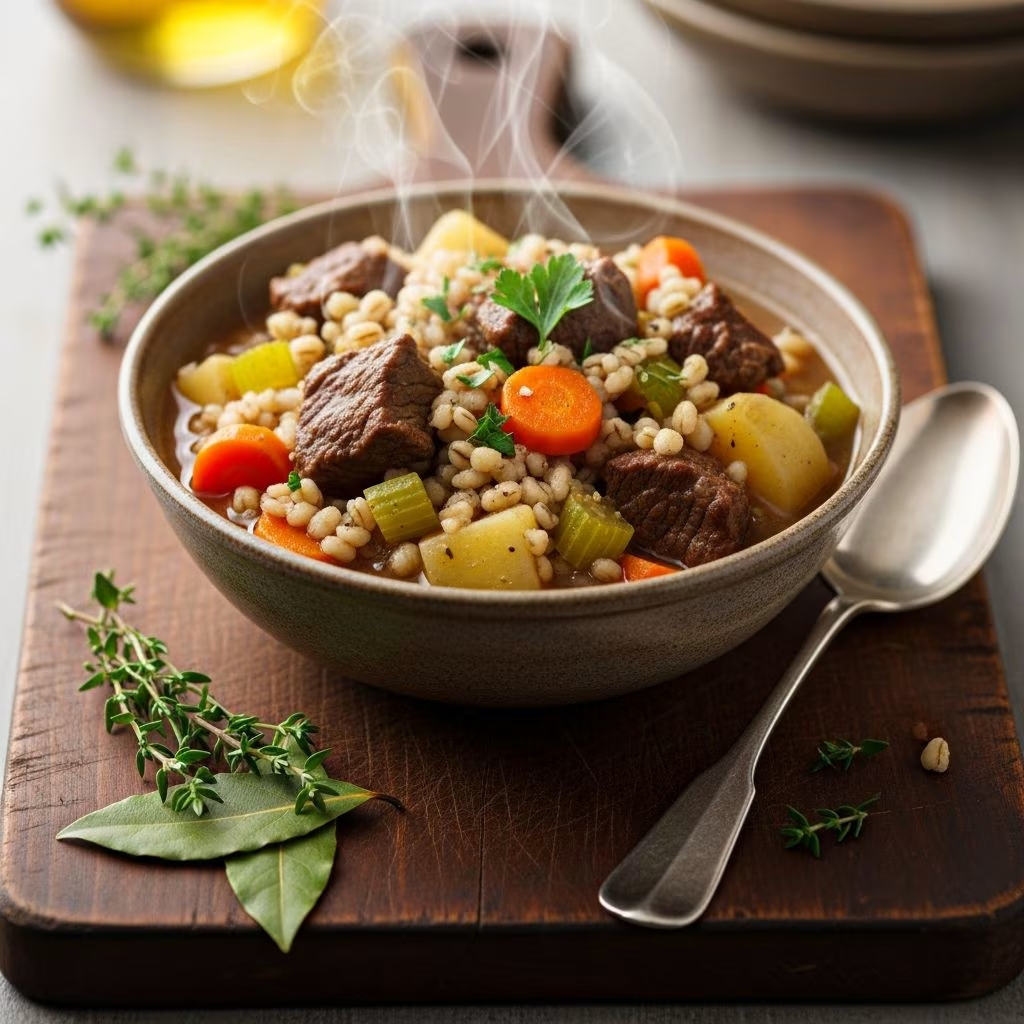
Beef and barley stew represents one of the most satisfying and nourishing comfort dishes that can grace any dinner table. This timeless preparation brings together succulent beef, chewy grains, and vibrant vegetables in a single pot, creating a meal that is both filling and deeply flavorful. The combination of slow-cooked meat with pearl or hulled barley creates a texture contrast that makes each spoonful interesting, while the rich broth ties everything together into a cohesive and warming dish.
Understanding the Core Components
The success of beef and barley stew depends on understanding how each ingredient contributes to the final dish. The beef provides protein and develops a complex flavor through the browning process. The barley adds texture, absorbs flavors from the broth, and contributes fiber and essential nutrients to the meal. Vegetables create layers of flavor and add nutritional value, while the liquid base develops into a rich, savory sauce that binds all elements together.
Selecting Quality Beef
The choice of beef cuts significantly impacts the final result of your stew. Chuck roast or chuck stew meat works exceptionally well because these cuts contain enough marbling and connective tissue to become tender during the long cooking process. When selecting beef, look for pieces with visible fat and connective tissue rather than completely lean cuts, as these elements dissolve during cooking and create a more flavorful, silky broth. Cut the beef into uniform cubes, ideally no larger than three-quarters of an inch, to ensure even cooking throughout the stew.
The Role of Barley in Your Stew
Barley serves as the grain foundation of this dish, providing substance and a slightly nutty flavor that complements beef beautifully. Pearl barley, which has been hulled and polished, cooks more quickly and produces a softer texture, typically requiring 45 minutes to an hour of simmering. Hulled barley retains more of its outer bran layer, offering additional fiber and a slightly chewier texture but requiring longer cooking times of up to 90 minutes. Avoid instant barley varieties, as they break down too quickly and create a mushy consistency rather than maintaining the distinct grain texture that makes this stew special.
Essential Ingredients and Their Functions
| Ingredient | Quantity | Function |
|---|---|---|
| Beef Chuck | 2 pounds | Protein base that becomes tender when slow-cooked |
| Pearl or Hulled Barley | 1 cup uncooked | Adds heartiness, fiber, and absorbs broth flavors |
| Onions | 1 cup diced | Aromatic base providing sweetness and depth |
| Carrots | 3-4 medium | Natural sweetness and visual appeal |
| Celery | 3 stalks | Aromatic component adding subtle earthiness |
| Beef Broth | 6-8 cups | Liquid foundation for the stew |
| Diced Tomatoes | 1 can (14 oz) | Acidity and umami enhancement |
| Fresh Herbs | Thyme and rosemary | Aromatic flavoring elements |
| Olive Oil | 2-3 tablespoons | Medium for searing and sautéing |
| Red Wine | 1 cup | Adds complexity and depth to broth |
The Foundation: Proper Beef Preparation
Before any cooking begins, prepare your beef correctly to maximize flavor development. Pat the beef cubes dry with paper towels, as moisture prevents proper browning and creates steam instead of the desired caramelization. Season generously with salt and pepper, allowing the seasonings to penetrate the meat. This initial seasoning is crucial, as salt at this stage begins breaking down proteins and improves the texture of the final stew.
The Browning Process
Heat olive oil in a large, heavy-bottomed pot over medium-high heat until it shimmers. Working in batches to avoid overcrowding, add the beef cubes and resist the urge to move them frequently. Allow each side to develop a deep brown crust, which takes 3-4 minutes per side. This browning process, called the Maillard reaction, creates hundreds of new flavor compounds that form the foundation of your stew’s depth. Once browned, transfer the beef to a clean plate and set aside for later addition.
Building Aromatic Layers
After removing the beef, add a bit more oil to the same pot if needed. Add the diced onions, sliced celery, and chopped carrots, sautéing until the vegetables begin to soften, approximately 4-5 minutes. The residual browned bits stuck to the pot bottom, called fond, will begin releasing their flavors into the vegetables. Add minced garlic and cook for an additional minute until fragrant, stirring constantly to prevent burning.
Deglazing for Maximum Flavor
Pour one cup of red wine into the pot, scraping the bottom with a wooden spoon to dislodge all the flavorful fond. The wine brings acidity and complexity to the stew while also helping to break down the proteins in the beef. Continue heating the wine until it reduces by approximately half, concentrating its flavors and allowing some of the alcohol to cook off. This step transforms the simple combination of vegetables and wine into a more sophisticated flavor base.
The Long Simmer: Bringing It Together
Return the browned beef to the pot along with any accumulated juices. Add the diced tomatoes with their juice, beef broth, uncooked barley, and fresh herb sprigs or dried herbs. Season with additional salt and pepper to taste. Bring the entire mixture to a boil, then immediately reduce the heat to maintain a gentle simmer. Cover the pot partially or fully, depending on whether you want to reduce the liquid further.
Cooking Time and Doneness
The simmering time depends on your beef cut size, the type of barley used, and your preferred texture. Generally, allow 1 to 1.5 hours for the beef to become fork-tender and the barley to soften while still maintaining some texture. The broth should thicken slightly as the barley releases its starches and the beef breaks down. About 20-30 minutes before the end of cooking, taste the stew and adjust seasonings as needed. Some cooks add Worcestershire sauce at this point for additional umami and savory depth.
Finishing Touches and Serving Suggestions
Before serving, remove any bay leaves and herb sprigs from the stew. Taste once more and adjust salt, pepper, or other seasonings to your preference. Garnish each bowl with fresh parsley, which adds a bright pop of color and a fresh herb note that balances the rich, long-cooked flavors. Serve the stew in deep bowls with plenty of crusty bread for soaking up the flavorful broth, or alongside a simple green salad for a complete meal.
Alternative Cooking Methods
Instant Pot Adaptation
For those with pressure cooking equipment, beef and barley stew can be prepared much more quickly using the Instant Pot. Use the sauté function to brown the beef as directed above, then set it aside. Sauté the vegetables until softened, deglaze with red wine, and return the beef along with all other ingredients. Pressure cook on high for 25-30 minutes, then allow natural pressure release for 10 minutes before quick-releasing any remaining pressure. The result is a stew with similar flavors and textures in approximately half the traditional cooking time.
Slow Cooker Method
For a more hands-off approach, you can brown the beef and vegetables on the stovetop, then transfer everything to a slow cooker. Add the broth, tomatoes, barley, and herbs, cover, and cook on low for 6-8 hours. This method allows you to prepare the stew in the morning and have it ready by dinner time, with minimal active cooking required.
Ingredient Variations and Substitutions
- Beef Broth: For a deeper flavor, use beef stock instead of broth, or combine half broth and half red wine
- Vegetables: Root vegetables like parsnips or potatoes can be added for additional substance, or mushrooms for umami
- Herbs: Italian seasoning works well as a substitute for individual fresh herbs, or use thyme and bay leaves alone
- Wine: Dry red wine works best, but white wine or additional beef broth can be used if red wine is unavailable
- Protein: Venison or lamb can replace beef for different flavor profiles while maintaining the stew’s character
Storage and Make-Ahead Tips
Beef and barley stew actually improves after a day or two, as the flavors continue to meld and develop. Store leftovers in an airtight container in the refrigerator for up to 4 days, or freeze for up to 3 months. The stew thickens considerably when chilled, so add a bit of broth when reheating if you prefer a brothier consistency. To reheat, warm gently on the stovetop over medium heat, stirring occasionally, or use the microwave in covered containers, stirring halfway through.
Frequently Asked Questions
Why is my stew tough and not tender?
Tough beef typically indicates insufficient cooking time. Continue simmering until the beef easily breaks apart with a fork. Alternatively, beef from the chuck roast should have been cut into appropriately sized pieces and not cooked at too high a temperature, which can toughen the meat.
Can I use quick-cook barley?
Quick-cook or instant barley is not recommended for this stew, as it breaks down too easily during the long simmer and creates a mushy texture. Pearl barley or hulled barley maintains better texture integrity throughout cooking.
What if my stew is too thin?
Allow the stew to simmer uncovered for an additional 15-20 minutes to reduce the liquid, or dissolve a tablespoon of cornstarch in cold water and stir it into the simmering stew to thicken it quickly.
How do I prevent barley from becoming mushy?
Add the barley about 45-60 minutes before serving if using pearl barley, which prevents it from overcooking. Stir occasionally to ensure even cooking and prevent sticking on the bottom of the pot.
Can this recipe be made vegetarian?
Replace the beef with hearty vegetables such as mushrooms, root vegetables, or legumes, and use vegetable broth instead of beef broth. The cooking time may be shorter with vegetarian substitutes.
References
- Beef Chuck as a Culinary Choice for Braising — United States Department of Agriculture. 2024. https://www.usda.gov/
- Nutritional Benefits of Barley — Harvard School of Public Health. 2023. https://www.hsph.harvard.edu/
- The Maillard Reaction in Cooking — American Chemical Society. 2024. https://www.acs.org/
- Cooking Methods and Food Preparation Guide — National Center for Home Food Preservation. 2023. https://nchfp.uga.edu/