Immerse yourself in the rich tradition of Bavarian sauerkraut, a fermented cabbage dish that embodies the heart of German culinary heritage. This tangy, probiotic-packed side transforms simple cabbage into a flavorful staple, often enhanced with bacon, apples, onions, and aromatic spices like caraway seeds. Whether you’re fermenting from scratch or cooking store-bought kraut, these methods deliver authentic taste with minimal effort.
The Essence of Bavarian Fermentation
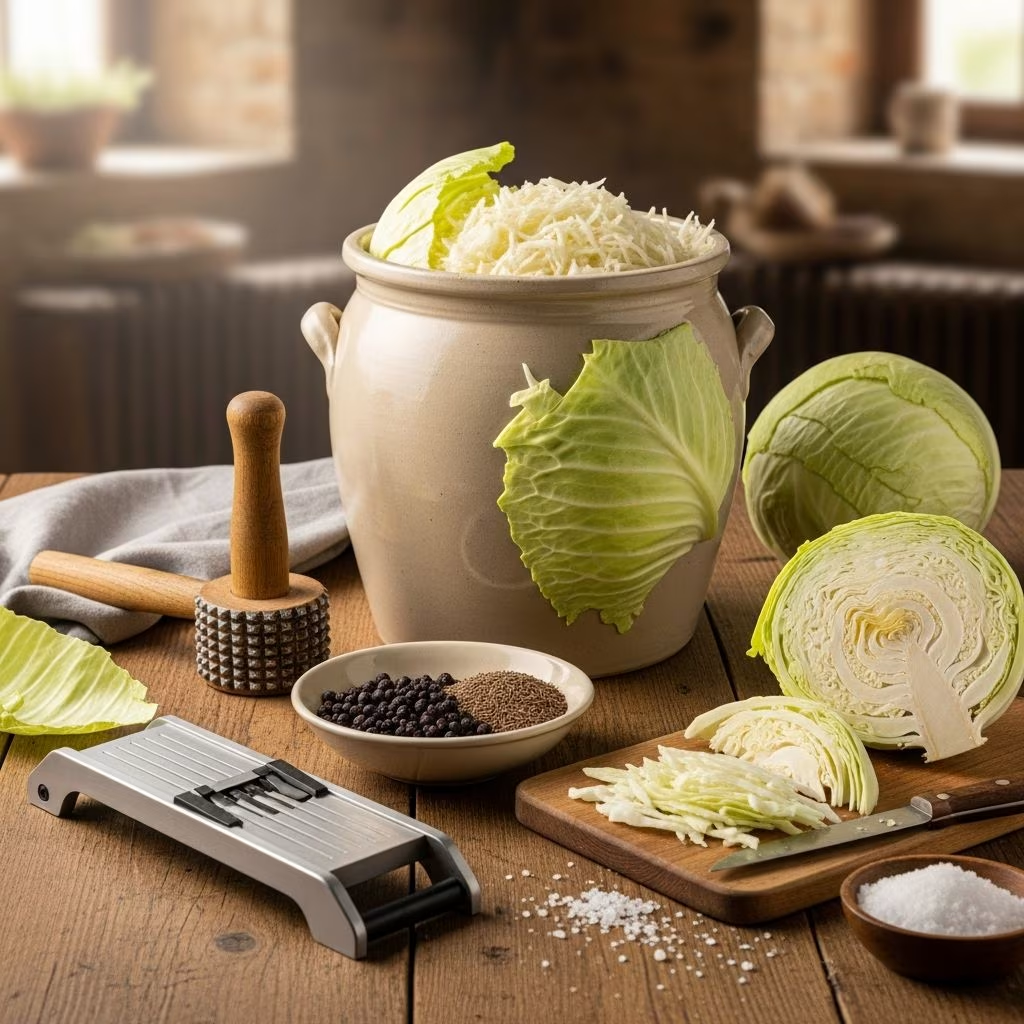
Bavarian sauerkraut begins with fermentation, a natural process where cabbage is salted and left to develop its signature sourness. This method preserves the vegetable while boosting its nutritional profile with live cultures that support gut health. Start with fresh green cabbage, finely shredded to release juices that form the brine.
- Select firm, unblemished cabbage heads for optimal texture.
- Use non-iodized salt to avoid inhibiting beneficial bacteria.
- Aim for a fermentation temperature between 65°F and 72°F for best results.
To prepare, shred about 2 pounds of cabbage and massage in 1-1.5 tablespoons of salt per pound. Pack tightly into a clean jar, ensuring the cabbage stays submerged under its own brine. Fermentation takes 1-4 weeks, depending on taste preference—taste weekly to monitor sourness. For a Bavarian twist, incorporate caraway seeds directly into the mix for an earthy, licorice-like note that aids digestion.
Key Ingredients That Define the Flavor
Authentic Bavarian preparations elevate basic sauerkraut through thoughtful additions. Common elements include smoky bacon for richness, sweet apples or brown sugar for balance, and broth for tenderizing.
| Ingredient | Role | Quantity (for 2 lbs kraut) |
|---|---|---|
| Bacon | Adds smokiness and fat | 4 slices, diced |
| Onion | Provides sweetness when caramelized | 1 large, sliced |
| Apple | Balances tartness with natural sugars | 1 medium, diced |
| Caraway seeds | Enhances digestion and flavor | 1-2 tbsp |
| Broth (beef or vegetable) | Tenderizes and infuses depth | 1 cup |
These components create harmony: the sour kraut contrasts with sweet and savory notes, making it irresistible alongside roasted meats.
Step-by-Step Cooking Guide
Cooking transforms fermented kraut into a warm, comforting dish. Rinse store-bought kraut lightly if too salty, then proceed.
- Render the bacon: In a large pot over medium heat, cook diced bacon until crisp. Remove pieces but reserve the fat for flavor base.
- Sauté aromatics: Add sliced onions to the bacon fat, cooking until golden and translucent, about 5 minutes. Stir in diced apple for 2-3 more minutes.
- Incorporate kraut: Dump in 2 pounds of drained sauerkraut, mixing thoroughly to coat with fats and juices.
- Season and simmer: Pour in broth, sprinkle caraway seeds, and add a touch of brown sugar or maple syrup (1-2 tsp). Cover and simmer on low for 30-45 minutes until tender and liquid reduces.
- Finish strong: Stir in crispy bacon, uncover, and cook 5-10 minutes more to evaporate excess moisture.
This yields soft, flavorful kraut ready for serving. Total time: about 1 hour.
Health Benefits and Nutritional Insights
Bavarian sauerkraut is more than taste—it’s a probiotic powerhouse. Fermentation produces lactobacillus bacteria that promote digestive health, improve immunity, and aid nutrient absorption. A serving provides vitamin C, K, and fiber, with low calories around 145 per cup when prepared traditionally.
- Gut support: Live cultures balance intestinal flora.
- Anti-inflammatory: Antioxidants from cabbage combat oxidative stress.
- Low-carb friendly: Ideal for keto or low-sugar diets.
Opt for unpasteurized kraut to retain probiotics; cooking reduces some benefits but enhances digestibility.
Pairing Perfection: Meats and Beyond
No Bavarian meal is complete without kraut. It shines with sausages like bratwurst or weisswurst, steamed directly on top during the final simmer. Pork knuckle, roast pork, or schnitzel find ideal contrast in its tang. For variety:
- Serve cold as a salad with vinegar dressing.
- Mix into casseroles or atop burgers.
- Pair with potatoes or rye bread for a hearty plate.
Vegetarian twist: Swap bacon for smoked oil or mushrooms.
Regional Variations Across Germany
While Bavarian style favors sweetness from apples and sugar, other regions differ. Northern versions are plainer, often just kraut and pork. Swabian recipes add wine for acidity. Experiment with juniper berries for a piney note or Riesling for sophistication. Homemade fermentation allows customization—add onions or honey during packing for unique profiles.
Troubleshooting Common Issues
Encounter mushy kraut? Over-ferment or overcook. Too sour? Balance with sugar or apples. Mold on top? Skim it off if surface-only; discard if pervasive. Store cooked kraut in fridge up to 5 days; fermented jars last months in cool conditions.
Advanced Techniques: Homemade from Scratch
For purists, ferment your own. Shred cabbage, salt heavily, and press into a crock. Weigh down with a plate; bubbles signal active fermentation. After 2 weeks, pack into jars submerged in brine. This yields fresher, customizable kraut superior to canned.
Pro tip: Use 2% salt by cabbage weight (20g per kg). Temperature control prevents off-flavors.
Seasonal and Festive Applications
Bavarian sauerkraut stars at Oktoberfest, piled high with pretzels and beer. Winter holidays pair it with gingerbread-spiced pork. Summer picnics welcome it chilled. Its versatility spans seasons.
Frequently Asked Questions (FAQs)
Can I use red cabbage for sauerkraut?
Yes, but green yields classic color and milder flavor. Red adds vibrancy but may stain.
Is store-bought sauerkraut healthy?
Pasteurized versions lose probiotics; choose refrigerated, live-culture jars.
How long does homemade sauerkraut last?
Refrigerated: 6 months. Canned (properly processed): 1 year.
Vegetarian substitutes for bacon?
Smoked paprika, liquid smoke, or coconut bacon mimic the essence.
Best spices beyond caraway?
Juniper berries, bay leaves, or allspice for authentic twists.
Storage and Make-Ahead Tips
Cooked sauerkraut reheats beautifully; freeze portions up to 3 months. Fermenting batches ahead saves time for weeknight meals.
References
- How to prepare the perfect Bavarian Sauerkraut — Angiesweb. Accessed 2026. https://angiesweb.com/sauerkraut-the-bavarian-way/
- Authentic German Sauerkraut Recipe — Our Gabled Home. Accessed 2026. https://ourgabledhome.com/authentic-german-sauerkraut-recipe/
- Bavarian Style Sauerkraut — The Kitchen Maus. Accessed 2026. https://www.thekitchenmaus.com/german-sauerkraut/
- Bavarian Style Wine Sauerkraut — Roti n Rice. Accessed 2026. https://www.rotinrice.com/bavarian-style-wine-sauerkraut/
- EASY CLASSIC German style SAUERKRAUT — YouTube (Backyard Chef). Accessed 2026. https://www.youtube.com/watch?v=sAkz4OmbB1U