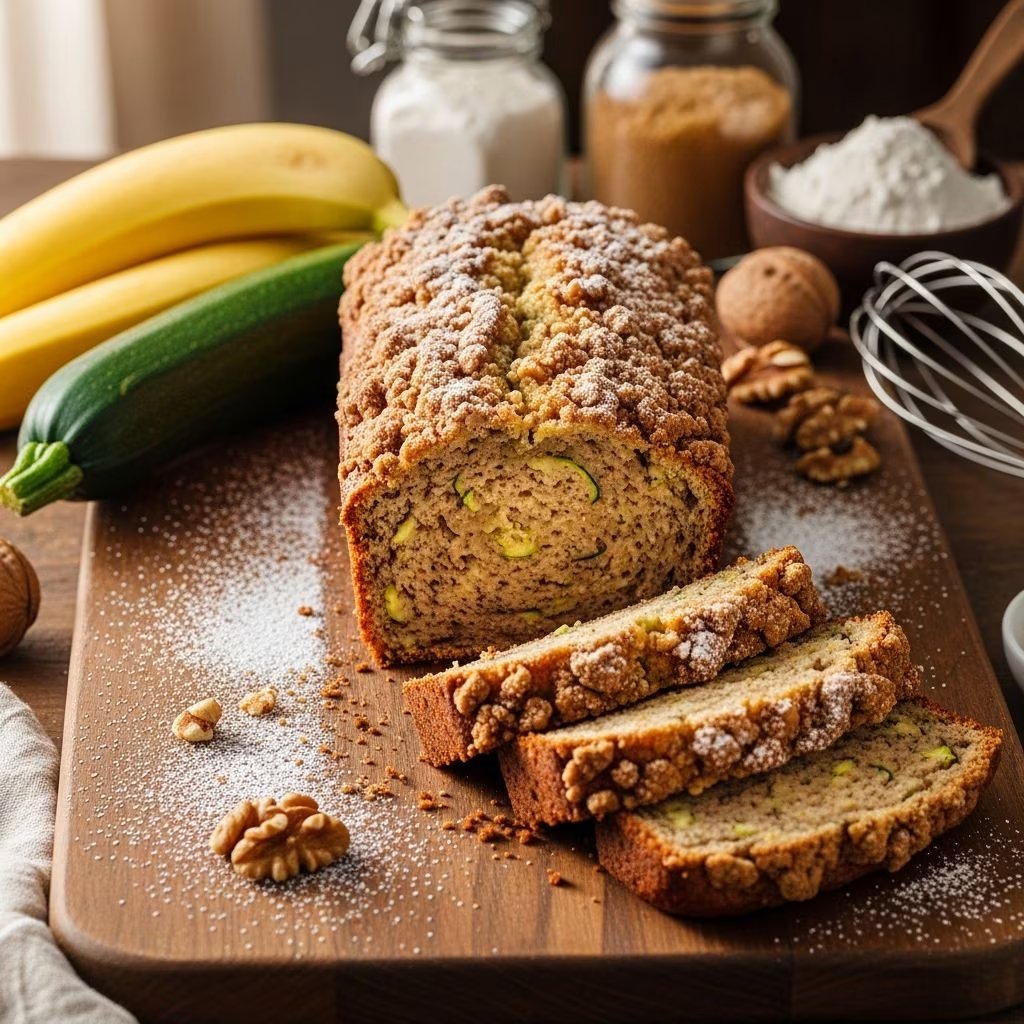
Banana zucchini bread represents a delightful fusion of two beloved quick bread traditions. By combining the natural sweetness and moisture of ripe bananas with the subtle earthiness and hydrating properties of shredded zucchini, bakers can create a remarkably tender loaf that remains moist for days. This hybrid approach offers the best characteristics of both classic breads while allowing creative variations to suit different dietary preferences and taste profiles.
Understanding Your Core Ingredients
The foundation of exceptional banana zucchini bread begins with understanding each key component and how it contributes to the final product’s texture, flavor, and moisture content.
Selecting and Preparing Bananas
Ripe bananas form the flavor backbone of this recipe. The ideal banana will display brown speckles across its yellow skin, indicating that starches have converted to sugars, creating maximum sweetness and natural moisture. Approximately two medium-sized ripe bananas yield one cup of mashed fruit, which serves as the standard measurement for most traditional recipes. When bananas reach this ripeness level, they mash easily with a fork and blend smoothly into the batter without requiring additional liquid. For bakers who find their bananas insufficiently ripe, a simple technique involves placing unpeeled bananas on a baking sheet and placing them in a preheating oven for approximately five minutes, which accelerates the ripening process and darkens the peel without cooking the flesh.
Zucchini Selection and Moisture Management
Fresh zucchini contributes both moisture and a delicate vegetable component that doesn’t dominate the flavor profile. Small to medium-sized zucchini work best, as larger specimens tend to contain excessive water and more pronounced seeds. Two small-to-medium zucchini typically yield approximately one and one-half to two cups of shredded vegetable. The critical step that many novice bakers overlook involves removing excess moisture from the grated zucchini. Using a clean kitchen towel, firmly squeeze the shredded zucchini to extract water that would otherwise dilute the batter and compromise texture. This moisture management step ensures a denser, more cohesive crumb structure rather than a watery or overly dense loaf.
Dry Ingredient Fundamentals
The dry ingredient composition provides structure, leavening, and subtle flavor enhancement. All-purpose flour serves as the primary structural component, with gluten-free flour offering a viable substitution for those with dietary restrictions. Baking soda and baking powder work synergistically to create lift and an open crumb structure. Ground cinnamon contributes warmth and complexity that enhances both the banana and zucchini flavors without overwhelming the palate. Kosher salt amplifies sweetness perception and balances the overall flavor profile.
Ingredient Ratios and Measurements
| Component | Typical Amount | Purpose |
|---|---|---|
| All-purpose flour | 1.75-2 cups | Structure and body |
| Ripe bananas, mashed | 1 cup | Moisture and sweetness |
| Shredded zucchini | 1.5-2 cups | Moisture and texture |
| Sugar | 0.5-0.75 cup | Sweetness and browning |
| Butter or oil | 0.5 cup | Richness and moisture |
| Eggs | 1-2 large | Binding and structure |
| Baking soda | 1 teaspoon | Leavening |
| Baking powder | 1 teaspoon | Lift and rise |
| Ground cinnamon | 1-2 teaspoons | Flavor enhancement |
| Kosher salt | 0.25-0.5 teaspoon | Flavor balance |
Equipment and Pan Preparation
Success in quick bread baking depends partly on using appropriate equipment. A standard 9×5-inch metal loaf pan provides the correct dimensions for proper heat distribution and even baking. Metal pans conduct heat more efficiently than glass alternatives, promoting even browning and consistent texture throughout the loaf. Before adding batter, thoroughly prepare the pan by spraying with nonstick cooking spray or coating with butter, then lining with parchment paper. This dual-preparation method ensures complete prevention of sticking while allowing easy removal of the finished loaf from the pan.
A box grater or food processor efficiently shreds zucchini into uniform pieces that integrate smoothly into the batter. A rubber spatula proves invaluable for scraping down bowl sides and folding ingredients gently without overmixing, which would develop gluten and create a tough, dense crumb. For optimal results, use a wire rack for cooling, which allows air circulation underneath the loaf and prevents the bottom from becoming soggy as moisture evaporates.
The Mixing Method: Building Texture Through Technique
The approach to combining ingredients significantly impacts the final bread’s texture. Most successful recipes employ a modified reverse-creaming or separate wet-and-dry method that prevents overdevelopment of gluten, which would result in toughness.
Dry Ingredient Assembly
Begin by whisking together flour, baking soda, baking powder, cinnamon, and salt in a dedicated bowl. This preliminary combination ensures even distribution of leavening agents and spices throughout the flour, which prevents pockets of concentrated leavening that might create an uneven crumb or bitter flavor. Whisk for approximately thirty seconds to one minute to accomplish thorough integration.
Wet Ingredient Combination
In a separate bowl, combine mashed bananas, melted butter or oil, sugar, and any eggs called for in your specific recipe. If using eggs, beat them into the wet mixture until the combination achieves a relatively uniform appearance. Some bakers prefer incorporating the grated zucchini at this stage, while others reserve it for folding in after combining wet and dry components. Either approach yields acceptable results, though folding in zucchini last minimizes any additional moisture extraction.
The Critical Folding Step
Pour the wet ingredients into the dry ingredients and use a rubber spatula to fold gently until just combined. Avoid vigorous stirring or beating, which develops gluten strands and creates a tough, dense structure. The batter should appear slightly streaky with visible flour, and this undermixing is intentional and desirable. Overmixing represents the most common cause of dense, tough banana zucchini bread that disappoints after baking.
Baking Temperatures and Times
Most traditional banana zucchini bread recipes specify an oven temperature of 350°F (175°C), though some variations bake at slightly higher temperatures. At this temperature, the loaf typically requires forty-five to eighty minutes for complete baking, depending on oven characteristics, ingredient ratios, and moisture content. The wide range reflects differences in individual ovens, pan materials, and batter composition.
Test for doneness using the traditional toothpick method: insert a wooden toothpick into the center of the loaf. If it emerges with just a few moist crumbs clinging to it, the bread has reached the ideal doneness point. If the toothpick comes out wet with batter, the bread requires additional baking time. If it emerges completely clean and dry, the bread may be slightly overbaked, though this often doesn’t substantially impact flavor or texture.
If the loaf’s exterior begins darkening excessively before the interior finishes baking, create a loose tent with aluminum foil placed over the top. This reduces direct heat exposure to the surface while allowing continued gentle baking of the interior.
Creative Variations and Additions
Once comfortable with the basic preparation, bakers can explore numerous variations that expand flavor possibilities and accommodate dietary preferences.
Chocolate Integration
Chocolate chips folded into the batter just before pouring into the pan create pleasant texture contrast and complementary sweetness. Semi-sweet, dark, or milk chocolate chips all work effectively, with quantities ranging from one-half cup to one full cup depending on desired chocolate intensity.
Nutty Additions
Walnuts, pecans, or chopped almonds contribute textural interest and additional nutrition. Toast nuts lightly before adding to intensify their flavor. Approximately one-half to three-quarters cup of chopped nuts integrates well without overwhelming the banana-zucchini flavor profile.
Oil Substitutions
While butter provides traditional richness, olive oil or coconut oil offer alternative fat sources that alter flavor subtly. Extra virgin olive oil imparts a slightly fruity note, while coconut oil adds delicate coconut undertones. These substitutions work particularly well in recipes emphasizing health-conscious baking.
Sweetener Alternatives
Honey, maple syrup, or brown sugar can replace granulated white sugar in varying proportions. These alternatives affect moisture content and browning characteristics, requiring slight recipe adjustments. Honey and maple syrup increase liquid content while creating a more tender crumb and deeper browning.
Storage and Longevity
Properly stored banana zucchini bread maintains excellent quality for three to five days at room temperature when wrapped tightly in plastic wrap or stored in an airtight container. The high moisture content from both bananas and zucchini contributes to extended shelf life compared to drier quick breads. For extended storage, wrap cooled loaves in plastic wrap and aluminum foil before freezing, where they maintain quality for up to three months. Thaw at room temperature before serving.
Troubleshooting Common Baking Challenges
Dense, heavy crumb texture typically results from overmixing the batter or using insufficient leavening agents. Ensure you whisk dry ingredients thoroughly before combining and fold gently during the final mixing step. Dry, crumbly results often indicate overbaking or excessive flour measurement. Using a scale for flour measurement improves accuracy compared to cup measurements, which can vary significantly based on packing and technique. Sunken centers suggest oven temperature inaccuracy or underbaking. Use an oven thermometer to verify actual temperature, as many home ovens run hot or cool. Excessively moist interiors despite adequate baking time might indicate insufficient zucchini squeezing or excessive oil usage.
Frequently Asked Questions
Can I make this recipe with frozen bananas?
Yes, frozen and thawed bananas work effectively, though they tend to be softer and wetter than fresh ripe bananas. Thaw completely and drain excess liquid before measuring and mashing. You may need to reduce other liquid components slightly to compensate for the additional moisture.
Is gluten-free flour a suitable substitute?
Gluten-free flour blends designed for baking work well in this recipe. Follow the package instructions for flour measurement adjustments, as gluten-free blends often require slightly different proportions than all-purpose flour. Some bakers find that gluten-free variations benefit from slightly increased baking time.
How should I slice the cooled loaf?
Use a serrated bread knife and slice only the portions you plan to eat immediately. Pre-sliced loaves tend to dry out faster as the increased surface area exposed to air accelerates moisture loss. Whole loaves maintain quality significantly longer when wrapped tightly between slicing sessions.
Can I add other vegetables to this recipe?
Carrots, sweet potato, or pumpkin can partially replace zucchini in measured amounts, though this alters flavor profile and requires adjustments to moisture compensation. Experiment with small substitutions in test batches before making complete ingredient changes.
References
- This Delicious House – Zucchini Banana Bread Recipe — This Delicious House. https://thisdelicioushouse.com/zucchini-banana-bread/
- I Am Baker – Banana Zucchini Bread — I Am Baker. https://iambaker.net/banana-zucchini-bread/
- Oh Sweet Basil – Banana Zucchini Bread Recipe — Oh Sweet Basil. https://ohsweetbasil.com/banana-zucchini-bread-recipe/
- Fit Mitten Kitchen – Whole Grain Banana Zucchini Bread — Fit Mitten Kitchen. https://www.fitmittenkitchen.com/whole-grain-banana-zucchini-bread/
- Half Baked Harvest – Chocolate Chip Olive Oil Zucchini Banana Bread — Half Baked Harvest. https://www.halfbakedharvest.com/chocolate-chip-olive-oil-zucchini-banana-bread/