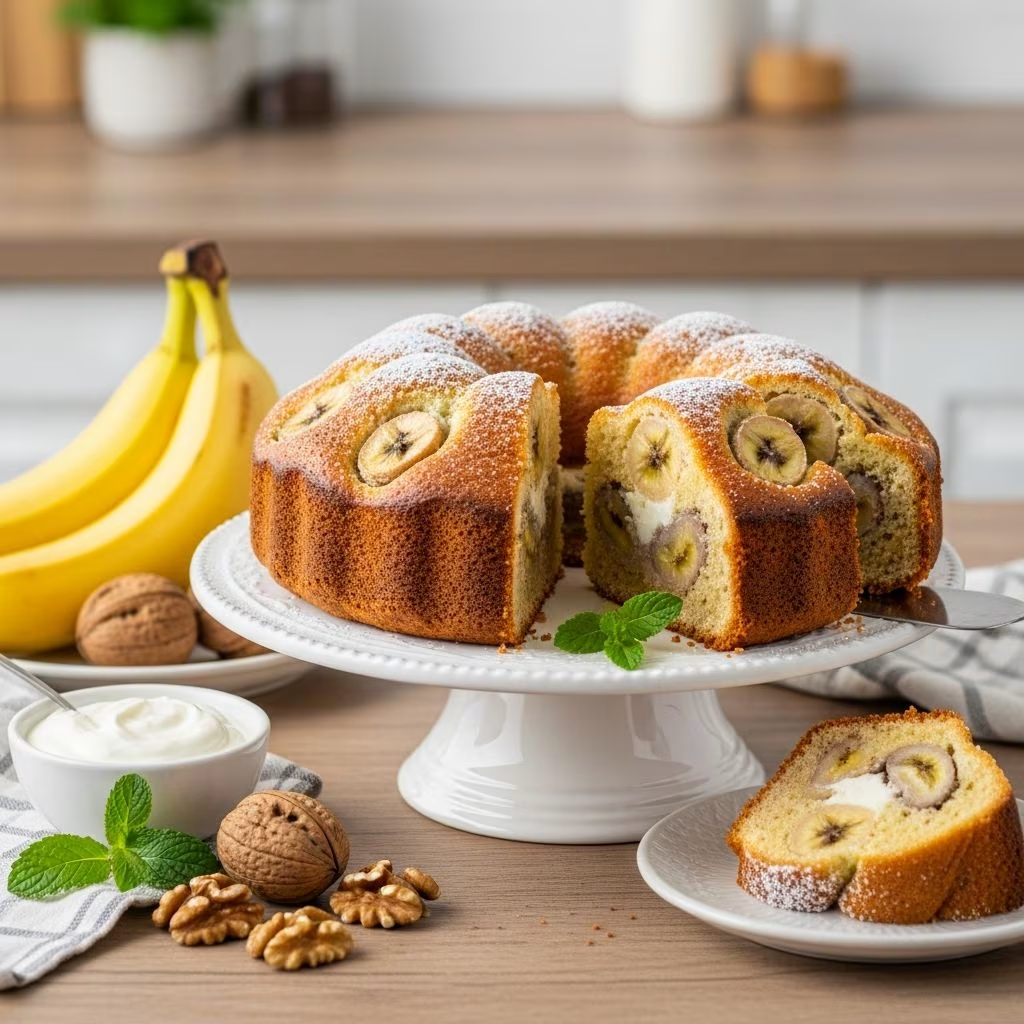
Baking a banana yogurt cake represents one of the most approachable dessert projects for both novice and experienced bakers. The combination of overripe bananas and yogurt creates a naturally moist crumb while adding nutritional value through protein content. This guide explores various approaches to crafting this beloved treat, from traditional methods to modern simplified versions.
Understanding Your Ingredient Foundation
The success of any banana yogurt cake begins with selecting quality ingredients that work harmoniously together. Each component serves a specific purpose in creating the final texture and flavor profile.
The Role of Bananas in Your Cake
Bananas function as both a flavoring agent and a structural component in yogurt cakes. Very ripe or overripe bananas with darkly speckled skin provide maximum sweetness and moisture. The natural sugars in overripe bananas have concentrated, intensifying their ability to sweeten the cake without requiring excessive amounts of granulated sugar. When mashed thoroughly, bananas break down into a smooth paste that distributes evenly throughout the batter, ensuring consistent flavor in every slice.
For recipes without added sugar, the banana selection becomes critically important. Overripe bananas deliver sufficient sweetness to create a palatable dessert, while less mature fruit may result in an undersweetened product. A practical hack involves placing underripe bananas in a 350°F oven for approximately ten minutes, allowing them to soften and darken, mimicking the natural ripening process and enhancing their sugar content.
Yogurt as a Moisture and Protein Provider
Yogurt fundamentally changes the characteristics of a traditional banana cake. Plain Greek yogurt or vanilla-flavored varieties add tanginess that balances sweetness while contributing substantial protein content. The acidic nature of yogurt also reacts with baking soda, creating lift and airiness in the finished product. Additionally, yogurt’s moisture content reduces the need for excessive oil or butter, producing a cake that stays fresh longer without becoming dry.
The choice between plain and flavored yogurt affects the overall taste profile. Plain Greek yogurt delivers a subtle tang that allows banana flavors to dominate, while vanilla-flavored options contribute additional sweetness and aromatic qualities. Both approaches produce excellent results depending on personal preference and dietary considerations.
Flour Selection and Dry Components
Traditional banana yogurt cakes utilize all-purpose flour as the primary dry ingredient, though white whole wheat flour offers nutritional advantages without dramatically altering the final texture. The combination of baking powder and baking soda creates an optimal leavening environment. Baking soda reacts with the acidic yogurt to produce carbon dioxide, while baking powder provides additional rise during baking.
Cinnamon appears consistently across banana yogurt cake recipes, contributing warm spice notes that complement banana’s natural sweetness. Salt enhances flavors and balances sweetness, while some recipes incorporate cornstarch in flour-free versions, creating structure without gluten.
Recipe Variations and Approaches
Multiple methods exist for creating banana yogurt cakes, each offering distinct advantages based on available equipment and desired results.
The Traditional Mixed Method
This approach involves combining dry ingredients in one bowl and wet ingredients in another before bringing them together. Begin by whisking together flour, sugar, baking powder, baking soda, cinnamon, and salt in a large mixing bowl. In a separate container, whisk together yogurt, mashed bananas, eggs, oil, and vanilla extract until the mixture becomes smooth and well-incorporated.
Pour the wet mixture into the dry ingredients and fold gently until just combined. Overmixing at this stage develops gluten, potentially resulting in a dense, tough crumb. The batter should appear slightly lumpy with visible flour streaks remaining—this indicates proper mixing technique.
Transfer the batter to a prepared baking dish (typically an 8-by-8-inch square pan or 9-inch loaf pan) and bake at 375°F for twenty-five to thirty minutes, or until a toothpick inserted into the center emerges clean with minimal crumb adherence.
The Simplified No-Flour Approach
Modern health-conscious bakers have embraced minimal-ingredient cakes that eliminate flour, added sugar, and fat while maintaining satisfying results. This approach requires only four components: overripe bananas, Greek yogurt, eggs, and cornstarch. All ingredients combine in a blender or food processor, creating a smooth batter that transfers directly to a prepared cake pan.
Cooking method significantly impacts the final product’s appearance and texture. Air fryer preparation at 320°F for approximately twenty minutes produces a caramelized exterior and creamy interior similar to cheesecake. Conventional oven baking at similar temperatures requires forty-five to sixty minutes and produces a paler surface without caramelization. As the cake cools, it naturally deflates and develops slight wrinkles, particularly in oven-baked versions.
This variation produces a cake with minimal sweetness, relying entirely on banana’s natural sugars. The resulting texture differs significantly from traditional cakes, offering a denser, creamier consistency that appeals to those seeking alternatives to standard desserts.
The Enhanced Chocolate Variation
Some recipes incorporate chocolate chips and cocoa powder alongside bananas, creating a more complex flavor profile. Using a standard yogurt cake base, bakers add chocolate chips to the batter and dust the top with unsweetened cocoa powder before baking. This variation maintains the moisture benefits of yogurt while introducing rich chocolate notes that complement rather than overpower banana flavors.
Step-by-Step Baking Process
Following a systematic approach ensures consistent, successful results.
Preparation Phase
- Preheat your oven to the temperature specified in your chosen recipe, typically 350–375°F
- Prepare your baking vessel by greasing thoroughly with butter or cooking spray, or lining with parchment paper for easy removal
- Gather all ingredients to ensure nothing is forgotten during the mixing process
- Mash bananas thoroughly until few lumps remain, breaking them down into a uniform paste
Mixing Phase
- Combine all dry ingredients in a large mixing bowl, whisking to distribute leavening agents evenly
- In a separate bowl, mix wet ingredients until they form a cohesive, smooth mixture
- Pour wet ingredients into dry ingredients and fold gently using a spatula or wooden spoon
- Stop mixing as soon as dry streaks disappear; lumpy batter produces better texture than overmixed smooth batter
Baking Phase
- Transfer batter to prepared pan, smoothing the top gently
- Place in preheated oven on the middle rack for even heat distribution
- Bake until a toothpick inserted in the center emerges clean or with minimal moist crumbs
- Cool in the pan for ten to fifteen minutes before turning out onto a cooling rack
Ingredient Comparison Table
| Recipe Type | Key Ingredients | Baking Temperature | Baking Time | Texture Profile |
|---|---|---|---|---|
| Traditional with Whole Wheat Flour | 1.5 cups flour, 1/3 cup brown sugar, 1 cup yogurt, 2 bananas | 375°F | 25-30 minutes | Light, fluffy crumb |
| Greek Yogurt with All-Purpose Flour | 1 cup flour, ¾ cup sugar, 6 oz Greek yogurt, 1 cup mashed banana | 350°F | 35 minutes | Dense, moist crumb |
| No-Flour Minimalist Version | 2 bananas, 1 cup Greek yogurt, 2 eggs, 3 tbsp cornstarch | 320°F (air fryer) | 20 minutes | Creamy, cheesecake-like |
| No-Flour Oven Version | 2 bananas, 1 cup Greek yogurt, 2 eggs, 3 tbsp cornstarch | 350°F | 45-60 minutes | Creamy, pale surface |
Storage and Longevity
The yogurt content in banana cakes extends their shelf life significantly compared to traditional cakes. Properly stored banana yogurt cake remains fresh and moist for three to four days when kept in an airtight container at room temperature. For extended storage, wrap individual slices in plastic wrap and freeze for up to two months. Thaw slices at room temperature for thirty minutes before serving to restore optimal texture.
Customization Possibilities
The basic banana yogurt cake framework accommodates numerous variations without sacrificing structure or moisture.
Mix-In Options
- Chocolate chips contribute richness and sweetness
- Chopped nuts (walnuts, pecans, or almonds) add texture and nutritional value
- Shredded coconut introduces tropical notes
- Dried cranberries or blueberries provide tartness and color contrast
Topping Alternatives
- Cream cheese frosting creates a dessert-worthy presentation
- Simple glaze made from powdered sugar and milk adds sweetness without heaviness
- Browned butter glaze contributes nutty, sophisticated flavor
- Plain yogurt dollops serve as a light, refreshing topping
Troubleshooting Common Issues
Dense or Heavy Cake
Overmixing the batter represents the primary cause of dense crumb structure. Mix just until dry ingredients disappear, leaving visible lumps in the batter. Additionally, ensure baking soda and baking powder measurements are accurate, as insufficient leavening produces heavy results. Opening the oven door during baking allows heat to escape, potentially preventing proper rise.
Dry Cake
Overbaking is the leading cause of dry banana yogurt cake. Begin checking doneness at the minimum recommended time, as cooking times vary based on oven characteristics and baking pan material. Underbaking slightly is preferable to overbaking—the cake continues cooking slightly as it cools. If dryness occurs, serve with a yogurt-based sauce or frosting to restore moisture.
Gummy or Undercooked Center
This typically indicates insufficient baking time or oven temperature variations. Ensure your oven is properly preheated before inserting the batter. If your oven runs cool, consider increasing the temperature by 25°F. Use an oven thermometer to verify actual temperature rather than relying on the oven’s display.
Cake Sticking to Pan
Thorough panning preparation prevents sticking. Grease your pan generously, paying particular attention to corners, or line with parchment paper. Allow the cake to cool for ten to fifteen minutes in the pan before attempting removal, as warm cake is more fragile and prone to breaking.
Nutritional Considerations
Banana yogurt cakes offer nutritional advantages over traditional desserts. The yogurt provides substantial protein content, particularly when using Greek yogurt varieties. Bananas contribute potassium, dietary fiber, and B vitamins. By using whole wheat flour and limiting added sugar, bakers can create desserts that fit various dietary approaches without sacrificing satisfaction.
The protein content makes banana yogurt cake suitable for post-workout snacking, while the natural fruit sugars provide quick energy. These cakes bridge the gap between indulgent desserts and nutritionally conscious choices, making them appealing to diverse audiences.
Frequently Asked Questions
Can I use regular yogurt instead of Greek yogurt?
Yes, regular yogurt works adequately, though it contains more liquid than Greek yogurt. If substituting, reduce other liquid components slightly to maintain proper batter consistency, or drain regular yogurt through cheesecloth for several hours to concentrate it.
What if my bananas aren’t ripe enough?
Place underripe bananas in a 350°F oven for approximately ten minutes until they darken and soften. This accelerates ripening and concentrates sugars, producing results similar to naturally ripened bananas.
Can this cake be made dairy-free?
Substitute dairy yogurt with coconut yogurt or other plant-based alternatives. Ensure the substitute contains similar moisture content to maintain proper cake consistency.
Is this cake suitable for freezing?
Absolutely. Wrap cooled cake slices individually in plastic wrap and freeze for up to two months. Thaw at room temperature before serving.
Can I reduce the sugar content?
Yes, reducing sugar by up to 25% typically produces acceptable results without significantly compromising texture. Reducing beyond this may result in insufficient sweetness and altered structure.
References
- Banana Yogurt Cake Recipe — Weelicious. Accessed 2026. https://weelicious.com/banana-yogurt-cake-recipe/
- Browned Butter Glaze Soaked-Greek Yogurt Banana Cake — Averie Cooks. Accessed 2026. https://www.averiecooks.com/browned-butter-glaze-soaked-greek-yogurt-banana-cake/
- Greek Yogurt Banana Bread Recipe — Just a Taste. Accessed 2026. https://www.justataste.com/greek-yogurt-banana-bread-recipe/
- 4 Ingredient Healthy Banana Yogurt Cake — Kirbie’s Cravings. Accessed 2026. https://kirbiecravings.com/4-ingredient-healthy-banana-yogurt-cake/
- Delicious Banana Yogurt Cake with Chocolate Chips — Yann Lefebvre. Accessed 2026. https://yannlefebvre.com/pastry/yogurt-cake-recipe/