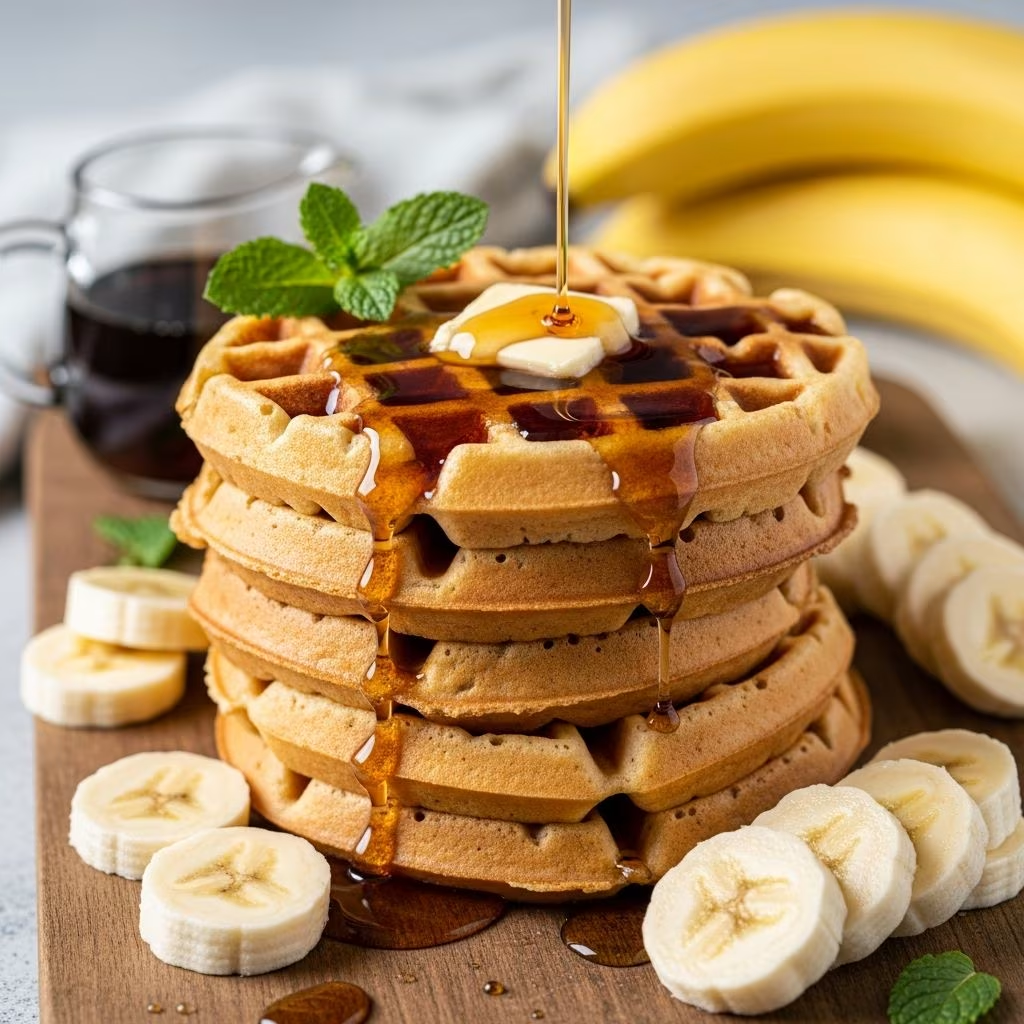
There’s something uniquely comforting about waking up to warm waffles that smell of caramelized bananas and warm spices. Banana waffles represent one of the most versatile breakfast options available today—they’re simple enough for weekday mornings yet elegant enough to serve when you have guests. The natural sweetness of ripe bananas means you can reduce added sugar, while the fruit itself adds moisture and structure to create waffles that are simultaneously crispy on the exterior and tender within.
This breakfast staple has gained popularity in households across the globe for several important reasons. Unlike traditional waffles that can feel heavy or require significant preparation time, banana-infused versions come together in approximately fifteen minutes from start to finish. The recipe accommodates various dietary preferences and can be adapted with different milk options or oil choices. Whether you’re feeding a family of four or preparing breakfast for one, the fundamentals remain accessible and forgiving.
Understanding the Foundation: Key Ingredients Explained
Creating exceptional banana waffles begins with understanding each ingredient’s role in the final product. The combination of dry and wet components works synergistically to produce the desired texture and flavor profile.
Flour: The Structure Provider
All-purpose flour serves as the backbone of your waffle batter, typically ranging from 1.5 to 2.25 cups depending on your recipe variation. This ingredient provides the structural foundation that allows your waffles to hold together while cooking. The protein content in all-purpose flour contributes to the slight crispness on the waffle’s exterior. However, the quantity matters significantly—too much flour results in dense, cake-like waffles, while insufficient flour may cause the batter to be overly thin and produce waffles that lack structural integrity. Sifting your flour before measurement helps eliminate compaction and ensures consistent results across batches.
Bananas: The Star Ingredient
Bananas are far more than a flavoring agent in this recipe; they fundamentally transform the waffle’s character. Two to three large bananas, properly mashed, contribute natural sugars that create a subtle sweetness without the need for excessive added sugar. The fruit’s pectin content aids in binding ingredients together, while its moisture content creates a tender crumb structure. The ripeness of your bananas matters considerably—bananas with visible brown speckles provide optimal sugar content and easier mashing compared to yellow bananas. Avoid overripe bananas that have turned predominantly brown, as they can introduce too much liquid and compromise texture.
Leavening Agents: Creating Lift
Baking powder, the primary leavening agent, typically appears at one to four teaspoons in various recipes. This ingredient creates the carbon dioxide bubbles that produce the characteristic light, airy texture. Some recipes incorporate baking soda as a secondary leavening agent, which becomes active in acidic environments created by buttermilk when used instead of regular milk. The balance between these two agents determines whether your waffles lean toward dense and cake-like or remain delightfully fluffy.
Wet Ingredients: Moisture and Binding
Eggs, milk, and melted butter combine to create a cohesive batter while contributing to the waffle’s texture profile. Eggs provide structure and richness, while milk—whether traditional whole milk, plant-based varieties, or buttermilk—adjusts moisture levels and can affect browning through its protein and sugar content. Melted butter adds richness and contributes to the golden-brown exterior through the Maillard reaction. Some recipes substitute oil for butter, which creates a lighter texture and higher cooking temperature threshold.
Spice Components: Depth and Warmth
Ground cinnamon and nutmeg represent the aromatic elements that complement banana’s natural sweetness. These spices add complexity without overwhelming the fruit’s flavor. A small pinch of salt balances the sweetness and enhances all other flavors through chemical interaction with taste receptors.
Step-by-Step Preparation Process
Preparing Your Equipment
Success begins before mixing any ingredients. Preheat your waffle iron to medium-high heat, allowing it to reach optimal temperature for cooking. This step typically takes five to seven minutes. Preheating ensures even cooking and helps develop that desirable golden-brown exterior. Some waffle irons feature indicator lights that show when they’ve reached proper temperature; others require a trial-and-error approach with your first waffle.
Combining Dry Ingredients
In a large mixing bowl, combine flour, sugar, baking powder, salt, and spices. Whisk these components thoroughly for one to two minutes, ensuring even distribution of leavening agents and spices throughout the flour. This step prevents pockets of undiluted baking powder or concentrated spice flavors in finished waffles. The mixing method matters—whisking incorporates air and prevents lumps from forming.
Preparing the Wet Component
In a separate medium bowl, mash bananas until they reach a smooth consistency with minimal lumps. Some cooks prefer slightly textured banana pieces for visual appeal, while others aim for complete smoothness. Add eggs and milk to the mashed bananas, whisking vigorously until thoroughly combined. This step ensures eggs are fully incorporated and distributed evenly. Add vanilla extract and any melted butter, whisking once more. The wet mixture should appear homogeneous and smooth.
Combining Components with Precision
This represents the most critical step in waffle preparation. Pour the wet ingredients into the center of your dry ingredient mixture. Using a spatula or gentle folding motion, combine the components until just incorporated. This moment determines whether your waffles will be fluffy or dense. Overmixing develops gluten strands that create a tough, chewy texture similar to bread rather than the tender crumb desired in waffles. Aim for a slightly lumpy batter with some visible streaks of flour remaining—this indicates proper mixing. The batter may appear thicker than typical pancake batter, and this thickness contributes to the waffle’s structural integrity.
Cooking Your Waffles
Pour approximately one-quarter cup of batter onto your preheated, lightly greased waffle iron. Close the lid and allow cooking until the exterior turns golden brown and steam production slows considerably—typically three to five minutes. Resist the urge to open the waffle iron frequently, as this releases steam and may cause waffles to stick or cook unevenly. When ready, waffles should release easily from the iron. Transfer cooked waffles to a plate and serve immediately or keep warm in a 200-degree Fahrenheit oven while preparing remaining batches.
Achieving the Perfect Texture Balance
| Texture Characteristic | Desired Quality | Common Issues |
|---|---|---|
| Exterior | Golden brown and crispy | Pale or too dark indicates temperature adjustment needed |
| Interior | Light, airy, and fluffy | Dense texture suggests overmixing or insufficient leavening |
| Moisture Level | Moist but not soggy | Overly wet suggests too much banana; dry suggests insufficient milk |
The distinction between adequate mixing and overmixing determines your final product’s success. When you combine wet and dry ingredients, you activate gluten development. Excessive mixing develops these gluten networks excessively, resulting in waffles with a dense, chewy crumb rather than the light, tender structure you seek. The key involves combining ingredients just until no visible dry streaks remain—typically requiring only thirty seconds to one minute of gentle folding.
Temperature control significantly impacts texture as well. A waffle iron that’s too cool won’t develop the crispy exterior, while one that’s too hot may brown the exterior before the interior cooks through. Most waffle irons perform optimally at medium-high settings. If your first waffle appears too pale, increase the heat slightly; if it browns too quickly, decrease slightly.
Ingredient Ratio Variations for Different Preferences
While the classic ratio serves four people with approximately eight to twelve waffles, numerous adjustments accommodate different dietary needs and preferences.
- For increased banana flavor: Substitute up to 1.25 cups of mashed banana while reducing milk proportionally to maintain proper batter consistency
- For dairy-free options: Replace milk with almond milk, oat milk, or coconut milk in equal proportions; use dairy-free butter or flavorless oil
- For enhanced nutrition: Substitute half the all-purpose flour with whole wheat flour, though this creates slightly denser waffles
- For richer flavor: Replace some milk with buttermilk and add an additional quarter teaspoon of baking soda
- For lower-sugar versions: Reduce added sugar to one teaspoon and ensure bananas are ripe for natural sweetness
Batter Storage and Make-Ahead Options
Banana waffle batter exhibits interesting properties when stored. At room temperature, the batter can rest for fifteen to thirty minutes before cooking, during which time the batter thickens slightly and carbon dioxide bubbles from the leavening agents develop. This resting period often produces fluffier waffles. For longer storage, transfer batter to an airtight container and refrigerate for up to twelve hours. The cold temperature slows chemical reactions and prevents the batter from becoming overly thick. When ready to cook, allow the batter to reach room temperature for approximately ten minutes before using, as cold batter produces less fluffy waffles and cooks less evenly.
Some cooks prepare dry ingredients the night before, storing them in an airtight container with the wet ingredients added only on the morning of cooking. This approach accommodates busy schedules while ensuring maximum freshness and texture in the finished product.
Serving Suggestions and Complement Pairings
While banana waffles taste delicious on their own, thoughtful topping selections elevate the breakfast experience significantly. Classic maple syrup provides familiar sweetness, while butter melting into warm waffles creates richness. Whipped cream adds elegance and lightness, particularly appealing for weekend mornings or special occasions. Fresh berries introduce tartness and nutritional value, complementing the sweetness of bananas and waffles. Yogurt offers creamy texture and probiotic benefits. Honey drizzles add liquid sweetness and sophistication. Nutella or chocolate sauce transforms the waffles into a dessert-like experience suitable for brunches or special treats.
More nutritionally-focused accompaniments include fresh fruit salads, granola for textural contrast, or nuts like pecans and walnuts for added protein and healthy fats. Some households enjoy breakfast meats like bacon or sausage alongside waffles, creating a balanced meal combining proteins and carbohydrates.
Troubleshooting Common Challenges
Waffles Sticking to the Iron
Inadequate iron seasoning or insufficient greasing causes this frustration. Spray your waffle iron with cooking spray immediately before pouring batter, allowing the oil to coat the cooking surface evenly. If sticking persists, verify that your waffle iron has adequate non-stick coating—older irons may require replacement.
Pale or Unevenly Cooked Waffles
This typically indicates an inadequately preheated waffle iron or uneven heating. Allow your iron more time to reach proper temperature, and verify the temperature setting isn’t too low. If heating remains uneven despite proper settings, the appliance may require service or replacement.
Dense or Heavy Waffles
Overmixing stands as the primary culprit. Remember that lumpy batter produces superior waffles. Additionally, verify that your baking powder isn’t expired—old leavening agents lose effectiveness over time. Excessive flour also contributes to density; measure flour by spooning into a measuring cup rather than scooping directly from the bag, which compacts the flour.
Overly Wet or Soggy Waffles
Too much mashed banana or excessive milk creates this texture issue. Ensure you’re measuring milk accurately using a liquid measuring cup. Use bananas that are ripe but not overripe, as overripe bananas contain excessive moisture. If the problem persists, reduce banana quantity by one-quarter cup and increase flour by one-quarter cup.
Frequently Asked Questions
Can I make banana waffle batter in advance?
Yes, batter stores refrigerated for up to twelve hours. Room-temperature resting for fifteen to thirty minutes before cooking often produces superior results compared to using cold batter directly from the refrigerator.
Are frozen bananas acceptable for this recipe?
Frozen bananas work well—thaw them completely, drain excess liquid, and mash before using. However, frozen bananas often contain more water than fresh bananas, potentially requiring slight flour adjustments.
Can I freeze cooked waffles?
Absolutely. Cool waffles completely, stack with parchment paper between each waffle, and freeze in an airtight container for up to three months. Reheat directly in your toaster or toaster oven for crispy results.
What’s the difference between banana waffles and banana pancakes?
Waffles contain slightly less liquid relative to flour, creating a sturdier structure that benefits from the waffle iron’s pressure. Pancakes use proportionally more liquid, producing a softer, cake-like texture when cooked on a griddle.
How can I make these waffles gluten-free?
Substitute one-to-one gluten-free flour blend for regular all-purpose flour. Add one-quarter teaspoon xanthan gum if your blend doesn’t contain it, as this ingredient provides structure that gluten normally provides.
References
- All-Purpose Flour Composition and Baking Properties — King Arthur Baking Company. 2024. https://www.kingarthurbaking.com/learn/ingredient-spotlight/all-purpose-flour
- Banana Ripeness and Nutritional Content Guide — U.S. Department of Agriculture. 2023. https://www.usda.gov/fnic/foodcomp
- Leavening Agents in Baking: Baking Powder and Baking Soda — American Chemical Society. 2024. https://www.acs.org
- Gluten Development and Mixing in Baked Goods — Food Science Department, University of Massachusetts. 2023. https://www.umass.edu
- Maillard Reaction in Cooking and Browning — International Association of Culinary Professionals. 2024. https://www.iacp.com