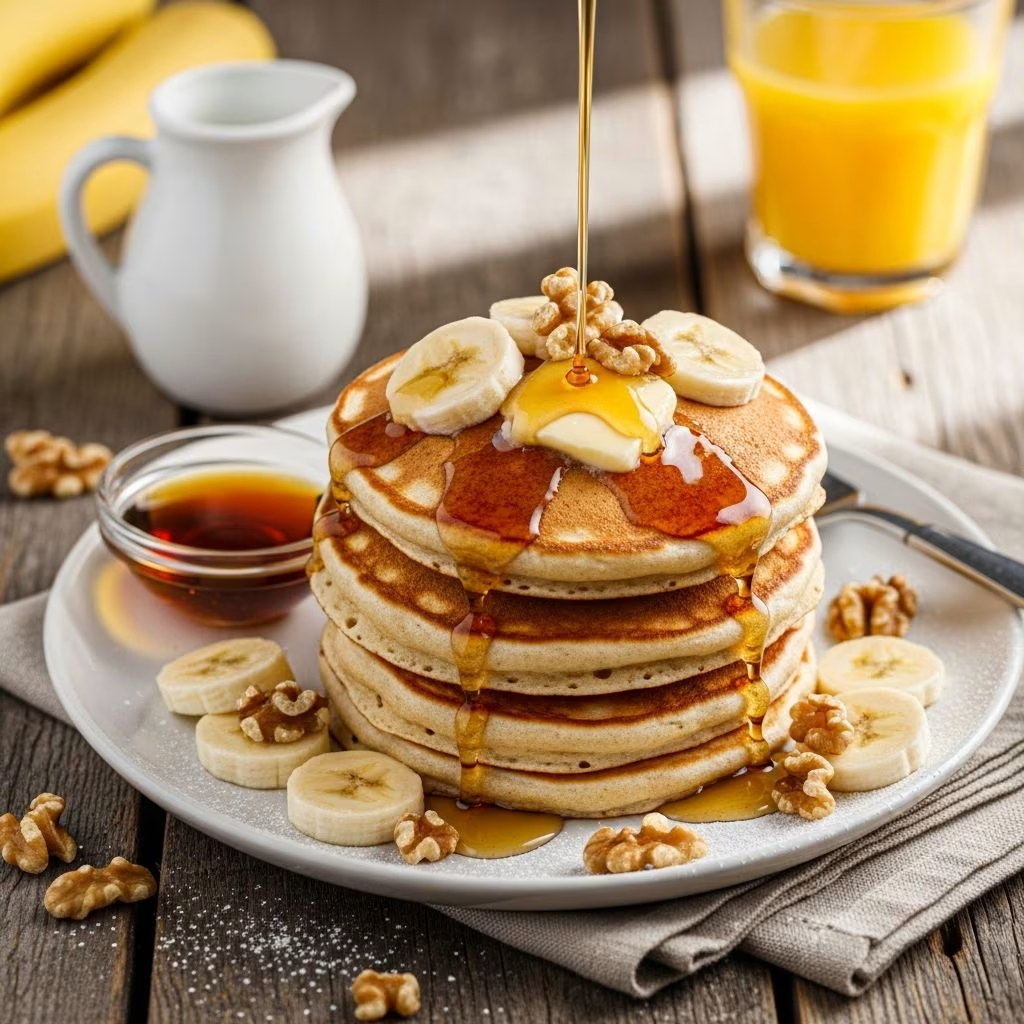
Transform your morning routine with homemade banana nut pancakes that deliver the comfort of banana bread in a light, fluffy pancake form. This breakfast favorite combines simple pantry staples with ripe bananas and crunchy nuts to create a satisfying meal that appeals to both children and adults. Whether you’re preparing breakfast for a special occasion or a casual weekday morning, understanding the fundamentals of pancake preparation will help you achieve consistent, delicious results every time.
Understanding Your Ingredients
Success in pancake-making begins with selecting quality ingredients and understanding their specific roles in your batter. Each component contributes to the final texture, flavor, and appearance of your pancakes.
The Flour Foundation
All-purpose flour serves as the backbone of your pancake structure. This type of flour contains moderate protein levels that create the ideal balance between density and lightness. When selecting flour, opt for fresh products stored in cool, dry conditions, as flour can absorb moisture and lose its leavening properties over time. Some recipes incorporate whole wheat flour for added nutritional benefits and a nuttier flavor profile. Whole wheat flour adds fiber and protein but may require slight adjustments to liquid ratios since it absorbs more moisture than all-purpose varieties.
Leavening Agents and Their Function
Baking powder and baking soda are critical for achieving that signature fluffy texture. Baking powder, typically double-acting, releases carbon dioxide twice—once when mixed with wet ingredients and again when exposed to heat. This dual action creates the bubbles that give pancakes their light, airy crumb. Baking soda works differently, requiring an acidic ingredient to activate. The proportion of these leavening agents matters significantly; too much can result in pancakes that rise dramatically then collapse, while too little produces dense, flat results. Standard recipes typically call for approximately 2 to 3.5 teaspoons of baking powder per 1.5 cups of flour.
Selecting Ripe Bananas
The ripeness of your bananas dramatically influences both sweetness and texture. Ripe bananas with yellow skin and brown speckles provide natural sweetness and mash easily into smooth puree. Overripe bananas with predominantly brown skin offer intense flavor and require less mashing effort. Underripe bananas, still primarily green, are starchy and difficult to incorporate smoothly into batter. Plan ahead by selecting bananas a few days before baking if they’re not yet at optimal ripeness. A single large banana yields approximately three-quarters cup of mashed fruit, though recipes may call for up to two bananas for deeper banana flavor.
Nuts for Texture and Flavor
Walnuts and pecans are the traditional choices for banana nut pancakes, each offering distinct characteristics. Walnuts provide an earthy, slightly bitter flavor that complements banana’s sweetness. Pecans offer a buttery, milder taste. Chopping nuts finely ensures they warm and soften during cooking, distributing their flavor throughout each pancake rather than remaining hard nuggets. Some cooks prefer toasting nuts lightly before chopping to intensify their flavor profile. Alternatives include chopped almonds, macadamia nuts, or even crushed granola for variations on the classic preparation.
Liquid Components
Milk serves as the primary liquid, with flexibility in type. Whole milk creates richer pancakes, while lower-fat options produce lighter results. Non-dairy alternatives like almond milk or oat milk work equally well. Some recipes incorporate buttermilk for its tangy flavor and acidic properties that enhance browning. If buttermilk isn’t available, create a substitute by adding lemon juice or vinegar to regular milk and allowing it to sit for several minutes before use.
Preparation Techniques for Success
Organizing Your Ingredients
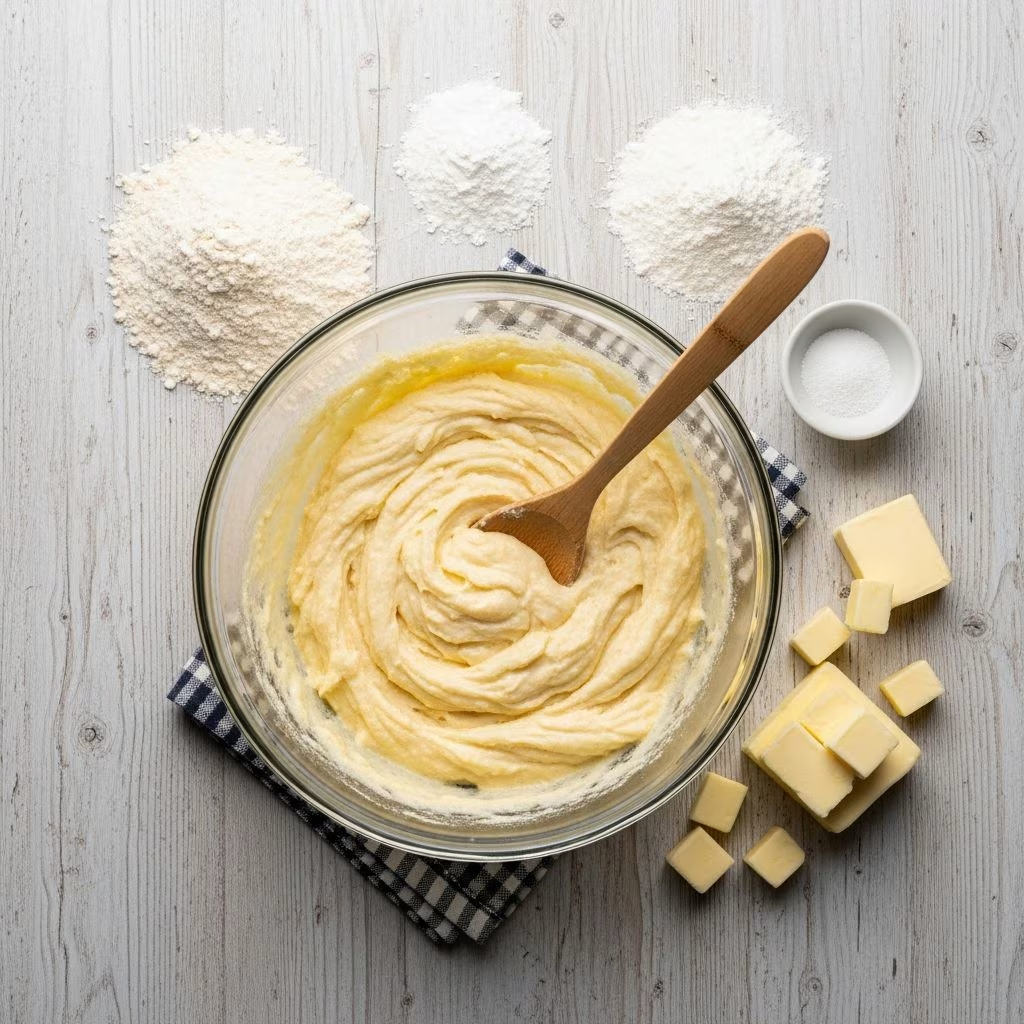
Before mixing, gather all ingredients and measure them precisely. Dry ingredients should be combined in a separate small bowl and whisked together thoroughly. This ensures even distribution of baking powder and salt, preventing pockets of leavening agent that can create uneven cooking. Breaking eggs before adding them to the wet mixture helps them incorporate smoothly without creating unpleasant texture variations.
The Mashing Process
Mash bananas in a dedicated bowl using a fork, working until the texture becomes as smooth as possible. Small visible specks are acceptable and actually contribute to the pancakes’ rustic appeal, but large chunks should be broken down. Some cooks prefer processing bananas with other wet ingredients using a blender or food processor for ultra-smooth results, though this isn’t necessary for satisfactory pancakes.
Mixing Methodology
Combining wet and dry ingredients requires restraint. Mix only until the flour has incorporated and visible dry spots disappear. Overmixing activates gluten development, which toughens the pancakes and reduces their fluffy texture. The batter should appear slightly lumpy rather than perfectly smooth. Fold nuts in at the very end, distributing them evenly throughout the batter so each pancake receives a fair share of nuts and the nuts don’t sink to the bottom of the mixture.
Resting the Batter
Some recipes recommend allowing batter to rest at room temperature for 30 minutes before cooking. This resting period allows the flour to fully hydrate and leavening agents to begin their work, potentially improving the final pancake texture. However, this step isn’t essential for acceptable results and can be skipped if time is limited.
Cooking Procedures and Temperature Control
Griddle and Pan Selection
A non-stick griddle or large skillet distributes heat evenly and prevents sticking. Non-stick surfaces require less added fat and produce superior results compared to traditional cast iron for pancakes. Electric griddles offer temperature control precision, typically set between 300 and 350 degrees Fahrenheit. If using a stovetop griddle or skillet, medium to medium-high heat generally produces optimal results.
Preheating and Greasing
Preheat your cooking surface thoroughly before applying any grease. A properly heated surface ensures the first pancake cooks evenly rather than spreading thin. Once hot, apply butter, oil, or cooking spray to coat the entire surface. Grease immediately before each batch to maintain consistent non-stick properties. Some cooks use butter for superior flavor, while others prefer neutral oils or cooking spray for easier cleanup.
Pouring and Sizing
Using a quarter-cup or one-third-cup measuring cup ensures consistent pancake sizes. Pour batter onto the greased surface and allow it to spread naturally without flattening with a spatula. Properly sized pancakes cook through evenly and present attractively on the plate.
Recognizing Cooking Signals
Pancakes are ready to flip when edges appear defined and bubbles form on the surface, typically after 2 to 3 minutes. These visual cues indicate that the bottom has set and browned appropriately. Flip pancakes only once, cooking the reverse side for an additional 1 to 2 minutes until golden brown and cooked through. Resist the urge to press down on pancakes with your spatula, which compresses them and reduces fluffiness.
Ingredient Substitutions and Variations
Dairy Alternatives
Non-dairy milk options work well in place of conventional milk, though unsweetened varieties prevent excessive sweetness. Coconut milk adds tropical flavor notes. Egg-free recipes require substitutes like applesauce or commercial egg replacers to bind ingredients and provide structure.
Spice Enhancement
Beyond the classic preparation, spices like cinnamon and nutmeg complement banana’s natural sweetness. A quarter teaspoon of cinnamon adds warmth without overpowering. Nutmeg, used sparingly, evokes banana bread characteristics. Vanilla extract enhances overall flavor complexity.
Nutritional Modifications
Whole grain flours increase fiber and protein content. White whole wheat flour offers nutritional benefits with milder flavor compared to traditional whole wheat. Egg white recipes reduce fat content while maintaining structure through proper whipping technique that incorporates air.
Serving and Storage Guidance
Immediate Serving
Serve pancakes immediately after cooking while they remain warm and maintain their fluffy texture. Stack them on warmed plates to extend the heat retention. Accompany with classic toppings like maple syrup, fresh berries, whipped cream, Greek yogurt, or nut butters.
Storage Methods
Cooked pancakes refrigerate well for up to three days when stored in an airtight container. Reheat in a toaster oven at 350 degrees Fahrenheit for 5 to 10 minutes to restore warmth without drying them excessively. Alternatively, microwave individual pancakes for 30 to 45 seconds, though this method produces less consistent results. Pancakes also freeze successfully for up to one month when layered between parchment paper in a freezer container.
Make-Ahead Preparation
Prepare batter the evening before and refrigerate it overnight, though some leavening power diminishes. Mash bananas and melt butter in advance. Chop nuts ahead of time and store in airtight containers. This advance work streamlines morning preparation for busy households.
Troubleshooting Common Issues
Dense or Flat Pancakes
Dense results typically indicate insufficient leavening agent or overmixing the batter. Verify that baking powder hasn’t expired, as old baking powder loses effectiveness. Use a fresh container if unsure of age. Ensure you’re mixing only until ingredients combine, not until a completely smooth batter forms.
Uneven Cooking
Uneven browning suggests inconsistent heat distribution or overcrowding on the cooking surface. Maintain adequate space between pancakes to allow heat circulation. If using a stovetop, check that your griddle sits flat and heats evenly. Consider rotating pancakes if your cooking surface has hot spots.
Pancakes That Stick
Sticking usually results from insufficient greasing or premature flipping. Ensure your cooking surface is well-coated with fat before each batch. Wait until edges look defined and bubbles appear before attempting to flip. If a pancake won’t release easily, it’s not ready to flip yet.
Nutritional Considerations
Banana nut pancakes provide beneficial nutrients. Bananas contribute potassium and natural sugars that provide sustained energy. Whole grains add fiber for digestive health. Nuts contribute healthy fats and plant-based protein. While traditional recipes include added fats for texture, healthier versions reduce oil or butter quantities, relying on non-stick cookware and cooking spray instead. Portion control remains important, as pancakes are calorie-dense due to fat content from nuts and added fats.
Frequently Asked Questions
Can I make banana nut pancakes without eggs?
Yes, egg-free versions use substitutes like applesauce, mashed avocado, or commercial egg replacers. These alternatives provide moisture and binding properties, though the final texture may differ slightly from traditional versions.
What’s the best way to prevent pancakes from becoming tough?
Avoid overmixing the batter and use properly measured leavening agents. Overmixing develops gluten, resulting in chewy rather than fluffy pancakes. Mix only until dry ingredients disappear.
How can I make pancakes fluffier?
Fluffy pancakes result from proper leavening and avoiding overmixing. Some cooks beat egg whites separately and fold them in last for extra air incorporation. Ensure your baking powder is fresh and properly measured.
Can whole wheat flour completely replace all-purpose flour?
Whole wheat flour can replace up to half the all-purpose flour without major adjustments. Full substitution requires reducing liquid slightly as whole wheat absorbs more moisture. Results will be denser and nuttier in flavor.
Is it necessary to rest the batter before cooking?
Resting batter for 30 minutes can improve results by allowing flour hydration and leavening agents to begin working. However, this step is optional and pancakes cook successfully without it.
Conclusion
Mastering banana nut pancakes involves understanding ingredient roles, employing proper mixing techniques, and controlling cooking temperatures. With these fundamentals in place, you’ll consistently produce restaurant-quality pancakes that become household favorites. Experiment with variations and substitutions to develop your personal style while maintaining the basic principles that ensure success. These simple yet satisfying pancakes deserve a regular place on your breakfast table.
References
- Whole Grain Guidance — United States Department of Agriculture. 2024. https://www.myplate.gov/eat-healthy/whole-grains
- Baking Soda and Baking Powder: Similarities and Differences — National Institutes of Health, Food and Nutrition Database. 2024. https://ndb.nal.usda.gov
- Banana Nutrition Facts — United States Department of Agriculture Food Data Central. 2024. https://fdc.nal.usda.gov/
- Egg Allergy and Substitutions in Baking — Food Allergy Research & Education. 2024. https://www.foodallergy.org
- Flour Types and Baking Science — King Arthur Baking Company Educational Resources. 2024. https://www.kingarthurbaking.com/learn