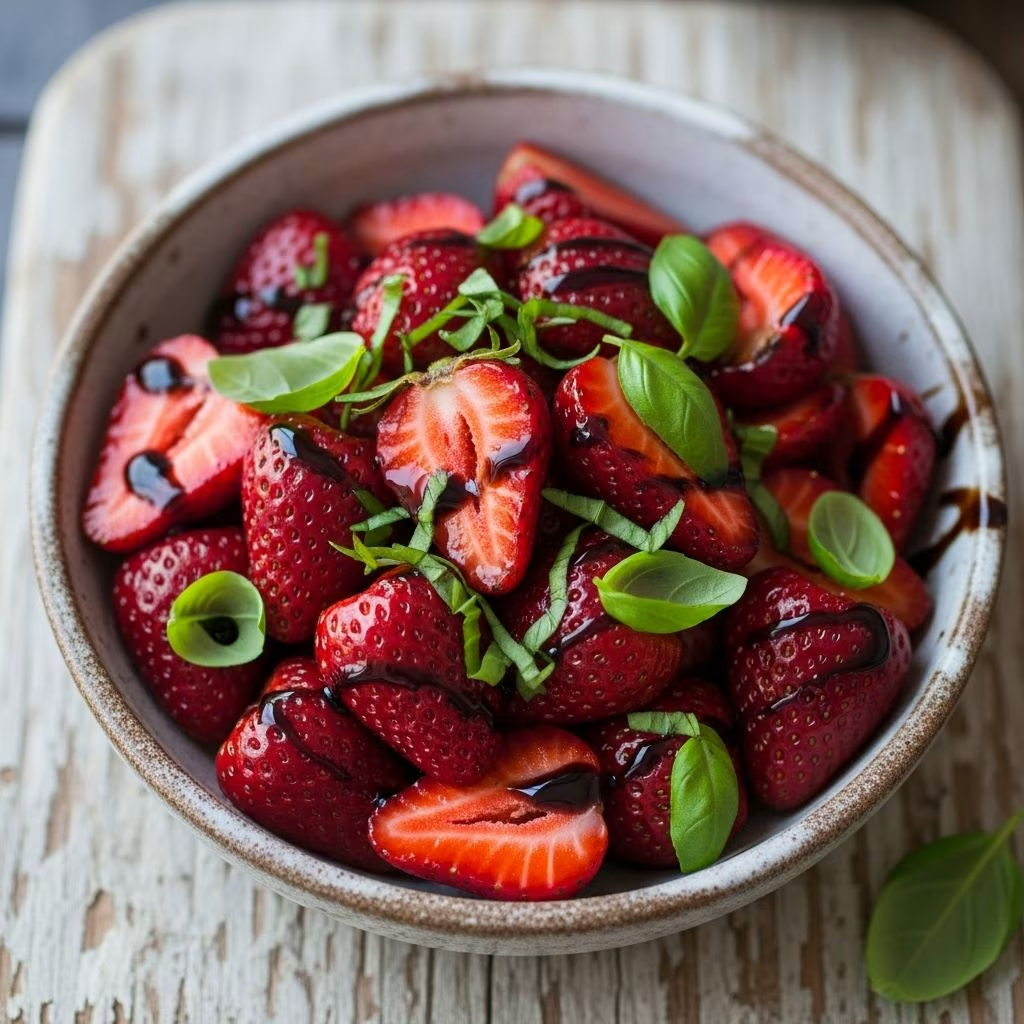
Sometimes the most elegant dishes emerge from the simplest combinations of ingredients. Balsamic strawberries represent one such culinary triumph—a dessert that requires minimal preparation yet delivers remarkable flavor complexity. This traditional Italian preparation transforms ordinary strawberries into something extraordinary through a technique known as maceration, where fruit is softened and flavored by steeping in sugar and other ingredients.
The magic of this dish lies in its ability to enhance even modest-quality strawberries, coaxing out natural sweetness that might otherwise remain dormant. What begins as a straightforward mixture of fresh fruit and granulated sugar becomes something sublime with the addition of aged balsamic vinegar, creating a sophisticated dessert suitable for both casual family meals and formal entertaining.
Understanding the Italian Culinary Tradition
This strawberry preparation originates from the Emilia-Romagna region of Italy, an area renowned for its exceptional culinary traditions and artisanal food production. The region has long been celebrated for its balsamic vinegar, aged for decades in wooden barrels to develop deep complexity and concentrated flavor. Italian cooks have historically understood that balsamic vinegar possesses unique properties that complement fresh fruit, creating flavor combinations that balance sweetness with subtle acidity.
The concept of maceration—allowing fruit to sit with sugar to draw out juices and create syrup—represents a foundational cooking technique in Italian cuisine. By adding balsamic vinegar to this traditional method, Italian home cooks created a dessert that showcases both the fruit and the vinegar’s sophisticated character. This approach demonstrates how European culinary traditions often rely on a few high-quality ingredients prepared with minimal intervention.
Essential Ingredients and Their Roles
Creating authentic balsamic strawberries requires understanding what each component contributes to the final dish:
- Fresh strawberries: The foundation of this recipe should be fresh, ripe berries rather than frozen varieties. Fresh strawberries contain optimal moisture content and texture for proper maceration. Choose berries that are deep red throughout and free from soft spots or mold.
- Granulated sugar: This ingredient serves multiple purposes—it draws moisture from the strawberries through osmosis, creates a syrup as it dissolves, and balances the vinegar’s acidity. The sugar gradually transforms from discrete crystals into a glossy coating that clings to the fruit.
- Fresh lemon juice: While some recipes macerate strawberries directly in balsamic vinegar, many traditional preparations include fresh lemon juice. The citrus juice adds brightness and prevents the vinegar’s flavor from overwhelming the delicate strawberry taste.
- Balsamic vinegar: Standard balsamic vinegar works excellently for this recipe—there is no need to invest in premium aged varieties. Quality supermarket balsamic provides sufficient complexity without excessive expense.
Step-by-Step Preparation Method
Preparing balsamic strawberries involves straightforward steps that require minimal cooking skill:
Preparing the Fruit
Begin by rinsing your strawberries and removing the green tops or hulls. If berries are large, cut them into halves or quarters to create uniform pieces that will macerate evenly. Smaller berries can remain whole. This size consistency ensures that all pieces receive equal exposure to the sugar and vinegar mixture.
Combining and Macerating
Place prepared strawberries in a mixing bowl and add granulated sugar and a small amount of fresh lemon juice. Gently toss the ingredients together, distributing the sugar evenly throughout. At this initial stage, the sugar remains in granular form scattered across the fruit’s surface.
Allow the mixture to rest for approximately 15 to 30 minutes at room temperature. During this time, the strawberries’ natural moisture begins dissolving the sugar, creating a light syrup. The berries gradually develop a glossy appearance and deepen in color as their juices mingle with the sugar. This resting period proves crucial—the strawberries should appear noticeably darker and more translucent than when freshly cut.
Adding the Vinegar and Serving
Once the maceration period concludes and the syrup has formed, drizzle balsamic vinegar over the strawberries according to taste preference. Gently fold the vinegar into the mixture, ensuring it distributes evenly among all the berries. The vinegar mingles with the strawberry syrup, creating a complex liquid that tastes of deep fruit flavors accented by the vinegar’s subtle sweetness and acidity.
Divide the strawberries and their accumulated syrup among serving bowls and present immediately. The ideal serving temperature is cool but not ice-cold, allowing the flavors to shine without being numbed by excessive chill.
Timing Considerations and Best Practices
Success with this recipe depends partly on understanding how duration affects the final product. Ripe strawberries possess delicate cell structures that can deteriorate if exposed to maceration for excessive periods. Leaving perfectly ripe berries in sugar and vinegar for more than one hour may result in an overly soft, mushy consistency that lacks textural appeal.
Conversely, insufficient macerating time prevents the sugar from fully dissolving and limits the flavor development that occurs when fruit juices mingle with the other ingredients. The optimal window typically falls between 15 and 30 minutes, depending on the strawberry variety and ripeness level.
If you prefer to prepare the strawberries in advance, you can complete the maceration process and then refrigerate the prepared dish for up to four hours. Cold storage slows the breakdown process, helping maintain firmer texture in the berries while allowing additional flavor development. Before serving chilled strawberries, allow them to sit at room temperature for several minutes to restore optimal flavor perception.
Variations and Creative Applications
While the basic preparation remains relatively fixed, several variations allow for creative adaptation:
| Variation | Key Differences | Best For |
|---|---|---|
| Direct Vinegar Maceration | Macerate strawberries directly in balsamic vinegar rather than lemon juice | Those preferring stronger vinegar presence |
| Roasted Preparation | Roast strawberries with balsamic vinegar, maple syrup, and seasonings | Intensified flavors, served warm |
| Enhanced with Aromatics | Add black pepper, fresh basil, or balsamic reduction | More complex flavor profiles |
| Dessert Topping Application | Use prepared balsamic strawberries as topping for ice cream or cake | Component in larger desserts |
Some cooks enjoy adding freshly cracked black pepper to the strawberry mixture, as the pepper’s spiciness complements both the fruit and vinegar. Others incorporate fresh basil leaves or a drizzle of aged balsamic reduction for additional sophistication. These additions transform the basic recipe into a more complex preparation suitable for special occasions.
Quality Ingredient Selection
While this dessert’s simplicity represents part of its appeal, ingredient quality significantly impacts the final result. Seek out locally grown strawberries during peak season when possible, as these typically offer superior flavor compared to out-of-season imports. The berries should feel firm yet give slightly to gentle pressure, indicating optimal ripeness.
For balsamic vinegar, standard commercial varieties serve the recipe well. Premium aged balsamic vinegars, while delicious, represent unnecessary expense for this application. The vinegar’s role involves complementing the strawberries rather than serving as the dish’s focal point, making moderately priced options entirely suitable.
Superfine caster sugar dissolves more quickly than granulated sugar, potentially reducing maceration time slightly. However, regular granulated sugar works adequately and provides more consistent results for home cooks.
Serving Suggestions and Accompaniments
Balsamic strawberries work beautifully as a standalone dessert, requiring nothing beyond the prepared fruit and syrup. However, several complementary accompaniments enhance the dining experience:
- Serve over vanilla ice cream or whipped cream for added richness
- Present alongside butter cookies or almond biscotti for textural contrast
- Layer with mascarpone cheese and sponge cake for a simplified tiramisu interpretation
- Accompany with sparkling wine or prosecco for elegant entertaining
- Top yogurt or panna cotta for breakfast or light dessert options
Frequently Asked Questions
Can frozen strawberries be used instead of fresh?
Frozen strawberries are not recommended for this recipe. Freezing damages cellular structure, preventing proper maceration and resulting in mushy texture. The recipe specifically requires fresh strawberries for optimal results.
How long can prepared balsamic strawberries be stored?
Refrigerated balsamic strawberries maintain quality for up to four hours. Beyond this timeframe, the berries continue softening and may become unappealingly mushy. Prepare this dish shortly before serving for best results.
What type of balsamic vinegar should be purchased?
Standard commercial balsamic vinegar works perfectly well. Expensive aged varieties are unnecessary and represent wasted expense for this application. Look for balsamic vinegar in the condiment aisle of any grocery store.
Can the recipe be doubled or halved?
The basic recipe scales easily. Maintain the same proportions of sugar to fruit and vinegar when adjusting quantities. The maceration time remains consistent regardless of batch size.
Is this dessert suitable for dietary restrictions?
The basic recipe contains no animal products, making it suitable for vegan diets. For those managing sugar intake, reduce the sugar quantity, though this will affect the syrup consistency and sweetness level.
Why This Dessert Deserves a Place in Your Cooking Repertoire
Balsamic strawberries represent more than simply a recipe—they embody a philosophy of cooking that values simplicity, quality ingredients, and respect for fundamental techniques. This dessert requires minimal equipment, no advanced cooking skills, and ingredients typically found in any kitchen.
The preparation demonstrates how understanding basic culinary principles allows creative cooks to transform ordinary ingredients into something memorable. Whether served at a casual weeknight dinner or an elegant gathering, balsamic strawberries deliver sophistication without pretension or excessive effort.
The next time you encounter fresh strawberries—whether they’re farmer’s market treasures or supermarket staples—consider preparing them this Italian way. The minimal time investment yields a dessert that justifies its elegant reputation, proving that cooking excellence emerges not from complexity but from thoughtful ingredient selection and proper technique execution.
References
- Fragole all’aceto balsamico (Strawberries with Balsamic Vinegar) — Memorie di Angelina. Accessed April 2026. https://memoriediangelina.com/2016/04/29/strawberries-with-balsamic-vinegar/
- Strawberries with Balsamic Vinegar – Keeping It Simple Blog — Keeping It Simple Blog. Accessed April 2026. https://www.keepingitsimpleblog.com/food/strawberries-with-balsamic-vinegar/
- Timeless Taste: Original Balsamic Strawberries — American Olive Farmer. Accessed April 2026. https://americanolivefarmer.com/blogs/recipes/timeless-taste-original-balsamic-strawberries
- Easy-to-Make Roasted Balsamic Strawberries Recipe — Parched Around the World. Accessed April 2026. https://www.parchedaroundtheworld.com/articles/balsamic-strawberries/