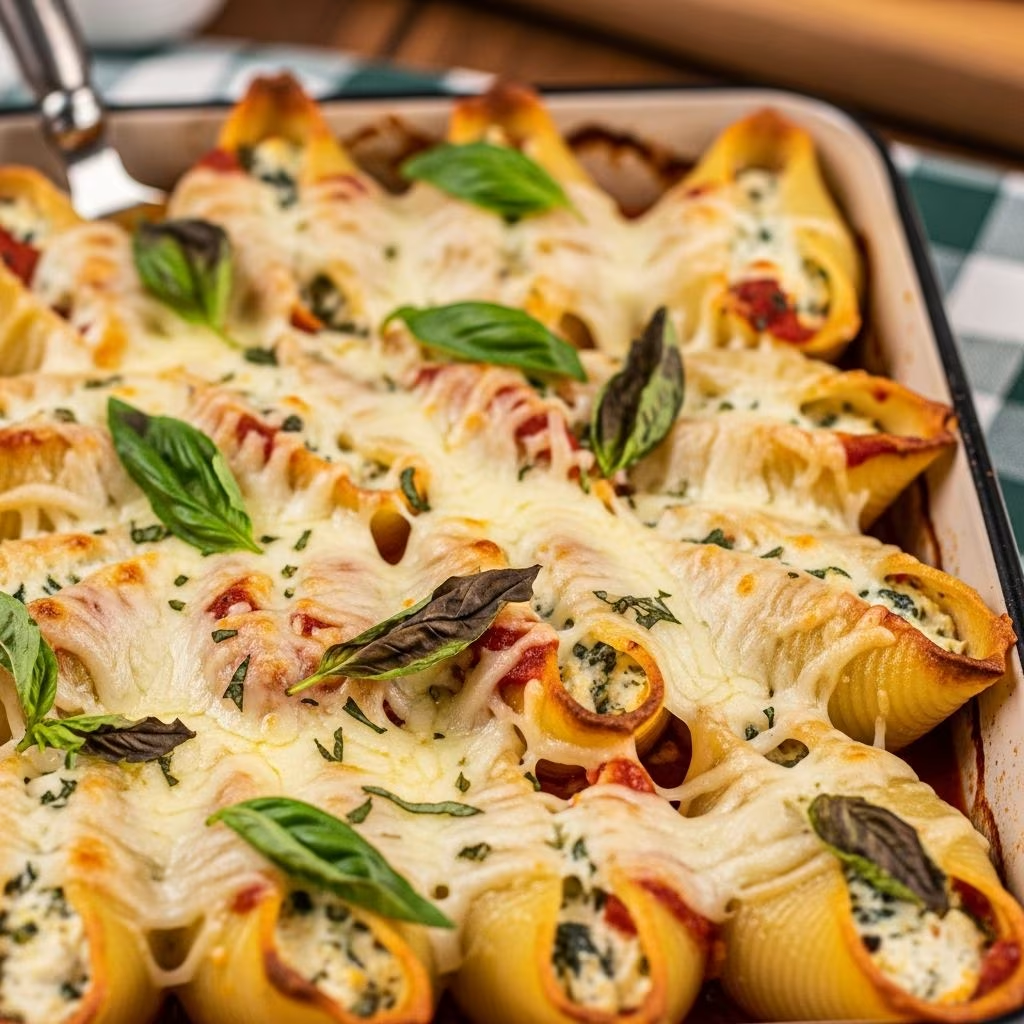
Baked stuffed shells represent one of the most beloved comfort food dishes in Italian-American cuisine. This impressive yet surprisingly accessible pasta creation combines tender jumbo shells with creamy cheese fillings and rich tomato sauce. Whether you’re preparing dinner for your family or hosting guests, understanding the fundamentals of this classic dish will help you create restaurant-quality results in your own kitchen.
Understanding the Core Components
A successful stuffed shells dish relies on three equally important elements working in harmony. Each component contributes its own texture, flavor, and structural integrity to the final dish.
The foundation begins with pasta shells that are large enough to hold substantial filling without tearing. Jumbo shells, typically requiring 18 to 20 pieces per standard baking dish, provide the perfect vessel for your cheese mixture. These shells must be cooked to just shy of al dente, as they will continue softening during the baking process.
The sauce layer provides moisture, acidity, and deep flavor throughout the dish. Whether you opt for a quality store-bought marinara or prepare your own from fresh tomatoes, the sauce should be vibrant and well-seasoned. Most recipes call for approximately 2 to 3 cups of sauce, with a portion forming the base of the baking dish and additional sauce covering the stuffed shells.
The cheese filling serves as the heart of this dish. A traditional filling combines ricotta cheese as the base with additional components for complexity and richness. Many recipes incorporate multiple cheeses, creating depth of flavor and improved texture throughout the finished dish.
Essential Ingredients and Their Roles
| Ingredient Category | Typical Components | Purpose in the Dish |
|---|---|---|
| Pasta Foundation | Jumbo pasta shells (18-20 pieces) | Holds filling and provides structural base |
| Cheese Base | Ricotta (15-16 ounces) | Creates creamy, smooth filling texture |
| Cheese Enhancement | Mozzarella and Parmesan | Adds richness, browning, and sharp flavors |
| Aromatics | Garlic, onion | Provides savory depth |
| Binder | Egg | Helps hold filling together during baking |
| Seasonings | Salt, pepper, oregano, parsley | Enhances overall flavor profile |
| Sauce | Marinara or tomato sauce | Provides moisture and acidic balance |
Preparing Your Ingredients: The Foundation for Success
Selecting Quality Components
Before you begin assembly, gather all ingredients and prepare them properly. Quality matters significantly in this dish since there are relatively few components, meaning each one’s characteristics will be noticeable in the final result.
For the pasta, choose genuine jumbo shells rather than substitute sizes. Their larger surface area and thicker walls prevent tearing during filling and baking. For cheese, full-fat ricotta produces superior creaminess compared to low-fat alternatives, while freshly grated Parmesan outperforms pre-shredded varieties.
The Filling Preparation Process
Creating the cheese filling is straightforward but requires attention to detail. Begin by combining your base ricotta cheese with a beaten egg, which acts as a binder. The egg helps the filling maintain cohesion during the baking process, preventing it from becoming too loose or separating.
Add your secondary cheeses to this mixture. Many recipes call for approximately one cup of shredded mozzarella and one-half cup of grated Parmesan cheese. These additions provide savory intensity and help achieve that desirable golden-brown top when exposed to oven heat.
Season the filling generously with salt, freshly ground black pepper, and dried herbs such as oregano or Italian seasoning. Minced or grated garlic adds pungent aromatic notes, while fresh parsley contributes brightness and visual appeal. Some recipes incorporate additional elements like chopped spinach, prosciutto, or fresh herbs for personalization.
Mix all filling components until thoroughly combined. The texture should be spreadable but not watery. If preparing the filling ahead, cover it and refrigerate until you’re ready to stuff the shells.
Cooking the Pasta Properly
Proper pasta preparation is crucial since overcooking at this stage leads to shells that tear when being filled. Fill a large pot with well-salted water and bring to a rolling boil. The salt flavors the pasta and helps prevent sticking.
Add the jumbo shells and cook according to package directions, but aim for the lower end of the recommended time range. The shells should be tender but still have a slight firmness to the bite. This approach compensates for additional cooking that occurs in the oven.
Drain the shells in a colander and allow them to cool slightly. Once they’re comfortable to handle but still pliable, arrange them on a clean kitchen towel or parchment paper. This prevents them from sticking together and makes the filling process easier.
The Stuffing Process: Technique and Tips
Filling the shells is where precision and patience pay dividends. You’ll have two primary methods available: using a small spoon or employing a piping bag fitted with a large opening.
The spoon method provides good control and allows you to monitor the filling quantity. Scoop approximately one tablespoon of filling onto a small spoon and carefully insert it into the shell opening, using your finger to gently push the filling inside. Work methodically along the shell’s interior.
Alternatively, transfer your filling to a large piping bag without a tip or with a large round opening. Pipe the filling directly into each shell opening. This method works particularly well if your filling is on the looser side and moves easily.
Fill each shell generously but not so much that filling spills out during baking. You should have enough filling for 18 to 28 shells, depending on your shell size and filling quantity.
Assembly and Baking Instructions
Preparing Your Baking Dish
Select a 9×13-inch baking dish or similar capacity vessel. Spread a thin layer of marinara sauce—approximately one-third of your total sauce—across the bottom. This base layer prevents sticking and provides moisture from underneath.
Arrange your filled shells seam-side up in the baking dish in rows or a single layer. The seam-side-up orientation helps keep the filling contained during baking. Nestle them close together but not so tightly that they compress each other.
Completing the Assembly
Pour the remaining sauce over the filled shells, ensuring all exposed portions are coated. The sauce should be distributed evenly to promote consistent baking. Top with additional mozzarella cheese if desired, which will create an attractive golden-brown crust.
Cover the baking dish tightly with aluminum foil. This covering traps steam and prevents the top from drying out before the interior heats through completely.
Baking Guidelines
Preheat your oven to 425 degrees Fahrenheit. Place the covered baking dish on the center oven rack and bake for approximately 20 to 25 minutes. The shells are done when they’re heated through and the sauce is bubbling at the edges of the dish.
If your baking dish is particularly full or dense with filling, you may need an additional 5 to 10 minutes. Remove the foil during the final few minutes if you desire additional browning on top.
Timing Flexibility and Make-Ahead Options
One significant advantage of this dish is its flexibility regarding preparation timing. You can prepare components at different stages and assemble when convenient.
Preparing in Advance
Make the cheese filling up to one day ahead and store it in a covered container in your refrigerator. Cook and drain the pasta shells up to several hours in advance, arranging them on parchment paper to prevent sticking.
Once you’ve filled the shells and arranged them in the baking dish with sauce, you can cover the dish with foil and refrigerate it for up to four hours before baking. The shells will require the full baking time at the original temperature, as they’ll begin at refrigerator temperature rather than room temperature.
Freezing for Later Use
This dish freezes exceptionally well, making it ideal for batch cooking. Assemble the complete dish as described, then cover it tightly with plastic wrap followed by aluminum foil. Label with the contents and date, then place in your freezer.
To bake frozen stuffed shells, remove the plastic wrap but leave the foil in place. Bake at 375 degrees Fahrenheit for approximately 45 to 60 minutes, or until heated through and the sauce is bubbling at the edges. Remove the foil for the final 10 minutes if browning on top is desired.
Frequently Asked Questions
What’s the best way to prevent shells from tearing during filling?
Cook pasta just to al dente or slightly undercooked, as overcooked shells become fragile. Allow shells to cool slightly after draining to make them more pliable. Use a small spoon for careful filling rather than aggressive stuffing.
Can I make this dish vegetarian?
Absolutely. The basic cheese filling is naturally vegetarian. Some recipes incorporate steamed spinach, sautéed mushrooms, or roasted vegetables mixed into the filling for additional nutrition and flavor.
How do I achieve a better golden top?
Use freshly grated Parmesan or mozzarella rather than pre-shredded varieties, as they melt more smoothly. Sprinkle cheese directly on top of the finished dish before baking. Remove foil for the final 5 to 10 minutes of baking to allow direct oven heat to brown the cheese.
What sides pair well with stuffed shells?
Simple accompaniments work best with this rich dish. A fresh green salad with vinaigrette provides acidity and contrast. Garlic bread or crusty Italian bread is ideal for soaking up extra sauce. Roasted vegetables like broccoli or zucchini add lightness.
Serving and Storage Recommendations
Allow the baked stuffed shells to rest for five minutes after removing from the oven. This resting period allows the filling to set slightly, making shells easier to serve cleanly.
Garnish with fresh parsley, additional grated Parmesan, or a light drizzle of quality olive oil just before serving. These finishing touches enhance both presentation and flavor.
Leftover stuffed shells keep well in the refrigerator for three to four days when stored in an airtight container. Reheat gently in a 350-degree oven, covered with foil, for approximately 15 to 20 minutes to prevent drying. Microwave reheating is possible but may result in uneven heating and softer shells.
Variation Ideas and Creative Modifications
While the classic preparation is excellent, creative variations can keep this dish interesting throughout the year.
- Add ground beef, Italian sausage, or pancetta to the cheese filling for a heartier version
- Incorporate steamed spinach or chopped kale mixed into the ricotta base for added nutrition
- Use a combination of marinara and béchamel sauces for richness and complexity
- Top with breadcrumb and herb mixtures before baking for textural contrast
- Include sun-dried tomatoes, roasted red peppers, or caramelized onions in the filling
- Experiment with fresh herbs like basil or oregano in addition to dried varieties
- Layer a thin pesto layer between sauce and shells for Italian-herb flavor
Conclusion
Baked stuffed shells represent an accessible yet impressive dish that delivers consistent satisfaction whether feeding family or entertaining guests. By understanding each component’s role and following proper techniques for assembly and baking, you’ll create a memorable meal that showcases how thoughtful preparation elevates simple ingredients into something extraordinary.
References
- Stuffed Shells Recipe — Love and Lemons. 2024. https://www.loveandlemons.com/stuffed-shells-recipe/
- Baked Stuffed Shells Recipe — 365 Days of Baking and More. 2024. https://www.365daysofbakingandmore.com/baked-stuffed-shells/
- The Best Stuffed Shells Recipe — Chef Billy Parisi. 2024. https://www.billyparisi.com/the-best-stuffed-shells-recipe/
- Stuffed Shells Recipe — 101 Cookbooks. 2024. https://www.101cookbooks.com/stuffed-shells-recipe/
- 8 Ways With Stuffed Pasta Shells — Barilla. 2024. https://www.barilla.com/en-us/help-with/chefs-corner/8-ways-with-stuffed-shells