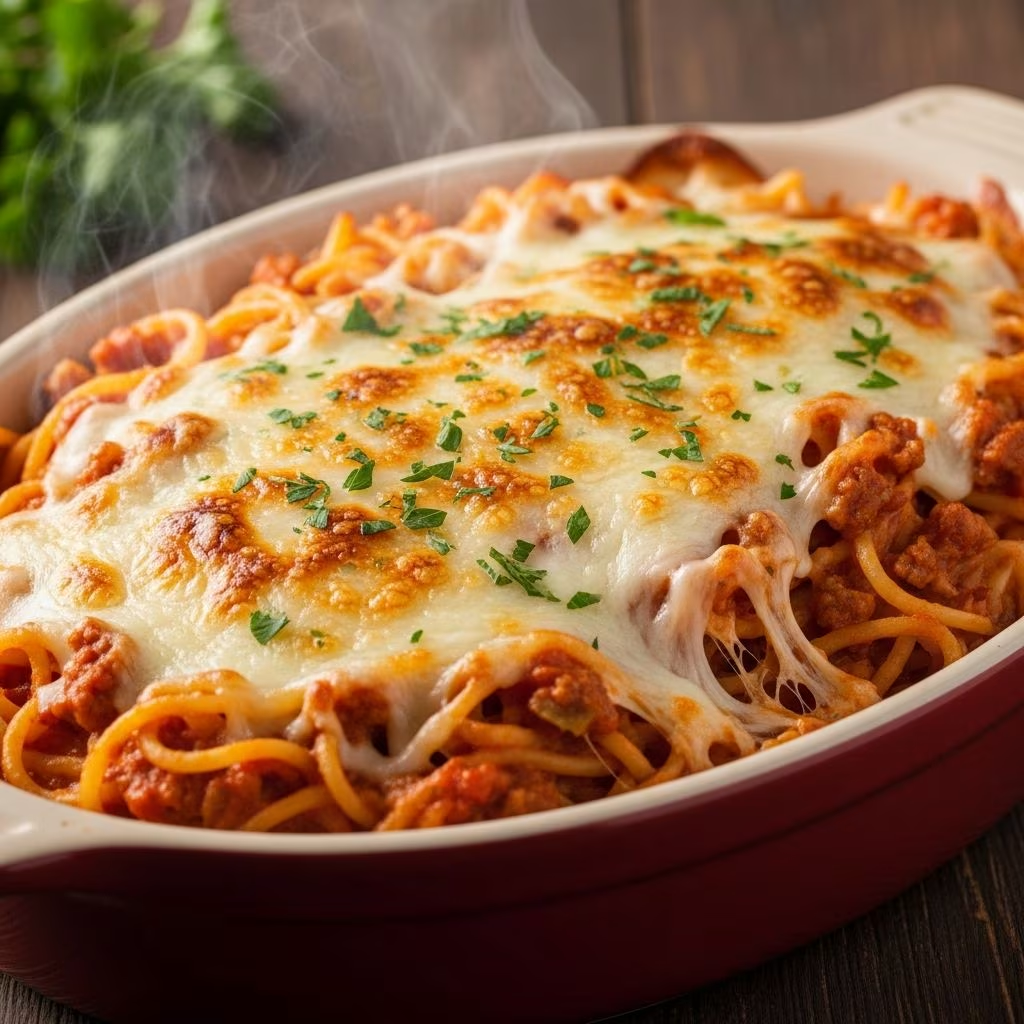
A baked spaghetti casserole represents one of the most versatile and satisfying dishes in contemporary home cooking. This comforting entrée combines the familiar comfort of pasta with the indulgent richness of multiple cheese varieties, creating a meal that appeals to diverse palates and dietary preferences. The beauty of this particular preparation lies in its ability to transform basic pantry staples into an impressive centerpiece for family dinners, potlucks, and casual entertaining. Unlike traditional pasta dishes prepared on the stovetop, the baking process allows flavors to meld together while the casserole develops a golden, bubbly surface that signals perfect doneness.
Understanding the Foundation: Core Components
Every successful baked spaghetti casserole begins with understanding the role each component plays in the final dish. The pasta serves as the structural foundation, providing texture and substance that carries the sauce and cheese throughout each serving. Ground beef introduces savory depth and protein, browning to create fond that enhances the overall flavor profile. The tomato-based sauce contributes acidity and brightness, balancing the richness of the dairy components. The cream cheese acts as the transformative ingredient, creating a luxurious, velvety texture that distinguishes this preparation from conventional baked pasta dishes. Finally, the combination of melting cheeses—typically including varieties like cheddar, mozzarella, and parmesan—creates layers of complexity and that signature bubbly, golden top.
Ingredient Selection and Preparation
Choosing high-quality ingredients makes a measurable difference in the final outcome. For the pasta, selecting spaghetti that maintains its integrity during cooking and mixing is essential. Most recipes call for approximately one pound of pasta, though the exact amount depends on your casserole dish size and desired density.
The cream cheese requires special attention. Rather than attempting to incorporate a cold block directly into hot pasta, most experienced cooks recommend softening the cream cheese to room temperature beforehand or cutting it into small cubes before adding it to the hot pasta mixture. This approach ensures even distribution and smooth melting throughout the dish rather than creating lumpy patches.
Ground beef selection impacts both flavor and texture. Leaner varieties (90% lean or higher) reduce excess fat that requires draining, though some cooks prefer slightly fattier options for enhanced flavor. Cooking the beef until completely browned while breaking it into small pieces ensures even texture throughout the casserole.
Suggested ingredient quantities for standard 9×13 inch casserole:
- Spaghetti pasta: 12-16 ounces uncooked
- Ground beef: 1-1.5 pounds
- Marinara or tomato sauce: 24-26 ounces jarred or homemade
- Cream cheese: 8 ounces, softened
- Parmesan cheese: 0.5-0.75 cup grated
- Mozzarella or cheddar cheese: 1.5-2 cups shredded
- Optional flavor enhancers: Italian seasoning, garlic powder, minced garlic, sour cream
Step-by-Step Preparation Method
Initial Setup and Cooking
Begin by preheating your oven to 350-375°F, depending on your particular oven’s characteristics and whether you prefer a more moderate or aggressive baking approach. While the oven reaches temperature, prepare your baking vessel by lightly coating it with non-stick spray or a thin layer of oil. This prevents sticking and allows for easier serving.
Simultaneously, bring a large pot of salted water to a rolling boil. Salt the water generously—it should taste somewhat like seawater. Add the spaghetti and cook according to package directions, but reduce the cooking time by one minute to achieve al dente consistency. The pasta will continue cooking in the oven, so slightly underdone noodles prevent mushiness in the final dish. Drain the pasta thoroughly but do not rinse it, as the starch helps bind the components together.
Creating the Meat Sauce Foundation
While pasta cooks, heat a large skillet over medium-high heat. Add oil if using very lean beef, or skip this step if your ground beef contains adequate fat. Once the skillet is hot, add the ground beef in a single layer, allowing it to brown undisturbed for 2-3 minutes before breaking it apart with a wooden spoon or spatula. Continue cooking and stirring until the meat is completely cooked through with no pink remaining. If excess fat accumulates, drain it through a fine-mesh strainer, leaving approximately one tablespoon of fat in the pan for flavor.
Add minced garlic and diced onion if using, cooking for another 2-3 minutes until fragrant. Pour in your marinara sauce and any additional seasoning components like Italian seasoning, salt, and pepper. Simmer this mixture for 5 minutes to allow flavors to marry, then remove from heat.
Combining Dairy Components
In a separate large mixing bowl, combine the softened cream cheese with other dairy elements. If your recipe includes sour cream or ricotta cheese, incorporate these now, stirring until you achieve a relatively smooth consistency. Add the hot drained pasta to this cream cheese mixture, tossing thoroughly to ensure every noodle receives a coating of the creamy sauce. The residual heat from the hot pasta helps the cream cheese incorporate smoothly.
Assembly and Baking Technique
Proper layering creates an evenly cooked casserole with well-distributed flavors. Spread approximately 0.5-1 cup of the reserved meat sauce across the bottom of your prepared baking dish. This thin layer prevents the bottom noodles from sticking and ensures flavor distribution from base to surface.
Add half of the cream cheese and pasta mixture on top of this sauce layer, pressing gently to create an even layer. Top with half of the remaining meat sauce and about one-third of your reserved cheese blend. Repeat with the remaining pasta mixture, remaining meat sauce, and finish with the final third of cheese sprinkled evenly across the surface.
This layering approach differs from simply combining all components before transfer, as it allows each element to maintain its identity while ensuring thorough integration during baking.
Place the assembled casserole in your preheated oven, uncovered, for 25-35 minutes. The exact time depends on oven characteristics, the depth of your casserole, and your desired level of browning. The casserole is ready when the surface bubbles visibly around the edges, the cheese has melted and possibly browned in spots, and a knife inserted into the center meets gentle resistance rather than liquid.
Post-Baking Considerations
Allow the casserole to rest for 10-15 minutes after removal from the oven. This resting period allows the noodles to absorb excess moisture and helps the casserole set, making portioning cleaner and each serving more cohesive. During this time, the residual heat continues cooking the interior slightly, and the cheese hardens just enough to maintain shape when scooped.
Garnish with fresh basil, additional parmesan, or fresh parsley if desired. These bright elements provide visual appeal and fresh flavor notes that contrast beautifully with the rich, savory components.
Common Variations and Adaptations
| Variation | Key Modifications | Best Used When |
|---|---|---|
| Vegetarian Version | Replace ground beef with mushrooms, spinach, or lentils cooked with similar seasonings | Serving mixed-diet groups or reducing meat consumption |
| Gluten-Free Preparation | Substitute gluten-free pasta, use certified gluten-free sauce, verify all additives | Accommodating dietary restrictions |
| Lighter Version | Reduce cream cheese quantity, incorporate Greek yogurt, use part-skim cheeses | Reducing caloric or fat content |
| Spiced Variation | Add red pepper flakes, cayenne, or jalapeños for heat | Preferring more robust flavor profiles |
| Vegetable-Enhanced | Mix in roasted zucchini, broccoli, or spinach before baking | Increasing nutritional value and vegetable content |
Storage and Reheating Guidelines
This casserole excels as a make-ahead dish. Allow it to cool completely before covering tightly with plastic wrap or transferring to an airtight container. Properly stored, the casserole maintains quality in the refrigerator for up to one week. The pasta continues absorbing sauce and flavors meld even more deeply during storage, often making day-two servings particularly flavorful.
For freezing, wrap the cooled casserole thoroughly in plastic wrap followed by foil to prevent freezer burn. It will maintain quality for up to three months. Thaw overnight in the refrigerator before reheating. To reheat, cover the casserole with foil and warm in a 350°F oven for 15-25 minutes, depending on whether starting from chilled or frozen state, until heated through completely. Some cooks prefer adding a small amount of additional sauce before reheating to compensate for any drying that occurs during storage.
Troubleshooting Common Issues
Watery or Overly Moist Casserole
Excessive moisture typically results from either undercooking the casserole or using too much sauce. Ensure the casserole bakes long enough for significant moisture evaporation. In future preparations, reduce the sauce quantity slightly or drain canned tomatoes before incorporating them.
Dry or Tough Texture
Overbaking causes this issue. Reduce baking time or cover with foil during the latter portion of cooking. Ensuring adequate sauce and cream cheese proportion prevents excessive drying.
Lumpy Cream Cheese Distribution
This occurs when cold or room-temperature cream cheese is added to cool pasta. Always use softened cream cheese or add it to hot pasta immediately after draining. Alternatively, cube the cream cheese and mix it into the hot drained pasta while the residual heat melts it evenly.
Frequently Asked Questions
Can I use fresh pasta instead of dried?
Fresh pasta becomes mushy more quickly than dried varieties. If using fresh spaghetti, reduce cooking time significantly and add it very near to when you’re ready to assemble the casserole to prevent overcooking during the baking phase.
What’s the best way to reheat individual servings?
Individual portions reheat best in a microwave-safe dish covered loosely with a paper towel, microwaved at 50% power for 2-3 minutes to prevent excessive heating of the edges while the center warms through.
Can I reduce the cheese content?
Yes, though this changes the character significantly. Use less of each cheese variety while maintaining the cream cheese, which provides essential creaminess. You might increase other components like sauce or vegetables to maintain adequate moisture.
Is this dish suitable for freezing before baking?
Absolutely. Assemble the casserole, cover tightly, and freeze up to three months. Bake directly from frozen, adding 10-15 minutes to the baking time, until heated through and bubbly throughout.
What wine pairs well with this dish?
A medium-bodied red wine like Chianti or a lighter Cabernet Sauvignon complements the rich, tomato-based flavors without overwhelming the palate.
Nutritional Considerations
A typical serving of this casserole provides substantial calories, protein from both the ground beef and multiple cheeses, and carbohydrates from the pasta. The cream cheese and other dairy components contribute significant fat content, making this a rich, satisfying dish best paired with lighter sides like green salads or steamed vegetables. One serving typically ranges from 450-650 calories depending on specific ingredient proportions and portion size.
Final Thoughts on This Versatile Dish
The baked spaghetti casserole with cream cheese represents accessible, practical cooking that yields impressive results. Its flexibility allows for numerous variations while maintaining its essential character. Whether preparing for a family weeknight dinner, a gathering of friends, or planning ahead with make-and-freeze convenience, this casserole delivers comfort and satisfaction with minimal technical skill required. The combination of familiar flavors, straightforward preparation, and crowd-pleasing results makes this dish a reliable addition to any home cook’s repertoire.
References
- United States Department of Agriculture Food Data Central — USDA. 2023. https://fdc.nal.usda.gov
- National Dairy Council Cooking Guidelines — Dairy Council. 2024. https://www.nationaldairycouncil.org
- Food Safety and Inspection Service: Ground Beef Handling — USDA FSIS. 2023. https://www.fsis.usda.gov
- American Culinary Federation Professional Cooking Standards — ACF. 2023. https://www.acfchefs.org
- Safe Food Handling: Proper Storage Temperatures — FDA Food Safety. 2024. https://www.fda.gov/food