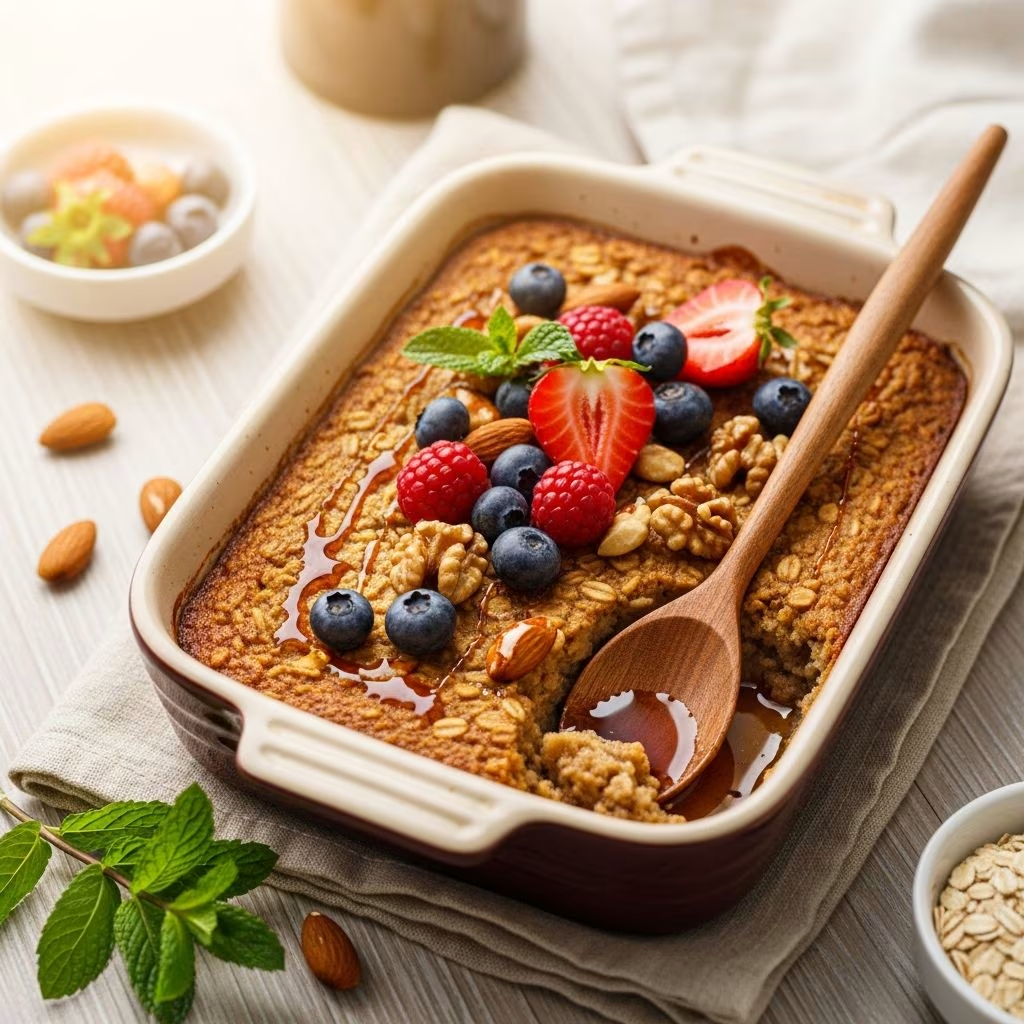
Breakfast sets the tone for your entire day, and choosing wholesome foods can significantly impact your energy levels and overall well-being. Among the most satisfying and convenient breakfast options available, oven-baked oatmeal stands out as a versatile choice that combines nutrition with ease of preparation. Unlike stovetop oatmeal that requires constant stirring and monitoring, this baked version allows you to prepare portions in advance, making it ideal for busy mornings or meal planning throughout the week.
The beauty of baked oatmeal lies in its adaptability. Whether you prefer traditional flavors reminiscent of cinnamon rolls or more adventurous combinations featuring fresh fruits and nuts, this breakfast solution accommodates all preferences. Additionally, the texture differs from conventional cooked oatmeal—it’s firmer and more cake-like, creating a satisfying eating experience that many find more appealing than soupy porridge.
Understanding the Foundation: Core Ingredients Explained
Creating successful baked oatmeal begins with understanding the role each ingredient plays in the final product. The foundation consists of several key components that work together to create the perfect texture and flavor profile.
The Base: Rolled Oats
Rolled oats form the structural backbone of baked oatmeal. These oats have been steamed and flattened, making them ideal for baking applications. They provide substantial fiber content and create that characteristic tender yet substantial crumb structure. Using quality rolled oats—as opposed to instant varieties—ensures better texture and prevents the mixture from becoming overly mushy.
Binding Agents: Eggs and Dairy
Eggs serve a dual purpose in baked oatmeal recipes. They act as a binder, helping the mixture hold together, while simultaneously contributing to the overall structure and creating a slightly custard-like interior. Dairy products, whether traditional milk or non-dairy alternatives like almond or oat milk, hydrate the oats and create the creamy consistency that makes this dish so appealing. The liquid ratio remains crucial—too little creates a dense, dry result, while too much produces a soupy texture that fails to set properly.
Sweeteners and Flavor Elements
Brown sugar is a classic sweetening agent that also contributes moisture and a subtle molasses flavor. Alternatively, maple syrup or honey can provide more complex sweetness while adding nutritional benefits. Vanilla extract enhances the overall flavor profile without overpowering other ingredients. Cinnamon adds warmth and depth, making baked oatmeal feel like a comforting treat rather than simply breakfast.
Leavening and Structure
Baking powder enables the mixture to rise slightly during cooking, creating a lighter crumb and preventing a dense, heavy result. This ingredient distinguishes baked oatmeal from simple no-bake oat bars, giving it a more cake-like character.
Step-by-Step Preparation Method
Preparing baked oatmeal requires minimal equipment and straightforward techniques that even novice cooks can master.
Preparation Phase
- Preheat your oven to 350-375°F, depending on your recipe and preferences
- Grease an 8×8-inch or 9×13-inch baking dish with butter or cooking spray
- Gather all ingredients to ensure smooth preparation
- If using fresh fruit, prepare it by washing and chopping as needed
Mixing Procedure
Begin by combining all wet ingredients in a large mixing bowl. If your recipe includes mashed banana or applesauce, start by thoroughly mashing these components. Add milk, eggs (if using), melted butter or oil, and any liquid sweeteners. Whisk these elements together until well combined and relatively smooth.
In a separate bowl or directly into the wet mixture, combine the dry ingredients: rolled oats, brown sugar, baking powder, cinnamon, salt, and any additional spices. The key to success is thorough mixing—ensure that no pockets of dry ingredient remain, and that the baking powder is evenly distributed throughout.
Incorporating Mix-Ins
Fold in your desired mix-ins gently but thoroughly. This is where customization truly happens. Popular additions include fresh blueberries, sliced strawberries, chopped pecans, walnuts, dried cranberries, chocolate chips, or shredded coconut. The timing of addition matters: delicate fresh berries should be folded in last to prevent excessive breakdown, while heartier ingredients can be mixed in earlier.
Baking Process
Pour the batter into your prepared baking dish and smooth the top into an even layer. Bake for 35-45 minutes, depending on your oven and the depth of your baking dish. The oatmeal is done when the top appears set and slightly golden, and a toothpick inserted in the center comes out mostly clean (slight moistness is acceptable).
Allow the baked oatmeal to cool for 5-10 minutes before slicing. This resting period helps the structure set properly and makes serving easier.
Customization: Creating Your Signature Version
One of baked oatmeal’s greatest advantages is its flexibility. The basic framework accommodates countless variations, allowing you to create unique versions suited to your taste preferences and dietary needs.
Flavor Variations by Season
| Season | Recommended Mix-Ins | Additional Spices |
|---|---|---|
| Spring | Fresh berries, lemon zest, coconut flakes | Cardamom, nutmeg |
| Summer | Blueberries, peaches, almonds | Vanilla extract, ginger |
| Fall | Apples, pecans, dried cranberries | Nutmeg, allspice, cloves |
| Winter | Dried figs, walnuts, chocolate chips | Cinnamon, cardamom, peppermint |
Dietary Modifications
For those following dairy-free diets, substitute cow’s milk with almond, oat, coconut, or soy milk without compromising taste or texture. Vegan versions can replace eggs with a flax egg (1 tablespoon ground flaxseed mixed with 3 tablespoons water) or applesauce (¼ cup per egg).
Those avoiding refined sugar can use honey, maple syrup, or mashed bananas as sweetening alternatives. For gluten-free versions, ensure your oats are certified gluten-free, as conventional processing may involve cross-contamination.
Preparation and Storage Strategies
Baked oatmeal’s make-ahead nature makes it exceptionally practical for busy lifestyles.
Advance Preparation
You can prepare the batter the evening before baking. Cover and refrigerate overnight, allowing flavors to meld. Bake in the morning, or prepare the entire dish up to 4 days ahead by storing covered portions in the refrigerator.
Portioning Options
For maximum convenience, consider baking the mixture in muffin tins rather than a large baking dish. This creates individual portions perfect for grab-and-go breakfasts. Divide batter evenly among muffin cups and reduce baking time to 20-25 minutes.
Storage and Reheating
Store covered baked oatmeal in the refrigerator for up to 5 days. Reheat individual portions by microwaving for 30-60 seconds, or warm gently in a skillet over low heat. Many prefer to eat portions cold directly from the refrigerator, topped with yogurt or additional milk.
Nutrition and Health Benefits
Baked oatmeal provides substantial nutritional value that supports daily wellness goals. Rolled oats contain beta-glucan, a type of soluble fiber associated with heart health and cholesterol management. Eggs contribute high-quality protein and choline, supporting cognitive function and muscle maintenance. Incorporating fresh fruits and nuts adds vitamins, minerals, and healthy fats that promote satiety and stable energy throughout the morning.
The combination of complex carbohydrates from oats with protein from eggs and dairy creates a balanced breakfast that prevents blood sugar spikes and promotes sustained energy release.
Frequently Asked Questions
Why doesn’t my baked oatmeal set properly?
Insufficient baking powder, too much liquid, or underbaking are common causes. Ensure baking powder is fresh, measure liquids accurately, and bake until the center is mostly firm to the touch.
Can I freeze baked oatmeal?
Yes. Wrap individual portions in plastic wrap and aluminum foil, then freeze for up to 3 months. Thaw overnight in the refrigerator or reheat directly from frozen in the microwave.
What’s the difference between baked oatmeal and oatmeal bars?
Baked oatmeal typically includes eggs and baking powder, creating a cake-like texture. Oatmeal bars are often denser, sometimes skipping eggs and leavening agents.
How can I make baked oatmeal less sweet?
Reduce added sweeteners by 25-50% or use naturally sweet additions like mashed banana or unsweetened applesauce to provide moisture while decreasing refined sugar.
Are there nut-free versions?
Absolutely. Omit nuts entirely or substitute with seeds like pumpkin, sunflower, or chia seeds for similar texture and nutritional benefits.
Serving and Enhancement Ideas
While delicious on its own, baked oatmeal becomes even more appealing with thoughtful toppings. Serve warm with a drizzle of honey, a spoonful of nut butter, or Greek yogurt for added protein and creaminess. Fresh berries or sliced fruit add brightness and additional nutrition. A sprinkle of granola provides textural contrast, while a dusting of cinnamon or cocoa powder adds visual appeal and flavor complexity.
For colder months, warm servings with hot milk or plant-based alternatives transform baked oatmeal into a comforting breakfast beverage. This approach allows you to control consistency while enjoying the dish in a slightly different format.
Conclusion: Making Baked Oatmeal a Regular Staple
Incorporating baked oatmeal into your regular breakfast rotation offers convenience, nutrition, and endless customization possibilities. Whether preparing for a busy week of early mornings or seeking a wholesome breakfast that satisfies and sustains, this humble dish delivers on both fronts. By understanding basic principles and feeling confident experimenting with flavors and ingredients, you’ll develop personal versions that become family favorites.
References
- Beta-glucan in Oats and Barley and its Cholesterol-Lowering Effect — U.S. National Institutes of Health (NIH). 2024. https://www.ncbi.nlm.nih.gov/pubmed
- Egg Composition and Nutritional Value — United States Department of Agriculture (USDA). 2023. https://www.usda.gov
- The Complete Guide to Baked Oatmeal Recipes — Love and Lemons. 2024. https://www.loveandlemons.com/baked-oatmeal/
- Meal Prep Strategies for Breakfast Baking — Meal Prep Manual. 2024. https://mealprepmanual.com/baked-oatmeal-recipes/