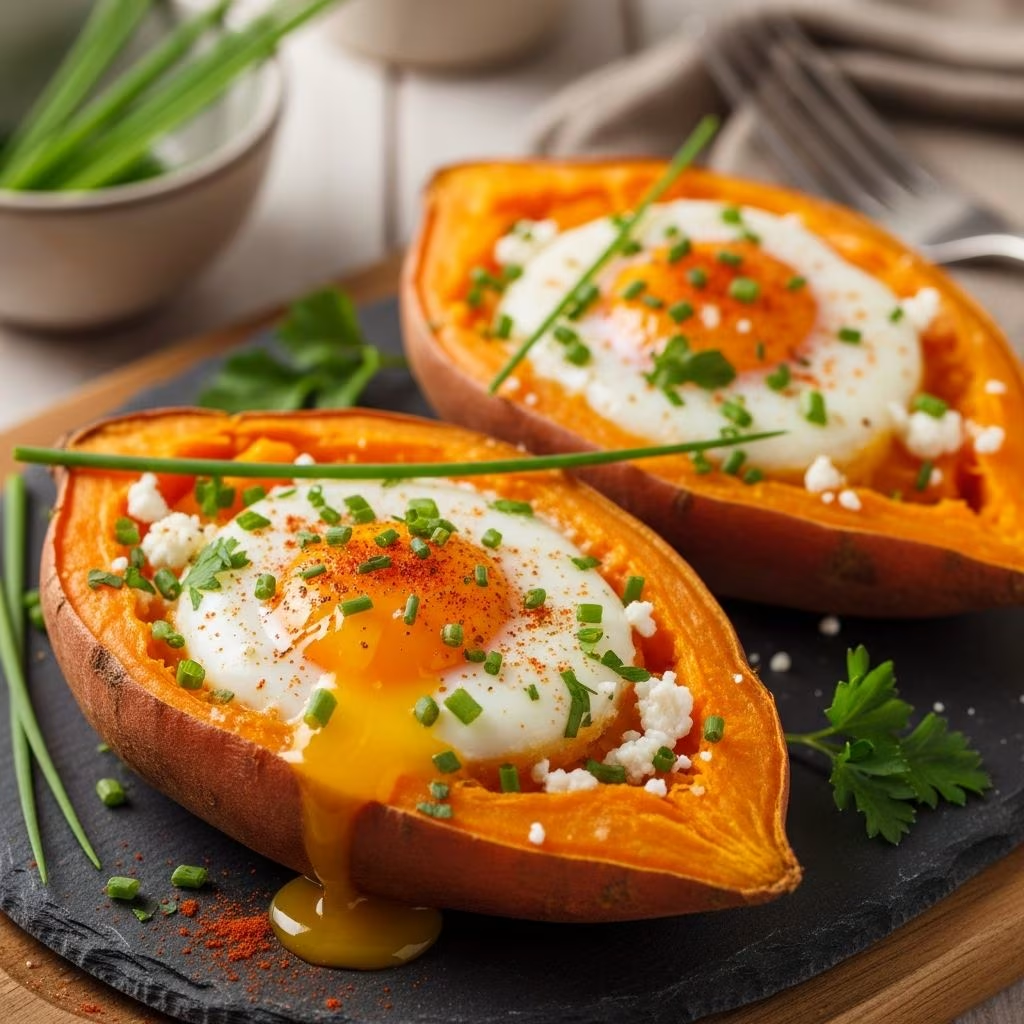
One of the most visually appealing and nutritionally balanced dishes gaining popularity in contemporary home cooking involves nestling baked eggs within roasted sweet potato halves. This preparation method transforms humble ingredients into an elegant presentation suitable for breakfast, brunch, or even light dinner occasions. The combination of naturally sweet root vegetables with protein-rich eggs creates a harmonious flavor profile while offering significant nutritional benefits that appeal to health-conscious home cooks.
Understanding the Foundation: Sweet Potatoes as Vessels
Sweet potatoes serve as an exceptional base for this dish, offering more than just visual appeal. These nutrient-dense tubers provide complex carbohydrates, dietary fiber, and essential vitamins including beta-carotene and vitamin C. When properly roasted, sweet potatoes develop a tender interior while maintaining structural integrity—a crucial factor when they’re repurposed as edible containers for eggs.
Selecting appropriately sized sweet potatoes is fundamental to successful preparation. Medium to large specimens work best, as they provide sufficient cavity space for eggs without being unwieldy. The potato’s natural shape, when halved lengthwise, creates a naturally contoured pocket that cradles eggs securely during the baking process.
Preparation Fundamentals
Initial Roasting Process
Before incorporating eggs, sweet potatoes require preliminary roasting to achieve the correct texture. This two-stage cooking approach ensures the potato flesh becomes creamy and fully tender while allowing the exterior to caramelize slightly. Begin by washing and patting dry whole sweet potatoes, then pierce their skin several times with a fork to allow steam to escape during cooking.
Place prepared potatoes directly on an oven rack positioned in the middle of your preheated oven set to 400°F (204°C). Roast for approximately 30-40 minutes, depending on potato size, until a knife easily penetrates the flesh. The potatoes should feel soft when gently squeezed with an oven mitt, indicating they’ve reached optimal tenderness.
Creating Egg-Holding Cavities
Once roasted and cool enough to handle comfortably, halve each sweet potato lengthwise using a sharp knife. Carefully scoop out a portion of the interior flesh, creating a shallow depression approximately 2-3 inches in diameter and at least 1 inch deep. This hollowed space serves dual purposes: it provides room for the egg while preventing the potato flesh from overwhelming the egg’s presence on your plate.
Reserve the scooped flesh for other culinary applications—it can be mashed for side dishes, incorporated into soups, or used as a component in other recipes. Leaving a thin layer of sweet potato flesh at the bottom of each cavity prevents eggs from direct contact with the baking surface, distributing heat more evenly.
Egg Selection and Cracking Techniques
The quality of eggs dramatically impacts the final dish’s success. Fresh, high-quality eggs produce more vibrant yolks and firmer whites when baked. Consider sourcing eggs from pastured or free-range sources when possible, as they typically offer superior flavor profiles and richer yolk color compared to conventionally produced alternatives.
Carefully crack one egg into each prepared sweet potato cavity, taking care not to break the yolk unless you specifically prefer fully cooked eggs. Whole yolks remain visible through the final dish, creating an attractive presentation element. If you accidentally break a yolk, simply continue—the dish remains delicious, though visual impact diminishes slightly.
Seasoning and Flavor Enhancement
Essential Seasonings
Before baking, season each egg with sea salt and freshly ground black pepper according to personal preference. These foundational seasonings complement both the sweetness of the potato and the delicate flavor of the egg without overpowering either ingredient.
Optional Flavor Additions
Creative home cooks frequently enhance this dish through strategic ingredient additions:
- Finely chopped fresh herbs such as chives, parsley, dill, or cilantro sprinkled before baking
- Grated cheese varieties including cheddar, feta, or goat cheese for added richness
- Diced vegetables like bell peppers, onions, or spinach nestled around the egg
- Spice additions such as smoked paprika, cayenne pepper, or curry powder for warmth and complexity
- A light drizzle of high-quality olive oil or herb-infused oil for enhanced texture
Baking Methodology and Temperature Control
Transfer prepared sweet potato halves to a baking sheet lined with parchment paper or lightly oiled. This prevents sticking while simplifying cleanup. Arrange potatoes in a single layer with egg-side facing upward, ensuring none of the eggs spill from their potato vessels.
Place the baking sheet in a preheated 375°F (190°C) oven. Baking time varies based on desired egg doneness—typically 12-18 minutes produces eggs with set whites and creamy yolks. For fully cooked yolks, extend baking to 20-22 minutes. Monitor eggs as they bake to determine your preferred consistency.
The residual heat from previously roasted potatoes continues cooking eggs after removal from the oven. Account for carryover cooking when determining when to remove the dish, removing it slightly earlier if you prefer runnier yolks.
Nutritional Profile and Dietary Considerations
This dish offers substantial nutritional advantages for various dietary approaches. Sweet potatoes contribute complex carbohydrates, fiber, and micronutrients including manganese, potassium, and vitamin A. Eggs provide complete proteins containing all essential amino acids, along with choline for brain health and lutein for eye support.
The combination creates a balanced meal with appropriate macronutrient distribution, making it suitable for ketogenic, paleo, and Mediterranean diet approaches when vegetable additions are chosen strategically. The natural sweetness of roasted potatoes pairs surprisingly well with savory egg preparations, creating sophisticated flavor layering.
Serving Suggestions and Accompaniments
Complementary Side Options
Baked eggs in sweet potato boats work exceptionally well within complete meal scenarios. Consider pairing with:
- Fresh green salads featuring vinaigrette dressings that cut through richness
- Roasted or steamed vegetables such as broccoli, asparagus, or Brussels sprouts
- Whole grain toast or crackers for textural contrast
- Avocado slices or guacamole for healthy fat inclusion
- Fresh fruit compotes or salsas for acid balance
Presentation Considerations
The inherent visual appeal of this dish makes it ideal for entertaining. Arrange sweet potato boats on warmed plates with complementary components thoughtfully positioned. Garnish with fresh herbs, a light drizzle of herb oil, or microgreens to elevate the plate’s aesthetic appeal. The golden-orange sweet potato provides striking color contrast against golden-yellow egg yolks and vibrant green herbs.
Troubleshooting Common Issues
| Challenge | Likely Cause | Solution |
|---|---|---|
| Eggs cook too quickly | Oven temperature too high | Reduce temperature by 25°F and increase baking time slightly |
| Sweet potato flesh remains firm | Insufficient initial roasting | Extend initial roasting time by 10-15 minutes before adding eggs |
| Eggs slide from cavity | Cavity too shallow or slanted | Scoop deeper cavities and ensure flat, level surface for egg placement |
| Potatoes become mushy | Over-roasting in initial stage | Reduce initial roasting time and monitor closely with knife test |
| Uneven cooking | Oven hot spots or size variation | Select similarly sized potatoes and rotate pan halfway through baking |
Scaling the Recipe for Different Occasions
This preparation method scales efficiently for various scenarios. For individual breakfast or brunch service, prepare 2-3 boats per person. For smaller servings, use medium-sized potatoes and reduce baking times proportionally. For larger gatherings, this dish accommodates batch cooking well—prepare multiple trays and stagger them through the oven as needed.
The components can be prepared in advance: roast sweet potatoes earlier in the day and reheat gently before adding eggs, or prepare egg-filled potatoes several hours ahead and refrigerate until baking time. Add 2-3 additional minutes to baking time for cold potatoes transitioning directly from refrigerator to oven.
Variations and Creative Adaptations
While the classic version using whole eggs serves as an excellent foundation, numerous variations expand possibilities. Whisk eggs with cream and fresh herbs to create custard-like textures. Layer diced vegetables, cheese, or cooked proteins into cavities before adding eggs. Experiment with different egg preparations—soft-scrambled eggs, egg mixtures containing additional vegetables, or even quail eggs for elegant presentations.
Cultural flavor profiles can transform the dish entirely. Mediterranean versions incorporate feta cheese, olives, and oregano. Asian-inspired preparations might feature soy sauce, ginger, and scallions. Indian-influenced adaptations could include curry spices and cilantro. These variations maintain the foundational technique while offering diverse flavor experiences.
Storage and Make-Ahead Strategies
Baked eggs in sweet potato boats are best consumed immediately after preparation while potatoes maintain optimal texture and eggs remain at ideal temperature. However, leftovers store reasonably well refrigerated for up to 24 hours in an airtight container. Reheat gently in a 325°F oven for 8-10 minutes until warmed through, being careful not to overcook eggs further.
Prepared but unbaked potato boats keep refrigerated for up to 48 hours before cooking. The assembled dish benefits from being baked fresh, though it can technically be prepared several hours ahead and baked just before serving.
Frequently Asked Questions
Can I use other root vegetables instead of sweet potatoes? Yes, though results vary. Regular white potatoes work but lack the natural sweetness. Beets provide beautiful color but more assertive flavor. Butternut squash offers similar sweetness but requires longer initial roasting.
What if my sweet potatoes are very large? Larger potatoes simply require extended roasting time in the initial stage. Cut them in half after roasting if they’re unwieldy, then proceed as usual with creating cavities.
Can I make this dish dairy-free or vegan? The egg component is central to this dish, making it inherently non-vegan. However, dairy additions are optional, making the basic version suitable for dairy-free diets.
How do I prevent eggs from overcooking? Monitor baking time carefully—even 2-3 additional minutes dramatically affects yolk consistency. Remove from oven slightly earlier than desired, as carryover heat continues cooking.
Can I prepare this in a slow cooker or air fryer? Air fryer methods work well—reduce temperature to 350°F and bake for 8-12 minutes depending on air fryer model. Slow cooker preparation is less reliable due to difficulty controlling egg texture.
References
- Nutrient Data Laboratory: Sweet Potato, Raw — United States Department of Agriculture. https://fdc.nal.usda.gov/
- Egg Nutrition Center: Complete Amino Acid Profile — American Egg Board. https://www.aeb.org/
- Food Safety Guidelines for Egg Preparation — United States Food and Drug Administration. https://www.fda.gov/food/
- Thermal Properties of Root Vegetables in Dry Heat Cooking — Journal of Food Science and Technology, Vol. 52, 2015. https://link.springer.com/journal/13197
- Beta-Carotene Content and Bioavailability in Cooked Sweet Potatoes — Food Chemistry, Vol. 185, 2015. https://www.sciencedirect.com/journal/food-chemistry