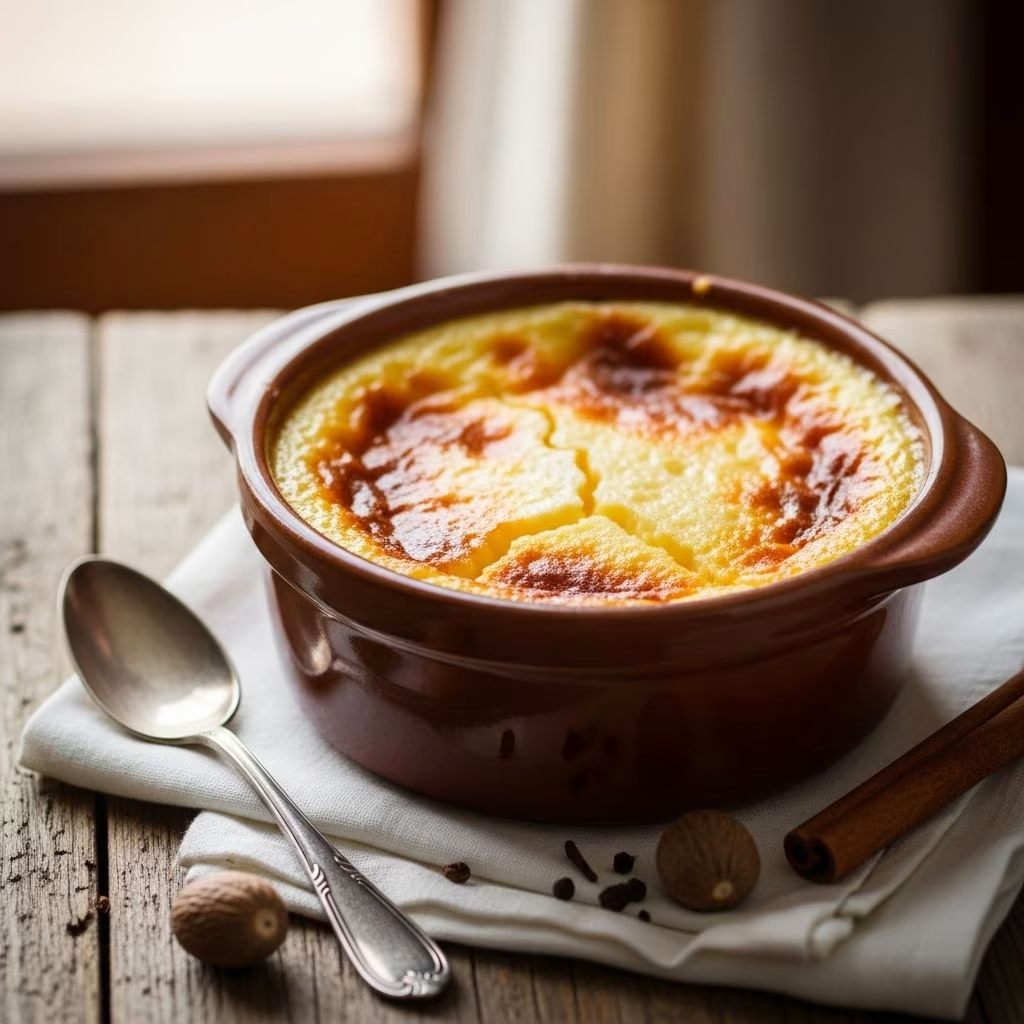
Baked egg custard represents one of the most elegant yet approachable desserts in the culinary world. This time-honored treat combines just a handful of basic pantry staples—eggs, milk, sugar, and vanilla—to create a luxuriously smooth, creamy delicacy that has graced dinner tables for generations. Whether you’re seeking a refined ending to a dinner party or a nostalgic comfort dessert, understanding the fundamentals of custard preparation transforms you from a novice baker into a confident custard creator.
Understanding the Foundation: Essential Ingredients Explained
The beauty of baked egg custard lies in its simplicity, yet each ingredient plays a crucial role in achieving the desired texture and flavor profile. Mastering the purpose of each component ensures consistent, delicious results every time you venture into the kitchen.
The Role of Eggs in Custard Structure
Eggs serve as the primary thickening agent in custard, providing both structure and richness to the final dish. The proteins in eggs coagulate when exposed to heat, creating the signature silky texture that defines a properly baked custard. Most traditional recipes call for whole eggs, though some variations incorporate additional egg yolks for an even more decadent consistency. The typical ratio ranges from 2 to 6 eggs per cup of milk, depending on desired richness and the final serving size.
Milk and Cream: Building the Creamy Base
The liquid component of your custard determines both the flavor depth and textural quality. While whole milk alone creates a satisfying custard, combining milk with heavy cream or half-and-half produces a noticeably richer, more luxurious result. Most home bakers find that a blend of 2% or whole milk with cream offers an ideal balance between indulgence and practicality. The typical proportion involves 2 to 4 cups of milk per 4 to 6 eggs, though these ratios remain flexible based on personal preference and recipe variations.
Sugar: More Than Just Sweetness
Beyond providing sweetness, sugar plays multiple roles in custard preparation. It dissolves into the egg mixture, creating a smooth base, and subtly raises the coagulation point of the proteins, which actually helps prevent overcooking and curdling. Most recipes call for between 1/4 cup and 2/3 cup of sugar, adjusted to personal taste preferences and the desired level of sweetness.
Vanilla and Spices: Aromatic Finishing Touches
Vanilla extract or vanilla bean paste imparts a warm, sophisticated flavor that complements the custardy richness. Ground nutmeg, sprinkled over the top before baking, provides a subtle spicy note that has become iconic in traditional custard recipes. Some adventurous bakers experiment with cinnamon, mace, or other warm spices to create unique flavor variations that honor historical recipes and personal innovation.
Step-by-Step Preparation: From Mixing to Baking
Success in custard making depends on understanding and executing each preparation step with care and attention to detail. The following process represents a reliable method used by countless home bakers and professional pastry chefs.
Preparing Your Ingredients
- Gather all ingredients at room temperature to promote even mixing and consistent results
- Preheat your oven to 325 to 350 degrees Fahrenheit, depending on your recipe’s specific requirements
- Prepare your baking vessel—either a single large casserole dish, individual ramekins, or custard cups
- Set up a water bath by having a larger baking pan ready for the hot water that will surround your custard
Combining Dry Ingredients with Eggs
In a large mixing bowl, combine eggs, sugar, and salt, whisking vigorously until well blended. This mixing stage is crucial—proper whisking ensures that the sugar dissolves evenly and air incorporates throughout the mixture, promoting a lighter texture. Whisk until the mixture appears smooth and uniform, typically for about one minute of continuous whisking.
Heating and Incorporating Milk
In a separate saucepan, heat your milk (and cream, if using) to approximately 180 degrees Fahrenheit, or until small bubbles form around the edges of the pan. Avoid bringing the mixture to a full boil, as this can affect the final custard’s texture. Once the milk reaches the proper temperature, slowly add it to the egg mixture while continuously whisking. This gradual incorporation prevents the eggs from scrambling and ensures a smooth, homogeneous custard base. Add the milk in a thin stream, whisking constantly, then continue whisking for an additional minute after all the milk has been incorporated.
Straining for Ultimate Smoothness
After combining all wet and dry ingredients, pour the entire mixture through a fine-mesh strainer into your prepared baking dish or individual vessels. This crucial step removes any small lumps of unincorporated egg white and ensures the silkiest possible texture in your finished custard. Take your time with this step—straining represents the difference between good custard and exceptional custard.
Adding the Finishing Touch
Once strained into your baking vessel, sprinkle a light coating of freshly grated nutmeg over the top. This not only creates an appealing visual presentation but also adds an authentic flavor dimension that echoes custard traditions spanning centuries.
The Water Bath Method: Why It Matters
The water bath, or bain-marie, represents one of the most important techniques in custard baking. This method involves placing your filled baking dish into a larger pan filled with hot water, which rises to approximately halfway or one inch below the rim of your custard dish. The water bath accomplishes several essential functions:
- Provides gentle, even heat distribution that prevents the custard from overcooking on the sides while remaining undercooked in the center
- Protects delicate proteins from the direct, intense heat of the oven
- Creates a moist baking environment that prevents the custard surface from drying out or developing cracks
- Allows the custard to cook evenly throughout, achieving that perfect balance between set sides and slightly jiggly center
Baking Time and Temperature: Achieving Perfect Doneness
Baking temperature typically ranges from 325 to 350 degrees Fahrenheit, with baking time extending from 45 to 60 minutes depending on your oven, vessel size, and recipe specifications. The key to determining doneness involves understanding what a properly baked custard should look like. The custard is finished when a sharp knife inserted near the center comes out clean or nearly clean, yet the custard still jiggles slightly when gently shaken. Some bakers prefer using an instant-read thermometer, which should register approximately 190 degrees Fahrenheit at the center.
Recognizing the signs of a perfectly baked custard helps avoid common mistakes. The top surface should appear set but retain a slight jiggle when moved, and the edges should be slightly firmer than the center. These characteristics indicate a custard that will set further as it cools while maintaining that signature creamy, delicate consistency.
Cooling and Storage: Preserving Your Creation
Once removed from the oven, transfer your custard to a wire rack and allow it to cool to room temperature. This gradual cooling process prevents thermal shock and allows the custard to set further. Once cooled completely, refrigerate until chilled thoroughly before serving. Properly stored baked egg custard maintains its quality for 3 to 4 days when kept in an airtight container in the refrigerator.
Common Challenges and Troubleshooting Solutions
| Problem | Likely Cause | Solution |
|---|---|---|
| Curdled or grainy texture | Overcooking or milk temperature too high | Lower oven temperature, reduce baking time, or add milk more gradually |
| Watery liquid pooling on surface | Underbaking or insufficient setting time | Bake longer, or refrigerate for additional hours before serving |
| Dry, tough texture | Overcooking or insufficient water bath | Use lower temperature, add more water to bath, or remove from oven earlier |
| Lumpy or uneven consistency | Inadequate straining or uneven mixing | Always strain through fine mesh, whisk thoroughly when combining ingredients |
| Cracked surface appearance | Oven temperature too high or water bath too shallow | Lower temperature or ensure water reaches proper level around dish |
Serving Suggestions and Creative Variations
While traditional baked custard served plain or with fresh berries never goes out of style, numerous serving possibilities elevate this humble dessert. Consider topping warm custard with whipped cream and fresh raspberries, or serve chilled with candied fruit and a drizzle of caramel sauce. Some creative adaptations include:
- Sprinkling cinnamon sugar or brown sugar on top before baking for textural contrast
- Infusing the milk with tea, espresso, or other flavorings before combining with eggs
- Incorporating citrus zest into the egg mixture for brightness and complexity
- Baking individual ramekins for elegant single-serving presentations
- Creating layered desserts with crushed cookies, nuts, or fruit compotes
Frequently Asked Questions
Can I use egg whites only, or do I need the yolks?
Whole eggs are preferred for the richest texture and best thickening power. While egg whites alone will technically create a custard, the result will be less rich and have a different mouthfeel. Yolks contribute flavor and create the silky texture that defines quality custard.
What’s the difference between baked custard and crème brûlée?
While both use similar base ingredients, crème brûlée contains more cream and egg yolks, making it richer and denser. Crème brûlée also features a caramelized sugar top, while baked custard traditionally remains plain or nutmeg-topped. Additionally, baked custard is baked in a water bath until set, while crème brûlée uses ramekins and a torch for the signature crackling top.
Can I make custard without a water bath?
While possible, using a water bath produces significantly better results by ensuring even cooking and preventing overcooking. However, some bakers skip the water bath by using extremely low temperatures (300 degrees Fahrenheit) and monitoring carefully. This method requires greater attention and carries higher risk of failure.
How do I know if my custard has gone bad?
Check for off odors, visible mold, or separation of liquid from the custard. Properly stored custard remains safe for 3 to 4 days refrigerated. When in doubt, discard the batch rather than risk foodborne illness.
Can I freeze baked custard?
Freezing is possible but may affect texture slightly. Custard that has been frozen sometimes becomes slightly grainy upon thawing. For best results, consume fresh within the 3 to 4 day refrigeration window.
Historical Context: Understanding Custard’s Heritage
Baked egg custard represents a dessert with deep historical roots in culinary traditions. Historical recipes dating back centuries showcase how custard evolved from simple preparations to the refined dessert enjoyed today. Understanding this heritage connects modern bakers to generations of cooks who perfected these timeless techniques, making each homemade custard a celebration of culinary continuity.
Conclusion: Mastering a Timeless Classic
Creating perfect baked egg custard involves understanding fundamental ingredients, respecting proper techniques, and learning from experience. This approachable yet elegant dessert rewards attention to detail with results that impress family and friends while requiring only the most basic pantry staples. Whether you’re revisiting childhood memories or discovering custard for the first time, mastering this classic technique opens doors to countless variations and creative possibilities, all built on the solid foundation of this timeless dessert.
References
- My Country Table – Baked Egg Custard — My Country Table. 2024. https://mycountrytable.com/baked-egg-custard/
- A Feast For The Eyes – The Best Baked Egg Custard — A Feast For The Eyes. 2025. https://afeastfortheeyes.net/2025/04/baked-egg-custard.html
- The View from Great Island – Baked Custard — The View from Great Island. 2024. https://theviewfromgreatisland.com/custard-recipe/