Understanding the Appeal of This Classic Appetizer
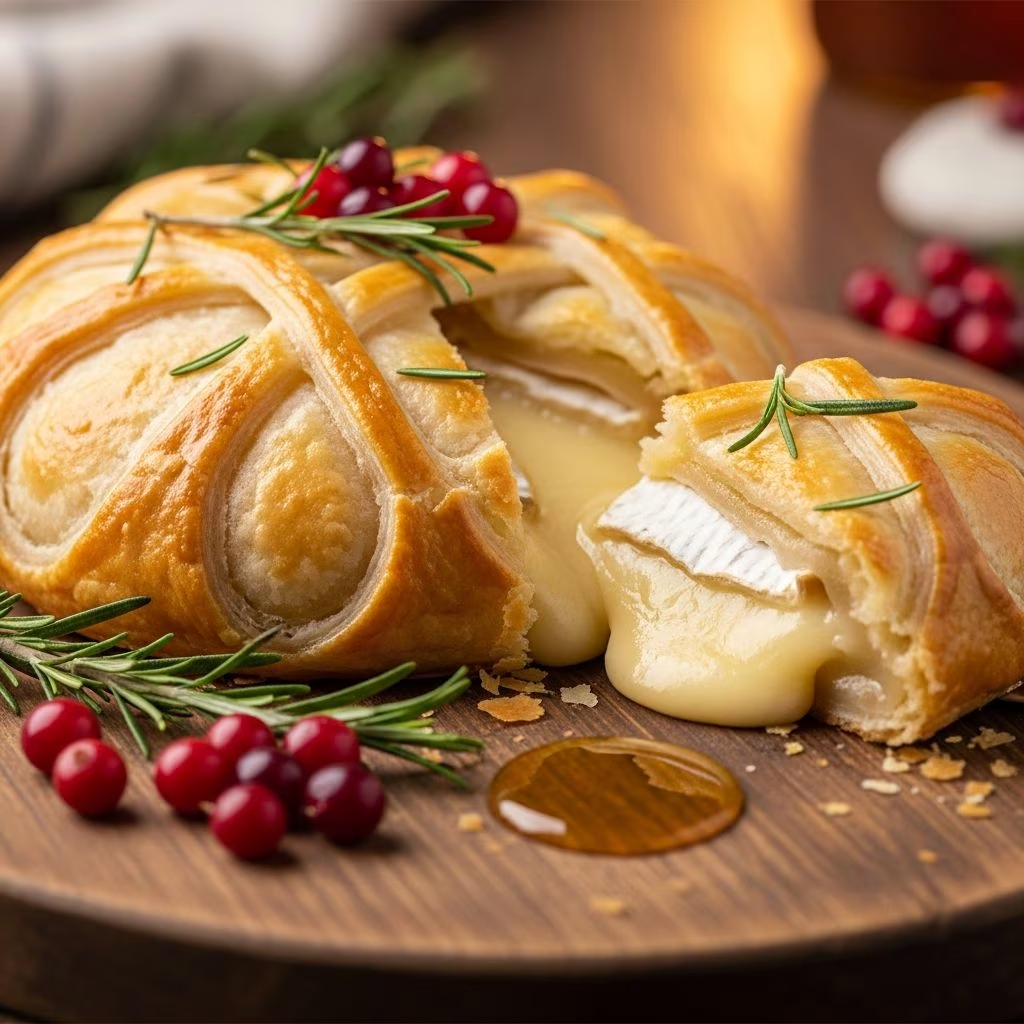
When searching for an appetizer that balances simplicity with sophistication, few options rival the combination of melted brie encased in golden puff pastry. This dish has become a staple on appetizer tables for good reason: it requires minimal ingredient preparation while delivering restaurant-quality results that leave guests impressed. The contrast between the buttery, crispy exterior and the warm, creamy interior creates a textural experience that elevates any gathering from casual to refined.
The beauty of this particular appetizer lies in its versatility. Whether you’re hosting an intimate dinner party, celebrating a holiday, or attending a potluck, this recipe adapts seamlessly to various occasions and complementary flavors. The foundation remains consistent, but the toppings and flavor combinations can transform this classic into something uniquely suited to your event’s theme or your personal preferences.
Essential Components and Their Roles
Creating a successful brie appetizer requires understanding what each component contributes to the final result. The quality of your ingredients significantly impacts the outcome, so selecting them thoughtfully is worth the effort.
The Cheese Foundation
Brie cheese serves as the centerpiece of this dish, chosen specifically for its creamy texture and ability to melt into a luxurious consistency when heated. The rind of the brie can remain intact during cooking, as it holds the melted interior together while providing structural support. An 8-ounce wheel represents the standard size, though you can adjust based on your serving needs or portion preferences. The cheese’s mild, buttery flavor serves as a perfect canvas for both sweet and savory toppings.
The Pastry Shell
Puff pastry forms the protective exterior and contributes significantly to the dish’s appeal through its flaky, layered texture. Store-bought frozen puff pastry simplifies preparation considerably, requiring only thawing before use. The pastry’s butter content creates the golden-brown color and crispy texture that contrasts beautifully with the melted cheese. Proper handling of the pastry—avoiding overworking it and maintaining cold temperatures—ensures it puffs properly during baking rather than becoming dense.
The Binding Agent
An egg wash serves a dual purpose in this recipe: it helps seal the pastry edges together while creating a glossy, golden-brown finish during baking. Combining one egg yolk with a tablespoon of water creates the ideal consistency for brushing without adding excess moisture that might prevent proper puffing.
Step-by-Step Preparation Process
Understanding the preparation sequence ensures consistent results and prevents common mistakes. Each step builds upon the previous one, so following the progression carefully matters.
Initial Preparation and Setup
Begin by preheating your oven to 425°F, allowing it to reach the proper temperature before your pastry-wrapped brie enters. Line a baking sheet with parchment paper or a silicone mat to prevent sticking and facilitate cleanup. Prepare your egg wash by whisking together one egg yolk with one tablespoon of water in a small bowl, setting it aside within arm’s reach of your workspace.
Pastry Preparation
Remove your frozen puff pastry from the freezer and allow it to thaw for the time specified on its packaging, typically 30-40 minutes. Once thawed, unfold the pastry sheet onto a lightly floured surface. Using a rolling pin, gently roll the pastry to ensure it has sufficient size to completely encase your brie wheel. The pastry should be thin but sturdy enough to handle without tearing—approximately 1/8-inch thickness works well. If your pastry sheet is square, you may only need minimal rolling; if rectangular, roll it into a square shape that comfortably accommodates the cheese.
Cheese Positioning and Topping Application
Place the pastry sheet on your prepared baking sheet, then position the brie wheel in the center of the pastry. This central placement ensures you have adequate pastry around all sides to create a complete seal. At this stage, add your chosen toppings directly onto the top of the brie. Whether you opt for honey drizzle, jam, nuts, fresh herbs, or savory ingredients, distribute them evenly across the cheese’s surface. The toppings will sink slightly into the cheese as it melts, creating a cohesive flavor profile.
Pastry Wrapping Technique
Carefully fold the edges of the puff pastry up and over the top of the brie, creating overlapping sections that completely cover the cheese. Work methodically around the brie, gently brushing each folded section with your egg wash as you progress. This egg wash acts as an adhesive, helping each layer of pastry adhere to the previous one and creating an appealing golden-brown exterior. Continue until all pastry edges have been folded and sealed, pressing gently to ensure a secure closure that prevents filling from escaping during baking.
The Baking Process
Place your prepared appetizer in the preheated oven and bake for approximately 25 minutes, monitoring as it approaches completion. The puff pastry should transform into a deep golden-brown color, and any honey or jam toppings may bubble slightly around the pastry edges. This bubbling indicates the cheese has heated through and begun melting. Remove the baked brie from the oven and allow it to rest for just a minute or two before serving—this brief resting period lets the structure stabilize slightly, making it easier to transfer to a serving platter.
Flavor Variation Strategies
The fundamental recipe serves as a starting point for numerous flavor combinations that cater to different preferences and seasonal considerations.
Sweet Accompaniments
Honey represents the classic sweet topping, its floral notes complementing brie’s buttery character beautifully. Fruit preserves—particularly fig, apricot, or raspberry—add more pronounced sweetness and fruity complexity. Caramelized onions provide a slightly sweet undertone while introducing savory depth. For holiday entertaining, cranberry sauce or peach jam create festive variations with strong visual appeal.
Savory and Herbaceous Options
Combining crispy bacon pieces with fresh basil creates a sophisticated flavor profile that appeals to those preferring savory profiles. Dijon mustard brushed onto the cheese before wrapping introduces sharp, tangy notes that cut through the richness. Fresh rosemary, thyme, or oregano scattered across the top impart aromatic qualities that elevate the overall sensory experience. Finely chopped nuts—particularly pecans, walnuts, or almonds—add textural interest and subtle nutty flavors.
Combined Flavor Approaches
Experimenting with multiple components simultaneously creates more complex flavor experiences. Pairing honey with fresh thyme produces an earthy-sweet combination. Mixing jam with finely chopped nuts creates textural variation while balancing flavors. Combining mustard with fresh herbs generates a bold, sophisticated profile suitable for more adventurous entertaining.
| Flavor Profile | Primary Topping | Secondary Components | Best Occasion |
|---|---|---|---|
| Classic Sweet | Honey | Sliced almonds | Elegant dinner parties |
| Festive Fruit | Cranberry sauce | Pecans, fresh rosemary | Holiday gatherings |
| Savory Herbal | Dijon mustard | Fresh basil, bacon | Cocktail hours |
| Autumn Harvest | Fig jam | Walnuts, thyme | Fall entertaining |
Serving Strategies and Presentation
How you present this appetizer significantly impacts the overall impression it makes on your guests. Serving the baked brie immediately after removal from the oven ensures optimal texture—the pastry remains at its crispest while the cheese maintains its molten interior.
Transfer the entire brie to a serving platter or wooden board, positioning it centrally for visual prominence. Arrange an assortment of accompaniments around the brie: an array of crackers in varying shapes and textures, sliced cured meats such as prosciutto or salami, fresh and dried fruits, olives, and perhaps small cheese cubes. This arrangement creates an attractive board that encourages guests to construct their own bites, combining the warm brie with their preferred accompaniments.
Provide small spreaders or knives so guests can easily portion the melted brie from the wheel. Small plates and napkins positioned nearby prevent mess and make the serving experience more enjoyable. If you’re serving this at a standing reception, consider portioning the baked brie into smaller individual servings beforehand, plating each with a small selection of crackers and accompaniments for easier guest access.
Timing Considerations for Entertaining
Strategic timing ensures your baked brie reaches the table at peak temperature and texture. If preparing for a specific gathering time, calculate backward from when you want to serve. The entire preparation process—from thawing pastry to removing the finished product from the oven—requires approximately 45 minutes. If your oven is occupied with other dishes, consider using a toaster oven for the brie, as it bakes successfully at the same temperature.
You can prepare the brie-wrapped pastry several hours in advance, covering and refrigerating it until baking time. This advance preparation reduces last-minute stress when hosting. Simply remove from the refrigerator 10-15 minutes before baking to allow the pastry to come closer to room temperature, which actually facilitates more even baking. If your pastry has been refrigerated, you may need to add 2-3 minutes to the baking time.
Troubleshooting Common Challenges
Understanding potential issues and their solutions prevents disappointment during preparation.
Pastry Not Puffing: This typically results from pastry being too warm before baking or from overworking the dough. Ensure your pastry is adequately thawed but still cold when you work with it. Handle it minimally and avoid stretching or manipulating it excessively.
Filling Leaking Out: Inadequate sealing allows melted cheese to escape. Ensure your pastry completely covers the brie and that you’ve brushed egg wash between each layer to create proper adhesion. Press the edges together firmly without tearing.
Pastry Browning Too Quickly: If your pastry is darkening before the cheese has heated through, tent it loosely with foil during the final few minutes of baking, then remove the foil to allow final browning.
Cheese Not Melting Completely: Ensure your oven temperature is accurate by using an oven thermometer. If your brie appears under-melted but the pastry has achieved proper browning, return it to the oven for an additional 3-5 minutes.
Frequently Asked Questions
Can I prepare this appetizer the day before serving?
Yes, you can wrap the brie in pastry, cover it tightly with plastic wrap, and refrigerate for up to 24 hours before baking. Allow it to sit at room temperature for 10-15 minutes before baking, as this helps the pastry puff more evenly.
What if I don’t have puff pastry?
While puff pastry provides the ideal flaky texture, you could substitute phyllo dough, though the result will be different—thinner and crispier rather than puffy. Pizza dough or pie crust would also work as alternatives, though they won’t achieve the same puffing effect.
Can I serve this appetizer cold?
While technically possible, serving it at room temperature rather than hot results in firmer cheese that doesn’t have the same luxurious texture. If you must prepare it ahead, reheat in a 325°F oven for 10-15 minutes before serving.
How many people does one baked brie serve?
An 8-ounce wheel typically serves 8-12 people as an appetizer, depending on what else you’re serving and the portion sizes guests typically take.
Can I make individual servings instead of one large wheel?
Yes, cut puff pastry into squares, divide brie into portions, and wrap each individually. Reduce baking time to 15-18 minutes for these smaller servings.
Concluding Thoughts on This Elegant Appetizer
This baked brie appetizer represents the perfect intersection of simplicity and sophistication. With minimal hands-on time and ingredient preparation required, you achieve results that appear far more complex than the effort invested. The ability to customize flavors while maintaining the fundamental structure makes it an endlessly adaptable option for varied entertaining scenarios. Whether you’re an experienced entertainer seeking reliable appetizer options or someone building confidence in the kitchen, this recipe delivers impressive results consistently, making it an invaluable addition to your entertaining repertoire.
References
- Glorious Treats — Glorious Treats. Accessed April 10, 2026. https://www.glorioustreats.com/baked-brie-in-puff-pastry/
- Amy’s Nutrition Kitchen — Amy’s Nutrition Kitchen. Accessed April 10, 2026. https://www.amysnutritionkitchen.com/baked-brie-in-puff-pastry/
- Kevin Is Cooking – Brie Puff Pastry Bites — Kevin Is Cooking. Accessed April 10, 2026. https://keviniscooking.com/savory-sweet-baked-brie-bites/
- Taste And See – Baked Brie in Puff Pastry with Honey and Almonds — Taste And See. Accessed April 10, 2026. https://tasteandsee.com/baked-brie-in-puff-pastry-with-honey-and-almonds-2/
- Your Home Based Mom – Baked Brie in Puffed Pastry — Your Home Based Mom. Accessed April 10, 2026. https://www.yourhomebasedmom.com/basil-bacon-peach-baked-brie/
- Well Plated – Brie Bites Easy Puff Pastry Appetizer — Well Plated. Accessed April 10, 2026. https://www.wellplated.com/brie-bites/