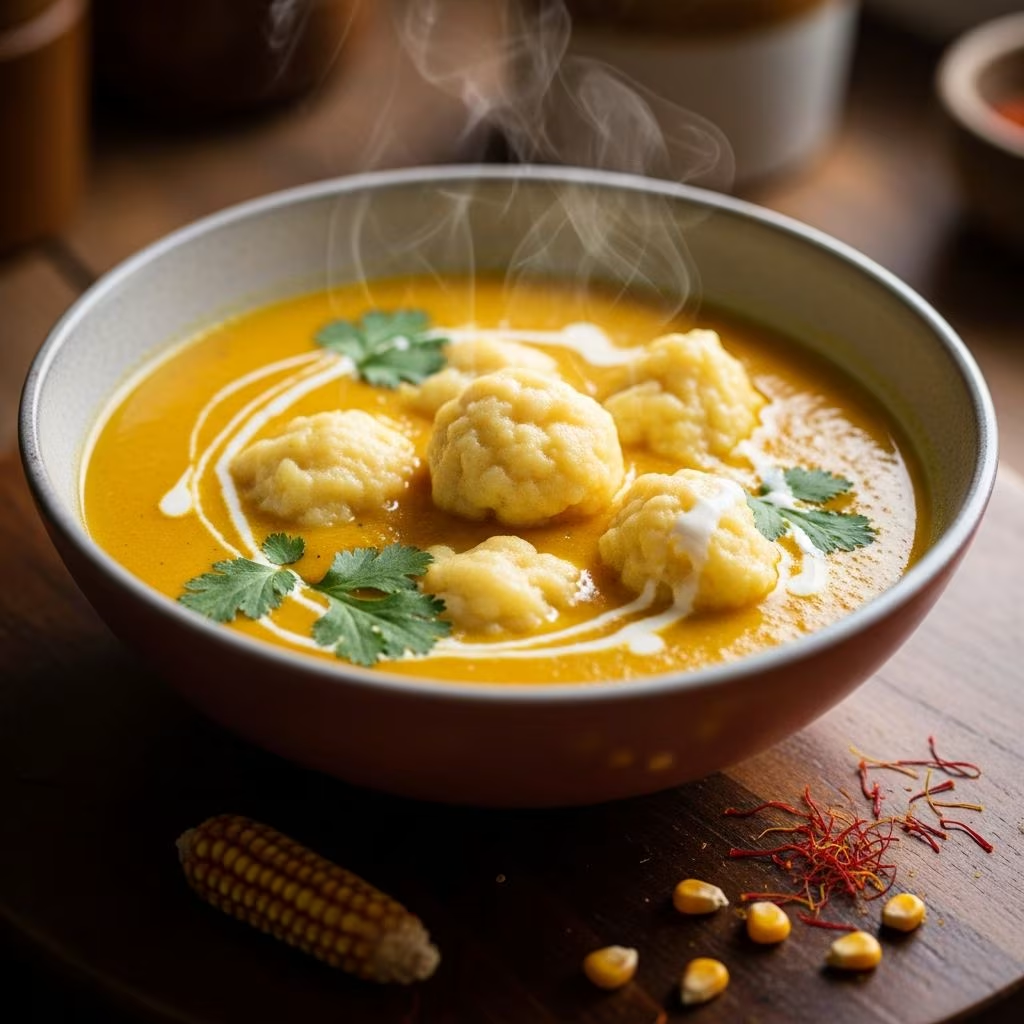
Deep in the heart of the American Southwest, where arid landscapes meet resilient culinary traditions, Azafrán soup stands as a testament to Native American ingenuity. This vibrant dish marries the earthy notes of azafrán—a wild safflower native to the region—with tender spinach greens and fluffy yellow cornmeal dumplings. Far from a simple meal, it’s a celebration of indigenous ingredients and cooking methods passed down through generations.
The Roots of Azafrán in Native Kitchens
Azafrán, often mistaken for saffron due to its similar hue, is Carthamus tinctorius, a plant long foraged by Southwest tribes. Unlike expensive imported saffron, azafrán grows wild in the high deserts, offering a budget-friendly way to infuse soups with golden color and subtle bitterness. Historical accounts from Native communities highlight its use in stews and broths, providing both flavor and visual appeal to everyday meals.
In traditional preparations, azafrán flowers are dried and ground, releasing their vivid pigments into boiling water. This practice not only enhances taste but also symbolizes the connection to the land. Today, while commercial versions are available, foragers still seek out wild patches, preserving ancient knowledge amid modern convenience.
Essential Ingredients for Authentic Flavor
Crafting Azafrán soup requires a balance of fresh, wholesome components. The base broth draws from vegetables and herbs common in Native pantries, while the dumplings add heartiness.
- Azafrán petals: 2 tablespoons, dried and crumbled, for color and mild tang.
- Spinach greens: 4 cups fresh, chopped, providing iron-rich nutrition and freshness.
- Yellow cornmeal: 1 cup finely ground, the star of the dumplings for authentic texture.
- All-purpose flour: ¾ cup, to bind the dumpling dough.
- Baking powder: 2 teaspoons, for lift in dumplings.
- Seasonings: Salt, white pepper, sugar for balance.
- Butter and milk: 1 teaspoon each, for rich dumpling batter.
- Broth base: Vegetable or chicken stock, 6 cups, simmered with onions and garlic.
These ingredients reflect the resourcefulness of Southwest cooks, relying on corn—a sacred crop—and local greens.
Step-by-Step Guide to Preparing the Soup
Preparation is straightforward, yielding 4-6 servings in under an hour. Begin with the broth for layered flavors.
- Prepare the azafrán infusion: Steep 2 tablespoons crumbled petals in 1 cup hot water for 10 minutes. Strain for a golden liquid.
- Build the soup base: In a large pot, sauté 1 diced onion and 2 minced garlic cloves in 2 tablespoons oil until soft. Add 6 cups broth, azafrán infusion, and 2 chopped potatoes. Simmer 15 minutes.
- Incorporate greens: Stir in 4 cups spinach and optional kale or chard. Cook until wilted, about 5 minutes. Season with salt and pepper.
- Make dumpling batter: Whisk 1 cup cornmeal, ¾ cup flour, 2 tsp baking powder, 1 tsp salt, 1 tsp white pepper, and 2½ tsp sugar. Cut in 1 tsp butter, then add ½ cup milk to form a thick batter.
- Drop and cook dumplings: Spoon batter by tablespoons into simmering soup. Cover and steam 10-12 minutes until puffed and firm.
- Rest and serve: Let stand 5 minutes off heat. Ladle into bowls, garnishing with fresh herbs.
This method ensures dumplings absorb soup flavors without disintegrating, a trick honed over centuries.
Nutritional Profile and Health Benefits
Azafrán soup is more than comforting—it’s nutrient-dense. A single serving offers approximately 350 calories, with high fiber from cornmeal and greens (12g total), protein from dumplings (10g), and vitamins A and C from spinach (over 100% DV).
| Nutrient | Per Serving | % Daily Value |
|---|---|---|
| Calories | 350 | 18% |
| Protein | 10g | 20% |
| Fiber | 12g | 43% |
| Vitamin A | 5000 IU | 100% |
| Iron | 4mg | 22% |
Cornmeal provides complex carbs for sustained energy, while spinach combats anemia. Azafrán adds antioxidants, supporting heart health. Ideal for vegan adaptations by using plant milk.
Cultural Significance in Southwest Traditions
This soup embodies the ‘Three Sisters’ philosophy—corn, beans, squash—extended to greens and foraged plants. In books like Foods of the Southwest Indian Nations by Lois Ellen Frank, it’s showcased as a bridge between past and present. Tribal gatherings often feature it during winter feasts, fostering community bonds.
Chefs like Frank emphasize sustainability, encouraging home cooks to source local equivalents. Its adaptability honors diverse tribal practices, from Navajo to Hopi influences.
Creative Variations and Serving Ideas
While traditional, the recipe invites innovation:
- Protein boost: Add shredded chicken or beans.
- Spice it up: Incorporate green chiles for New Mexico heat.
- Gluten-free: Swap flour for more cornmeal or almond flour.
- Vegetable medley: Mix in zucchini or carrots for color.
Pair with frybread or posole for a full meal. For dessert, try corn pudding.
Common Challenges and Pro Tips
Dumplings too dense? Ensure baking powder is fresh and don’t overmix batter. Soup too bitter? Balance azafrán with a pinch of honey. High-altitude cooks: Increase milk slightly for hydration.
- Tip: Freeze extra dumplings for quick soups.
- Storage: Refrigerate up to 3 days; reheat gently.
Frequently Asked Questions (FAQs)
What is azafrán, and where can I find it?
Azafrán is Mexican safflower, available at Latin markets or online. Substitute with turmeric for color.
Can I make this soup vegan?
Yes, use vegetable broth and plant-based milk or water in dumplings.
How do I know when dumplings are done?
They float and firm up after 12 minutes; test one for doneness.
Is this recipe freezer-friendly?
Soup freezes well for 2 months; add fresh dumplings upon reheating.
What pairs best with Azafrán soup?
Fresh tortillas, green salad, or cornbread complement its flavors.
Preserving Native Culinary Legacy
Azafrán soup isn’t just food; it’s heritage in a bowl. By recreating it, you support indigenous agriculture and stories. Experiment mindfully, respecting origins while enjoying its warmth on cold days. Whether for family dinners or cultural exploration, this dish nourishes body and soul.
References
- Foods of the Southwest Indian Nations — Lois Ellen Frank. 2002. https://www.eatyourbooks.com/library/recipes/1661303/azafran-soup-with-spinach-greens
- Native American Cooking: Foods of the Southwest Indian Nations — Lois Ellen Frank. 2015. https://www.eatyourbooks.com/library/recipes/1665508/azafran-soup-with-spinach-greens
- Azafran Soup Recipe Instructions — Astray Recipes. N/A. https://www.astray.com/recipes/?show=Azafran+soup+with+spinach+greens+and+yellow+cornmeal+dumpli
- Azafran Soup Ingredients and Nutrition — NutriFoodIndex. N/A. https://nutrifoodindex.com/recipe/azafran-soup-with-spinach-greens-and-yellow-cornmeal-dumpli-recipe