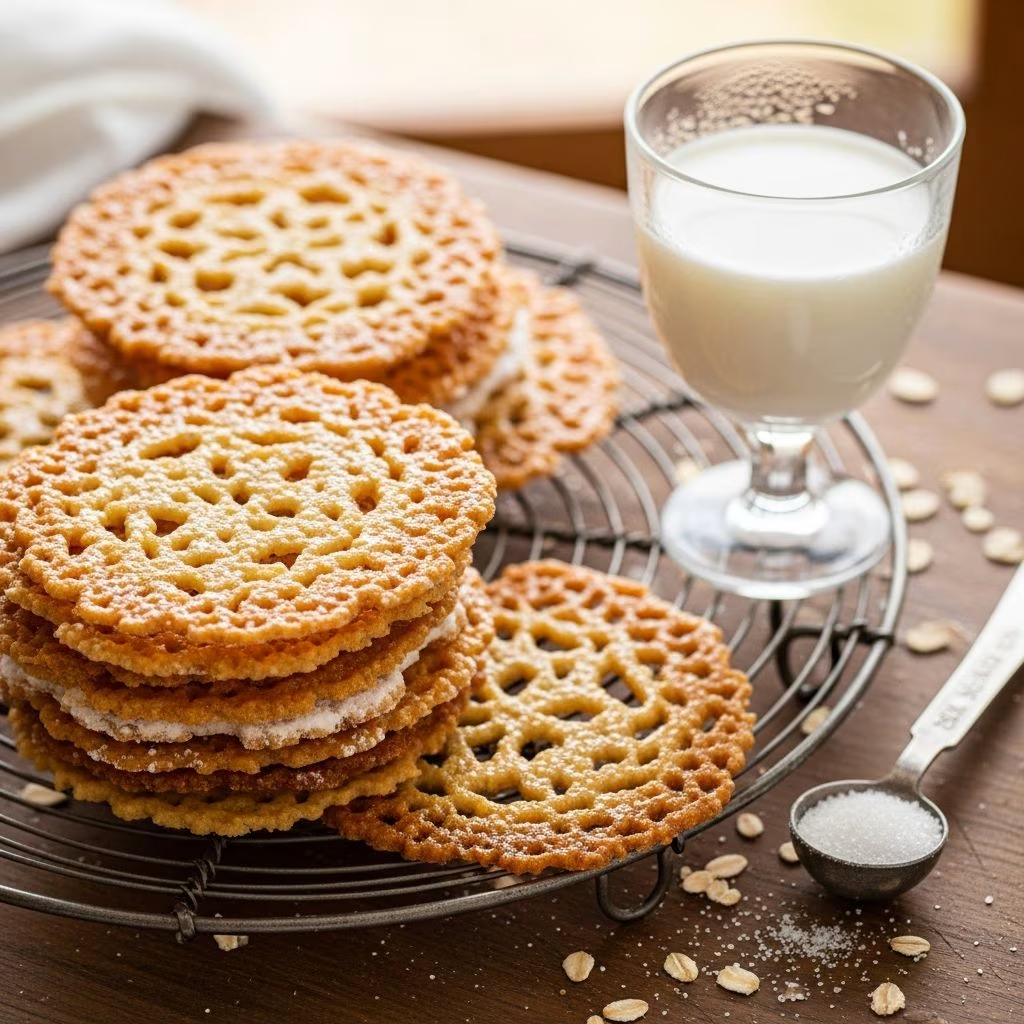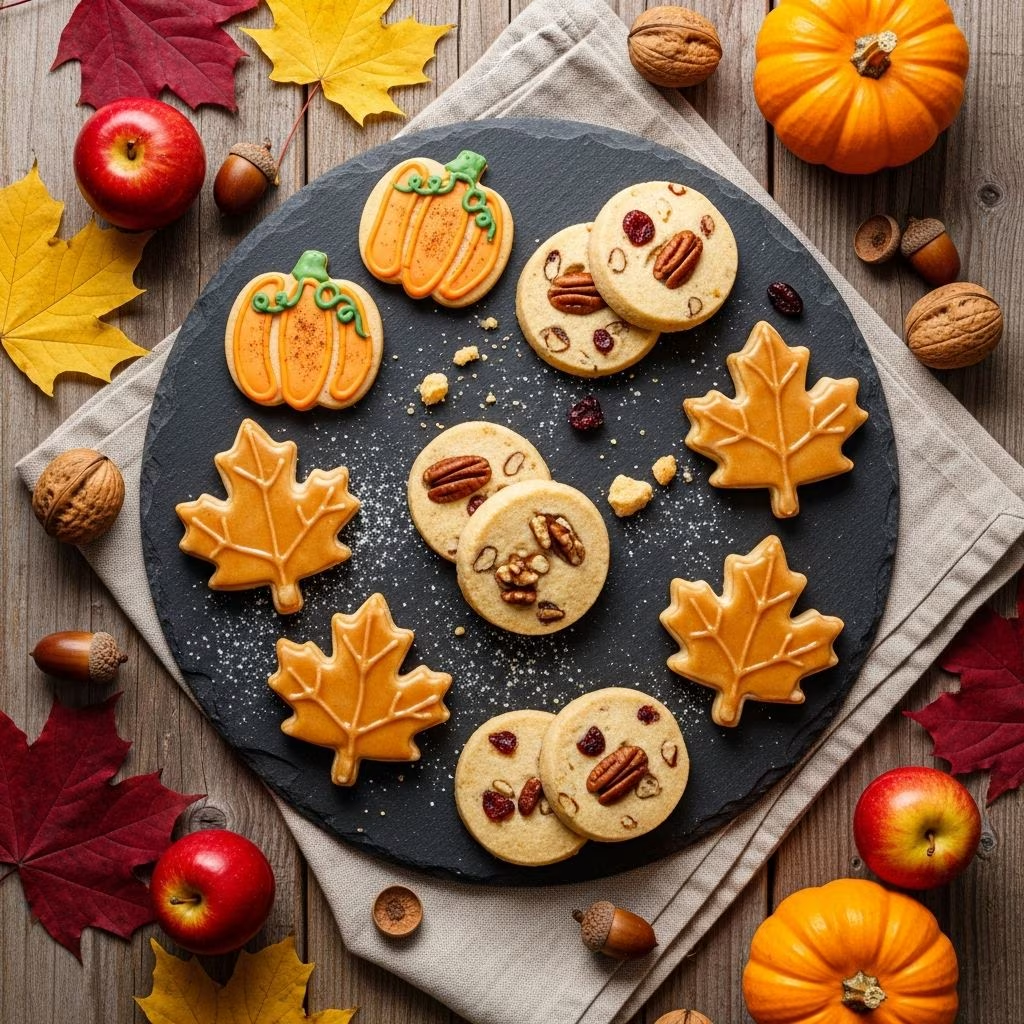
When the leaves begin to turn golden and the air becomes crisp, there’s no better way to celebrate the season than with homemade baked goods that capture the essence of fall. Autumn harvest cookies represent the perfect intersection of comfort, tradition, and seasonal ingredients. These delightful treats combine the warmth of traditional baking spices with the natural sweetness of dried fruits and the satisfying texture of oats and nuts, creating a cookie that feels both indulgent and grounded in the flavors we crave as temperatures drop.
Whether you’re planning a gathering with friends and family or simply want to fill your kitchen with the aromatic warmth of freshly baked cookies, understanding the fundamentals of autumn harvest cookie baking will elevate your culinary efforts. This comprehensive guide explores everything from ingredient selection to baking techniques, helping you create cookies that taste homemade and genuine.
Understanding the Foundation: Core Ingredients
The success of autumn harvest cookies begins with understanding each ingredient’s role in the final product. Unlike simple sugar cookies, harvest-themed variations rely on multiple components working in harmony to deliver complex flavors and appealing textures.
The Base: Butter and Sugars
Quality butter forms the foundation of exceptional cookies, providing richness and structure. Most autumn harvest cookie recipes utilize both granulated and brown sugar, with brown sugar being particularly important for adding moisture and a subtle caramel flavor. When measuring brown sugar, packing it firmly into your measuring cup ensures you capture the maximum amount, which translates to deeper flavor complexity in your finished cookies. The combination of two sugar types creates a cookie that’s neither too cake-like nor too thin and crispy.
Flour and Rising Agents
All-purpose flour serves as the structural backbone, while baking soda provides the necessary lift during baking. Some variations incorporate whole wheat flour, which adds a slightly nutty undertone and increases nutritional value without compromising texture. The balance between flour and leavening agent determines whether your cookies will be chewy or more substantial, so precise measurements matter considerably.
Spice Profile
The hallmark of autumn harvest cookies lies in their distinctive spice blend. Cinnamon and nutmeg are non-negotiable, creating the warm, nostalgic flavors associated with fall baking. Pumpkin pie spice, a pre-made blend containing these spices plus clove and ginger, offers convenience while delivering authentic seasonal taste. These spices don’t just add flavor—they create an aromatic experience that makes these cookies instantly recognizable as autumn treats.
Flavor Enhancers
Vanilla extract provides a foundational sweetness and depth, while maple extract or almond extract adds complexity and uniqueness. These flavor elements work subtly in the background, enriching the overall taste profile without overwhelming other ingredients.
The Fruit and Nut Medley: Building Texture and Interest
What truly distinguishes autumn harvest cookies from standard oatmeal varieties is the thoughtful inclusion of dried fruits and nuts. This combination creates multiple layers of flavor and interesting textural contrasts.
Dried Fruit Selection
Dried apricots, apples, cranberries, pears, and cherries each bring distinct flavor profiles. Apricots provide bright acidity and chewy texture, while dried apples offer subtle sweetness. Cranberries introduce tartness that balances richer elements, and pears contribute a more delicate fruitiness. When incorporating dried fruits, chopping them finely into uniform pieces ensures even distribution and prevents large chunks from disrupting the cookie’s bite.
Nut Components
Walnuts, pecans, and almonds are popular choices for autumn harvest cookies. Toasted nuts provide deeper flavor and better texture than raw alternatives. Pecans offer a buttery richness, while walnuts contribute earthiness and a slightly bitter note that complements sweet spices. Chopping nuts to varying sizes creates visual interest and prevents the cookies from becoming nut-heavy in certain bites.
Oats: The Textural Star
Quick-cook or rolled oats form the backbone of texture, creating chewiness and substance. Quick-cook oats break down slightly during baking, creating a more cohesive crumb, while rolled oats maintain distinct pieces that provide texture contrast. The amount of oats significantly influences the final cookie’s character—too little results in a cake-like consistency, while too much creates an almost granola-bar texture.
Step-by-Step Baking Process
Successful cookie baking relies on following a logical sequence that ensures proper ingredient incorporation and chemical reactions.
Preparation Phase
Begin by preheating your oven to 350°F, allowing it to reach the correct temperature before baking begins. This ensures consistent cooking from the moment cookies enter the oven. Simultaneously, prepare your baking sheet by lining it with parchment paper or silicone baking mat, which prevents sticking and ensures even browning on the bottom.
Dry Ingredient Combination
In a medium bowl, whisk together flour, pumpkin pie spice or individual spices, baking soda, and salt. Whisking these ingredients combines them thoroughly, distributing leavening agents and spices evenly throughout. This step prevents clumpy cookies and ensures consistent flavor in every bite.
Wet Ingredient Creaming
In a large bowl, cream together softened butter and both sugars until the mixture becomes light and fluffy. This process, typically taking 2-3 minutes with an electric mixer, incorporates air into the mixture, which helps cookies rise during baking. Add eggs one at a time, allowing each to fully incorporate before adding the next. This gradual addition ensures a smooth, emulsified batter rather than a separated mixture.
Bringing Ingredients Together
Add the dry mixture to the wet ingredients gradually, mixing between each addition. This prevents overmixing, which can result in tough cookies. Mixing gently ensures the dry ingredients distribute evenly without developing excessive gluten, which would make cookies dense and hard.
Incorporating Mix-Ins
Fold in oats, nuts, and chopped dried fruits gently using a spatula or by hand. Folding rather than mixing prevents breaking the oat pieces and ensures ingredients remain distributed throughout the dough without compacting.
Portioning and Baking Techniques
How you portion and bake your dough significantly impacts the final result. Using a cookie scoop or tablespoon ensures uniform sizing, which means all cookies bake at the same rate. Drop dough by rounded tablespoons onto prepared baking sheets, spacing them roughly two inches apart to allow for slight spreading during baking.
Bake cookies for 10-15 minutes, depending on your oven’s characteristics and desired doneness. Cookies may appear slightly underdone when removed from the oven, but they continue cooking from residual heat. This carryover cooking is intentional, resulting in cookies that are set on the edges but remain chewy in the center.
After baking, allow cookies to cool on the baking sheet for 2-3 minutes before transferring to a wire rack. This brief cooling period allows them to set enough for transfer without breaking, while moving them to a rack prevents bottom residual heat from continuing to cook them.
Advanced Technique: Brown Butter Enhancement
For enhanced depth and sophistication, consider using brown butter instead of regular butter. This technique involves melting butter over medium heat and allowing it to simmer for 5-6 minutes until the milk solids caramelize and the butter develops a nutty aroma. After browning, strain the butter through cheesecloth to remove dark particles, then cool it completely before using in your recipe. Brown butter creates a more complex flavor profile that elevates autumn harvest cookies from good to exceptional.
Customization and Variation Options
Gluten-Free Adaptation
For those avoiding gluten, oat flour or white whole wheat flour can replace all-purpose flour without specialty ingredient requirements. One cup all-purpose flour can be substituted with one cup oat flour, creating cookies with slightly different texture but similar overall structure. Ensure any oat flour purchased is certified gluten-free if celiac disease is a concern.
Ingredient Substitutions
Shortening or coconut oil can replace some butter, though this changes flavor slightly. White chocolate chips add sweetness and richness, contrasting beautifully with tart cranberries or apricots. Maple syrup or honey can supplement granulated sugar, adding moisture and subtle flavor variations. Salted pumpkin seeds provide nutty crunch and nutritional value, replacing traditional nuts if preferred.
Spice Experimentation
Beyond cinnamon and nutmeg, experimenting with clove, ginger, or cardamom creates personal variations while maintaining the autumn character. Start by adding 1/4 teaspoon of additional spices and adjust to taste, remembering that spice intensity increases during baking as moisture evaporates.
Storage and Shelf Life Considerations
Properly stored autumn harvest cookies maintain quality for up to four days in an airtight container at room temperature. The dried fruit and nuts in these cookies contribute to their durability compared to delicate butter cookies. For extended storage, freeze cookies in freezer-safe containers for up to three months, allowing them to thaw at room temperature before serving.
Nutritional Perspective
While these are indulgent treats, the inclusion of oats, nuts, and dried fruits provides legitimate nutritional value. Oats contain beta-glucan, a soluble fiber linked to cardiovascular health according to nutritional research. Nuts provide healthy fats and plant-based protein, while dried fruits offer natural sugars and beneficial compounds like polyphenols found in cranberries and dried apples. This doesn’t make cookies health food, but it means they’re not nutritionally empty—a meaningful distinction in seasonal treat baking.
Troubleshooting Common Issues
| Problem | Likely Cause | Solution |
|---|---|---|
| Cookies spread too much | Butter too warm or too much sugar | Chill dough before baking; verify measurements |
| Cookies too cake-like | Excessive flour or underbaking | Use spoon-and-level flour method; bake slightly longer |
| Dry, hard cookies | Overbaking or insufficient mix-ins | Reduce baking time by 1-2 minutes; add more fruit |
| Uneven browning | Oven temperature hot spots | Rotate baking sheet halfway through baking |
| Burnt bottoms, underdone tops | Oven rack positioning | Move racks to middle position; use lighter baking sheets |
Frequently Asked Questions
Can I prepare dough in advance?
Yes, refrigerated cookie dough stores for up to five days in an airtight container. Chilled dough actually produces better results, as it spreads less during baking. You can also freeze portioned dough balls for up to three months and bake directly from frozen, adding 1-2 minutes to baking time.
What’s the best way to soften butter quickly?
Cut butter into small cubes and leave at room temperature for 15-20 minutes, or microwave on 50% power in 10-second increments. The butter should be soft enough to dent with your finger but still hold its shape.
Can I use instant oats instead of rolled oats?
Instant oats work but create a finer, less textured cookie. For best results, use quick-cook or old-fashioned rolled oats. If only instant oats are available, reduce the quantity slightly as they absorb more moisture.
How do I prevent cookies from spreading too much?
Ensure butter is properly softened but not melted, chill dough before baking, and verify oven temperature accuracy with a separate thermometer. Using parchment paper rather than greased baking sheets also helps.
Can these cookies be made vegan?
Yes, substitute butter with vegan butter, eggs with flax eggs (1 tablespoon ground flaxseed mixed with 3 tablespoons water per egg), and use any milk alternative in recipes that call for it. Results may vary slightly in texture.
Seasonal Variations and Gift-Giving Ideas
Autumn harvest cookies make excellent homemade gifts. Package them in decorative boxes lined with parchment paper, or create cookie gift bags tied with seasonal ribbons. Include a card with the recipe and storage instructions for a personalized touch. These cookies pair beautifully with hot cider, coffee, or tea, making them perfect for autumn gatherings.
Conclusion
Baking autumn harvest cookies represents more than simply following a recipe—it’s an opportunity to engage with seasonal ingredients and create treats that capture the essence of fall. By understanding ingredient roles, mastering basic techniques, and embracing thoughtful customization, you’ll develop the confidence to produce consistently excellent results. Whether you follow a traditional formula or experiment with personal variations, these cookies deliver satisfaction that extends beyond the kitchen table, creating memories and traditions that define the autumn season.
References
- Oats and Beta-Glucan: Health Benefits and Mechanisms — American Journal of Clinical Nutrition. 2016. https://academic.oup.com/ajcn/article/104/3/558/4564631
- Polyphenols in Dried Cranberries and Apples — Journal of Agricultural and Food Chemistry. 2014. https://pubs.acs.org/doi/10.1021/jf404282m