The Tortilla de Patatas, often simply called Tortilla Española, stands as one of Spain’s most cherished culinary treasures. This humble dish, primarily composed of sliced potatoes, onions, eggs, and olive oil, transcends its simple ingredients to become a symbol of everyday Spanish life. Whether enjoyed as a quick breakfast, a filling lunch, or a shared tapa in the evening, its versatility and comforting flavors make it indispensable in Spanish kitchens worldwide.
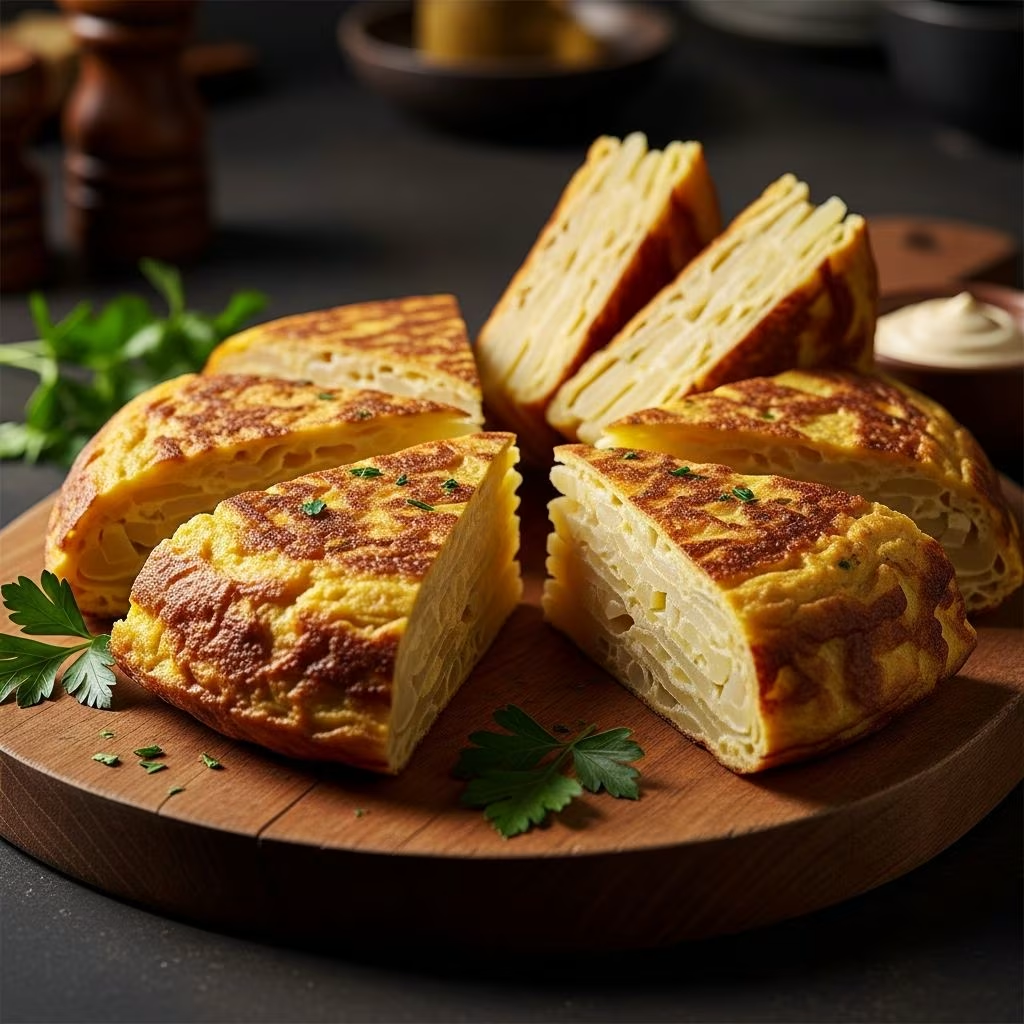
Unlike the crispy, folded omelets common in other cultures, the Spanish tortilla boasts a thick, custardy interior with tender potatoes and a golden, slightly crisp exterior. Its preparation requires patience and precision, but the reward is a dish that improves with time—equally delicious hot, warm, or at room temperature. In this comprehensive guide, we’ll explore its history, ingredients, step-by-step methods, variations, and serving suggestions to help you recreate this authentic delight at home.
Origins and Cultural Significance
The roots of Tortilla de Patatas trace back to the 19th century in Spain, particularly in the Basque and Navarre regions. Legend attributes its invention to Josetxo, a peasant who improvised with available pantry staples during lean times. While stories vary, the dish quickly spread across Spain, becoming a staple in homes, bars, and picnics.
Today, it embodies Spanish hospitality. In tapas bars from Madrid to Barcelona, thick wedges are served on slices of baguette, often topped with aioli or paired with beer. Families gather around it for merienda (afternoon snack), and it’s a fixture at celebrations. Its presence in Spanish culture underscores the philosophy of la dieta mediterránea—fresh, seasonal ingredients prepared simply.
Essential Ingredients for Authenticity
Authenticity hinges on quality ingredients and minimalism. Here’s what you need for a classic 8-10 inch tortilla serving 4-6:
- Potatoes: 4 medium Yukon Gold or red potatoes (about 1.5-2 lbs), peeled and thinly sliced into 1/8-inch rounds. Their starchiness ensures creaminess.
- Onion: 1 large yellow or sweet onion, thinly sliced. It adds subtle sweetness; some purists omit it for a stricter Basque style.
- Eggs: 6-8 large eggs, providing structure and richness. Fresh, free-range yield the best custard-like texture.
- Olive Oil: 1-2 cups extra-virgin, high-quality. It’s not just for cooking—it’s infused into the dish for flavor. Reserve some after frying.
- Salt: 1-2 tsp sea salt, to taste. Pepper is optional but enhances depth.
Avoid substitutions like floury potatoes or vegetable oil, as they alter the signature tenderness.
Step-by-Step Cooking Guide
Preparation takes about 45-60 minutes, with cooking split between stovetop and careful flipping. Use a 10-inch non-stick skillet for even results.
- Prep the Vegetables: Peel and slice potatoes uniformly. Slice onion thinly. This ensures even cooking.
- Fry the Base: Heat 1-1.5 cups olive oil in the skillet over medium heat until shimmering (not smoking). Add potatoes and onions, seasoning with 1 tsp salt. Cook on low for 20-25 minutes, stirring gently every 5 minutes, until potatoes are fork-tender but not browned. They should be soft and infused with oil.
- Drain and Mix: Remove with a slotted spoon to a colander, reserving oil. Let cool 5 minutes. Beat eggs with remaining salt in a large bowl, then gently fold in potato-onion mixture. Rest 5-10 minutes for flavors to meld.
- Cook the Tortilla: Wipe skillet clean; add 2-3 tbsp reserved oil over medium heat. Pour in egg mixture, spreading evenly. Cook 4-6 minutes until edges set and bottom is golden. Shake pan occasionally to prevent sticking.
- Flip Confidently: Place a larger plate over the skillet. Hold firmly and invert quickly. Add 1 tbsp more oil, slide tortilla back uncooked-side down. Cook 3-5 minutes more until just set—center should be slightly jiggly for traditional creaminess.
- Rest and Serve: Slide onto a plate; cool 10 minutes. The resting firms it up perfectly.
| Common Mistakes | How to Fix |
|---|---|
| Potatoes too thick or crunchy | Slice thinner (1/8 inch); cook low and slow |
| Tortilla sticks or breaks | Use non-stick pan; generous oil; gentle flip |
| Dry or rubbery texture | Don’t overcook; low heat post-flip |
| Not custardy inside | Rest mixture; undercook center slightly |
Variations to Suit Your Taste
While purists stick to basics, creative twists abound:
- With Peppers: Add sliced bell peppers or pimientos during frying for sweetness.
- Herbed Version: Mix in chopped parsley, chives, or smoked paprika to eggs.
- Vegetarian Boost: Incorporate spinach or chorizo alternatives like soy chorizo.
- Mini Tortillas: Use muffin tins for bite-sized tapas.
- Oven Finish: Broil after stovetop for hands-off cooking.
For gluten-free or keto diets, it’s naturally compliant. Scale up for crowds by using larger pans.
Perfect Pairings and Serving Ideas
Serve wedges plain or elevated:
- Tapas Style: On bread with brava sauce or aioli.
- Meal Main: With green salad, tomatoes, and crusty bread.
- Sandwich (Bocadillo): In a baguette with mayo.
- Picnic Fare: Cold slices travel well.
Pair with crisp Albariño wine, vermouth, or Cava. Leftovers keep 3 days refrigerated; reheat gently or enjoy cold.
Nutrition and Health Benefits
A slice (1/8th) offers ~200 calories: healthy fats from olive oil, protein from eggs, potassium from potatoes. It’s Mediterranean diet-friendly, supporting heart health with monounsaturated fats and antioxidants.
Frequently Asked Questions (FAQs)
Can I make Tortilla Española without onions?
Yes, the Basque style omits onions for pure potato flavor. Adjust cooking time slightly.
What’s the best oil for frying?
Extra-virgin olive oil; Spanish varieties like Picual add authentic taste.
How do I know when to flip?
Edges should lift easily; bottom golden. Practice builds confidence.
Can I bake it instead?
Yes, after partial stovetop, broil 2-3 minutes, but stovetop yields superior texture.
Freezes well?
Yes, wrap tightly; thaw and reheat in skillet.
Pro Tips from Spanish Kitchens
– Use a mandoline for uniform slices.
– Save frying oil for future batches—it’s gold.
– For thicker tortillas, layer potatoes evenly.
– Test doneness with a toothpick: slight moisture ideal.
Mastering Tortilla de Patatas opens doors to Spanish cooking. Its simplicity belies depth, rewarding practice with flawless results every time.
References
- Authentic Spanish Tortilla (Tortilla Española or Tortilla de Patatas) — Simply Sophisticated Cooking. 2023. https://simplysophisticatedcooking.com/authentic-spanish-tortilla-tortilla-de-patates/
- Spanish Tortilla Recipe (Tortilla de Patatas) — The Mediterranean Dish. 2023. https://www.themediterraneandish.com/spanish-tortilla-recipe/
- Tortilla Española (Potato Omelet – Spain) — Mediterranean Living. 2023. https://www.mediterraneanliving.com/tortilla-espanola-potato-omelet-spain/
- Traditional Spanish Omelet (Tortilla Espanola) — Happy Foods Tube. 2023. https://www.happyfoodstube.com/spanish-omelette-tortilla-espanola/
- Easy Tortilla de Patatas — Tastes Better From Scratch. 2023. https://tastesbetterfromscratch.com/tortilla-de-patatas/
- Best Spanish Tortilla Recipe (Tortilla de Patatas) — Spanish Sabores. 2023. https://spanishsabores.com/best-spanish-omelet-recipe/