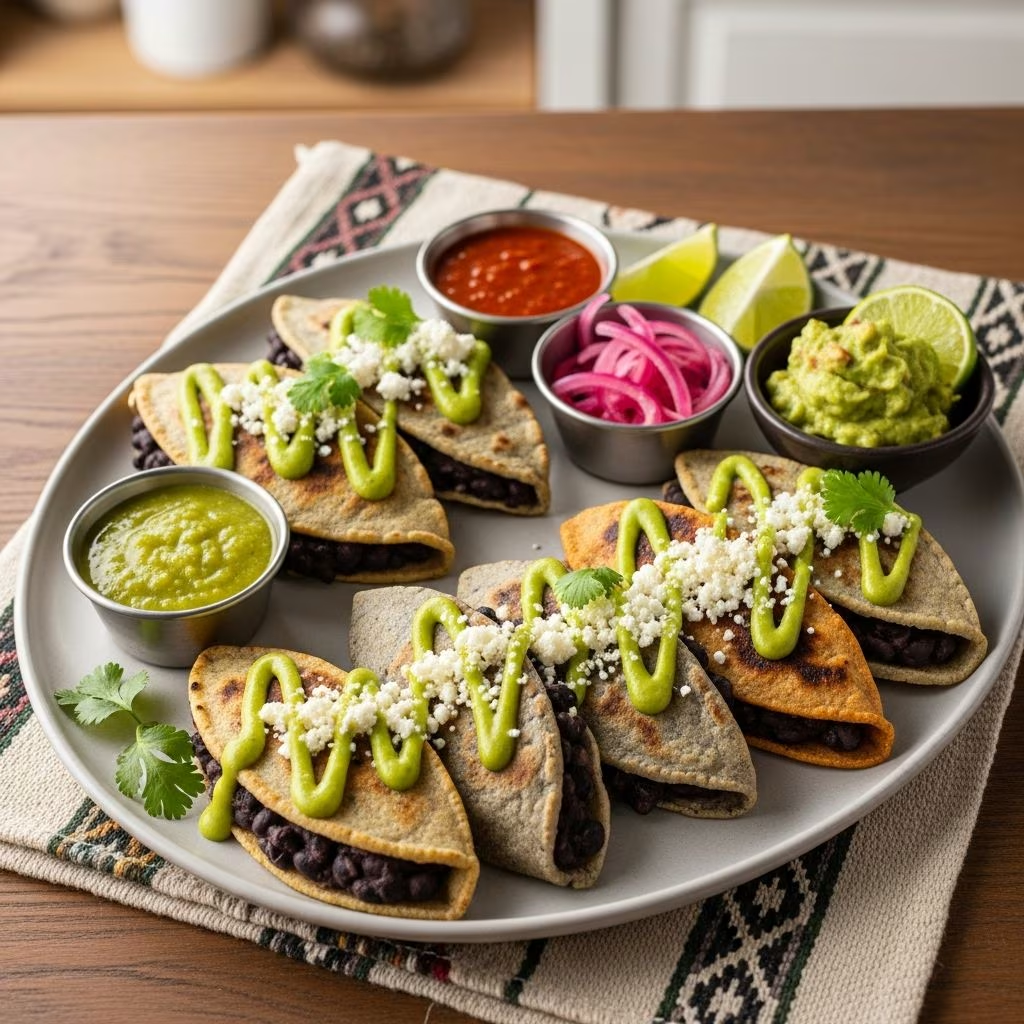
Tlacoyos de frijol represent one of Mexico’s most cherished contributions to street food culture, combining humble ingredients into a dish that satisfies both the palate and the soul. These thick, oval-shaped masa patties, traditionally stuffed with seasoned beans and sometimes cheese, have graced Mexican tables for generations. Understanding how to prepare them authentically requires knowledge of proper technique, ingredient selection, and the cultural significance behind this beloved antojito.
Understanding the Foundation: What Makes Tlacoyos Special
Tlacoyos occupy a unique position in Mexican cuisine, sitting somewhere between a thick tortilla and an empanada. Unlike their thinner cousins, tlacoyos showcase a heartier masa base that provides structural integrity for generous fillings. The key to their distinctive character lies in the blue or white masa harina used as the foundation, which imparts an earthy flavor and creates the characteristic texture that distinguishes them from standard tortillas.
The appeal of tlacoyos extends beyond their taste. They represent pre-Hispanic culinary traditions, with roots tracing back centuries in Mexican food history. The preparation method, though simple in appearance, requires precision to achieve the ideal balance between a crispy exterior and a tender interior. The filling, typically composed of mashed beans, provides both nutritional value and rich, satisfying flavor that complements the mild masa base.
Gathering Your Ingredients: Quality Matters
The Masa Foundation
The masa harina serves as the backbone of your tlacoyos, requiring careful selection. Blue masa harina, traditional in many regions, offers a distinctive flavor profile compared to white varieties. Approximately 1½ to 2 cups of masa harina forms the basis for a standard batch, with the exact quantity depending on desired yield and consistency preferences.
Water temperature plays a crucial role in masa preparation. Using hot water, ideally between 120-140°F, facilitates proper hydration of the masa harina particles and creates a dough with the right elasticity. Some cooks add a minimal amount of oil—roughly 1-1½ tablespoons—to enhance texture and prevent excessive sticking during handling.
Bean Filling Specifications
The filling requires mashed beans reduced to a paste-like consistency. Black beans, pinto beans, or bayo beans all work effectively, though regional preferences and family traditions often dictate choice. The beans must be thoroughly mashed, eliminating large chunks that could puncture the masa envelope during cooking. Refried beans, if sufficiently thick and not too oily, provide a convenient alternative to preparing beans from scratch.
Complementary Ingredients and Salsas
While the basic recipe centers on masa and beans, the complete experience incorporates several accompaniments. Guajillo chiles, tomatillos, and serrano or jalapeño peppers form the basis of traditional salsas. Fresh cilantro, lime juice, diced onion, and tomato add brightness and texture to the final dish. Optional cheese—particularly crumbly varieties like queso fresco or cotija—provides richness and salinity that elevates the overall composition.
Essential Equipment and Setup
Cooking Surfaces
A comal or cast-iron skillet serves as the traditional cooking surface for tlacoyos, though any heavy-bottomed griddle functions adequately. These surfaces distribute heat evenly and develop the characteristic light browning that signals proper cooking. The comal’s flat surface prevents sticking and allows for easy flipping and manipulation during the cooking process.
Preparation Tools
Beyond the cooking vessel, you’ll need a mixing bowl for masa preparation, a blender for salsa creation, and wax paper or plastic wrap for shaping. Some cooks employ a tortilla press, though hand-shaping works perfectly well with practice. A kitchen towel proves invaluable for keeping finished tlacoyos warm and preventing them from drying out immediately after cooking.
Step-by-Step Preparation Method
Salsa Preparation and Development
Begin by preparing the salsa, which benefits from advance preparation. Remove stems and seeds from dried guajillos, then lightly toast them on your cooking surface to release their aromatic qualities. This toasting process intensifies the chile’s natural flavors without burning them.
Roast fresh tomatoes, onion wedges, and garlic cloves on the same surface until slightly charred and softened. This roasting caramelizes natural sugars and develops deeper, more complex flavors. Transfer the toasted chiles to a blender, add approximately 1½ cups of hot water, and allow them to soften for about five minutes. Add the roasted vegetables and blend on low speed for roughly one minute, creating a smooth salsa. Season with salt to taste, then set aside.
Masa Assembly and Hydration
Combine masa harina with salt in a large bowl, whisking thoroughly to distribute salt evenly. In a separate vessel, mix hot water with oil, then gradually incorporate this mixture into the dry ingredients. Use your hands or a sturdy spatula to combine, adding water incrementally until proper consistency develops.
The dough should feel moist and pliable without sticking excessively to your hands. Some tackiness is desirable, indicating proper hydration, but it shouldn’t be so wet that it’s impossible to handle. Once the dough comes together, knead for approximately two minutes to develop the proper texture, then allow it to rest under a kitchen towel for about ten minutes.
Shaping and Filling Technique
Portion the rested masa into golf ball-sized portions, keeping unused dough covered to prevent drying. Flatten each portion into a disk approximately 2½ inches in diameter using your palms. Place a tablespoon of mashed bean filling in the center, then carefully fold the edges over the filling as though creating a small taco.
Gently roll the sealed masa ball, seam-side down, between your palms to create an elongated football shape. Place the formed tlacoyo on wax paper or plastic wrap, then use your hands to flatten it to approximately ½ to ¾-inch thickness. Avoid applying excessive pressure, which could force the filling out through the masa envelope.
Cooking Technique and Temperature Management
Preheat your comal or skillet over medium-high heat for five to six minutes, allowing it to become thoroughly hot. Lower the temperature to medium before adding tlacoyos, as excessive heat can char the exterior before the interior cooks through adequately.
Place tlacoyos on the hot surface and cook for approximately one to three minutes per side, depending on your heat level and desired browning level. The tlacoyo should develop light brown spots and firm up during cooking. Some cooks lightly rub the cooking surface with an onion slice before each batch, imparting subtle flavor and preventing sticking.
Once both sides achieve proper coloring and the tlacoyo feels firm to gentle pressure, transfer it to a plate lined with a kitchen towel and cover with the same towel. This trapping of steam keeps the tlacoyo soft and prevents it from drying out before serving.
Serving Traditions and Topping Combinations
Classic Preparation Approach
Arrange finished tlacoyos on a serving platter while still warm. Top each with a portion of prepared salsa, then add crumbled cheese. Nopales salad—featuring diced cactus, onion, cilantro, and lime dressing—provides refreshing contrast to the rich masa and beans. Some regional traditions call for shredded lettuce and pico de gallo, offering additional texture and brightness.
Customization and Variation
While the bean-and-cheese combination represents the traditional approach, creative cooks adapt recipes to personal preference. Additional cheese mixed into the bean filling creates a more indulgent version. Some preparations incorporate epazote or other herbs into either the filling or the accompanying salsa. Vegetable additions like sautéed mushrooms or roasted poblano strips offer modern interpretations while maintaining the dish’s essential character.
Troubleshooting Common Challenges
| Problem | Likely Cause | Solution |
|---|---|---|
| Filling leaks during cooking | Insufficient sealing or too-soft beans | Ensure thorough sealing and use thicker bean paste consistency |
| Exterior burns while interior remains soft | Heat too high or insufficient cooking time | Lower temperature and extend cooking duration |
| Dough cracks when shaping | Insufficient moisture in masa | Add water gradually until proper hydration achieved |
| Tlacoyos become hard after cooling | Improper towel coverage or air exposure | Keep covered with towel immediately after cooking |
Frequently Asked Questions
Can I prepare tlacoyos in advance?
Yes, shaped but uncooked tlacoyos can be refrigerated for up to one day when wrapped in plastic. Cook from refrigerated state, allowing slightly longer cooking time. For longer storage, freeze uncooked tlacoyos, then cook directly from frozen, adding approximately one minute per side to cooking time.
What’s the difference between tlacoyos and gorditas?
While both are masa-based antojitos with fillings, tlacoyos feature a distinctly flattened, oval shape with a more pronounced football-like silhouette. Gorditas typically remain thicker and rounder. The preparation methods differ slightly, with tlacoyos requiring more careful sealing and flattening.
Can vegetarian protein replace beans?
Absolutely. Mashed mushrooms, seasoned with salt and spices, work effectively. Cooked lentils, when properly mashed and seasoned, provide another protein-rich alternative. The key remains achieving a paste-like consistency that won’t puncture the masa shell during cooking.
What makes the salsa taste authentic?
The toasting and roasting process develops deeper flavors that raw ingredients cannot achieve. Using dried chiles rather than chile powder intensifies authentic flavor. Fresh cilantro and lime juice added after cooking preserve their bright characteristics.
Final Thoughts on Mastering This Tradition
Creating authentic tlacoyos de frijol requires patience, practice, and attention to detail, but the rewards justify the effort. Each component—from the masa foundation through the final salsa garnish—contributes essential qualities to the complete experience. Beginning cooks should expect their first attempts to be imperfect, as the hand-shaping technique develops with repetition. The beauty of this dish lies not in achieving absolute perfection but in honoring a culinary tradition while making it your own. Whether served at a festive gathering or as a simple weeknight dinner, tlacoyos connect us to Mexico’s rich gastronomic heritage while satisfying contemporary appetites.
References
- Traditional Mexican Cuisine Culture and Cooking Techniques — UNESCO Intangible Cultural Heritage Program. 2010. https://ich.unesco.org/en/RL/traditional-mexican-cuisine-00400
- Corn Products and Masa Production Standards — U.S. Department of Agriculture, National Institute of Food and Agriculture. 2023. https://www.nifa.usda.gov/
- Food Safety Guidelines for Home Food Preservation — U.S. Food and Drug Administration. 2024. https://www.fda.gov/food/food-safety