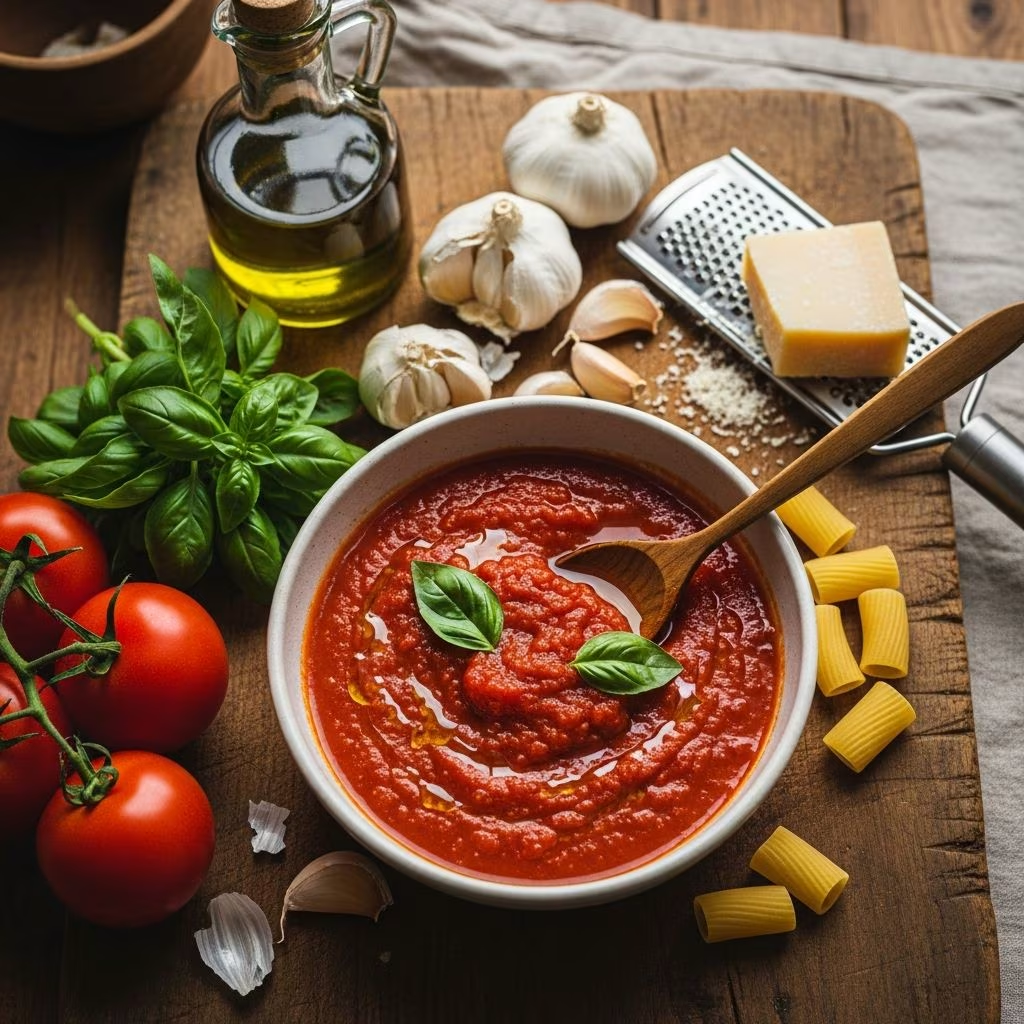
At its core, Sugo di Pomodoro represents the simplicity and purity that define traditional Italian cuisine. This vibrant red sauce, often simply called “sugo,” relies on just a handful of high-quality ingredients to create a flavor-packed base for countless dishes. Unlike heavier meat-based ragù, sugo di pomodoro highlights the natural sweetness and acidity of tomatoes, balanced with aromatic garlic, onions, and fresh basil. Home cooks worldwide cherish it for its versatility—drizzle it over pasta, spread it on pizza dough, or use it in lasagna layers. Preparing it authentically requires attention to detail, starting with premium canned tomatoes and extra-virgin olive oil, simmered gently to concentrate flavors without overpowering the tomatoes’ essence.
Why Sugo di Pomodoro Stands Out in Italian Kitchens
Italian culinary tradition emphasizes fresh, seasonal ingredients and minimal intervention, allowing each element to shine. Sugo di pomodoro embodies this philosophy, originating from regions like Campania and Tuscany where ripe tomatoes have long been abundant. Historically, nonnas (grandmothers) would prepare massive batches in summer using sun-ripened fruits, preserving them for winter. Today, canned San Marzano tomatoes—grown in the volcanic soils near Mount Vesuvius—offer a year-round approximation of that freshness, prized for their low seed count, thick flesh, and balanced taste.
The sauce’s appeal lies in its adaptability. It cooks in under 30 minutes yet develops deep umami through slow simmering. No cream, no excessive spices—just pure tomato goodness. This purity makes it ideal for highlighting al dente spaghetti or fresh gnocchi, proving that restraint often yields the most profound results.
Essential Ingredients for True Authenticity
Selecting the right components is crucial; subpar ingredients yield mediocre sauce. Here’s a breakdown:
- Extra-Virgin Olive Oil (2-3 tablespoons): Choose cold-pressed, low-acidity oil from Italy for its fruity notes and high smoke point. It forms the flavor foundation.
- Onion (1 medium, diced): Yellow or sweet varieties provide subtle sweetness without dominating. Red onion adds a sharper edge if desired.
- Garlic (2-4 cloves, minced): Fresh cloves release sulfurous compounds when sautéed, infusing aroma. Avoid pre-minced for better control.
- Whole Peeled Tomatoes (28-oz can): San Marzano DOP-certified are non-negotiable for superior taste—fewer seeds, sweeter profile. Crush by hand for texture control.
- Fresh Basil (6-10 leaves): Added at the end to preserve volatile oils. Dried basil works in emergencies but lacks vibrancy.
- Salt and Pepper: Sea salt enhances natural flavors; black pepper adds subtle heat.
Pro Tip: Avoid pre-made passata or diced tomatoes, as they often contain additives that dilute authenticity. Whole peeled varieties allow you to control consistency.
Step-by-Step Guide to Perfect Sugo di Pomodoro
Prep time: 10 minutes | Cook time: 20-30 minutes | Yield: 4-6 servings (about 3-4 cups)
Prepare the Aromatics: Heat olive oil in a large, heavy-bottomed pan or Dutch oven over medium heat. Add diced onion and sauté 5-7 minutes until translucent and edges golden. Stir frequently to prevent burning.
Add Garlic: Lower heat to medium-low, add minced garlic, and cook 30-60 seconds until fragrant. Watch closely—burnt garlic turns bitter.
Incorporate Tomatoes: Pour in canned tomatoes, crushing them gently with a wooden spoon. Season with salt and a pinch of pepper. Bring to a gentle simmer.
Simmer Low and Slow: Reduce heat to low, cover partially, and cook 20-30 minutes. Stir occasionally; the sauce will thicken as excess liquid evaporates. Break up tomatoes further if needed.
Finish with Basil: Remove from heat, tear basil leaves by hand (avoid chopping to prevent bruising), and stir in. Taste and adjust seasoning. For smoothness, blend with an immersion blender; leave chunky for rustic appeal.
This method ensures even flavor distribution. Total time rarely exceeds 40 minutes, making it feasible for weeknights.
Ingredient Variations and Customizations
While purists stick to basics, gentle tweaks personalize the sauce:
| Variation | Key Addition/Substitution | Best For |
|---|---|---|
| Spicy Kick | Pinch of red pepper flakes with garlic | Penne arrabbiata or pizza |
| Herb Boost | Oregano or parsley alongside basil | Lasagna or baked dishes |
| Fresh Tomato Version | 3 lbs ripe summer tomatoes, blanched and peeled | Seasonal peak flavor |
| Quick Garlic-Only | Omit onion, double garlic cloves | Minimalist pomodoro |
| Thicker Texture | 1 tsp tomato paste or simmer uncovered longer | Pizza topping |
Experiment sparingly—overloading disrupts balance. For vegan diets, it’s naturally compliant; add cheese post-sauce for dairy lovers.
Pairing Sugo di Pomodoro with Pasta and Beyond
The sauce excels with shapes that trap it: spaghetti, bucatini, or rigatoni. Cook pasta al dente, reserve ½ cup pasta water, then toss directly in the pan with sauce for emulsification. Freshly grated Parmigiano-Reggiano elevates it further.
Beyond pasta, use as:
- Pizza base: Thin layer under mozzarella.
- Lasagna filler: Layer with béchamel.
- Soup enhancer: Stir into minestrone.
- Bruschetta topping: Spoon over grilled bread.
Storage: Refrigerate up to 5 days or freeze 3 months in airtight containers. Reheat gently with a splash of water.
Common Mistakes and How to Avoid Them
- Overcooking Aromatics: Sweat, don’t brown onions/garlic excessively—leads to harsh flavors.
- Poor Tomato Quality: Generic brands taste metallic; invest in DOP-certified.
- High Heat Simmer: Aggressive boiling separates oil; maintain gentle bubble.
- Early Basil Addition: Heat destroys aroma—add off-heat.
- Skipping Salt: Season early to draw out tomato juices.
Health Benefits of Homemade Sugo di Pomodoro
Tomato-based sauces pack lycopene, a potent antioxidant linked to heart health and cancer prevention, best absorbed with olive oil’s fats. Low-calorie (about 100 kcal per cup), it’s rich in vitamins C and K. Making it at home skips added sugars/preservatives in jars, promoting mindful eating.
Frequently Asked Questions (FAQs)
Can I use fresh tomatoes instead of canned?
Yes, in summer with ripe varieties. Blanch, peel, and seed 3 lbs to match one 28-oz can. Cooking time extends to 30-45 minutes.
What’s the difference between sugo, marinara, and pomodoro?
Sugo di pomodoro is uncooked-like simplicity; marinara adds herbs/onion quicker; pomodoro emphasizes fresh tomatoes.
How do I make it vegan?
It already is—serve with plant-based pasta or cheese alternatives.
Freezes well?
Absolutely; portion into ice cube trays for single-use amounts.
San Marzano substitutes?
Any high-quality whole peeled like Cento or Mutti, but true San Marzanos excel.
Advanced Techniques for Chef-Level Results
For next-level sugo, infuse oil with basil stalks pre-onion. Use a mezzaluna for uniform garlic mince. Simmer with a Parmesan rind for umami depth (remove before serving). These tweaks mimic restaurant quality without complexity.
Scaling up? Double ingredients but use a wider pan for evaporation. Batch-cook for meal prep—sugo improves overnight as flavors meld.
References
- Sugo di Pomodoro Recipe – Italian tomato sauce — That Bread Lady. 2023. https://thatbreadlady.com/sugo-di-pomodoro-recipe-italian-tomato-sauce/
- Authentic Italian Tomato Sauce (Sugo al Pomodoro) — Italian Kitchen Confessions. 2022. https://www.italiankitchenconfessions.com/authentic-italian-tomato-sauce-sugo-al-pomodoro/
- Sugo di Pomodoro ~ Authentic Italian Tomato Sauce — Leite’s Culinaria. 2020. https://leitesculinaria.com/100718/recipes-red-sauce.html
- Sugo al Pomodoro (Authentic Italian Tomato Sauce) — Cucina by Elena. 2023. https://www.cucinabyelena.com/sugo-al-pomodoro-classic-tomato-sauce/
- Authentic Italian Tomato Sauce Recipe: Simple, Fresh & Flavorful — The Coastal Italian. 2024. https://www.thecoastalitalian.com/post/sugo-al-pomodoro-italian-tomato-sauce