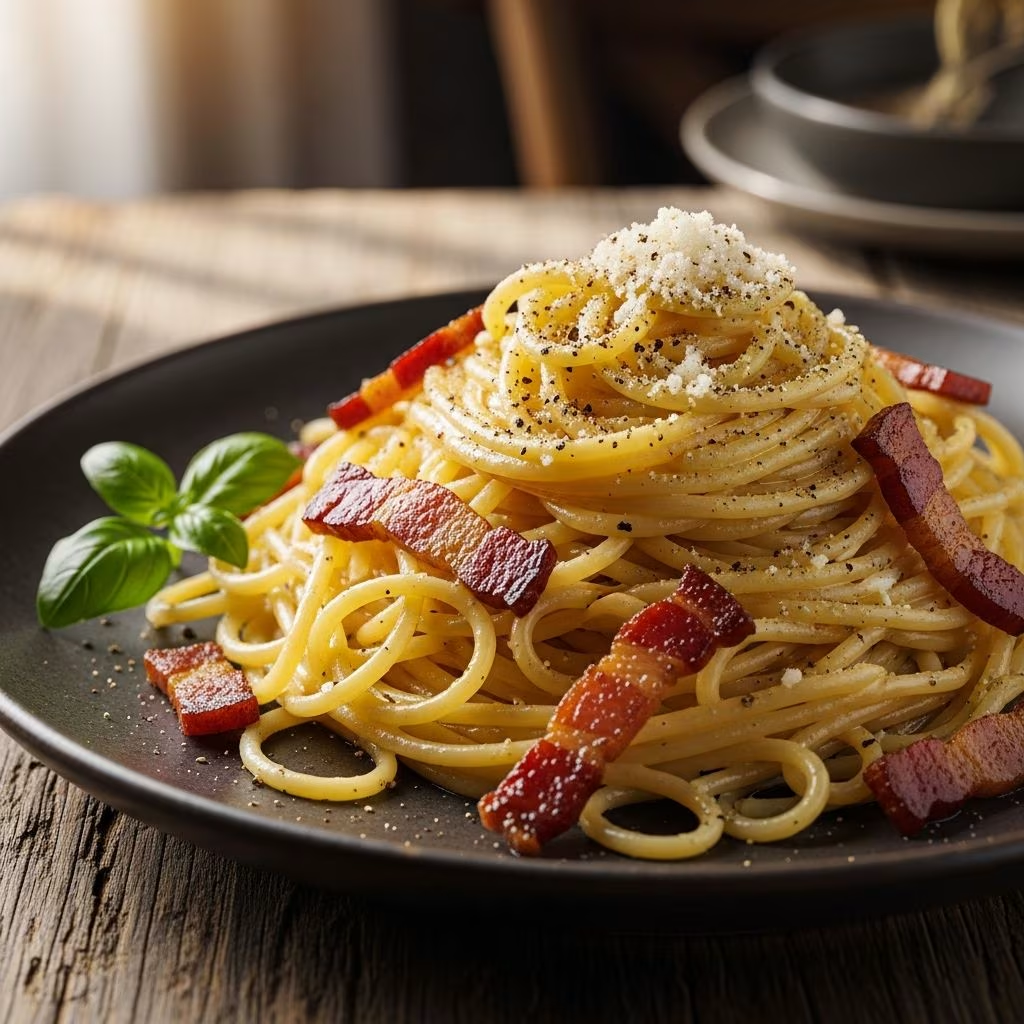
Spaghetti alla carbonara stands as one of Italy’s most beloved pasta dishes, originating from the eternal city of Rome. This iconic recipe combines simple, high-quality ingredients—guanciale, eggs, pecorino cheese, and black pepper—to create a creamy, indulgent sauce without cream. Far from the Americanized versions loaded with heavy additives, the genuine article relies on precise technique to achieve its signature silky texture.
The Rich History Behind Carbonara
The origins of spaghetti alla carbonara remain shrouded in some mystery, but most culinary historians trace it to mid-20th century Rome in the Lazio region. The name ‘carbonara’ likely derives from ‘carbone,’ meaning coal, suggesting it was a favored meal among charcoal workers in the Apennine Mountains who needed hearty, portable food. Some accounts link it to American GIs during World War II, who introduced eggs and bacon rations to local cooks, blending with traditional Italian elements like pecorino and guanciale.
By the 1950s, carbonara appeared in Roman cookbooks, solidifying its place in Italian cuisine. Institutions like the Accademia Italiana della Cucina have codified the recipe, emphasizing guanciale over bacon or pancetta for authenticity. Today, it’s a global staple, yet debates rage over ‘true’ versions, with Romans fiercely guarding their heritage against creamy imposters.
Essential Ingredients for Authentic Flavor
Authenticity hinges on sourcing the right components. Here’s a breakdown:
- Guanciale: Cured pork cheek, preferred for its higher fat content and intense flavor. Pancetta works as a substitute, but avoid smoked bacon.
- Eggs: Use whole eggs or just yolks for richness. Organic, free-range eggs yield the best custardy sauce.
- Pecorino Romano: Sharp sheep’s milk cheese is non-negotiable; its saltiness balances the dish. Mix with Parmesan if milder taste desired.
- Black Pepper: Freshly cracked, in abundance, for spicy depth.
- Spaghetti: Thick, high-quality durum wheat pasta holds the sauce perfectly.
A standard recipe serves 4-6: 400-500g spaghetti, 250g guanciale (cubed), 4-5 eggs (or yolks), 250g grated pecorino, olive oil or lard, salt, and ample pepper.
Step-by-Step Guide to Perfection
Timing is crucial; the sauce cooks gently from residual pasta heat, avoiding scrambling.
- Prep Guanciale: Cube 250g guanciale. Render in a skillet over medium heat with 1 tsp lard or olive oil until crispy, about 8-10 minutes. Reserve fat.
- Mix Egg Sauce: Whisk 4-5 egg yolks (or whole eggs) with 250g grated pecorino and generous black pepper. No salt yet—guanciale and pecorino provide plenty.
- Cook Pasta: Boil 400-500g spaghetti in salted water to al dente (1-2 minutes shy). Reserve 1 cup pasta water.
- Combine Off-Heat: Drain pasta, add to guanciale pan off heat. Toss to coat in fat. Remove from heat, pour in egg mixture, adding pasta water gradually for emulsion.
- Finish and Serve: Stir vigorously until creamy. Extra pecorino and pepper on top. Serve immediately.
Total time: 25 minutes. The key? High heat for guanciale, then off-heat mixing to temper eggs gently.
Common Pitfalls and Pro Tips
Many home cooks scramble the eggs by adding pasta to hot pans. Always remove from heat first. Over-salting is another issue; taste pasta water like seawater, but rely on ingredients’ salinity.
| Mistake | Solution |
|---|---|
| Using cream | Stick to eggs for authentic silkiness |
| Overcooking eggs | Mix off-heat, use pasta water to adjust |
| Wrong pork | Guanciale > pancetta > bacon |
| Undercooked pasta | Al dente, then finish in pan |
Pro tips: Grate cheese finely for smooth sauce. Use a large bowl for mixing if pan is small. For low-fat versions, lean guanciale and minimal fat work well.
Delicious Variations to Explore
While purists stick to tradition, creative twists abound.
- Vegetarian: Swap guanciale for zucchini or artichokes, keeping egg-cheese base.
- Gluten-Free: Use gluten-free spaghetti with veggies and Parmigiano.
- Gnocchi Carbonara: Sub potato gnocchi for spaghetti.
- Seafood Twist: Seared salmon cubes with classic sauce.
- Mushroom: Wild mushrooms for earthy depth.
These maintain the creamy essence while innovating.
Pairing Suggestions and Serving Ideas
Serve carbonara with a crisp Frascati white wine from Lazio, cutting through richness. Simple green salad or charred broccoli complements without overwhelming. Portion generously—it’s a Roman feast dish.
Frequently Asked Questions (FAQs)
Can I use bacon instead of guanciale?
Bacon is smokier and less fatty; guanciale or pancetta preferred for authenticity, but it’ll still taste great.
Whole eggs or just yolks?
Yolks for richer sauce; whole eggs lighten it. Both traditional.
How do I prevent scrambled eggs?
Off-heat mixing and pasta water emulsion is key.
Is cream ever okay?
No for authentic Roman style; eggs suffice.
How long does it keep?
Best fresh; refrigerate leftovers up to 2 days, reheat gently.
Nutritional Insights
Per serving (1/5th): ~600 calories, high protein from eggs/cheese, fats from guanciale. Balanced with pasta carbs. Low-fat adaptations reduce to ~400 calories.
References
- Spaghetti alla carbonara – Memorie di Angelina — Memorie di Angelina. 2014-03-02. https://memoriediangelina.com/2014/03/02/spaghetti-alla-carbonara/
- Pasta Carbonara (Spaghetti alla Carbonara Recipe) — Christina’s Cucina. N/A. https://www.christinascucina.com/spaghetti-alla-carbonara-low-fat-and/
- How to make authentic spaghetti alla carbonara — The Pasta Project. N/A. https://www.the-pasta-project.com/spaghetti-alla-carbonara/
- The Endless Allure of Carbonara: 15 Variations — Giallo Zafferano. N/A. https://www.giallozafferano.com/the-endless-allure-of-carbonara-15-variations-of-italy-s-iconic-dish
- Ultimate spaghetti carbonara recipe — BBC Good Food. 2002-11-01. https://www.bbcgoodfood.com/recipes/ultimate-spaghetti-carbonara-recipe