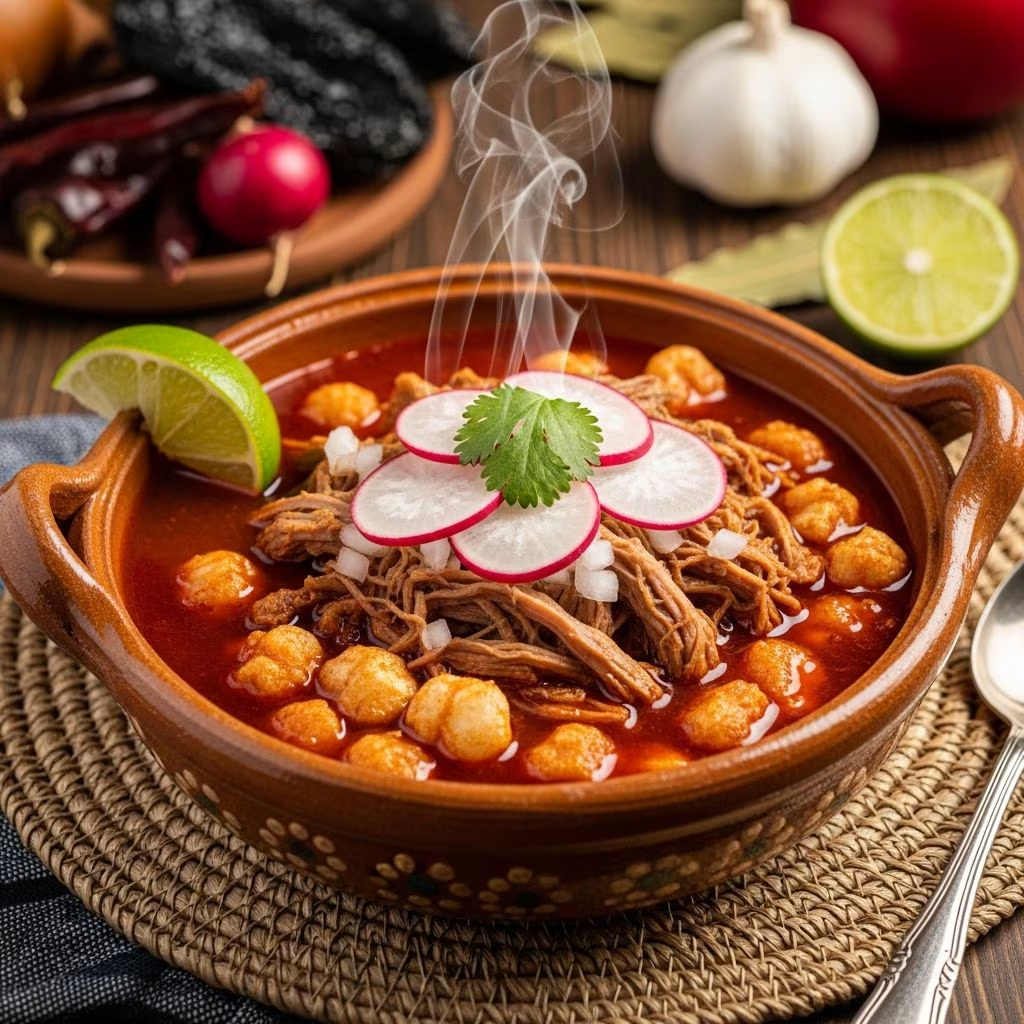
Pozole rojo represents one of Mexico’s most cherished culinary traditions, a warming and deeply flavorful soup that has been served at celebrations and family gatherings for generations. This iconic dish combines tender meat, hominy, and a rich chili-based broth that embodies the essence of Mexican comfort food. Whether you’re preparing this dish for a special occasion or simply craving its warming embrace, understanding the fundamental techniques and ingredient selection will elevate your cooking experience and result in an authentically delicious bowl.
Understanding the Essential Components of Pozole Rojo
The foundation of exceptional pozole rojo begins with carefully selected ingredients that work together harmoniously. Each component contributes its own distinctive character to the final dish, creating layers of flavor and texture that make this soup memorable.
The Protein Foundation
The meat selection significantly impacts the flavor profile and texture of your pozole. Country-style pork short ribs represent an excellent choice for this traditional preparation. These cuts feature substantial meat content along with portions of bone and marrow, which contribute richness and body to the broth during the long simmering process. The combination of meat and bone creates a naturally flavorful stock that forms the backbone of the soup. When selecting pork short ribs, choose pieces that show good marbling and substantial meat coverage, as these will yield the most flavorful and tender results after extended cooking.
The Broth Base
Creating the perfect broth requires balancing intensity with refinement. A combination of chicken stock and water provides an ideal foundation, preventing the broth from becoming overly concentrated while still maintaining robust flavor. This measured approach ensures your pozole remains accessible and well-balanced rather than overwhelmingly heavy. The ratio of stock to water can be adjusted according to personal preference, though beginning with equal parts of each allows for proper seasoning and flavor development throughout the cooking process.
Hominy and Legumes
Hominy, the treated corn kernels that form the textural backbone of pozole, provides a distinctive starchy element that differentiates this soup from other meat-based broths. The large, tender kernels absorb the surrounding broth while maintaining their structure, creating pockets of mild corn flavor throughout each spoonful. Hominy can be purchased canned or dried, with canned offering superior convenience for home cooks while dried versions provide an opportunity for more hands-on preparation.
Preparing Your Ingredients with Precision
Meat Preparation and Initial Cooking
Begin by placing your chosen pork cuts into a large pot and covering them with water or your chosen liquid combination. Bring the pot to a gentle boil over moderate-to-high heat, allowing the proteins to coagulate and rise to the surface. Once boiling reaches a steady state, reduce the heat to maintain a gentle simmer and carefully skim away the foam, fat, and impurities that accumulate at the surface. This skimming process is crucial for achieving a clear, refined broth rather than a cloudy, murky one. Continue this process until the surface remains relatively clean, typically requiring several minutes of attention.
After the initial skimming, introduce aromatic elements such as whole garlic cloves and dried oregano to infuse the broth with classic Mexican flavors. Allow the meat to simmer gently for approximately 45 minutes to one hour, until it becomes tender enough to shred easily with a fork while still maintaining structural integrity.
Chili Pepper Preparation
The chili peppers form the soul of pozole rojo, providing color, heat, and depth of flavor. Handling dried chilies requires care and proper technique to avoid transferring capsaicin oils to sensitive areas like eyes and mouth. Consider wearing food-safe gloves while working with dried peppers, particularly if you have sensitive skin or if you’re using particularly hot varieties.
Remove the stems from your dried chilies and place them in a heatproof bowl. Pour boiling water over them generously, ensuring they become fully submerged. Allow them to steep and soften for approximately one hour. During this time, the peppers will transform from hard, brittle pieces into soft, pliable strips with meat that can be easily separated from remaining seeds. The soaking liquid becomes an essential ingredient itself, carrying dissolved flavors and color that contribute to the final broth.
Creating the Chili Paste
Once the chilies have fully softened, transfer them to a blender along with a portion of their soaking liquid. Add fresh garlic cloves and white onion pieces to create a aromatic base for your chili paste. Blend these ingredients until you achieve a smooth, uniform consistency. If you prefer a rustic texture or lack a blender, a food processor produces acceptable results, though it may require slightly longer processing time to achieve comparable smoothness. The resulting paste should be thick enough to coat a spoon yet liquid enough to incorporate smoothly into your broth.
Building Flavor Through Layered Cooking Techniques
The cooking method employed in traditional pozole preparation involves multiple stages designed to develop and layer flavors rather than rushing to completion. This patient approach distinguishes excellent pozole from mediocre versions.
Incorporating the Chili Foundation
Once your meat has reached appropriate tenderness and the chili paste is ready, strain the mixture into your simmering broth while maintaining a gentle heat. Stir thoroughly to ensure even distribution throughout the liquid. The paste will initially appear to separate or float before gradually incorporating into the broth, creating a cohesive reddish color. Continue simmering for an additional 15 to 20 minutes, allowing the chili flavors to meld with the meat stock and develop complexity.
Seasoning and Final Adjustments
Taste your broth periodically and adjust seasonings gradually. Traditional pozole relies on salt and sometimes a small amount of additional garlic to round out flavors. Avoid aggressive seasoning adjustments early in the process; instead, make measured additions and allow time for flavors to marry before adding more. The longer ingredients simmer together, the more balanced and harmonious the final result becomes.
Serving Traditions and Accompaniments
Authentic pozole service extends beyond simply ladling broth into bowls. Traditionally, this dish arrives at the table with an array of accompaniments that each diner customizes according to personal preference. Common additions include:
- Finely shredded cabbage providing crisp, fresh texture
- Diced radishes offering peppery brightness
- Dried oregano sprinkled for aromatic enhancement
- Fresh lime wedges for acidity and citrus notes
- Thinly sliced white onion for sharp, clean flavor
- Tostadas or crispy tortilla strips for textural contrast
- Sliced jalapeños for additional heat
- Avocado slices for creamy richness
This customizable approach allows each person to create their ideal version of the soup, adjusting heat levels, textures, and flavor intensities according to their preferences.
Common Questions About Pozole Rojo Preparation
Can I use different cuts of pork for pozole?
While country-style short ribs represent the traditional choice, pork shoulder, pork butt, or even chicken can substitute effectively. The key is selecting cuts that benefit from extended moist cooking, developing tenderness and contributing flavor to the broth through bone and connective tissue breakdown.
How spicy should pozole rojo be?
Heat intensity varies based on chili pepper selection and quantity used. Ancho or guajillo peppers provide milder, fruitier profiles, while chipotle or arbol peppers deliver intense heat. Tasting your chili paste before adding it to the broth allows you to gauge intensity and adjust quantities accordingly.
How long can pozole rojo be stored?
Properly refrigerated pozole keeps for three to four days in airtight containers. The dish freezes successfully for up to two months, though accompaniments like fresh vegetables should be added after reheating rather than frozen with the broth.
What if my broth seems too thin or too thick?
Overly thin broths can be simmered uncovered for additional time to allow evaporation and concentration. Conversely, thick broths can be thinned by adding additional stock or water gradually while tasting to maintain desired consistency.
Troubleshooting Common Pozole Challenges
Understanding potential issues and their solutions helps ensure consistent results. Cloudy broth results from inadequate skimming during initial cooking; addressing this early prevents the problem from worsening. Bland broth indicates insufficient seasoning or cooking time; extending the simmer and adjusting salt gradually typically resolves this issue. Tough or stringy meat suggests cooking time was insufficient; ensure meat reaches the point where it shreds easily when tested with a fork.
Variations and Regional Interpretations
While pozole rojo represents the most widely recognized version, pozole blanco (white pozole) uses a similar base but omits the chili paste, creating a cleaner, more neutral canvas for other flavors. Pozole verde incorporates green chilies, pumpkin seeds, and herbs for an entirely different flavor profile. These variations maintain the essential structure and ingredients while exploring different seasonal and regional preferences.
Mastering pozole roja opens doors to understanding fundamental Mexican cooking techniques that extend far beyond this single dish. The patient building of flavors, careful ingredient preparation, and attention to detail that characterize authentic pozole represent cornerstones of Mexican culinary tradition. Whether preparing this dish for family gatherings or quiet weeknight suppers, the techniques and approaches outlined here provide a solid foundation for creating memorable, deeply satisfying bowls of this beloved soup.
References
- “Traditional Mexican Cuisine, UNESCO Intangible Heritage” — UNESCO. 2010. https://ich.unesco.org/en/RL/traditional-mexican-cuisine-00400
- “Hominy: Definition, Nutrition, and Culinary Uses” — United States Department of Agriculture (USDA). 2024. https://www.usda.gov
- “Safe Food Handling: Working with Chili Peppers” — Centers for Disease Control and Prevention (CDC). 2023. https://www.cdc.gov/foodsafety
- “Meat Cookery and Stock Preparation” — Institute of Culinary Education. 2024. https://www.ice.edu
- “Capsaicin Properties and Safe Handling Practices” — National Institutes of Health (NIH). 2023. https://www.nih.gov