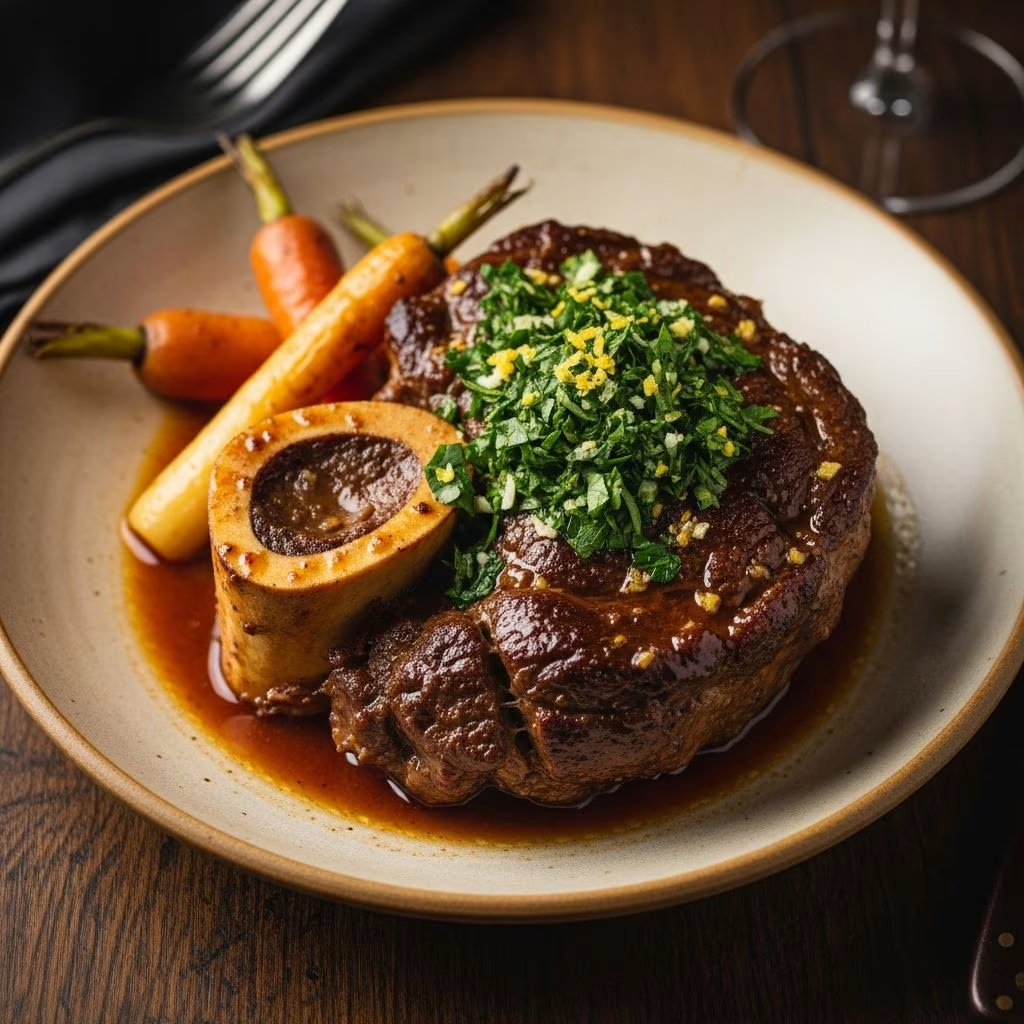
Osso Buco, translating to ‘bone with a hole’ in Italian, captures the essence of Milanese comfort food. This slow-braised dish features veal shanks simmered in a fragrant vegetable and wine sauce until the meat melts off the bone. Renowned for its marrow-filled center, Osso Buco offers a luxurious eating experience that has enchanted diners for centuries. Whether you’re a novice cook or a seasoned chef, mastering this recipe elevates your culinary repertoire.
Origins and Cultural Significance of Osso Buco
Rooted in Lombardy, Osso Buco emerged in the 19th century among working-class families who valued affordable cuts like shank. Butchers crafted cross-cut shanks to expose the marrow, turning humble ingredients into a delicacy. Today, it’s a staple in Italian restaurants worldwide, often paired with saffron-infused risotto alla Milanese.
According to historical accounts from Italian culinary archives, the dish gained prominence through regional cookbooks, symbolizing resourcefulness and flavor depth. Its preparation reflects Italy’s braising tradition, where low-and-slow cooking extracts maximum taste from tougher meats.
Essential Ingredients for Authentic Flavor
Success hinges on quality components. Start with veal shanks—2 to 3 inches thick, ideally from the hind shank for richer marrow. Look for pale pink meat with a glossy fat layer.
- Proteins: 4 veal shanks (about 1.5 lbs each)
- Aromatics: Onions, carrots, celery (the holy trinity of soffritto), garlic
- Liquids: Dry white wine, beef or veal stock, canned tomatoes
- Herbs & Spices: Bay leaves, thyme, rosemary, salt, pepper
- Garnish: Gremolata (parsley, lemon zest, garlic)
Pro tip: Opt for organic, grass-fed veal for superior tenderness and ethical sourcing. Fresh herbs amplify the dish’s brightness.
Step-by-Step Preparation Guide
Patience is key. This recipe serves 4 and takes about 3 hours total.
- Prep the Shanks: Season generously with salt and pepper. Dust lightly with flour.
- Brown the Meat: In a Dutch oven over medium-high heat, sear shanks in olive oil for 5-7 minutes per side until golden. Remove and set aside.
- Build the Base: Sauté diced onion, carrot, celery, and garlic until softened (8-10 minutes). Deglaze with 1 cup white wine, scraping browned bits.
- Simmer: Add tomatoes, stock, herbs. Nestle shanks back in, ensuring they’re partially submerged. Bring to a simmer, cover, and braise in a 325°F oven for 2-2.5 hours until fork-tender.
- Finish with Gremolata: Mix chopped parsley, minced garlic, and lemon zest. Sprinkle over shanks before serving.
For precision, use a meat thermometer: internal temperature should reach 195-205°F for optimal collagen breakdown.
Perfecting the Gremolata: The Bright Finish
Gremolata isn’t optional—it’s the dish’s soul. This uncooked condiment cuts through the richness with citrus zing. Finely chop 1/2 cup parsley, 2 garlic cloves, and zest of 2 lemons. Combine just before plating to preserve vibrancy. Variations include orange zest for sweetness or anchovy for umami depth.
Common Mistakes and How to Avoid Them
| Mistake | Why It Happens | Solution |
|---|---|---|
| Overcrowding the pot | Steaming instead of browning | Brown in batches |
| Insufficient braising liquid | Dry meat | Add stock to cover halfway |
| Skipping the oven | Uneven cooking | Use low oven for gentle heat |
| Dull gremolata | Pre-mixing too early | Prepare fresh |
These pitfalls can ruin texture. Always taste the sauce midway and adjust seasoning.
Pairing Suggestions: Wines and Sides
Complement Osso Buco with crisp whites like Verdicchio or Soave to balance the sauce’s depth. For reds, try light Pinot Noir. Serve over creamy risotto Milanese—saffron threads infuse golden luxury. Alternatives: polenta or mashed potatoes to soak up juices.
- Classic Side: Risotto alla Milanese (arborio rice, saffron, Parmesan)
- Modern Twist: Herbed couscous or garlic mashed cauliflower
- Vegetable: Sautéed Swiss chard or roasted fennel
Variations for Every Palate
Adapt Osso Buco creatively:
- Beef Osso Buco: Substitute short ribs for heartier flavor.
- Vegetarian Version: Mushrooms and eggplant mimic shank texture.
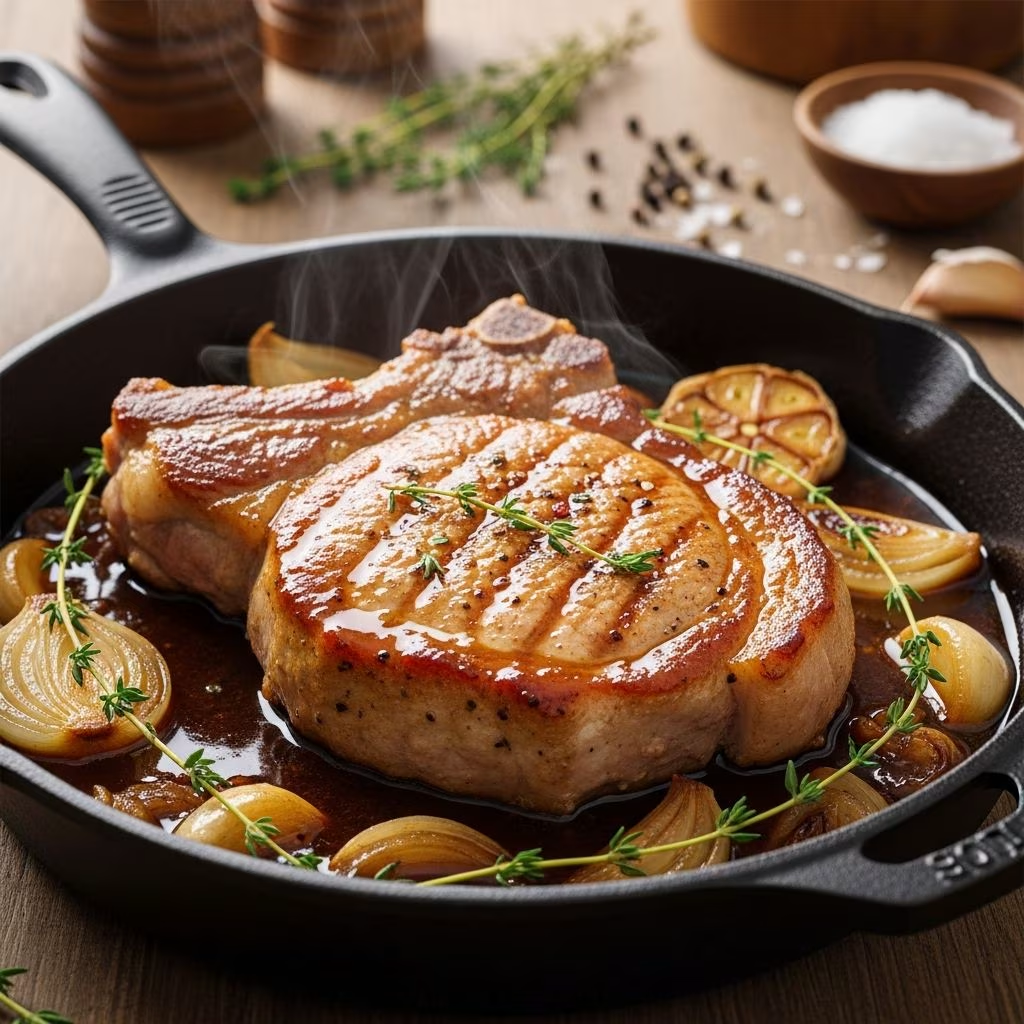
- Pork Osso Buco: Fattier, quicker-cooking option.
- Spicy Kick: Add chili flakes or harissa.
Pressure cooker adaptation: 45 minutes high pressure yields similar results for weeknights.
Nutritional Profile and Health Benefits
One serving (1 shank) provides ~450 calories, 35g protein, rich in collagen for joint health, B12, zinc, and iron from marrow. The tomato base adds lycopene antioxidants. Balance with greens for a nutrient-dense meal. Per USDA data, veal shank offers high bioavailability of minerals compared to other meats.
Storage, Reheating, and Make-Ahead Tips
Refrigerate up to 4 days or freeze for 3 months. Reheat gently in sauce to prevent drying—simmer on stovetop or microwave with damp paper towel. Flavors intensify overnight, making it ideal for meal prep.
Expert Tips from Italian Chefs
Renowned Milanese cooks emphasize tying shanks with twine to hold shape. Use homemade stock for depth. For glossy sauce, strain and reduce post-braising, then blend in butter (monter au beurre).
Frequently Asked Questions (FAQs)
What if I can’t find veal shanks?
Beef or pork shanks work well; adjust cooking time slightly longer for beef.
Can Osso Buco be made in advance?
Yes! It tastes even better the next day as flavors meld.
Is the marrow edible?
Absolutely—the prized highlight, scooped out and spread on bread.
How do I know when it’s done?
Meat should pull away from bone easily; probe with a fork.
Gluten-free options?
Skip flour dredging or use rice flour.
Conclusion: Elevate Your Table with Osso Buco
Osso Buco transcends a mere recipe—it’s a celebration of patience, tradition, and indulgence. With practice, you’ll craft restaurant-worthy results at home. Invite friends, pour the wine, and savor the marrow’s creamy reward. Buon appetito!
References
- FoodData Central: Veal, shank, cooked — United States Department of Agriculture (USDA). 2023-05-15. https://fdc.nal.usda.gov/fdc-app.html#/food-details/168870/nutrients
- The Oxford Companion to Italian Food — Oxford University Press. 2007-10-01. https://academic.oup.com/book/4902 (Authoritative historical reference, remains standard despite age).
- Italian Regional Cooking — Ada Boni. 1988 (updated editions). https://www.penguinrandomhouse.com/books/53385/italian-regional-cooking-by-ada-boni/
- Braising: The Art of Slow Cooking — Molly Stevens. 2016-10-04. https://www.penguinrandomhouse.com/books/534614/braising-by-molly-stevens/