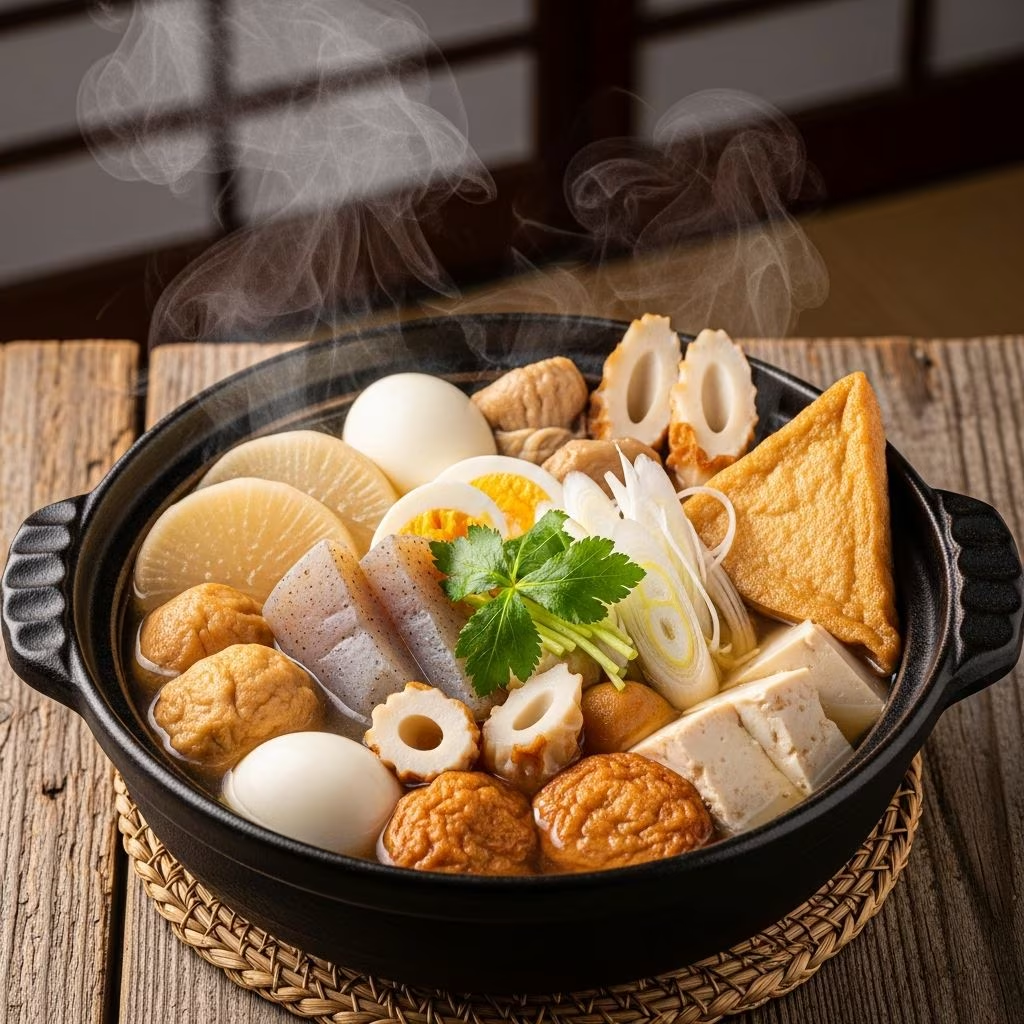
Nothing beats the warmth of a steaming pot of oden on a frosty evening. This iconic Japanese dish, often enjoyed during the colder months, brings together simple ingredients in a symphony of savory flavors. Root vegetables, protein-rich fish cakes, tender tofu, and eggs soak up a light, umami-packed broth made from dashi, soy, and mirin. Whether you’re new to Japanese cooking or a seasoned home chef, oden offers endless customization while staying true to its comforting roots.
The Allure of Oden in Japanese Culture
Oden traces its origins to street vendors and family gatherings, where it simmers slowly, filling homes with an irresistible aroma. It’s a staple at winter festivals and convenience stores across Japan, but making it at home allows for fresher ingredients and personal touches. The dish’s appeal lies in its versatility—add seafood, meats, or keep it vegan—and its ability to improve over time as flavors meld during a long, gentle simmer.
Typically served family-style from a donabe (clay pot), oden encourages sharing. Diners pick favorites with chopsticks, dipping into karashi mustard for a spicy kick. Its popularity peaks in winter, providing nourishment and warmth against the chill.
Essential Ingredients for Authentic Oden
Building a great oden starts with quality components. Focus on fresh, firm items that hold shape during cooking. Here’s a breakdown:
- Daikon radish: The star vegetable, peeled and cut into thick half-moons. It absorbs broth beautifully, turning silky after hours of simmering.
- Fish cakes (chikuwa, ganmodoki, etc.): These bouncy, processed seafood delights add texture and subtle fishiness. Choose a variety for interest.
- Tofu (atsuage or firm): Deep-fried tofu pouches or blocks provide chew and soak up flavors. Blanch first to remove excess oil.
- Boiled eggs: Hard-cooked and peeled, they become creamy and richly flavored.
- Konnyaku or kombu knots: For chewiness and low calories. Tie kombu into knots or slice konnyaku.
- Optional proteins: Beef tendon, chicken, or octopus for heartier versions.
Broth essentials include dashi stock (from kombu and bonito), soy sauce, mirin, sake, and a touch of sugar for balance.
Step-by-Step Guide to Making Classic Oden
Preparation takes about 30 minutes, with 2-3 hours of simmering. Use a large pot or donabe for even heat.
- Prep proteins: Boil beef tendon (if using) with ginger and leeks for 1 hour, then slice and reserve broth. Hard-boil eggs for 8-10 minutes, cool, and peel.
- Blanch vegetables: Parboil daikon chunks for 5 minutes to soften and remove bitterness. Rinse konnyaku and fish cakes in boiling water.
- Build the broth: Combine 1 liter dashi, 100ml reserved tendon broth (optional), 2-5 tbsp soy sauce, 3 tbsp mirin, 2 tbsp sake, 1/2 tbsp sugar, and 1 tbsp oyster sauce. Boil briefly to meld flavors.
- Layer ingredients: Add firm items first—daikon, eggs, tendon skewers, konnyaku. Simmer 20-30 minutes covered.
- Add soft items: Introduce fish cakes and tofu. Simmer another 15-30 minutes until everything is infused.
- Rest and serve: Let sit off-heat for flavors to deepen. Adjust seasoning if needed.
Total time: 2.5 hours. Serves 4-6 generously.
Broth Mastery: The Soul of Oden
A great oden hinges on its broth—light yet deeply savory. Traditional dashi from kombu and bonito flakes forms the base, enhanced by koikuchi soy for color and umami. Light soy (usukuchi) keeps it clear.
Pro tips:
- Use homemade dashi for purity, or quality powder.
- Skim foam regularly for clarity.
- Ratio guideline: 1 liter stock to 5 tbsp soy, 3 tbsp mirin, 2 tbsp sake.
| Broth Variation | Key Additions | Best For |
|---|---|---|
| Classic | Dashi, soy, mirin, sake | Everyday family meal |
| Rich | Oyster sauce, beef broth | Meat lovers |
| Vegan | Kombu-shiitake stock, coconut sugar | Plant-based diets |
| Seafood | Dried shrimp, octopus | Coastal flavors |
Regional Twists and Creative Variations
Oden varies by region. Tokyo-style is soy-forward and clear; Nagoya adds miso and kobu (sweet paste). Try these ideas:
- Seafood boost: Octopus tentacles or shrimp for brininess.
- Meat-forward: Cornish hen or chicken thighs for subtle richness.
- Vegan delight: Shiitake, wood ear mushrooms, carrots in kombu broth.
- Quick version: Pressure cooker for 45 minutes total.
Experiment with local fish cakes or seasonal veggies like carrots or lotus root.
Perfect Pairings and Serving Suggestions
Serve oden hot from the pot with steamed rice, pickled cabbage, or ponzu on the side. Condiments elevate it:
- Karashi mustard: Sharp heat.
- Nanami togarashi: Citrusy spice.
- Scallions: Fresh crunch.
Pair with hot sake or green tea. Leftovers reheat beautifully, gaining flavor overnight.
Common Mistakes and Troubleshooting
Avoid these pitfalls:
- Overcrowding: Cook in batches if needed.
- High heat: Gentle simmer prevents cloudiness.
- Under-prepped daikon: Always parboil.
- Salty broth: Taste incrementally; soy varies by brand.
Store in fridge up to 3 days; freeze broth separately.
Nutritional Benefits of Oden
Oden is wholesome: Daikon aids digestion, fish cakes provide protein, eggs offer vitamins. Low-calorie konnyaku adds fiber. A serving (bowl with rice) clocks ~400 calories, balanced and satisfying.
FAQ
What is oden? A Japanese stew of simmered ingredients in dashi-soy broth, popular in winter.
Can I make oden vegetarian? Yes! Use vegetable dashi, tofu, and mushrooms.
How long does oden last? 3-4 days refrigerated; reheat gently.
What’s the best pot for oden? Donabe for even heat, but any large pot works.
Is oden spicy? Not inherently; add togarashi or mustard for heat.
Can I use instant dashi? Absolutely, for convenience without sacrificing flavor.
Getting Started: Your First Oden Feast
With minimal equipment and pantry staples, oden is accessible. Source fish cakes from Asian markets. This dish not only warms the body but fosters connection, much like in Japanese homes. Simmer a pot this weekend and savor the tradition.
References
- Oden (Japanese Winter Stew) — Sudachi Recipes (Yuto Omura). Accessed 2026. https://sudachirecipes.com/oden-japanese-winter-stew/
- Oden – Japanese Winter Stew — Daily Cooking Quest. Accessed 2026. https://dailycookingquest.com/oden-japanese-winter-stew.html
- Oden (Japanese Fish Cake Stew) — Just One Cookbook. Accessed 2026. https://www.justonecookbook.com/oden/
- Japanese Oden Stew — Funky Asian Kitchen. Accessed 2026. https://www.funkyasiankitchen.com/blog/japanese-oden-stew/
- Vegan Oden (Japanese Winter Stew) — Cultivator Kitchen. Accessed 2026. http://cultivatorkitchen.com/vegan-oden-japanese-winter-stew/
- How to Make ODEN (Japanese Stew) — YouTube (Haruma Recipe). Accessed 2026. https://www.youtube.com/watch?v=Pgz2M9Li11g