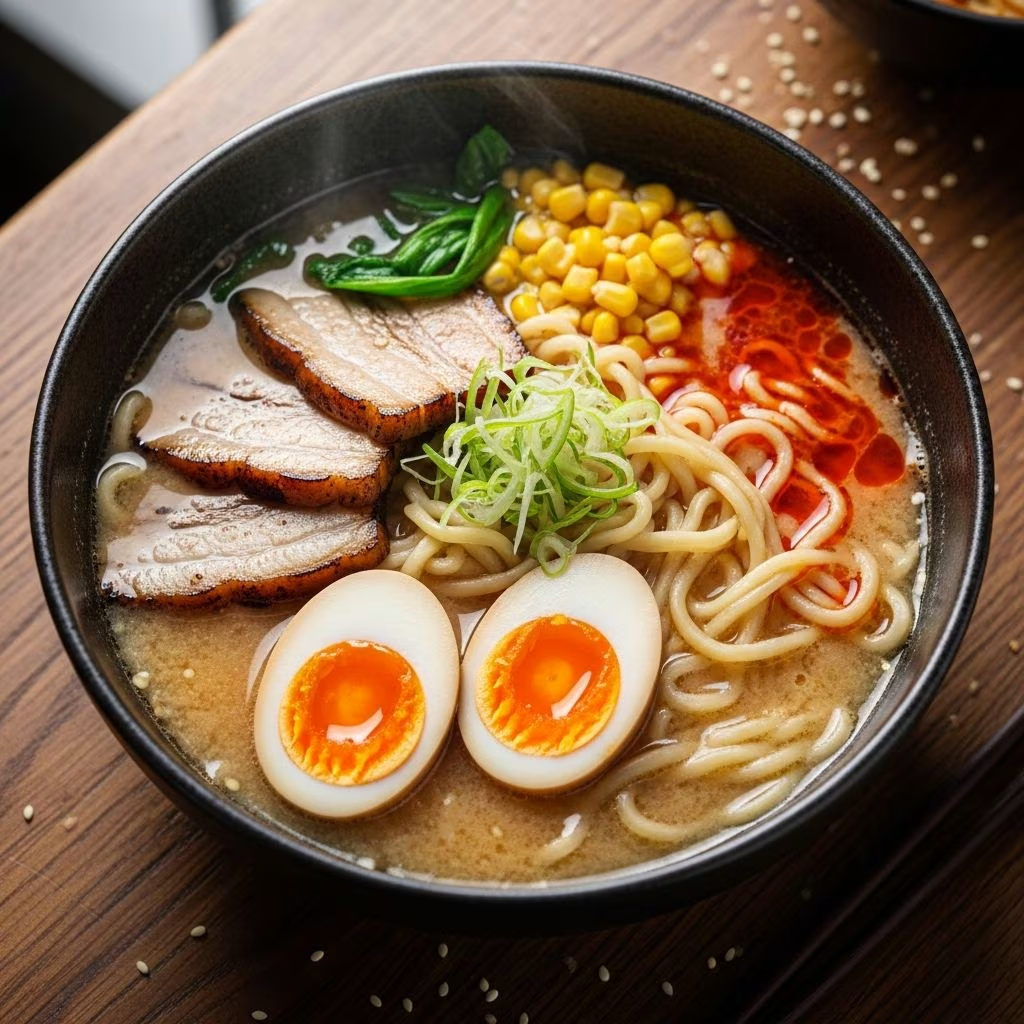
Rich, savory, and deeply comforting, miso ramen stands out among Japanese noodle soups for its bold fermented flavors and hearty profile. Originating from northern Japan, this dish combines fermented soybean paste with aromatic broths and chewy noodles, creating a meal that’s both nourishing and indulgent. Whether you’re a ramen novice or a seasoned cook, this guide walks you through everything needed to recreate an authentic bowl at home, with options for spice levels, dietary tweaks, and creative twists.
Understanding Miso Ramen’s Roots and Appeal
Miso ramen emerged in the mid-20th century in Hokkaido, where chefs experimented with local miso to craft a thicker, more robust soup compared to lighter shoyu or shio varieties. The fermented miso paste infuses the broth with umami, a savory fifth taste that makes every slurp addictive. Today, it’s beloved worldwide for its versatility—adaptable to vegetarian diets or amped up with chili for heat lovers.
What sets miso ramen apart is its balance: the earthy depth of miso tempers spicy elements like doubanjiang (fermented chili bean paste), while fresh aromatics like garlic and ginger add brightness. Paired with springy noodles and toppings like tender pork or soft-boiled eggs, it transforms simple ingredients into a symphony of textures and flavors.
Key Ingredients for Authentic Flavor
Building a great miso ramen starts with quality components. Focus on fresh, high-impact items to mimic restaurant results.
- Miso Paste: Opt for white, yellow, or red varieties; avoid overly sweet saikyo or intense hatcho miso for balance. It provides the core umami backbone.
- Aromatics: Garlic, ginger, and shallots (or onions) form the fragrant base, sautéed in sesame oil for nutty depth.
- Protein: Ground pork adds richness, but tofu, mushrooms, or vegan alternatives work seamlessly for plant-based versions.
- Heat Boosters: Doubanjiang or chili garlic sauce delivers spicy fermented notes; adjust for mild or fiery bowls.
- Broth Base: Chicken or vegetable stock simmers with sake and sugar for gloss and subtle sweetness.
- Noodles: Fresh or dried ramen noodles with alkaline water for that signature chew; instant works in a pinch.
Pro tip: Toast sesame seeds before grinding them into the tare (seasoning paste) for extra nuttiness.
Mastering the Broth: Step-by-Step
The broth, or tare-infused dashi, is the heart of miso ramen. Unlike clear tonkotsu, miso broth is opaque and concentrated, built in layers for maximum flavor.
- Prep Aromatics: Mince 2-3 garlic cloves, grate 1/2 tsp ginger, and finely chop 1 shallot. Toast 1 Tbsp sesame seeds and grind them.
- Sauté Base: Heat 1 Tbsp dark sesame oil in a pot over medium. Add aromatics and 1/4 lb ground pork (or mushrooms/tofu). Cook until fragrant, 2-3 minutes.
- Incorporate Miso Tare: Stir in 1 tsp doubanjiang and 3 Tbsp miso paste. Blend quickly to avoid scorching the miso. Add ground sesame, 1 Tbsp sugar, and 1 Tbsp sake.
- Build Broth: Pour in 4-6 cups stock (chicken or veg). Simmer gently 20-30 minutes—never boil hard, as it dulls flavors. Season with salt, white pepper.
For vegan spicy miso, swap pork for shiitake mushrooms soaked overnight and use chili garlic sauce instead of doubanjiang. Strain kombu or nori if using for dashi umami. This method yields a glossy, pourable broth ready for noodles.
Perfect Noodles and Cooking Technique
Ramen noodles must be al dente—firm yet bouncy. Boil in unsalted water (broth provides salt) for 2-4 minutes, depending on type. Fresh wheat noodles absorb flavors best.
Hack for pantry staples: Add baking soda to pasta water for a ramen-like yellow hue and springiness. Rinse briefly post-cook to stop starch buildup, then divide into bowls before ladling hot broth—this prevents sogginess.
Toppings That Elevate Every Bowl
Toppings add crunch, creaminess, and visual pop. Customize based on preference:
| Topping | Description | Prep Tip |
|---|---|---|
| Chashu Pork | Tender braised pork belly slices | Braise in soy-mirin-sake 1-2 hours |
| Ramen Egg | Soft-boiled, soy-marinated | Boil 6 min, marinate overnight |
| Bean Sprouts | Blanched for crispness | 30-sec blanch, ice bath |
| Corn Kernels | Sweet contrast to savory | Fresh or frozen, warmed |
| Green Onions | Julienned shiraga negi style | Thin slices for mild onion bite |
| Nori Sheets | Toasted seaweed | Wave over flame, crumble |
Vegetarian picks like kimchi, avocado, or extra tofu keep it lively. Finish with shichimi togarashi for heat.
Variations for Every Palate
Spicy Miso Ramen
Amp up with 1-2 Tbsp chili garlic sauce or toban djan during tare stage. Simmer with shiitakes for earthiness. Pairs with cooling corn and eggs.
Vegan Glory Bowl
Use veg broth, tofu, and mushrooms. White miso keeps it light; ginger and garlic shine.
Quick Weeknight Hack
Start with store-bought broth, whisk in miso and aromatics. Ready in 20 minutes.
Experiment with mirin for sweetness or rice vinegar for tang.
Common Mistakes and Pro Fixes
- Overcooking Miso: High heat kills enzymes—stir in off-heat.
- Soggy Noodles: Cook separately, assemble last.
- Flat Broth: Layer flavors; taste iteratively with pepper/sugar.
- Weak Umami: Use kombu dashi soak or extra sesame.
Nutrition and Pairing Notes
A standard bowl clocks 500-700 calories, packed with protein from pork/eggs and probiotics from miso. Pair with gyoza, pickled veggies, or crisp Japanese lager for balance.
Frequently Asked Questions
What type of miso is best for ramen?
A blend of white (mild) and red (robust) miso offers balanced flavor without overpowering sweetness.
Can I make miso ramen vegetarian?
Yes—sub veg stock, mushrooms/tofu for meat, and ensure gluten-free doubanjiang if needed.
How do I store leftovers?
Keep broth separate from noodles/toppings. Refrigerate 2-3 days; reheat gently.
Why is my broth not thick?
Miso ramen is pourable, not pasty. For creamier, emulsify with extra sesame oil.
Instant noodles okay?
Absolutely—discard seasoning packet, boil fresh.
With practice, you’ll nail that slurpable perfection. Dive in and customize your signature bowl!
References
- Miso Ramen Recipe 味噌ラーメン – Just One Cookbook — Just One Cookbook. 2023-05-15. https://www.justonecookbook.com/homemade-chashu-miso-ramen/
- The BEST Spicy Miso Ramen – Ministry of Curry — Ministry of Curry. 2022-11-10. https://ministryofcurry.com/spicy-miso-ramen/
- EASY Spicy Miso Ramen Recipe & Video – Seonkyoung Longest — Seonkyoung Longest. 2021-08-20. https://seonkyounglongest.com/spicy-miso-ramen/
- How to Make Spicy Miso Ramen with Jet Tila – YouTube — Food Network. 2023-02-14. https://www.youtube.com/watch?v=bC662wAssHA
- Spicy Miso Ramen – Dishing Out Health — Dishing Out Health. 2024-01-12. https://dishingouthealth.com/spicy-miso-ramen/
- Yukari’s Miso Ramen – Natalie Cooks — Natalie Cooks. 2023-09-05. https://nataliecooks.com/recipes/yukaris-miso-ramen/