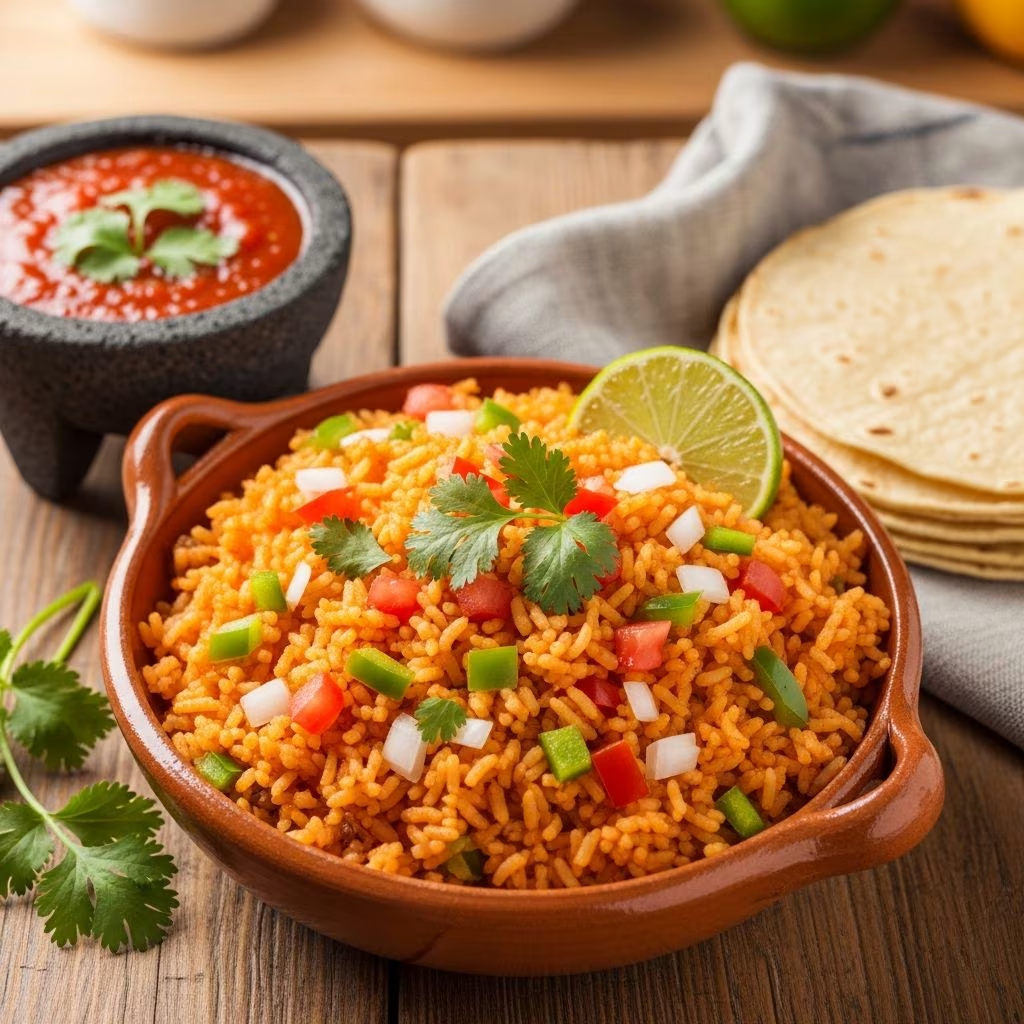
Mexican rice, known as arroz rojo or Spanish rice, stands as one of the most versatile and beloved side dishes in Latin American cuisine. This vibrant, tomatoey rice pairs beautifully with enchiladas, tacos, burritos, and countless other Mexican and Spanish-inspired dishes. What makes this recipe particularly appealing is its simplicity—despite its restaurant-quality appearance and taste, it requires minimal ingredients and straightforward cooking techniques that anyone can master.
The beauty of Mexican rice lies in its accessibility. Whether you’re a novice cook or an experienced kitchen enthusiast, this dish delivers consistent, delicious results when you understand the fundamental principles behind its preparation. The transformation from plain white rice to golden, flavorful grains infused with tomato and spices happens through a series of intentional cooking steps that create layers of flavor and achieve the perfect texture.
Understanding the Foundation: Essential Ingredients for Success
The magic of Mexican rice begins with selecting quality ingredients. Each component plays a crucial role in developing the final dish’s flavor profile and texture. Understanding what each ingredient contributes helps you make informed choices and adapt the recipe to your preferences.
The Rice Selection
Long-grain white rice forms the foundation of this dish. The length of the grain matters significantly—longer grains contain less starch, which allows them to cook to a fluffier, more separated texture rather than becoming clumpy or mushy. This characteristic is essential for achieving that restaurant-quality appearance where each grain remains distinct and individual.
Before cooking, rinsing the rice thoroughly removes the outer starch coating. This step might seem optional but makes a substantial difference in the final result. Run the rice under cool water in a fine mesh strainer, stirring gently until the water runs clear. This process typically requires two to three minutes and eliminates excess starch that would otherwise cause the grains to stick together.
Oil and Fat Components
Neutral oils like canola, vegetable, or avocado oil serve as the cooking medium for toasting the rice. Approximately 1/4 cup of oil per 1.5 cups of rice creates the ideal ratio for properly browning the grains while adding richness to the finished dish. The oil also helps prevent sticking during the toasting phase and contributes to the overall flavor development.
Aromatics: Garlic and Onion
These foundational flavor builders appear in virtually every version of Mexican rice. Minced garlic and finely diced white onion create an aromatic base that builds complexity as the rice cooks. Most recipes call for one to three cloves of garlic and approximately 1/4 of a medium onion. The cooking process mellows these ingredients, transforming them from sharp and pungent into mellow, integrated flavors.
Tomato Components
Tomato sauce or fresh tomatoes provide the signature red color and tangy undertone that defines Mexican rice. The choice between prepared sauce and fresh tomatoes affects both convenience and authenticity. Canned tomato sauce offers speed and consistency, while fresh tomatoes blended with aromatics provide a more rustic, homemade quality. When using fresh tomatoes, blend two roma tomatoes with the garlic and onion to create a smooth mixture before adding to the rice.
Bouillon and Seasoning Elements
Tomato bouillon (caldo de tomate) or chicken bouillon cubes add concentrated flavor and saltiness to the rice. These ingredients, typically added at 1-2 teaspoons, prevent the need for excessive added salt while contributing savory depth. Additional seasonings might include cumin, garlic powder, and fresh cilantro, depending on your preferred flavor intensity.
Liquid Mediums
Water, chicken broth, or vegetable broth serves as the cooking liquid. The choice affects the final flavor—chicken broth adds savory richness, while water allows the tomato and spice flavors to shine more prominently. Most recipes call for three cups of liquid per 1.5 cups of rice, though the exact ratio depends on whether you’re using water or broth.
The Toasting Technique: Building Flavor from the Beginning
The initial toasting phase represents the most critical step in developing authentic Mexican rice flavor. This technique, often overlooked by casual cooks, transforms plain rice into something far more interesting and flavorful.
Begin by heating your chosen oil in a large saucepan or skillet over medium heat. Once the oil shimmers and moves freely across the pan bottom, add your rinsed rice. The rice should sizzle immediately upon contact with the hot oil—this auditory cue indicates proper temperature.
Stir the rice constantly for five to ten minutes, watching carefully as the grains gradually transform from bright white to pale cream and eventually to light golden brown. This transformation involves toasting the rice, which removes residual moisture and develops subtle nutty flavors. The constant stirring prevents burning while ensuring even browning across all grains.
Pay close attention during this phase—the difference between perfectly toasted rice and burnt rice involves only a few minutes. Burnt rice tastes bitter and unpleasant, while perfectly toasted rice has a clean, nutty aroma with a light golden color throughout.
Combining and Cooking: Bringing It All Together
Once the rice reaches the ideal golden-brown color, add your minced garlic and diced onion directly to the pan. Stir these aromatics into the hot rice for one to two minutes, allowing them to release their fragrant compounds and become integrated throughout the rice.
Next, add the tomato sauce or fresh tomato puree, followed by the bouillon, salt, and any additional vegetables like carrots or peas if desired. Stir thoroughly to combine these ingredients evenly throughout the rice. The mixture should become cohesive and coat all the rice grains with color.
Pour in your chosen liquid—whether water, chicken broth, or vegetable broth—and stir once more. The mixture should come to a vigorous boil within two to three minutes. Once boiling, reduce the heat to low, cover the pan with a tight-fitting lid, and let the rice simmer undisturbed for approximately twenty minutes.
The covering is essential—it traps steam, which cooks the rice through gentle moist heat. Resist the urge to lift the lid and stir, as this disrupts the cooking process and can result in unevenly cooked rice. The rice should absorb all the liquid during this simmering period, becoming tender and fully cooked.
The Resting Period: The Often-Overlooked Final Step
After the rice finishes cooking and all liquid has been absorbed, remove the pan from heat but leave the lid in place. Allow the rice to rest for five to ten minutes. During this resting period, residual heat continues cooking the rice gently while the grains firm up and become less fragile.
After resting, remove the lid and fluff the rice gently with a fork. Use light, lifting motions rather than aggressive stirring to separate the grains without breaking them. This fluffing releases any excess steam and helps prevent the rice from becoming dense or sticky.
Ingredient Variations and Adaptations
| Variation | Modification | Effect on Final Dish |
|---|---|---|
| Brown Rice Option | Increase liquid by ½ cup and cook for 40 minutes | Nuttier flavor, chewier texture, more fiber content |
| Fresh Tomato Base | Blend 2 roma tomatoes with aromatics instead of sauce | Fresher, more homemade taste; more rustic appearance |
| Vegetable-Enhanced | Add diced carrots, peas, or bell peppers during cooking | Increased nutrition, color variety, added texture |
| Spice Variation | Include whole serrano peppers or increase cumin | Subtle heat and additional depth of flavor |
| Broth Substitution | Use chicken or vegetable broth instead of water | Enhanced savory quality, deeper overall flavor |
Common Mistakes and How to Avoid Them
Insufficient Rice Toasting
Rushing through the toasting phase results in bland rice that lacks depth and character. Commit the full five to ten minutes to this step, allowing the rice to develop its nutty flavor base. The golden-brown color serves as your visual guide—don’t skip this step or reduce the time.
Skipping the Rice Rinse
Unrinsed rice cooks into a thick, sticky mass rather than separate, fluffy grains. The starch removal is not optional for achieving restaurant-quality results. Take two minutes to rinse thoroughly until the water runs clear.
Using Incorrect Liquid Temperature
Adding cold liquid to hot rice causes uneven cooking and can result in partially cooked rice with hard centers. Always use hot water or bring broth to a simmer before adding it to the toasted rice.
Lifting the Lid During Cooking
Every time you remove the lid, you release steam and interrupt the cooking process. Trust the process and keep the lid in place for the entire simmering period. Resist checking on the rice until the time has elapsed.
Over-Seasoning or Under-Seasoning
Taste the rice before serving and adjust salt as needed. Different bouillon brands vary in saltiness, and personal preferences differ. It’s easier to add salt gradually than to fix over-salted rice.
Serving Suggestions and Pairings
Mexican rice serves as an ideal accompaniment to virtually any Mexican or Latin American main dish. Serve it alongside enchiladas verdes, chile rellenos, or grilled fish for a complete meal. The rice’s tomato base and subtle spicing complement proteins ranging from tender shredded chicken to grilled carnitas to black beans.
For burrito bowls, layer Mexican rice with seasoned protein, black or pinto beans, corn, lettuce, cheese, and your choice of toppings. The rice’s mild flavor allows other components to shine while providing a satisfying, flavorful foundation. Garnish with fresh cilantro and lime wedges for added brightness.
Leftover Mexican rice keeps well in the refrigerator for three to four days, making it convenient for meal preparation. Reheat gently on the stovetop with a splash of water or broth, or warm in the microwave covered to prevent drying out.
Frequently Asked Questions
What if my rice turns out mushy or soggy?
Mushy rice typically results from too much liquid or cooking too long. Measure your liquid carefully using a standard cup measure. If you consistently end up with soft rice, reduce the liquid by 2-3 tablespoons and maintain the same cooking time. Additionally, ensure the lid fits tightly to prevent excessive steam loss.
Can I make Mexican rice in a rice cooker?
While you can prepare the toasting phase on the stovetop and transfer everything to a rice cooker, the toasting step is difficult to replicate in a rice cooker. The traditional stovetop method provides better flavor development and more control over the final result.
How do I prevent the rice from sticking to the pan?
Adequate oil during the toasting phase and proper liquid amount during cooking prevent sticking. A heavy-bottomed pan or one with good non-stick coating also helps. Stirring during the toasting phase ensures all rice grains contact the hot surface evenly.
Is it necessary to use tomato bouillon, or can I skip it?
Tomato bouillon adds concentrated flavor and helps season the rice without requiring additional salt. You can omit it and add extra salt to taste, but the bouillon creates a more authentic and developed flavor profile that’s difficult to replicate with salt alone.
What’s the best type of rice to use?
Long-grain white rice is the traditional choice and produces the best results. The longer grains contain less starch and cook to a light, fluffy texture. Medium-grain rice tends to become stickier, while short-grain rice becomes very soft. Stick with long-grain for optimal results.
Can I add other vegetables to Mexican rice?
Yes, diced carrots, peas, corn, and diced bell peppers work well in Mexican rice. Add harder vegetables like carrots at the same time as the liquid so they cook fully. Add softer vegetables like peas closer to the end or after cooking so they retain their texture.
Conclusion: Master This Essential Dish
Mexican rice represents far more than a simple side dish—it’s a gateway to understanding fundamental cooking techniques like toasting grains, building flavor layers, and managing steam-based cooking. By mastering this recipe, you develop skills that apply to countless other rice dishes and grain-based preparations.
The combination of proper ingredient selection, careful technique execution, and attention to detail transforms humble pantry staples into restaurant-quality results. Start with the basic recipe, follow the techniques outlined, and don’t rush the toasting phase. Once you’ve successfully prepared Mexican rice several times, you’ll develop the intuition to adjust seasonings and ingredients based on your preferences and what’s available in your kitchen.
The next time you crave authentic Mexican flavors at home, you’ll have the knowledge and confidence to prepare a side dish that rivals your favorite restaurant versions. Gather your ingredients, commit to the process, and discover why Mexican rice has remained a beloved staple across generations and cultures.
References
- Authentic Mexican Rice Recipe — Yellow Bliss Road. Accessed April 2026. https://www.yellowblissroad.com/authentic-mexican-rice/
- Easy Authentic Mexican Rice — Tastes Better From Scratch. Accessed April 2026. https://tastesbetterfromscratch.com/authentic-mexican-rice/
- Easy Authentic Mexican Rice Recipe — I Heart Naptime. Accessed April 2026. https://www.iheartnaptime.net/easy-mexican-rice/
- Authentic Mexican Rice (Arroz Rojo) — Stella’s Spice. Accessed April 2026. https://stellanspice.com/authentic-mexican-rice/