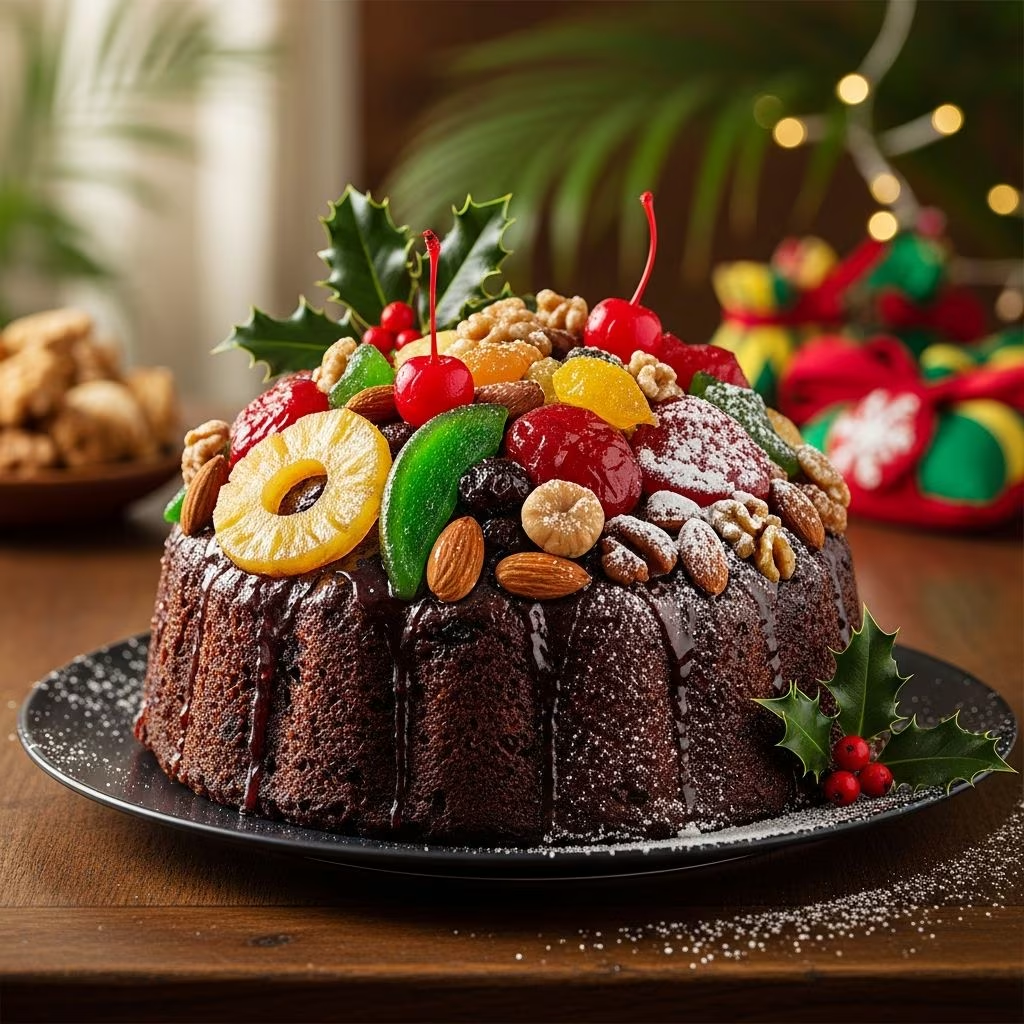
Jamaican fruit cake represents one of the Caribbean’s most beloved culinary traditions, gracing tables during celebrations, holidays, and special occasions throughout the region and beyond. This dense, intensely flavored dessert combines the richness of butter and eggs with the complexity of wine-soaked dried fruits and warming spices, creating a cake that improves with age and brings people together across generations. Whether you call it black cake, Christmas cake, or rum cake, this traditional preparation method has remained largely unchanged for centuries, passed down through families who guard their recipes as treasured heirlooms.
Understanding the Foundation: What Makes This Cake Distinctive
The defining characteristic that separates Jamaican fruit cake from other desserts lies in its preparation methodology and ingredient composition. Unlike lighter sponge cakes or American-style fruitcakes, the Jamaican version achieves its distinctive dark color, deep flavor profile, and exceptional moisture content through a unique combination of techniques and ingredients that work in concert. The cake’s foundation rests on several key elements that work together to create its signature taste and texture.
The first element involves the extended preparation of dried fruits in alcoholic liquids, which fundamentally transforms how these ingredients integrate into the final product. Rather than remaining as discrete fruit pieces scattered throughout the cake, the soaking process allows the dried fruits to absorb the flavors of port wine and rum, becoming tender and infused with alcohol while simultaneously flavoring the liquid that will eventually be incorporated into the batter. This creates a unified, cohesive flavor throughout the entire cake rather than pockets of sweetness.
The second crucial element involves the use of browning sauce or blackstrap molasses, which contributes not only to the cake’s distinctive dark appearance but also adds layers of complex, slightly bitter undertones that balance the sweetness of the fruits and sugar. This ingredient distinguishes Caribbean fruit cakes from their counterparts found in other regions, where browning or molasses might not be standard components. The browning creates visual appeal while providing depth to the flavor profile that cannot be achieved through spices alone.
Preparing the Fruit Base: The Critical Soaking Process
Success in baking a traditional Jamaican fruit cake begins weeks before you ever turn on the oven, as the soaking period represents the most important preparatory stage. This extended maceration process allows dried fruits to rehydrate, absorb flavoring elements, and develop the concentrated taste that defines an authentic cake.
Selecting Your Dried Fruits
The fruit mixture typically incorporates multiple varieties of dried fruits, creating complexity through layered flavors and textures. A standard combination includes raisins, currants, maraschino cherries, mixed citron peel, and prunes, though variations exist based on family traditions and regional preferences. Each fruit type contributes distinct flavor notes: raisins provide natural sweetness and subtle earthiness, currants offer tartness that brightens the overall profile, cherries add visual interest and mild fruity notes, citron peel delivers bright citrus undertones, and prunes contribute deep, almost wine-like characteristics that enhance the alcohol’s influence.
The quantity of fruit matters significantly, as you want enough to create a rich, intensely flavored mixture that dominates the final cake composition. Many traditional recipes call for approximately 8-10 cups of combined dried fruits as the baseline, though some bakers increase this proportion for even more pronounced fruit flavor. The goal is to create a fruit-to-batter ratio where the fruits remain the dominant component rather than serving as merely decorative additions.
The Alcohol Foundation
Port wine and white or dark rum form the liquid foundation for fruit maceration, with the alcohol serving multiple functional purposes beyond simply adding flavor. The alcohol prevents mold or bacterial growth during the extended soaking period, allows the dried fruits to absorb and retain moisture over weeks, and infuses the fruits with complex flavoring compounds that regular liquid cannot achieve. Traditionally, recipes call for approximately one quart of port wine combined with one cup of rum, though precise ratios may vary based on preference and fruit quantity.
The Soaking Timeline
While fruits can soak for as little as one day if time constraints require it, the superior approach involves allowing fruits to macerate for seven to fourteen days, with some bakers extending this period to several weeks for maximum flavor development. During this extended soaking period, the fruits continuously absorb the alcohol and wine, becoming increasingly tender and flavorful. If storing the fruit mixture beyond a few days, you should periodically add additional wine and rum to ensure the fruits remain completely submerged, preventing oxidation and allowing continued absorption.
When ready to begin baking, strain approximately half a cup of the liquid from the fruit mixture and reserve it separately. This reserved liquid will later be incorporated into the batter, providing additional moisture and flavor without overwhelming the cake’s texture. Process the remaining soaked fruits in a food processor, pulsing until they reach a chunky consistency with no large pieces remaining intact. This processing creates a paste-like mixture that distributes evenly throughout the batter, ensuring each bite contains fruit rather than leaving large fruit pieces scattered unevenly.
Building the Cake Structure: Mastering the Batter
Once your fruit mixture has reached optimal readiness, the baking process begins with creating a properly textured batter that will support the weight of the soaked fruits while maintaining moisture. The methodology differs somewhat from standard cake preparation, requiring careful attention to mixing sequences and ingredient proportions.
Dry Ingredient Preparation
Begin by combining all dry ingredients in a separate bowl before introducing them to the wet mixture. Your dry ingredient blend should include all-purpose flour that has been properly spooned and leveled rather than scooped to prevent excess flour in the final mixture. Standard recipes call for approximately 4 cups of flour, combined with almond flour for additional texture and subtle flavor complexity. Baking powder serves as the leavening agent, though the quantity remains modest since heavy rising would create an overly light cake that cannot properly support the dense fruit filling—typical recipes use only 2 teaspoons. Combine the flour mixture with ground nutmeg, cinnamon, mixed spice, and salt, whisking these ingredients together thoroughly to ensure even distribution of spices throughout the flour blend.
Creaming Butter and Sugar
The second phase involves creaming room-temperature butter with dark brown sugar using an electric mixer on high speed, a process that typically requires 3-5 minutes to reach the desired light, fluffy consistency. This creaming process incorporates air into the butter-sugar combination, creating a foundation that will help the cake rise slightly despite the density of the fruit mixture. Taking time to properly cream these ingredients cannot be rushed if you want optimal results, as inadequate creaming leads to a denser, more compact finished cake.
Egg Integration
Add eggs individually to the creamed butter-sugar mixture, allowing each egg to fully incorporate before introducing the next. After each egg addition, scrape down the sides of the mixing bowl with a spatula to ensure all ingredients combine evenly. This methodical approach prevents the mixture from separating and ensures uniform distribution of eggs throughout the batter. A traditional recipe incorporates 8-9 large eggs, which provides structure, moisture, and richness to the final cake.
Bringing Components Together
Once the eggs have been incorporated, add the dry ingredient mixture gradually, mixing on low speed and incorporating in two or three additions rather than all at once. This staged approach prevents overmixing and helps maintain the light, airy texture you’ve developed through the creaming process. Fold the processed fruit mixture into the batter along with lime zest, lime juice, vanilla extract, almond extract, browning sauce, and the reserved soaking liquid that you set aside earlier. Mix on low speed until all ingredients distribute evenly throughout the batter, being careful not to overmix, which can toughen the final texture.
Essential Ingredient Considerations
| Ingredient | Purpose | Key Notes |
|---|---|---|
| Dried Fruits | Primary flavor and moisture | Select high-quality fruits; soaking improves texture and flavor absorption |
| Port Wine & Rum | Flavor enhancement and preservation | Alcohol prevents spoilage during extended storage; choose quality spirits |
| Brown Sugar | Sweetness and color | Dark brown sugar contributes deeper molasses notes than light brown sugar |
| Browning Sauce | Color and complex flavor | Creates the distinctive dark appearance and adds subtle bitter undertones |
| Warm Spices | Aromatic flavor profile | Nutmeg, cinnamon, and mixed spice should be freshly ground if possible |
| Butter & Eggs | Structure and richness | Room temperature ingredients ensure proper mixing and incorporation |
Baking Methodology and Temperature Control
Jamaican fruit cake requires different baking conditions than standard cakes, with lower temperatures and longer baking times that allow the dense batter to bake through completely without burning the exterior. Traditional recipes call for preheating your oven to 220-325 degrees Fahrenheit, significantly lower than standard cake recipes, which prevents the cake from browning too rapidly on the outside before the interior bakes properly.
Pour your completed batter into a prepared baking pan lined with parchment paper, then employ an important technique called a water bath to ensure even heat distribution and prevent the cake from drying out. Place the filled cake pan inside a larger roasting pan containing approximately one inch of hot water, positioning this setup on the lower oven rack. The water bath creates a more gentle baking environment, surrounding the cake with moist heat that allows it to bake through gradually while maintaining maximum moisture content throughout the baking process.
Baking time extends considerably longer than standard cakes, requiring 1.5 to 2 hours or even longer, depending on your oven’s particular characteristics and the cake’s thickness. Monitor the baking cake approximately halfway through the process, and if it begins browning too rapidly, cover the top loosely with aluminum foil to slow the browning process. The cake is ready when a toothpick inserted into the center comes out clean or with only minimal moist crumbs attached—not wet, but not completely dry either.
Storage and Aging: The Final Transformation
The beauty of Jamaican fruit cake extends beyond the initial baking, as this cake actually improves with age as flavors meld and deepen. Once completely cooled, wrap the cake tightly in plastic wrap and aluminum foil, then store it in an airtight container. Many bakers brush the cooled cake with additional rum or port wine before wrapping, providing extra moisture and allowing the alcohol flavors to permeate the cake during storage. Store-bought cakes can keep for several weeks or even months when properly wrapped, with the flavors becoming increasingly complex and well-integrated over time.
Frequently Asked Questions
Can I reduce the soaking time for the fruits?
While traditional recipes call for at least one week of soaking, you can accelerate the process by gently heating the dried fruits in port wine and rum for 15 minutes, then allowing them to cool and soak overnight. This shortens preparation time but produces slightly less complex flavor than extended room-temperature soaking. If your schedule permits, soaking for the full week provides superior results.
What if I don’t have browning sauce?
Blackstrap molasses can serve as a substitute for browning sauce, though the flavor will be slightly different. Mix molasses into the batter in the same quantity as called for browning sauce. The cake will be slightly less dark but will still develop excellent flavor and the proper dense texture.
Can I make this cake without alcohol?
While traditionally made with rum and port wine, you can substitute using fruit juices like apple or cranberry juice combined with water. The flavor will be lighter and less complex, but the cake will still be moist and flavorful. Some bakers use grape juice as an alcohol substitute, which provides deeper color and more complex sweetness.
How should I serve this cake?
Jamaican fruit cake is traditionally served in small slices at room temperature, often accompanied by a glass of rum or sweet wine. Some families serve it during holidays, celebrations, and special occasions, while others keep portions on hand throughout the year. The intense flavor means that small portions satisfy, making a single cake yield many servings.
Tips for Success and Common Mistakes to Avoid
- Use room-temperature ingredients when mixing the batter, as cold ingredients don’t incorporate properly and can create an uneven texture
- Don’t skip the water bath during baking, as this crucial step prevents the exterior from browning too quickly while the interior remains underbaked
- Avoid overmixing the batter once you add the flour, as this can toughen the cake and prevent it from achieving the proper dense yet moist texture
- Ensure all dried fruits remain completely submerged during the soaking period by checking them daily and adding additional wine or rum as needed
- Process the soaked fruits until they reach a paste-like consistency with no large chunks remaining, which ensures even distribution throughout the batter
- Allow adequate cooling time before wrapping and storing the cake, as wrapping a warm cake creates excess moisture that can lead to mushiness
- Store the finished cake in a cool, dark location away from direct sunlight and temperature fluctuations, which can affect flavor and texture over time
References
- Jamaican Black Cake — Grand Baby Cakes. 2024. https://grandbaby-cakes.com/jamaican-black-cake/
- Jamaican Fruit Cake (Vegan, Gluten Free) — That Girl Cooks Healthy. 2024. https://thatgirlcookshealthy.com/jamaican-black-cake/
- Jamaican Fruit Cake/Rum Cake — Jam Down Foodie. 2024. https://jamdownfoodie.com/jamaican-fruit-cake-rum-cake/
- Authentic Jamaican Black Cake — The Seasoned Skillet. 2024. https://seasonedskilletblog.com/jamaican-rum-cake/