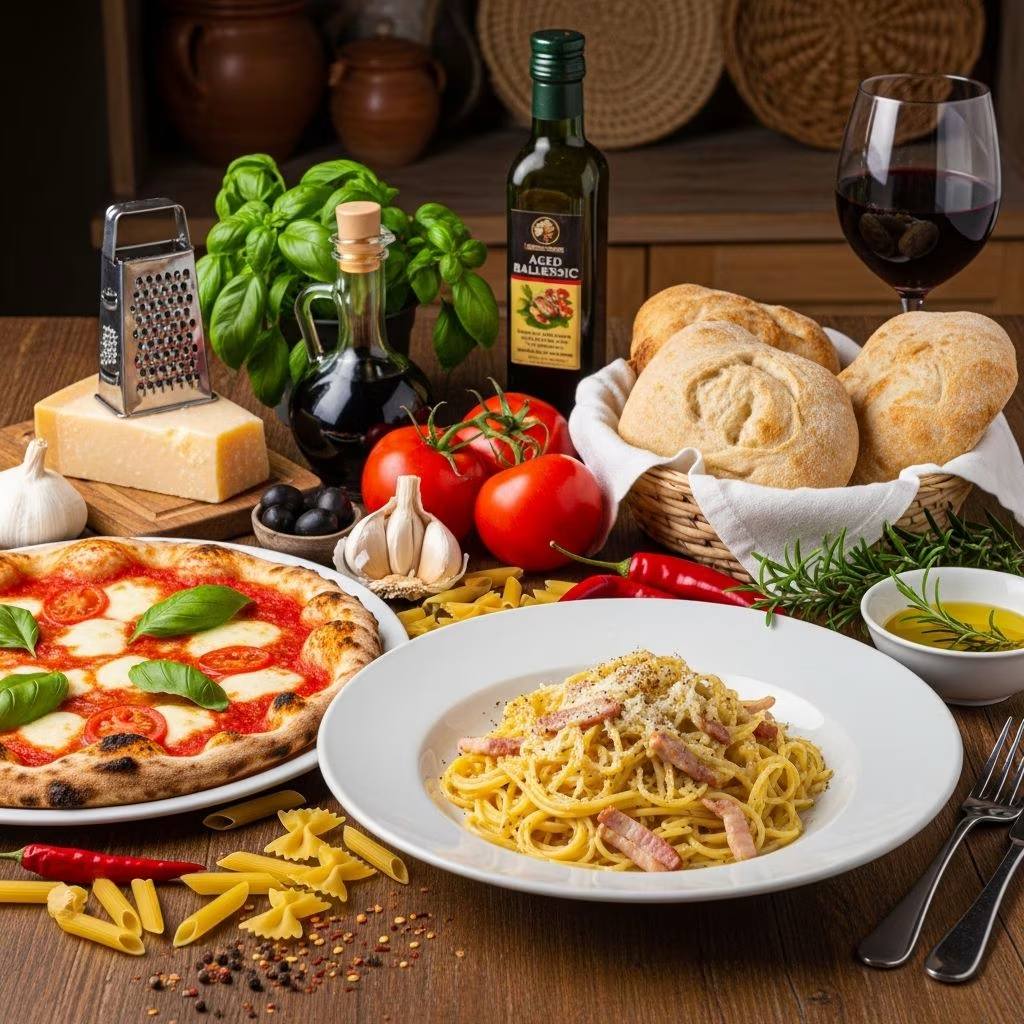
Italian cuisine stands as one of the world’s most beloved culinary traditions, celebrated for its emphasis on fresh, high-quality ingredients, simplicity, and regional diversity. From the hearty pastas of the north to the seafood delights of the south, each dish tells a story of history, family, and passion. This guide offers an original exploration of iconic recipes, drawing inspiration from time-honored methods to help you recreate genuine Italian flavors at home. Whether you’re a novice cook or a seasoned enthusiast, these recipes highlight the beauty of minimalism in cooking.
The Essence of Italian Cooking: Simplicity and Quality
At its core, Italian cooking revolves around a few fundamental principles. Fresh produce, extra-virgin olive oil, and artisanal cheeses form the backbone of most dishes. Unlike more complex global cuisines, Italian recipes often require just a handful of ingredients, allowing their natural tastes to shine. This philosophy stems from Italy’s diverse landscapes—from the olive groves of Tuscany to the citrus orchards of Sicily—each contributing unique elements to the national pantry.
Regional variations add depth to Italy’s food scene. Northern Italy favors butter and rice, while the south leans on tomatoes and olive oil. Understanding these differences helps in selecting the right recipes for authentic results. Start with staples like pasta, which appears in countless forms, each tied to local traditions.
Mastering Pasta: Italy’s Timeless Staple
Pasta is the heart of Italian meals, with over 300 shapes and endless sauces. It’s versatile, comforting, and deceptively simple to prepare at home. Boiling pasta al dente—firm to the bite—is key, followed by a sauce that coats without overwhelming.
- Pasta al Pomodoro: A classic tomato sauce made with ripe plum tomatoes, garlic, basil, and olive oil. Simmer for 20 minutes to concentrate flavors.
- Cacio e Pepe: Pecorino Romano cheese and black pepper create a creamy emulsion with pasta water. No cream needed—just technique.
- Pasta alla Gricia: Pancetta, Pecorino, and pepper form this Roman precursor to carbonara. Use guanciale for the best results.
To elevate your pasta game, always salt the boiling water generously, like the sea, and reserve some starchy water for sauce emulsification. Fresh handmade pasta, such as tagliatelle or ravioli, takes it further but requires practice.
Appetizers and Antipasti: Starting with Flavor
Antipasti set the tone for a meal, offering small bites that whet the appetite. These dishes are light yet flavorful, often featuring cured meats, cheeses, olives, and grilled vegetables.
| Dish | Key Ingredients | Region | Prep Time |
|---|---|---|---|
| Bruschetta | Tomatoes, basil, garlic, olive oil on toasted bread | Tuscany | 15 mins |
| Caprese Salad | Mozzarella, tomatoes, basil, balsamic | Campania | 10 mins |
| Prosciutto e Melone | Prosciutto, cantaloupe | Emilia-Romagna | 5 mins |
These starters embody la dolce vita, balancing sweet, salty, and fresh notes. Pair with a crisp white wine for an authentic aperitivo hour.
Seafood Specialties from Coastal Italy
Italy’s extensive coastline inspires seafood dishes that highlight the Mediterranean’s bounty. Fresh fish, shellfish, and sustainable practices define these recipes.
- Sarde a Beccafico: Sicilian stuffed sardines with breadcrumbs, pine nuts, raisins, and lemon. Baked until golden, they offer sweet-savory contrast.
- Spaghetti alle Vongole: Clams, garlic, white wine, and parsley. No cheese—seafood pasta stays pure.
- Fritto Misto: Mixed fried seafood with calamari, shrimp, and vegetables, lightly battered and served with lemon.
Cooking seafood requires precision: quick high heat preserves tenderness. Source sustainable options to honor Italy’s fishing heritage.
Hearty Mains: Meat and Vegetable Classics
Beyond pasta, mains feature slow-cooked meats, risottos, and vegetable-focused plates. Polenta and risotto shine in the north, while eggplant parmigiana rules the south.
Ossobuco from Milan pairs veal shanks braised in white wine with gremolata—a zesty herb topping. Serve over saffron risotto for a complete dish. In the south, Parmigiana di Melanzane layers fried eggplant with tomato sauce and mozzarella, baked until bubbly.
Vegetarian options abound, like Pasta e Ceci, chickpeas simmered with pasta in a garlicky broth, or Risi e Bisi, a creamy rice and pea risotto from Veneto.
Sweet Endings: Italian Desserts
No Italian meal is complete without dolci. These treats range from creamy gelato to crisp cookies.
- Tiramisu: Ladyfingers soaked in espresso and Marsala, layered with mascarpone cream.
- Limoncello Sorbet: Zesty lemon sorbet infused with the famous liqueur.
- Crostoli: Fried dough pastries dusted with powdered sugar, perfect for Carnival.
- Torta Paesana: Rustic bread pudding with amaretti cookies and raisins.
Gelato, denser than ice cream, uses milk and minimal air for creaminess. Make it at home with a churner and fresh fruit purees.
Regional Deep Dive: Flavors Across Italy
Italy’s 20 regions each boast distinct cuisines. Tuscany loves ribollita, a bread and vegetable soup. Sicily excels in arancini, stuffed rice balls. Lombardy offers risotto alla Milanese with saffron. Calabria spices with nduja, a spreadable pork sausage.
Explore pairings: Chianti with grilled meats, Prosecco with appetizers. Seasonal eating is crucial—summer tomatoes, winter truffles.
Tips for Authentic Results at Home
- Use the best ingredients: Seek DOP/IGP labels for protected origin products like Parmigiano-Reggiano.
- Invest in tools: A good pasta pot, Microplane for zest, and heavy skillet.
- Practice patience: Many dishes improve with slow simmering.
- Adapt seasonally: Swap ingredients based on availability.
FAQs
What makes Italian recipes authentic?
Authenticity comes from fresh, local ingredients, simple preparations, and regional traditions, avoiding heavy sauces or shortcuts.
Can I make pasta from scratch?
Yes! Mix ’00’ flour with eggs, knead, rest, and roll. It’s rewarding and superior in texture.
How do I store Italian leftovers?
Keep in airtight containers; pasta with sauce lasts 2-3 days refrigerated. Reheat gently with a splash of water.
Are there vegan Italian options?
Absolutely—pasta al pomodoro, minestrone, and grilled vegetables fit perfectly.
What’s the best wine for Italian cooking?
Italian varietals like Pinot Grigio for whites, Sangiovese for reds; use inexpensive bottles for cooking.
References
- Nonna Box: Italian Traditional Recipes from Nonnas — Nonna Box. 2023. https://www.nonnabox.com
- 23 Authentic Italian Recipes That’ll Give You The Ultimate Taste Of Italy — DeLallo. 2024-01-15. https://www.delallo.com/blog/authentic-italian-recipes/
- The Italian Chef: Italian Recipes — Italian Chef. 2022. https://italianchef.com
- An Italian in my Kitchen: Authentic Italian Recipes — An Italian in my Kitchen. 2024. https://anitalianinmykitchen.com
- Italian Food Forever: Discover Delicious and Simple Italian Recipes — Italian Food Forever. 2023. https://italianfoodforever.com