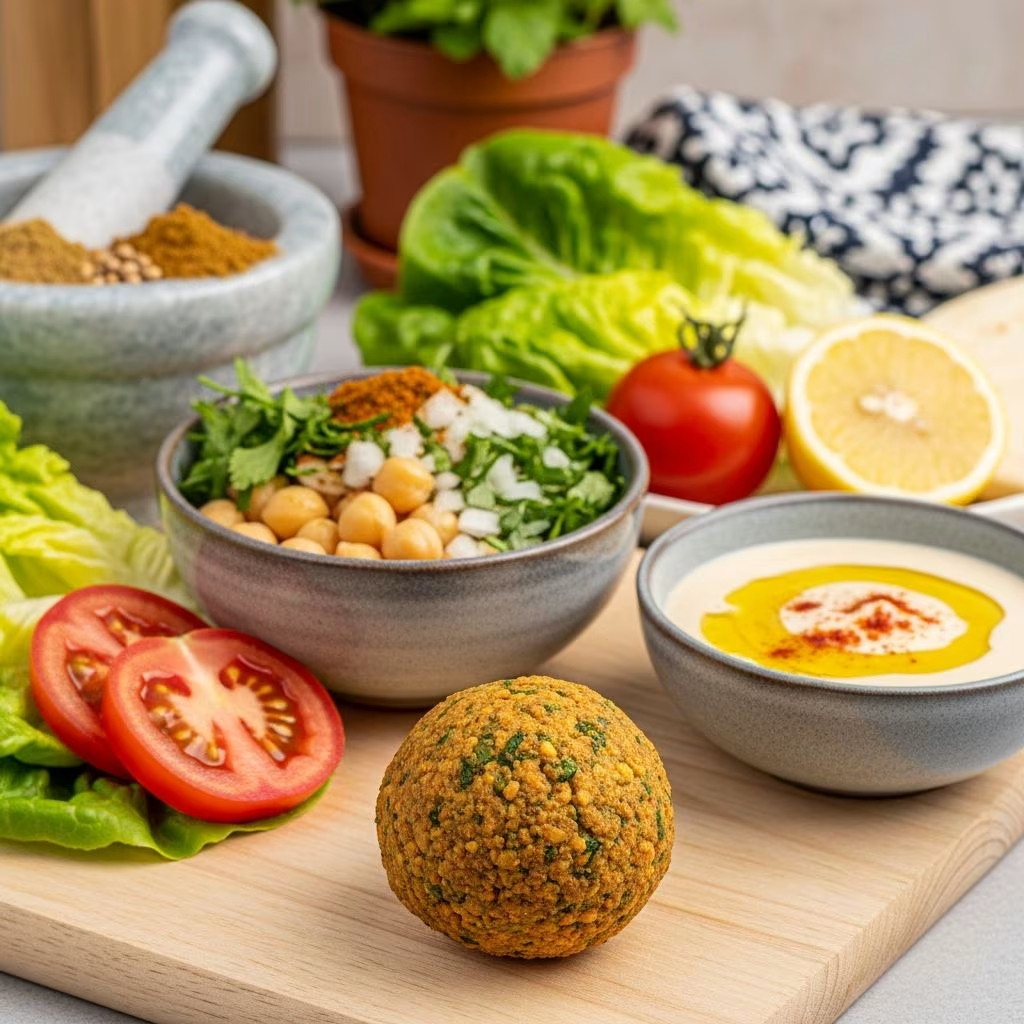
Falafel represents one of the most celebrated dishes in Middle Eastern cuisine, beloved for its satisfying texture, complex flavor profile, and versatility. Whether enjoyed as a standalone snack, tucked into warm pita bread, or served alongside other Mediterranean dishes, this humble legume-based creation has earned its place at tables around the world. The beauty of falafel lies not only in its delicious taste but also in its nutritional benefits and adaptability to various dietary preferences. Creating authentic falafel at home requires understanding the fundamental techniques and ingredient relationships that transform simple components into something truly extraordinary.
Understanding Falafel Fundamentals
Falafel consists of ground legumes—traditionally chickpeas or fava beans—combined with aromatic herbs and warming spices that define Middle Eastern cooking. The preparation method distinguishes quality falafel from mediocre versions, as does the careful selection of each ingredient. Unlike many dishes that rely on complex techniques, falafel demands precision in execution rather than elaborate methods. Understanding why each step matters empowers home cooks to troubleshoot problems and achieve consistent excellence.
The cultural significance of falafel extends across the Levantine region and beyond, with variations reflecting local preferences and available ingredients. Street vendors throughout the Middle East and Europe serve falafel as a quick, satisfying meal, though homemade versions often surpass their commercial counterparts in both flavor intensity and freshness.
Ingredient Selection and Preparation
Choosing the Right Base
The foundation of exceptional falafel begins with proper legume selection and preparation. Dried chickpeas that have been soaked constitute the gold standard for this application. The soaking process, which requires a minimum of 24 hours in cold water, fundamentally alters the chickpeas’ texture and binding properties. This extended hydration allows the legumes to achieve the ideal consistency for forming tight, cohesive balls that hold together during cooking.
Many home cooks question whether canned chickpeas provide an acceptable alternative to dried legumes. The cooking process used in commercial canning alters the starch composition of the chickpeas, resulting in a texture that often proves too soft and moist for proper falafel formation. The additional liquid in canned chickpeas can necessitate extra flour or binder additions, which ultimately affects the final product’s texture and authenticity. For superior results, investing time in the soaking process delivers measurably better outcomes.
Aromatic Components
Fresh herbs form the aromatic backbone of exceptional falafel. Cilantro and parsley contribute bright, herbaceous notes that elevate the overall flavor profile. These herbs should be chopped finely and incorporated in generous quantities—typically one cup each of fresh cilantro and parsley leaves and stems. The freshness of these herbs directly impacts the vibrancy of the finished dish, making quality produce a worthwhile investment.
Garlic and shallots provide pungent, savory undertones that complement the mild chickpea base. Three garlic cloves and approximately half a cup of chopped shallot or yellow onion create a balanced flavor foundation without overwhelming the other components. These aromatics should be finely minced during processing to distribute their flavors evenly throughout the mixture.
Spice Selection
Warm spices distinguish falafel from other legume preparations. Ground cumin contributes earthy warmth, while ground coriander adds subtle citrus notes. These two spices typically appear in equal measures—one teaspoon each—creating a harmonious spice profile. Cayenne pepper introduces gentle heat that builds gradually rather than shocking the palate with immediate intensity. This flexibility allows cooks to adjust heat levels according to personal preferences and the preferences of those they serve.
Sea salt acts as both a flavor enhancer and a preservative element within the mixture. Three-quarters of a teaspoon provides adequate seasoning without rendering the preparation inedible. Lemon zest adds brightness and complexity, introducing citric notes that enhance the herb flavors and create a more sophisticated taste experience.
Binding and Texture Agents
Baking powder serves a critical function in falafel preparation, promoting both crispiness and structural integrity. This leavening agent helps the falafel develop a lighter, more delicate interior while contributing to exterior crispiness. A quarter teaspoon mixed into the preparation provides optimal results without creating an overly airy texture that compromises the dish’s characteristic density.
Extra-virgin olive oil acts as a binding agent while contributing fruity, complex flavors. One tablespoon incorporated into the mixture helps all components adhere together while promoting the development of that coveted golden-brown exterior. The quality of olive oil matters considerably, as inferior oils can impart off-flavors or fail to create the desired texture.
The Preparation Process
Processing for Optimal Texture
Food processing represents the most practical method for achieving the proper consistency. After soaking and draining the chickpeas, they should be combined with all other ingredients in the processor bowl. The goal involves creating a mixture that resembles coarse breadcrumbs—finely ground but not pureed into a paste. This texture proves crucial because overly processed mixtures become dense and heavy, while under-processed mixtures fail to hold together properly during cooking.
Processing should occur in stages, with frequent pauses to assess texture development. Using the pulse function rather than continuous processing provides better control over the final consistency. The mixture should hold together when squeezed but still maintain visible texture and small herb particles. If the processed mixture appears too wet or loose, additional brief pulses help achieve better consistency.
Refrigeration and Settling
After processing, the mixture benefits from refrigeration for a few hours before cooking. This settling period allows flavors to meld and the mixture to firm up slightly, making it easier to shape into uniform balls or patties. The cold temperature also slows protein fermentation, a significant consideration given that the mixture contains legume-based proteins that can spoil quickly in warm environments. Keeping the preparation cold until cooking time ensures food safety and maintains optimal flavor and texture.
Shaping Techniques
Forming the chilled mixture into uniform shapes requires patience and proper technique. A two-tablespoon cookie scoop provides consistent sizing, which ensures even cooking throughout. After scooping, gently roll each portion between your hands to create smooth, evenly shaped balls. Some practitioners prefer slightly flattened patties, which cook more evenly and require less frying time. The size consistency matters considerably, as irregular sizing results in some portions cooking before others finish.
If the mixture struggles to hold together during shaping, this indicates that additional food processing is needed. Brief pulses help create better binding without over-processing the overall mixture. Properly processed falafel should hold together firmly once shaped, maintaining its form through cooking without requiring additional binders.
Cooking Methods and Techniques
Oven-Baking Approach
Modern home cooking increasingly favors oven-baking as a healthier alternative to deep-frying while maintaining excellent results. Preheating the oven to 400°F creates the high heat environment necessary for proper exterior crisping. Arranging shaped falafel on parchment-lined baking sheets allows hot air to circulate evenly around each piece. A light drizzle of extra-virgin olive oil brushed over the falafel promotes browning and contributes to the desired crispy texture.
Baking time typically ranges from 20 to 25 minutes, with falafel ready when the exterior achieves a deep golden-brown color and the interior feels firm to gentle pressure. Checking falafel midway through baking allows for rotation if necessary, promoting even cooking on all sides. The interior should remain moist and tender while the exterior develops a satisfying crunch.
Traditional Deep-Frying Method
For those preferring traditional preparation, deep-frying in neutral oil delivers exceptional results when executed properly. Oil temperature should reach 325 to 350 degrees Fahrenheit—hot enough to create crispy exteriors without burning the outside before the interior cooks through. Falafel should be gently lowered into hot oil and allowed to cook undisturbed for a few minutes before carefully turning. The cooking process continues until both sides achieve uniform golden-brown coloring.
Proper oil temperature proves absolutely critical for successful frying. Oil that runs too cool produces greasy, dense falafel, while excessively hot oil burns the exterior before the interior heats through. Using a reliable thermometer eliminates guesswork and ensures consistent results.
Serving Suggestions and Accompaniments
Traditional Pita Preparation
Serving falafel within warm pita bread creates the classic street food experience. Before assembling, warm pita until soft and pliable. Begin with a generous layer of hummus spread across the interior, which creates a creamy foundation and helps hold other components in place. Arrange falafel alongside diced vegetables such as tomatoes, cucumbers, and lettuce, which provide textural contrast and fresh acidity.
Fresh herbs including additional chopped parsley and mint add vibrancy and authentic flavor notes. Pickled red onions contribute sharpness and visual appeal, while tahini sauce drizzled generously throughout the composition ties all elements together with its nutty, complex flavor profile.
Complementary Sauces and Condiments
| Sauce/Condiment | Flavor Profile | Best Use |
|---|---|---|
| Tahini Sauce | Nutty, earthy, creamy | Drizzle throughout sandwich or bowl |
| Hummus | Mild, creamy, slightly tangy | Base layer in pita or plate |
| Garlic Yogurt Sauce | Cooling, tangy, pungent | Balance for spicy falafel |
| Pickled Red Onions | Sharp, acidic, slightly sweet | Scattered throughout for brightness |
| Harissa Oil | Spicy, smoky, intense | Drizzle for additional heat |
Troubleshooting Common Issues
Falafel Not Holding Together
When falafel falls apart during cooking, the primary culprit usually involves improper processing or incorrect legume preparation. Using canned chickpeas rather than properly soaked dried chickpeas frequently causes this problem. Additionally, under-processing the mixture leaves insufficient binding achieved between ingredients. Returning the mixture to the food processor for additional pulses creates better cohesion. If the mixture remains too wet, incorporating a tablespoon of flour helps absorb excess moisture.
Dense, Heavy Interior
Over-processing transforms the mixture into a paste rather than maintaining the desired textured consistency. This over-processing creates an excessively dense interior lacking the light, somewhat crumbly texture characteristic of quality falafel. Processing in shorter intervals with frequent texture assessments prevents this common mistake. Additionally, ensuring that the mixture doesn’t remain overly wet before cooking contributes to better texture development.
Burnt Exterior or Undercooked Interior
Improper cooking temperature causes both burnt exteriors and undercooked centers. Oil that runs too hot burns the outside before the inside heats through, while inadequate temperature prevents proper interior cooking. Using a reliable thermometer ensures accuracy. When oven-baking, a lower temperature with extended cooking time proves preferable to extremely high heat with shortened duration.
Frequently Asked Questions
Can I prepare falafel ahead of time?
Yes, falafel can be shaped and refrigerated up to 24 hours before cooking. The shaped balls also freeze exceptionally well for several months, and can be cooked directly from frozen with slightly extended cooking times.
What makes homemade falafel better than store-bought versions?
Homemade falafel delivers superior flavor freshness and allows complete control over ingredient quality and spice intensity. Commercial versions often contain preservatives and fillers that compromise both taste and nutritional value.
Is falafel suitable for vegan diets?
Traditional falafel recipes contain no animal products and are naturally vegan. The chickpea base provides substantial protein, making falafel an excellent plant-based protein source for any diet.
Can I adjust the spice level?
Absolutely. Increasing cayenne pepper creates more pronounced heat, while reducing it produces milder falafel. The warm spices can be adjusted slightly to suit personal preferences without significantly affecting the overall dish.
What oil works best for frying?
Neutral oils with high smoke points—such as vegetable, peanut, or canola oil—work best for frying. These oils won’t impart unwanted flavors and can withstand the necessary temperatures without breaking down.
Nutritional Considerations
Falafel provides impressive nutritional density, delivering substantial protein from the chickpea base alongside fiber, vitamins, and minerals. The herbs contribute antioxidants and phytonutrients, while olive oil provides heart-healthy monounsaturated fats. A typical serving offers approximately 6-8 grams of protein, making falafel a satisfying option for vegetarians, vegans, and those seeking plant-based protein sources. The baking method reduces overall fat content compared to traditional deep frying while maintaining excellent flavor and texture.
Final Thoughts
Mastering homemade falafel transforms a simple collection of pantry staples into something genuinely special. The key to success lies in respecting the preparation process, understanding why each step matters, and maintaining attention to detail throughout execution. Whether you prefer the baked or fried approach, the techniques outlined here provide a reliable foundation for creating falafel that rivals restaurant versions. As you develop proficiency, you’ll likely discover personal preferences regarding spice levels, herb ratios, and serving methods. This flexibility ensures that homemade falafel remains endlessly customizable while maintaining its essential character and appeal.
References
- Falafel Recipe — Love and Lemons. 2024. https://www.loveandlemons.com/falafel/
- How to Make Middle Eastern Falafel — Epicurious. https://www.youtube.com/watch?v=KdFP-RVhrwI