Understanding German Frikadellen: A Culinary Tradition
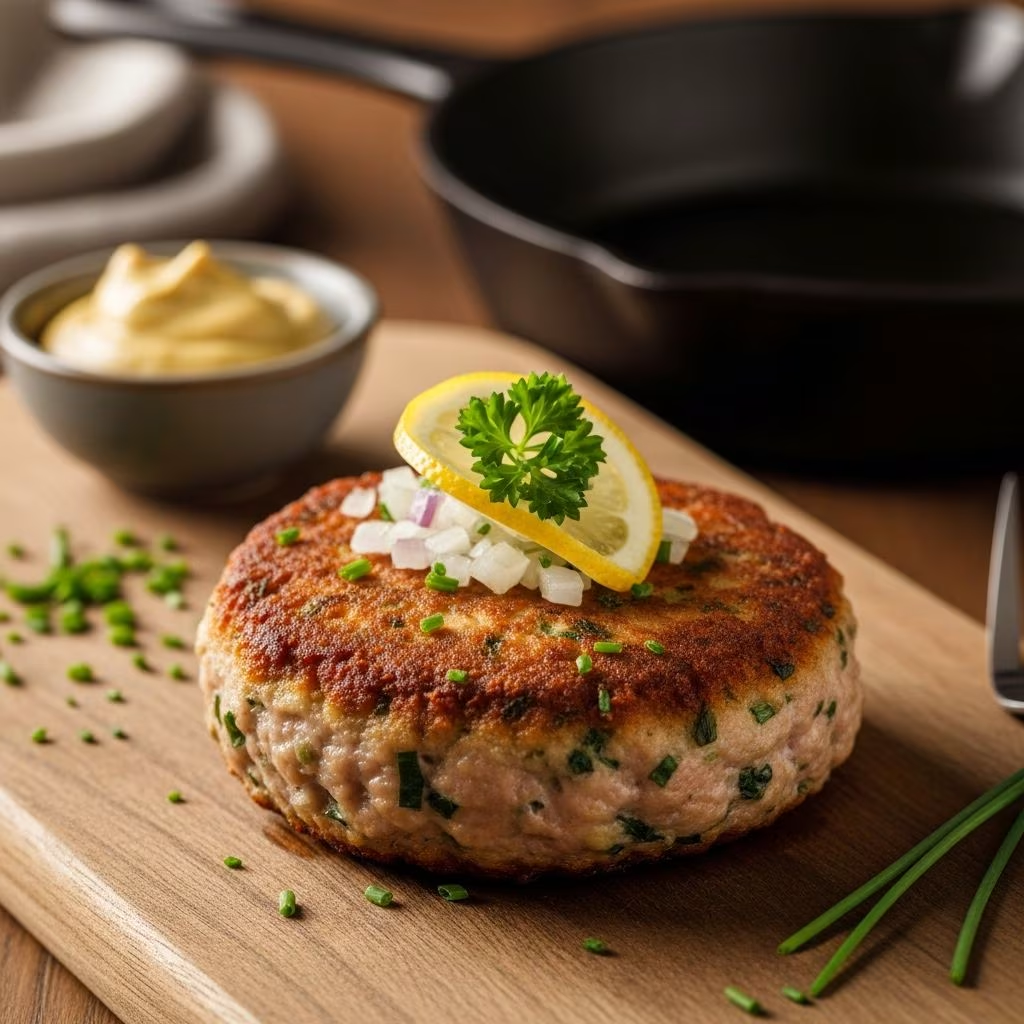
German Frikadellen represent a beloved staple in German cuisine, distinguishing themselves from their American burger counterparts through unique preparation methods and ingredient composition. These flavorful meat patties combine ground beef and pork with soaked bread, creating a distinctive texture that is moist on the inside while developing a crispy, golden exterior when pan-fried. The term “Frikadellen” derives from German culinary traditions and refers specifically to this style of ground meat preparation, often referred to colloquially as German hamburgers despite their fundamental differences from standard American burger patties.
What makes Frikadellen particularly special is their reliance on soaked bread as a binding agent rather than breadcrumbs alone. This technique, passed down through generations of German home cooks, creates a different mouthfeel and consistency compared to conventional burger recipes. The bread absorbs moisture and helps distribute flavors evenly throughout the meat mixture, resulting in patties that remain tender and succulent during cooking.
Essential Ingredients for Authentic Preparation
Creating authentic German Frikadellen requires specific ingredients that work together to develop the signature flavor profile and texture. Understanding the role of each component helps ensure successful results.
The Foundation: Bread and Liquid Base
Stale white bread or rolls form the foundation of any proper Frikadellen recipe. Using bread that has lost its moisture is crucial because it readily absorbs liquid without becoming mushy. A standard recipe typically calls for approximately 2 ounces (55 grams) of stale bread, which is then soaked in water or other liquids. The soaking process, usually lasting 10-15 minutes, hydrates the bread and prepares it for integration into the meat mixture. After soaking, the bread must be thoroughly squeezed to remove excess liquid, leaving behind a moist but not waterlogged component that will bind the patties together.
Meat Selection and Proportions
Traditional German recipes employ a combination of ground beef and ground pork in roughly equal proportions. A typical formulation includes 8 ounces (225 grams) of each meat type, though some variations adjust these ratios based on personal preference or regional traditions. The beef contributes robust flavor and structure, while the pork adds richness and helps maintain moisture content throughout the cooking process. When selecting ground meat, choosing cuts that are moderately lean—around 80-85 percent lean—provides the optimal balance between flavor development and textural cohesion.
Aromatic Components and Seasonings
Finely chopped onion serves as the primary aromatic base, typically representing about one medium-sized onion per batch. Many recipes recommend sautéing the chopped onion in oil or butter until softened and translucent before adding it to the meat mixture. This preliminary cooking step intensifies the onion’s sweetness and develops deeper flavor notes. Essential seasonings generally include salt, ground black pepper, and dried herbs such as marjoram or thyme. Additional flavor-building elements may include paprika powder, which contributes color and subtle warmth, and fresh or dried parsley for herbaceous notes. Garlic paste or minced garlic further enhances the savory complexity of the finished patties.
Binding Agent
A single egg serves as the binding agent that holds all components together, ensuring the patties maintain their shape during cooking without becoming dense or heavy. The egg protein coagulates during frying, creating a network that traps moisture and fat, producing patties with appealing texture.
Detailed Preparation Methodology
Stage One: Bread Preparation and Hydration
Begin by breaking stale bread or rolls into small, uniform pieces and placing them in a mixing bowl. Pour cold or lukewarm water over the bread pieces until they are completely submerged, allowing approximately ½ cup of water for every 2 ounces of bread. Let this mixture rest undisturbed for 10-15 minutes, permitting the bread to absorb moisture thoroughly and become soft and pliable. The soaking duration depends on the bread’s initial dryness and the water temperature; staler bread requires less time, while fresher bread may need additional minutes. After the soaking period, use your hands or a fork to squeeze out excess water until the bread reaches a moist but not soggy consistency. This step is critical because excess water can make the final patties wet and prevent proper browning during cooking.
Stage Two: Aromatic Preparation
While the bread soaks, prepare the onion component by finely dicing one medium onion into uniform pieces. Heat a small skillet or sauté pan over medium heat with a small amount of oil or butter, then add the diced onion. Cook, stirring occasionally, until the onion becomes soft and translucent, typically requiring 3-5 minutes. This sautéing step mellows the onion’s sharpness and develops its natural sweetness, creating a more refined flavor profile in the finished patties. Once the onion reaches the desired tenderness, transfer it to a large mixing bowl where it will join other ingredients.
Stage Three: Mixture Assembly and Kneading
To the bowl containing the sautéed onion, add the squeezed bread, along with the ground beef, ground pork, egg, minced garlic, fresh parsley, and all dry seasonings including salt, pepper, paprika powder, and dried herbs. Using clean hands, begin combining these ingredients with a kneading motion, pressing and folding the mixture repeatedly until all components are evenly distributed and the mixture achieves a uniform, smooth texture. This hand-mixing process, though somewhat messy, ensures superior ingredient integration compared to mechanical methods. The mixture should hold together without appearing greasy or wet; if it feels too loose, additional bread can be incorporated, while excess moisture can be addressed by adding a few breadcrumbs.
Stage Four: Shaping the Patties
Divide the meat mixture into 8 equal portions, each weighing approximately 88 grams. Roll each portion into a ball shape, then place it on a work surface or in your palm. Gently but firmly flatten each ball into a thick disc shape by pressing down with your fingers or the heel of your hand. A critical distinction between Frikadellen and American hamburger patties is thickness; Frikadellen should remain noticeably thicker, approximately 1 centimeter (about ½ inch) in height. Wetting your hands occasionally prevents sticking and helps maintain consistent patty dimensions.
Coating and Cooking Techniques
Optional Breadcrumb Coating
Some traditional recipes call for coating the shaped patties with dry breadcrumbs before cooking. To apply this coating, place breadcrumbs on a shallow plate and carefully press each patty into the breadcrumbs, ensuring both sides and edges receive even coverage. This optional step creates additional texture and a more pronounced golden crust during frying, though many recipes omit this step while still achieving excellent results.
Pan-Frying for Optimal Results
Heat 2-3 tablespoons of neutral-flavored vegetable oil or similar cooking fat in a large skillet over medium to medium-high heat. The oil is sufficiently hot when it shimmers and a small piece of bread placed in it sizzles immediately. Carefully place the prepared patties in the hot oil, arranging them so they do not touch each other. Fry undisturbed for approximately 4-5 minutes until the bottom side develops a deep golden-brown color. Using a spatula, flip each patty carefully to avoid splashing oil, then fry the second side for an additional 4-5 minutes until equally browned. The total cooking time depends on heat intensity and patty thickness; thicker patties may require additional cooking time at slightly reduced heat to ensure the interior cooks through while the exterior achieves proper color.
Serving Suggestions and Accompaniments
| Accompaniment | Description | Pairing Rationale |
|---|---|---|
| German Mustard | Tangy, slightly spicy condiment | Cuts through richness and enhances savory notes |
| Sauerkraut | Fermented cabbage with vinegary bite | Adds acidic contrast and traditional German character |
| Caramelized Onions | Sweet, deeply browned onions | Complements meat’s savory richness with sweetness |
| Fresh Vegetables | Lettuce, tomato, and cucumber slices | Provides textural contrast and fresh brightness |
Frikadellen are best served immediately after cooking while they retain optimal warmth and texture. Traditional German service methods often involve placing the warm patties on a plate with crusty bread rolls, allowing diners to create open-faced sandwiches if desired. German mustard represents the classic condiment choice, its sharp tang complementing the rich, savory meat. Sauerkraut provides authentic German character, its fermented bite balancing the patties’ density perfectly.
Frequently Asked Questions
Can I prepare Frikadellen in advance?
Yes, shaped but uncooked patties can be refrigerated for several hours or frozen for several weeks. Thaw frozen patties in the refrigerator before cooking, or add extra cooking time if cooking from frozen. Prepare the meat mixture up to 24 hours ahead, storing it in an airtight container before shaping.
What if my meat mixture is too wet?
If the mixture appears excessively moist, add small amounts of breadcrumbs, a few tablespoons at a time, mixing thoroughly between additions. Ensure you are adequately squeezing the soaked bread to remove sufficient water. Alternatively, refrigerate the mixture for 30 minutes to allow flavors to set before proceeding with shaping.
Can I use alternative meats?
Certainly. Many modern variations incorporate ground chicken, turkey, or lamb. Adjust seasoning accordingly, as different meats have distinct flavor profiles. Poultry-based versions may require additional fat to prevent dryness during cooking.
How do I know when Frikadellen are fully cooked?
The patties should achieve a deep golden-brown color on both sides, and internal temperature should reach 160°F (71°C) when measured with a meat thermometer at the thickest point. For pork and beef combinations, this temperature ensures safety while maintaining juiciness.
What beverages pair well with Frikadellen?
German beer, particularly lager or pilsner styles, pairs traditionally with Frikadellen. Alternatively, German wine selections like Riesling or other white varieties complement the rich meat patties effectively.
Variations and Regional Adaptations
While the traditional recipe remains relatively consistent across Germany, regional and family variations exist. Some cooks incorporate different herbs such as marjoram instead of thyme, or add grated lemon zest for brightness. Modern interpretations sometimes include grated potato or additional binders for different textural outcomes. Some recipes substitute buttermilk for water during the bread soaking stage, introducing subtle tang and richness. Experimentation within these parameters allows home cooks to develop personal interpretations while maintaining the essential character that defines authentic Frikadellen.
Nutritional and Culinary Considerations
German Frikadellen represent a balanced protein source combining lean beef and pork with bread for sustained energy. The soaked bread component reduces overall density while maintaining binding integrity, producing patties that, despite their richness, feel less heavy than many burger preparations. Pan-frying in moderate oil quantities keeps fat content reasonable while developing essential browning and crust texture necessary for proper flavor development.
Conclusion
Mastering authentic German Frikadellen connects home cooks to a centuries-old culinary tradition while producing delicious, satisfying meals. By understanding the purpose of each ingredient, following careful preparation sequences, and respecting traditional cooking techniques, anyone can create restaurant-quality patties at home. The beauty of Frikadellen lies in their approachable simplicity combined with sophisticated flavor development, making them suitable for weeknight family dinners or special occasions alike. Whether served with traditional accompaniments or contemporary sides, these German meat patties deliver consistent satisfaction and cultural authenticity to any table.
References
- Frikadellen / Buletten (German Hamburgers) — Mission Food Adventure. https://mission-food.com/frikadellen-buletten-german-hamburgers/
- How to make German Frikadellen (German Hamburgers) — chenguins. https://chenguins.com/german-frikadellen
- German burger recipe — Burgers Here and There. https://burgershereandthere.com/2012/04/04/germany-burger-recipe/
- German Hamburgers – Authentic Frikadellen — Our Gabled Home. https://ourgabledhome.com/german-meatballs-frikadellen/
- The BEST Frikadellen (German Hamburgers) — dirndl kitchen. https://dirndlkitchen.com/frikadellen-german-hamburgers/