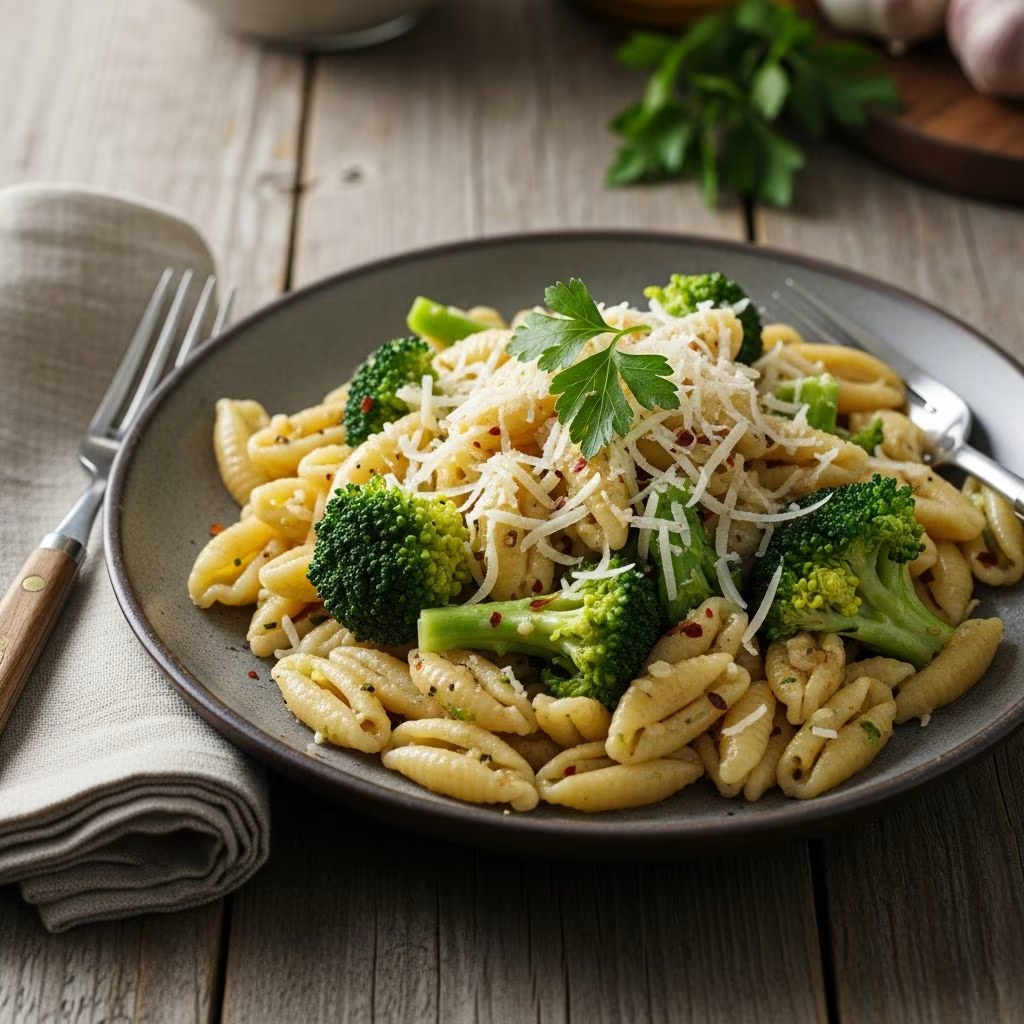
Cavatelli and broccoli represents one of Italy’s most beloved comfort foods, combining tender pasta with vibrant green vegetables in a simple yet satisfying preparation. This timeless dish showcases the Italian philosophy of letting quality ingredients speak for themselves through minimal intervention and respectful cooking techniques. Whether you’re preparing a weeknight dinner or impressing guests with authentic Italian cuisine, understanding the fundamentals of this classic pairing will elevate your culinary skills and results.
Understanding Cavatelli Pasta
Cavatelli pasta holds a special place in Italian culinary tradition, originating from Southern Italy where it remains a staple ingredient. The name derives from the Italian word “cavare,” meaning to carve or hollow out, which perfectly describes the pasta’s distinctive shape. Each piece features a small ridge pattern created during rolling, which helps capture and hold sauce effectively.
The hollow center of cavatelli pasta creates a textural advantage when combined with broccoli and sauce. This design allows the pasta to absorb flavors more thoroughly than smooth pasta shapes. For this dish, either fresh or frozen cavatelli works beautifully, though cooking times will differ between the two options. Fresh cavatelli typically requires only a few minutes of boiling, while frozen varieties need slightly longer preparation.
When selecting cavatelli, look for products made with durum wheat semolina and water only, avoiding those with excessive additives. Quality matters significantly in this simple preparation, as the pasta’s inherent flavor becomes more prominent without competing elements.
Selecting and Preparing Your Broccoli
Fresh broccoli serves as the perfect vegetable companion to cavatelli, providing nutritional value, color contrast, and subtle flavor complexity. The selection process begins at your market or produce section, where you should choose heads with tightly clustered florets displaying a deep green color. Avoid yellowing or browning, which indicates age and diminished freshness.
Proper preparation of broccoli ensures optimal texture and flavor retention. Begin by separating the florets from the main stem using a sharp knife at the junction where they naturally divide. Cut individual florets into bite-sized pieces that cook evenly and fit comfortably on a fork with pasta. Don’t discard the stems—they represent an underutilized asset in this dish.
The broccoli stems possess a mild, slightly sweet flavor that complements the pasta when prepared correctly. Peel away the tough outer layer using a vegetable peeler, revealing the tender interior. Slice these peeled stems into half-inch thick rounds or small batons. This technique ensures the stems cook at a similar rate to the florets, creating uniform texture throughout.
Essential Ingredients and Their Roles
| Ingredient | Quantity | Purpose | Selection Tips |
|---|---|---|---|
| Cavatelli Pasta | 1 pound | Base of the dish | Choose durum wheat varieties; fresh or frozen acceptable |
| Fresh Broccoli | 1 pound | Primary vegetable component | Select firm heads with bright green coloring |
| Garlic Cloves | 4-5 | Foundational flavor element | Use fresh cloves; avoid pre-minced varieties |
| Olive Oil | 3 tablespoons | Cooking medium and flavor base | Use refined oil for cooking; reserve extra virgin for finishing |
| Kosher Salt | To taste | Seasoning and pasta water flavor | Adjust based on cheese and broth additions |
| Black or Red Pepper | 1/2 teaspoon | Heat and pungency | Freshly ground black pepper preferred; red flakes optional |
| Parmesan or Pecorino Cheese | 4 tablespoons | Finishing touch and umami | Freshly grate immediately before use |
| Fresh Parsley | 2 tablespoons | Aromatic garnish | Chop just before serving for maximum freshness |
Step-by-Step Cooking Process
Preparing Your Workspace and Equipment
Begin by gathering all ingredients and equipment before you start cooking. This practice, known as mise en place in professional kitchens, ensures smooth execution and prevents mid-cooking scrambling. Have ready a large pot for pasta water, a separate sauté pan for broccoli preparation, and a colander for draining. A spider strainer or slotted spoon proves invaluable for fishing pasta from boiling water while keeping the cooking liquid intact.
Initiating the Cooking Sequence
Begin by bringing a large pot of salted water to a rolling boil. The salt content should approximate ocean water, enhancing the pasta’s flavor during cooking. While waiting for boiling, prepare your broccoli by cutting florets and peeling stems as previously described. Mince garlic cloves into uniform pieces approximately the size of a grain of rice.
Once water reaches a full boil, add the cavatelli and maintain a gentle rolling boil throughout cooking. The key to success involves understanding that pasta continues cooking even after removal from heat, so slightly undercooking is preferable to overdoing it. Before draining the pasta, reserve at least half a cup of cooking water—this starchy liquid becomes invaluable for creating a cohesive sauce.
Constructing Flavor Foundations
While pasta cooks, heat olive oil in a large sauté pan over medium heat. Once the oil shimmers, add minced garlic and cook for approximately one minute, stirring constantly. This brief cooking period develops garlic’s flavor profile while preventing the harsh, bitter taste that accompanies browning. The aroma will intensify noticeably, signaling readiness for the next step.
Add broccoli stems first, allowing them additional cooking time before adding the more delicate florets. After two minutes, incorporate the broccoli florets along with a pinch of kosher salt. Continue cooking until the broccoli achieves the desired tenderness—approximately five to seven minutes for crisp-tender texture, or longer for softer results.
Bringing Components Together
Once the cavatelli reaches the correct texture, drain it directly into the pan containing the broccoli mixture using a spider strainer. This method prevents overrinsing the pasta, which would strip away its natural starches needed for sauce adhesion. Add freshly ground black pepper and distribute pasta water gradually while tossing gently, watching as the starchy liquid creates a silky coating over the ingredients.
Reduce heat to low and fold in freshly grated Parmesan or Pecorino cheese, allowing it to melt slightly into the warm pasta without becoming grainy or separated. The mixture should appear moist but not soupy—if excess liquid remains, continue cooking gently until the sauce reduces to proper consistency. Taste the dish and adjust seasonings with additional salt as needed before plating.
Flavor Variations and Enhancements
Citrus-Forward Preparation
Introducing lemon juice or zest elevates this classic dish into a brighter, more sophisticated preparation. Freshly grated lemon zest added just before serving provides aromatic complexity without overpowering the delicate broccoli. For a more pronounced citrus presence, squeeze fresh lemon juice into the sauce, adjusting quantity based on personal preference and cheese selection.
Broth-Based Methods
Some preparations incorporate chicken or vegetable broth as a liquid component, creating a more stew-like texture than traditional versions. This technique involves adding broth after the garlic and broccoli reach proper doneness, then allowing the mixture to simmer gently before introducing the pasta. This method particularly suits frozen cavatelli, which benefits from additional moisture during cooking.
Heat and Spice Considerations
Red pepper flakes represent an optional but impactful addition, providing gentle heat that doesn’t overwhelm the dish’s subtle vegetable flavors. Adjust the quantity carefully, as these flakes intensify with longer cooking times. Alternatively, fresh jalapeños or other chili peppers offer a different heat profile and visual appeal.
Broccoli Rabe Alternative
Broccoli rabe, also called rapini, provides a more assertive, slightly bitter flavor compared to traditional broccoli. This ingredient requires similar preparation techniques but typically cooks more quickly due to its thinner stems. The stronger flavor profile pairs excellently with more robust cheeses like Pecorino Romano and additional garlic.
Cooking Techniques and Professional Tips
Understanding Pasta Water’s Importance
The reserved pasta water functions as the dish’s secret weapon, containing starches that emulsify with oil and cheese to create a cohesive sauce. Rather than diluting your dish, this ingredient ties all components together through proper emulsification. Adding water gradually while tossing ensures even distribution and prevents the mixture from becoming excessively wet.
Texture Management and Timing
Achieving optimal texture requires understanding how different broccoli sizes and pasta shapes interact during cooking. Cutting broccoli florets uniformly ensures even cooking, while differentiating between stem and floret cooking times prevents some pieces from becoming mushy while others remain too firm. The pasta should retain slight resistance when bitten, providing contrast to the softer broccoli.
Temperature Control
Maintaining medium heat throughout prevents aggressive boiling that might cause the pasta to break apart and the broccoli to become overly soft. Once all components combine, reducing heat to low allows flavors to meld without further cooking the vegetables. This gentler approach preserves the bright green color and delicate texture that characterize well-executed versions of this dish.
Common Preparation Mistakes to Avoid
- Rinsing pasta after cooking, which removes starches necessary for sauce adhesion and flavor development
- Overcooking broccoli, resulting in mushy texture and loss of color and nutritional value
- Using pre-grated cheese, which contains anti-caking agents that prevent proper melting and create a grainy texture
- Adding garlic too early during cooking, allowing it to brown and develop unpleasant bitter flavors
- Failing to reserve pasta water, which compromises sauce consistency and requires water additions that dilute flavor
- Cooking at excessively high temperatures, causing ingredients to stick and flavors to become muddled
- Neglecting to season pasta water adequately, resulting in bland pasta that requires excessive cheese to compensate
Serving Suggestions and Accompaniments
This dish works beautifully as a standalone meal, particularly for lunch or light dinner preparations. Freshly chopped parsley scattered across the surface just before serving adds visual appeal and aromatic brightness. Additional grated cheese placed in a small bowl on the table allows diners to customize their portions according to personal preference.
For more substantial meals, consider serving alongside a simple green salad dressed with lemon vinaigrette, or crusty bread for soaking up any remaining sauce. A modest glass of dry white wine complements the broccoli and garlic flavors without overwhelming the dish’s delicate balance.
Storage and Reheating Guidelines
Leftover cavatelli and broccoli stores well in airtight containers within the refrigerator for up to three days. Reheat gently over low heat with a splash of water or broth, stirring frequently to prevent sticking and maintain texture. The dish may require additional seasoning after reheating, as flavors sometimes mute slightly during storage. Avoid reheating in the microwave, which can cause uneven heating and texture degradation.
Nutritional Considerations
This preparation offers excellent nutritional balance, combining carbohydrates from pasta with vegetables rich in vitamins, minerals, and fiber. Broccoli provides substantial vitamin C and vitamin K content, while the moderate olive oil quantity contributes heart-healthy monounsaturated fats. The cheese adds calcium and protein, creating a well-rounded meal without excessive richness.
Frequently Asked Questions
Can I make this dish vegetarian or vegan?
This preparation is naturally vegetarian when prepared with vegetable broth instead of chicken broth. For vegan versions, substitute dairy cheese with plant-based alternatives or nutritional yeast, though flavor profiles will shift slightly.
How do I prevent the broccoli from becoming mushy?
Add broccoli florets later in the cooking process than stems, and maintain gentle medium heat throughout. Remove from heat once broccoli reaches crisp-tender consistency rather than waiting for complete softness.
What’s the difference between using fresh versus frozen cavatelli?
Fresh cavatelli cooks in minutes and offers superior texture, while frozen varieties require longer cooking but offer convenience. Both work effectively in this dish, though cooking times require adjustment.
Can I prepare this in advance?
While best served immediately after preparation, this dish reheats adequately for leftovers. Prepare components separately if cooking ahead, then combine and warm just before serving.
References
- Cavatelli with Broccoli al Limone, Traditional Dish from Puglia — Italy Foodies. Accessed April 2026. https://www.italyfoodies.com/blog/cavatelli-with-broccoli-al-limone
- Cavatelli and Broccoli — Erren’s Kitchen. Accessed April 2026. https://www.errenskitchen.com/cavatelli-and-broccoli/
- Cavatelli Pasta & Broccoli — Micia Mammas. Accessed April 2026. https://miciamammas.com/blogs/pasta-polenta-and-risottos/cavatelli-pasta-broccoli
- Sauteed Broccoli and Cavatelli Pasta — Dish It Girl Recipe Box. Accessed April 2026. https://www.dishitgirl.com/recipes/broccoli-cavatelli
- Italian Cavatelli and Broccoli Rabe Recipe — She Loves Biscotti. Accessed April 2026. https://www.shelovesbiscotti.com/homemade-italian-broccoli-rabe-cavatelli-pasta/
- Authentic Cavatelli and Broccoli Recipe — Nonna Box. Accessed April 2026. https://www.nonnabox.com/authentic-cavatelli-and-broccoli-recipe/