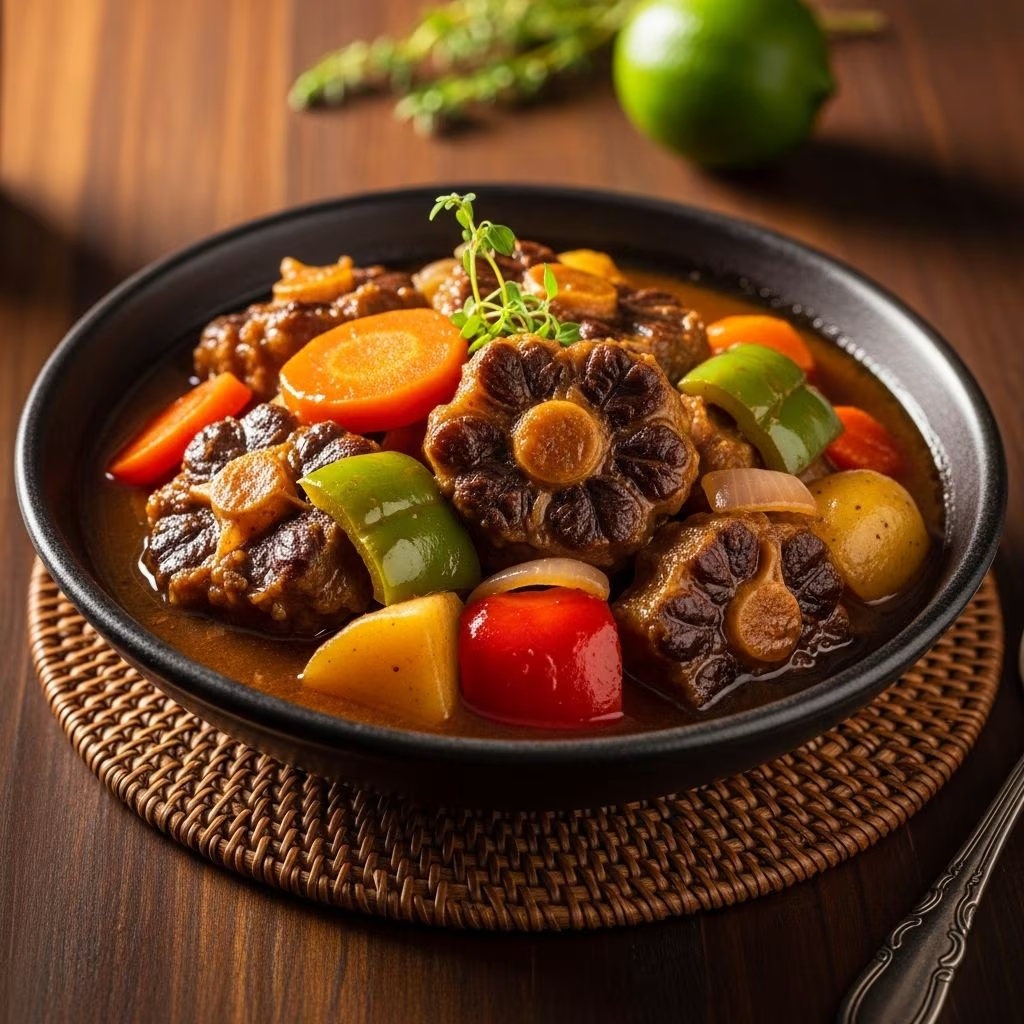
Oxtail guisado stands as one of the most beloved comfort dishes across the Caribbean, representing generations of culinary tradition and cultural fusion. This aromatic stew transforms humble oxtail into a magnificent centerpiece through patient slow-cooking, allowing flavors to develop depth and complexity that cannot be rushed. The dish embodies the intersection of African, Spanish, and indigenous Taíno influences that have shaped Caribbean gastronomy over centuries. Understanding the techniques and ingredients behind this classic preparation reveals why it remains a staple at family gatherings and celebration tables throughout the region.
Understanding the Foundation: What Makes Oxtail Special
Oxtail, despite its name, comes from beef cattle rather than oxen and consists primarily of the animal’s tail section. This cut contains a high proportion of connective tissue and bone, characteristics that might seem undesirable at first glance. However, these same properties make oxtail exceptionally suited for long, moist cooking methods. As the meat braises slowly in liquid, collagen transforms into gelatin, creating an unctuously tender result where meat practically dissolves on the tongue. The bone-to-meat ratio also contributes significantly to the final broth’s body and richness, creating a sauce that clings to each piece of meat.
The gelatinous quality of oxtail means that this cut yields both incredibly tender meat and a naturally luxurious sauce without requiring cream, butter, or thickening agents. This characteristic explains why oxtail guisado achieves such satisfying depth of flavor through simple braising, making it an economical yet impressive dish that delivers restaurant-quality results from home kitchens.
The Aromatic Base: Building Flavor Through Sofrito and Seasonings
At the heart of authentic oxtail guisado lies sofrito, a fragrant paste that serves as the foundation for countless Caribbean dishes. This complex base combines onions, peppers, garlic, cilantro, and culantro (also known as recao), creating an aromatic compound that infuses every element of the stew with distinctive Caribbean character. Preparing with sofrito rather than building flavors step-by-step ensures consistency and depth that home cooks might struggle to achieve otherwise.
Beyond sofrito, the seasoning profile typically includes:
- Achiote oil, which contributes earthy undertones and golden color
- Oregano, traditionally dried and ground for concentrated flavor
- Bay leaves, offering subtle eucalyptus notes
- Adobo seasoning, providing balanced salt and spice combinations
- Sazón, intensifying savory and umami elements
- Garlic in both powder and fresh minced forms, creating layered intensity
- Black pepper, adding gentle heat and complexity
This multi-layered seasoning approach ensures that no single flavor dominates, instead creating a harmonious blend where each element supports and enhances the others. The combination of dried spices with fresh aromatics creates both immediate impact and lingering depth that develops as the stew simmers.
The Marinating Process: Patient Preparation for Maximum Flavor
Successful oxtail guisado begins hours before cooking actually begins, during the marinating phase where raw meat absorbs the flavors it will carry through the braising process. This preparatory step determines whether the final dish tastes superficially seasoned or deeply infused with character. The marinating process involves coating cleaned oxtail pieces thoroughly with the combined sofrito, achiote oil, and ground spices, ensuring every surface contacts the seasoning mixture.
Most recipes recommend marinating for at least one hour, though overnight marination provides even more pronounced flavor development. During this resting period, enzymes in the garlic and spices begin breaking down muscle proteins, simultaneously tenderizing the meat while allowing seasonings to penetrate beyond the surface. The duration of marination represents one of the few areas where home cooks can adjust intensity based on personal preference and available time, making this dish adaptable to various schedules.
Before marinating, many cooks cleanse the oxtail using white vinegar and water, removing any residual impurities from processing. This preliminary cleaning step ensures that subsequent marinade and braising liquid remain clear and concentrated rather than clouded by particles that might muddy the final dish’s appearance and flavor.
Developing Color and Flavor: The Browning Technique
After marinating, oxtail requires careful browning before braising begins. This step, known as searing or caramelization, serves multiple purposes in developing the finished dish’s complexity. Browning the marinated oxtail in achiote oil or another high-heat fat for approximately three to four minutes per side creates a flavorful crust through the Maillard reaction, a chemical process where proteins and sugars combine to generate hundreds of new flavor compounds. This crust contributes color, savory depth, and textural contrast that distinguishes skilled preparation from merely boiling meat in liquid.
The browning process also seals in the spice mixture applied during marination, preventing seasoning flavors from leaching into the braising liquid where they might dissipate rather than concentrate in the meat itself. Professional cooks recognize that this relatively brief step—often requiring only a few minutes—disproportionately impacts the final dish’s quality and depth. Some traditional preparations even incorporate a step of caramelizing sugar before browning the meat, adding another dimension of savory-sweet complexity to the developing flavor profile.
The Braising Environment: Creating the Perfect Cooking Medium
Once browned, oxtail pieces transfer to a heavy pot where they encounter the braising liquid that will surround them for the next three hours. This liquid typically combines the reserved marinade with additional components that build complementary flavors. Red wine provides acidity that brightens the overall dish while encouraging collagen breakdown. Chicken or beef bouillon contributes concentrated savory depth, while tomato sauce adds body, acidity, and subtle sweetness that rounds out the spice profile.
The cooking liquid must cover the oxtail pieces completely, ensuring even heating and allowing the meat to braise rather than steam or roast. As the stew simmers, liquid gradually reduces and concentrates, becoming increasingly flavorful and luxurious. The addition of aromatics including bay leaves, fresh herbs, and culantro leaves creates a complex infusion that extracts maximum flavor from every ingredient.
For braising vessel selection, a heavy Dutch oven or large covered pot distributes heat evenly while preventing rapid evaporation that might require constant liquid replenishment. The lid should fit snugly but allow a small gap for gentle steam escape, permitting the liquid to reduce and concentrate while maintaining adequate moisture for extended cooking.
The Long Simmer: Transforming Tough Cuts Into Tender Treasure
The actual cooking phase distinguishes oxtail guisado from quick weeknight meals, requiring commitment to low, patient heat rather than high-temperature acceleration. Traditional recipes recommend simmering the covered pot at medium-low heat for approximately three hours, though pressure cookers can reduce this duration to thirty to forty-five minutes by using steam pressure to accelerate the tenderizing process.
During conventional simmering, the extended cooking time allows several critical transformations to occur simultaneously. Collagen in connective tissue gradually dissolves into gelatin, tenderizing the meat while thickening the braising liquid. Muscle proteins slowly unwind and relax, becoming increasingly tender and succulent rather than remaining firm or stringy. Flavors continue melding and developing, with individual spices gradually integrating into a cohesive whole rather than remaining distinct notes.
The slow pace of cooking also prevents the meat from becoming tough again through overcooking—a paradox that surprises many home cooks. Unlike quick-cooking methods where excessive heat rapidly toughens proteins, the gentle moisture and extended duration of braising continue softening meat even after initial tenderness is achieved. The result is meat so tender it practically dissolves on the tongue, with a texture more similar to butter than to traditional cooked beef.
Final Adjustments and Serving Considerations
As the stew approaches completion, tasting and adjusting seasoning becomes essential. Salt, which tends to become increasingly concentrated as liquid reduces, may require balancing. Fresh lime juice added near the end of cooking brightens the overall flavor profile, cutting through richness and emphasizing the spices. Some cooks finish with additional fresh cilantro or culantro, providing herbal brightness that prevents the dish from becoming one-note despite its depth.
Oxtail guisado pairs beautifully with numerous accompaniments. White rice absorbs the flavorful sauce, while tostones (twice-fried plantain slices) provide textural contrast and subtle sweetness. Avocado slices contribute cooling creaminess that balances the stew’s warmth, while simple green salads refresh the palate between bites. Traditional Caribbean side dishes complement rather than compete with the stew’s complex flavors, allowing it to remain the meal’s centerpiece.
Ingredient Reference and Preparation Guide
| Ingredient | Quantity | Purpose | Substitution Notes |
|---|---|---|---|
| Oxtail, cut at joints | 4 lbs (1.8 kg) | Primary protein | Not easily substituted; beef chuck can approximate texture but lacks oxtail’s gelatin |
| Sofrito | ¼ cup | Aromatic base | Can be homemade from onions, peppers, garlic, cilantro, and culantro puréed together |
| Achiote oil | 2-3 tbsp | Color and flavor | Olive oil can substitute if achiote is unavailable, though characteristic color and flavor will be lost |
| Red wine | ½ cup | Acidity and depth | Dry white wine or additional vinegar can replace if needed |
| Tomato sauce | 1 cup | Body and sweetness | Tomato paste (concentrated) requires dilution; fresh tomatoes can work if cooked down |
| Chicken bouillon | 2-3 cubes | Savory depth | Beef bouillon or homemade broth can replace |
Frequently Asked Questions About Oxtail Guisado
Can oxtail guisado be prepared in a pressure cooker? Yes, pressure cookers significantly reduce cooking time to thirty to forty-five minutes while producing similarly tender results. The pressurized steam accelerates collagen breakdown while preventing excessive liquid evaporation, though the final sauce may be thinner than traditionally braised versions.
How far in advance can oxtail guisado be prepared? This dish actually improves with time as flavors continue developing and melding. Preparing it one or two days before serving, then reheating gently, often produces superior results compared to serving immediately after cooking.
What if oxtail remains tough after three hours of cooking? Extremely large or older oxtail pieces may require extended cooking beyond the standard three hours. Additional simmering time, even for several more hours, will not harm the dish but will only increase tenderness and deepen flavors.
Can the recipe be made without sofrito? While possible, the resulting dish loses the characteristic Caribbean depth that defines authentic oxtail guisado. Preparing homemade sofrito from fresh ingredients, though time-consuming, produces superior results compared to attempting recreation without this crucial base.
Is oxtail guisado appropriate for freezing? Yes, this stew freezes excellently due to its high gelatin content, which protects quality during freezing and thawing. Proper storage in airtight containers maintains quality for up to three months.
Nutritional and Cultural Significance
Beyond its culinary merits, oxtail guisado holds cultural importance throughout the Caribbean, particularly in Puerto Rican and Dominican cuisines. Historically, oxtail represented an economical protein source for communities making use of every animal part. What began as necessity evolved into beloved tradition as cooks perfected techniques that transformed this humble cut into sublime preparations. Contemporary oxtail guisado reflects pride in heritage and mastery of time-honored culinary techniques rather than economical compromise.
From a nutritional perspective, oxtail provides substantial protein alongside iron and B vitamins, making the finished dish nutritionally complete when served with rice and vegetables. The natural gelatin content supports bone and joint health, representing a nutritional benefit distinct from lean meat preparations.
References
- Rabo Guisado (Oxtail Stew) – Loisa — Loisa. 2024. https://loisa.com/blogs/comida-real/rabo-guisado-oxtail-stew
- Rabo Guisado (Puerto Rican Stewed Oxtail) – Delish D’Lites — Delish D’Lites. 2024. https://www.delishdlites.com/ingredients/beef-recipes/rabo-guisado-puerto-rican-stewed-oxtail/