Callaloo represents one of the Caribbean’s most cherished culinary traditions, offering a harmonious blend of simplicity and sophisticated flavors. This leafy green preparation showcases the region’s commitment to wholesome cooking that transforms humble ingredients into memorable meals. Whether served as a standalone dish or as an accompaniment to rice and protein, callaloo remains a staple across multiple Caribbean islands, each region adding its own distinctive touches to the preparation method.
Understanding the Foundation of Callaloo
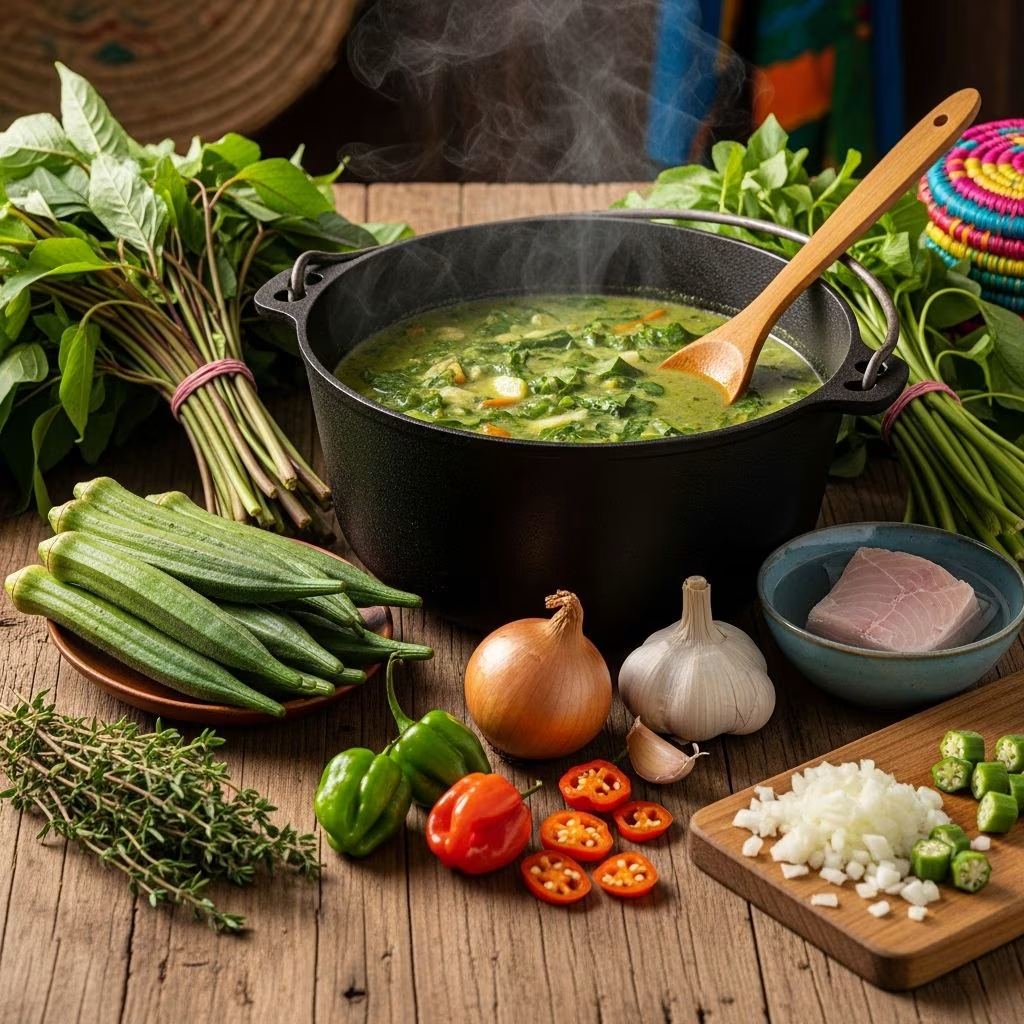
At its core, callaloo consists of tender leafy greens gently cooked with aromatic vegetables and seasonings until they reach a delicate, melt-in-your-mouth texture. The dish’s appeal lies in its versatility—it accommodates various greens including amaranth leaves, collard greens, spinach, and the traditional callaloo plant itself. The cooking process creates an opportunity to layer flavors through strategic ingredient sequencing, ensuring each component contributes meaningfully to the final result.
The beauty of this preparation extends beyond taste to nutrition, as leafy greens deliver essential vitamins, minerals, and dietary fiber. The traditional preparation methods have evolved over generations while maintaining their fundamental approach to honoring the ingredients’ natural qualities.
Essential Ingredients for Authentic Preparation
The Primary Greens
The foundation begins with fresh, tender leafy greens, requiring approximately 4-5 cups when chopped and tightly packed. Traditional options include fresh callaloo leaves, though modern adaptations successfully utilize collard greens, amaranth, or spinach. Selecting greens at peak freshness ensures optimal texture and flavor absorption during cooking.
Aromatic Building Blocks
The flavor foundation relies on a carefully assembled aromatics combination:
- Medium onions, chopped into even pieces for consistent cooking
- Fresh scallions or green onions, providing bright, sharp notes
- Minced garlic cloves, offering deep savory undertones
- Fresh thyme sprigs, contributing herbaceous warmth
Complementary Vegetables
Beyond the primary greens, additional vegetables deepen the dish’s complexity:
- Ripe tomatoes, adding acidity and natural sweetness
- Red bell peppers, introducing mild sweetness and color
- Scotch bonnet or habanero peppers, delivering controlled heat
Cooking Liquids and Fats
The choice of cooking medium significantly impacts the final flavor profile:
- Olive oil or coconut oil as the primary cooking fat
- Vegetable broth or water for steaming and moisture
- Coconut milk for creamier variations
Step-by-Step Preparation Techniques
Initial Aromatics Development
Begin by heating your chosen oil in a large pot or deep skillet over medium heat. Once the oil shimmers, add chopped onions and cook until they become translucent and fragrant, typically requiring 2-3 minutes. This foundational step develops the base flavor layer upon which all subsequent ingredients build.
Next, introduce minced garlic and sliced scallions, stirring continuously for approximately one minute. This brief cooking time awakens the garlic’s aromatics without allowing it to brown, which would introduce unwanted bitterness.
Spice and Herb Infusion
Add fresh thyme sprigs and finely chopped tomatoes to the aromatic mixture. Some preparations include warm spices like cumin, coriander, paprika, and turmeric, which infuse the oil and create a fragrant base. Continue cooking this combination for 2-3 minutes, allowing the tomatoes to begin breaking down and releasing their juices.
Heat Integration
For preparations incorporating hot peppers, add the whole Scotch bonnet or habanero pepper at this stage, keeping it intact to provide controlled heat without overwhelming the dish. If greater spice intensity is desired, the pepper can be seeded and minced directly into the mixture.
Greens Introduction and Steaming
Gently layer the chopped leafy greens into the pot, carefully folding them into the existing mixture. When dealing with substantial quantities, add the greens in batches, allowing each addition to wilt before incorporating the next batch. This prevents overcrowding and ensures even cooking throughout.
Pour vegetable broth or hot water over the greens—typically 2-3 tablespoons to 2 cups depending on the desired consistency. Reduce the heat to low and cover the pot with a tight-fitting lid, creating a steaming environment that gently transforms the greens into tender submission. This steaming phase requires 5-7 minutes, depending on the greens’ initial tenderness and quantity.
Texture Achievement and Seasoning
After the greens have cooked down to a tender state, remove the cover and assess the texture. Some preparations maintain the greens in a leafy form, while others prefer a more cohesive, partially blended consistency. For creamier results, use an immersion blender to partially or fully blend the mixture, creating a silky texture.
Once you’ve achieved the desired texture, remove the whole Scotch bonnet pepper if used intact. Taste the preparation and adjust seasoning with salt, black pepper, and any additional seasonings. Fresh butter can be stirred in during this final stage for enhanced richness.
Regional Variations and Customization
Trinidadian-Inspired Renditions
Some regional preparations incorporate pumpkin or butternut squash, adding natural sweetness and creating a richer, more substantial dish. These variations often include okra, which contributes natural thickening properties through its characteristic mucilage. Coconut milk replaces some or all of the vegetable broth, creating a luxuriously creamy texture that pairs beautifully with jerk seasoning additions.
Protein Integration Options
While fundamentally vegetarian, callaloo accommodates various protein additions based on regional preferences and personal preference:
- Traditionally combined with salt fish or fresh crabmeat
- Bacon pieces stirred in for smoky depth
- Shrimp incorporated for seafood variations
Flavor Enhancement Approaches
Beyond the basic preparation, several modifications intensify or adjust the flavor profile:
- Extra spicy versions maintain chopped habanero peppers throughout cooking
- Coconut milk substitutions create creamier preparations
- Jerk seasoning paste additions deliver authentic Caribbean heat and complexity
- Cilantro or culantro leaves provide fresh, peppery notes
Serving Suggestions and Pairings
Callaloo functions successfully in multiple contexts throughout a meal. As a standalone vegetable course, it showcases the greens and aromatics without competition. When served alongside basmati or brown rice, it transforms into a satisfying vegetarian main course that delivers substantial nutrition and flavor.
Traditional pairings include island-style proteins such as seasoned chicken, grilled fish, or curried preparations. The callaloo’s earthy, savory character balances spiced or jerk-rubbed proteins while providing nutritional balance to the plate.
Breakfast applications position callaloo alongside fried dumplings, boiled plantains, or fresh bread, creating authentic Caribbean morning meals that sustain throughout the day.
Ingredient Quality and Selection Guidelines
Choosing Fresh Callaloo
When fresh callaloo is available, select bunches with vibrant color and intact leaves free from browning or wilting. If fresh options prove unavailable, frozen callaloo provides reliable year-round access without compromising nutritional content or final result quality.
Aromatics Selection
Sweet onions or yellow cooking onions provide milder flavor profiles suitable for this dish’s gentle approach, whereas sharp white onions might overwhelm other delicate flavors. Fresh thyme sprigs surpass dried versions in flavor intensity and aromatic quality, though dried thyme works adequately in quantities adjusted downward to prevent overpowering other ingredients.
Pepper Considerations
Scotch bonnet peppers deliver authentic Caribbean heat with fruity undertones, while habanero peppers offer slightly sharper spice profiles. For heat-sensitive palates, whole peppers removed before serving provide subtle flavor without significant spiciness.
Cooking Equipment and Setup
A large heavy-bottomed pot or deep skillet prevents uneven cooking and allows generous space for initially voluminous greens. Heavy-bottomed cookware distributes heat evenly, preventing hot spots that might scorch aromatics or create texture inconsistencies throughout the dish.
A tight-fitting lid enables effective steaming, trapping moisture and heat that gradually transform the greens into tender delicacy. An immersion blender, while optional, proves valuable for achieving desired texture variations without requiring transfer to a traditional blender.
Timing and Make-Ahead Considerations
Complete preparation requires approximately 25-45 minutes from ingredient assembly to finished dish, with most time spent in passive steaming rather than active cooking. The hands-on cooking portion occupies roughly 15 minutes, making this recipe accessible for weeknight dining alongside more time-intensive protein preparations.
Callaloo reheats successfully, making it suitable for advance preparation and meal planning. Store covered in the refrigerator for up to three days, reheating gently over low heat with minimal additional liquid to restore optimal consistency.
Nutritional Considerations
This traditional preparation delivers substantial nutritional benefits through its generous greens content, which provides iron, calcium, vitamins A and C, and dietary fiber. The vegetable-forward approach keeps overall caloric content moderate while maintaining satisfying, substantial portions. Optional protein additions increase the dish’s nutritional completeness when served as a main course.
Common Preparation Questions
Can I substitute the greens?
Yes, collard greens, amaranth, spinach, or similar leafy greens work effectively as callaloo substitutes. Adjust cooking times based on greens’ tenderness—delicate spinach cooks faster than robust collard greens.
How do I control the spice level?
Remove the whole pepper before serving for subtle heat, remove it partway through cooking for moderate spiciness, or seed and dice it for direct incorporation into the dish.
Can I make this vegan?
Absolutely—use vegetable oil instead of butter, vegetable broth instead of meat-based broths, and omit any animal protein additions.
What’s the best way to store leftovers?
Refrigerate covered in airtight containers for up to three days. Reheat gently on the stovetop, adding a bit of water or broth if the consistency becomes too thick.
References
- Callaloo (Trinidadian Inspired) Recipe — Body Food Freedom. 2016-08-01. https://bodyfoodfreedom.com/2016/08/01/callaloo-trinidadian-inspired/
- Jamaican Callaloo Recipe — That Girl Cooks Healthy. https://thatgirlcookshealthy.com/jamaican-callaloo/
- Callaloo Recipe (Jamaican Greens) — A Spicy Perspective. https://www.aspicyperspective.com/jamaican-callaloo-recipe-stewed-greens/
- Jamaican Callaloo — Healthier Steps. https://healthiersteps.com/jamaican-callaloo/
- Coconut Stewed Callaloo — Hetty McKinnon. 2016. http://hettymckinnon.com/journal/2016/coconut-stewed-callaloo
- Jamaican Callaloo — Seasoned Skillet Blog. https://seasonedskilletblog.com/jamaican-callaloo/