Preparing an Authentic Bangladeshi Shrimp and Green Bean Stir-Fry
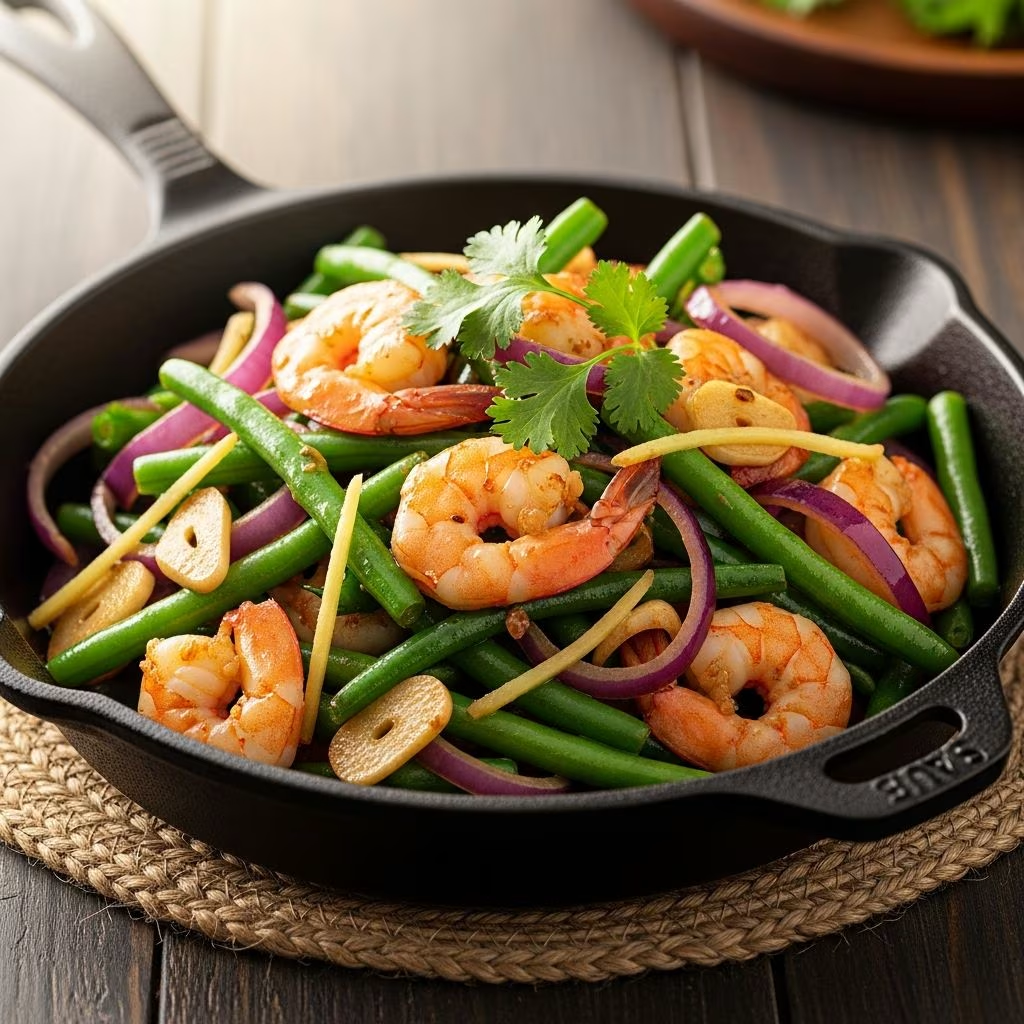
Bangladeshi cuisine offers a remarkable array of seafood dishes that showcase the region’s abundant coastal traditions and vibrant flavor profiles. Among these culinary treasures, the combination of succulent shrimp paired with tender green beans represents a quintessential preparation that balances simplicity with sophisticated seasoning. This dish exemplifies how South Asian cooking techniques transform humble ingredients into an extraordinary dining experience through the judicious use of aromatics, spices, and proper heat management.
The preparation of this stir-fry requires understanding both the individual components and how they interact during the cooking process. Each element—from the selection of fresh shrimp to the proper cutting technique for green beans—contributes to the final result’s texture and taste. By mastering the foundational techniques and understanding the reasoning behind each step, home cooks can consistently achieve results that rival those from specialized restaurants.
Understanding the Core Ingredients
The success of any Bangladeshi dish begins with ingredient selection and preparation. Fresh shrimp forms the protein foundation, and their quality directly impacts the dish’s overall success. Medium to large shrimp work best for stir-frying because they maintain their structural integrity during cooking and provide satisfying portions. When purchasing shrimp, look for specimens with a firm texture and mild oceanic aroma rather than a strong ammonia smell, which indicates aging or improper storage.
Green beans serve as both a textural element and visual component, providing a slight crunch that contrasts beautifully with the tender shrimp. Fresh beans should snap easily when bent and display a vibrant green color without browning or discoloration. Frozen green beans offer acceptable alternatives during off-seasons, though fresh varieties deliver superior texture and flavor intensity.
The aromatic foundation relies on alliums—specifically onions and garlic—which are foundational to Bangladeshi cooking. Onions contribute natural sweetness and depth, while garlic provides pungent, complex notes that permeate the entire dish. Proper mincing ensures even distribution and cooking throughout the preparation.
Vegetable oil serves as the cooking medium, and neutral varieties like canola or refined vegetable oil allow the spices and other flavors to shine without competing. The quantity of oil might seem generous by Western standards, but it facilitates the proper development of flavors and ensures the ingredients cook evenly at high temperatures.
The Essential Spice Profile
Bangladeshi stir-fries rely on a carefully balanced spice combination that creates layered flavors without overwhelming the palate. Turmeric, the golden spice, provides both color and earthy warmth, with antiseptic properties that have been valued in South Asian cooking for centuries. A modest quantity ensures the spice enhances rather than dominates.
Salt acts not merely as seasoning but as a flavor amplifier, drawing out and intensifying the inherent tastes of the shrimp and vegetables. The specific salt measurement accounts for variations in individual brands—coarser salts require higher volumes than fine sea salt, a distinction that affects the final seasoning balance.
Additional spices commonly incorporated into variations include coriander, cumin, and chili powder, each adding distinct aromatic and flavor dimensions. Fresh ginger brings sharp, slightly sweet notes, while green chilies contribute heat and verdant freshness. The combination creates a complex taste profile that reflects the regional ingredients available throughout Bangladesh’s markets.
Technique and Temperature Management
Successful stir-frying demands attention to heat control and timing precision. High temperatures are essential for developing the characteristic texture where shrimp exterior becomes lightly caramelized while the interior remains tender and moist. Inadequate heat results in steaming rather than stir-frying, producing a less appealing final texture and muted flavors.
The cooking sequence matters significantly. Aromatics are introduced into hot oil first, allowing their essential oils to release and distribute throughout the cooking medium. This initial infusion establishes the flavor foundation. Following this, green beans enter the pan, requiring slightly longer cooking than the delicate shrimp to reach optimal tenderness. Finally, shrimp are added near the end, cooking just until their exterior turns opaque and color shifts from translucent to fully cooked.
Overcooking represents the primary risk with shrimp preparation. These proteins toughen rapidly once their proteins fully denature, transforming from succulent to rubbery within seconds. Many home cooks cook shrimp too long, either out of caution or misunderstanding proper doneness indicators. Shrimp are ready when their color becomes consistently pink or coral throughout, with a slight firmness to the touch but remaining yielding.
Ingredient Preparation and Mise en Place
Professional cooking practices emphasize mise en place—preparing and organizing all ingredients before cooking begins. This approach proves particularly valuable for stir-frying, where rapid cooking temperatures and quick timing demand immediate ingredient availability.
Shrimp should be deveined and patted dry before cooking. Moisture on the surface interferes with proper browning and can cause splattering in hot oil. Some cooks prefer removing the shrimp shell before cooking, while others leave the tail intact for visual presentation and easier handling. Both approaches yield acceptable results.
Green beans benefit from trimming both ends and cutting them into uniform lengths of approximately two to three inches. Consistent sizing ensures even cooking throughout the batch. Pre-cooking or blanching green beans for a minute or two before stir-frying accelerates their cooking during the final assembly, reducing the risk of shrimp overcooking while awaiting vegetable doneness.
Garlic and onions should be minced finely to ensure even distribution and prevent any pieces from remaining raw in the finished dish. Some variations include julienned ginger or minced fresh chilies, all requiring similar fine cutting techniques.
Step-by-Step Cooking Method
Begin by heating vegetable oil in a large wok, wide skillet, or similar cooking vessel over medium-high heat. The oil should shimmer slightly and move freely across the pan’s surface but not yet produce smoke.
Add minced garlic to the hot oil and stir constantly for approximately 30 seconds to one minute, releasing its fragrant compounds without allowing it to burn, which would introduce unpleasant bitter notes. The garlic will soften slightly and become very aromatic during this brief window.
Introduce the chopped onions next, stirring frequently to coat them with the oil and cook them evenly. Within two to three minutes, the onions should begin softening and turning slightly translucent at their edges. This stage represents the proper moment to add any additional dry spices like turmeric powder, allowing the spices to toast slightly in the oil and bloom their flavors.
Add the prepared green beans and continue stirring to coat them thoroughly with the oil and spice mixture. These vegetables require between three to five minutes of cooking, depending on their thickness and your preference regarding final texture. Taste for seasoning and adjust salt as needed before adding the shrimp.
Introduce the shrimp, stirring frequently to ensure even heat distribution and cooking. Watch carefully as they cook, looking for the color change from translucent to opaque. This transformation typically occurs within two to three minutes for medium shrimp. Remove the pan from heat once the shrimp have mostly changed color but still show slight translucency in their thickest portions—residual heat will continue cooking them to perfection.
Variations and Adaptations
While the basic preparation provides a solid foundation, numerous variations exist reflecting different regional preferences and ingredient availability. Some versions incorporate additional vegetables like sliced peppers, julienned carrots, or snap peas, adding color and varying the texture profile.
Protein substitutions allow flexibility for dietary preferences or availability concerns. Eggs create an equally authentic alternative, with scrambled or fried eggs replacing shrimp in traditional preparations. Firm white fish, chicken, or mushrooms accommodate various dietary restrictions while maintaining the characteristic flavor profile.
Spice intensity can be adjusted according to personal tolerance and preference. Additional fresh green chilies intensify heat, while reducing or eliminating them creates a milder version suitable for sensitive palates. Some preparations include additional aromatics like curry leaves or lemongrass for enhanced complexity.
Finishing touches vary among preparations. Some cooks splash fresh lemon or lime juice across the finished dish, providing brightness and acidity that complements the rich oil and tender proteins. Others incorporate fresh cilantro for herbaceous notes and visual appeal.
Serving Suggestions and Accompaniments
This stir-fry serves as an excellent main course when paired with steamed basmati rice or fragrant jasmine rice, which absorbs the flavorful cooking oil. The combination of protein, vegetables, and starch creates a nutritionally balanced meal that satisfies various dietary preferences.
Breaded or fried bread preparations like paratha or naan provide textural contrast and serve as vehicles for scooping portions of the stir-fry. This approach reflects traditional Bangladeshi dining practices where bread accompanies curries and stir-fried preparations.
Simple yogurt-based raita or cucumber salads provide cooling counterbalance to the richly spiced preparation. Fresh vegetable slaws and pickled preparations complement the meal’s overall flavor composition while aiding digestion.
Storage and Make-Ahead Considerations
Properly stored, this dish maintains quality for two to three days in the refrigerator when kept in an airtight container. Reheat gently over low heat, adding a splash of water if the mixture appears dry. The flavors often deepen during storage as the spices continue infusing the ingredients.
For convenience, aromatics and spices can be combined in advance, and green beans can be trimmed and cut hours before cooking. However, shrimp should be prepared as close to cooking as possible to maintain optimal texture and food safety. Assembling all components just before cooking ensures the finished dish reaches the table while still steaming and at peak flavor.
Nutritional Considerations
Shrimp provides lean protein with minimal fat, making this dish nutritionally sound for various dietary approaches. Green beans contribute fiber, vitamins, and minerals while remaining low in calories. The primary caloric contribution comes from the vegetable oil used in cooking, which also provides fat-soluble vitamin absorption and authentic flavor development.
Frequently Asked Questions
- Can I use frozen shrimp for this recipe?
- Yes, frozen shrimp work well provided they are completely thawed before cooking and thoroughly patted dry. Thaw them overnight in the refrigerator for best results, allowing them to drain in a colander before preparation.
- What rice variety pairs best with this dish?
- Basmati and jasmine rice both complement this preparation beautifully. Basmati rice offers subtle aromatics that enhance rather than compete with the stir-fry’s spice profile, while jasmine rice provides fragrant sweetness. Both maintain the proper texture to absorb the cooking oils without becoming mushy.
- How can I adjust the spice heat level?
- Reduce or increase fresh green chilies based on preference, and adjust chili powder quantities in variations. Removing chili seeds before mincing also reduces heat while retaining chili flavor and fragrance.
- Should I peel the shrimp before or after cooking?
- Both approaches are acceptable in Bangladeshi cuisine. Peeling before cooking reduces cook time slightly and allows more direct seasoning contact, while keeping shells intact provides visual appeal and easier handling during cooking. Choose based on personal preference and presentation goals.
- What’s the best way to prevent tough, rubbery shrimp?
- Cook shrimp only until the color changes to opaque, typically two to three minutes depending on size. Remove from heat slightly before they appear fully cooked, as residual heat continues the cooking process. Practice helps develop intuition for proper doneness.
References
- Easy Bangladeshi-Style Green Beans Bhaji with Shrimp or Eggs — YouTube. Accessed April 2026. https://www.youtube.com/watch?v=cduuZgxPNxs
- Bangladeshi Shrimp and Green Bean Stir-Fry — Umami Recipes. Accessed April 2026. https://www.umami.recipes/recipe/0xxdL5xLLD9MenbWb12a