Lunar New Year represents one of the most significant celebrations in many Asian cultures, marking new beginnings, renewal, and the pursuit of prosperity. Central to these festivities is the preparation and sharing of symbolic foods that carry deep meaning and cultural significance. Among these cherished dishes, stir-fry holds a special place in traditional menus, blending culinary artistry with spiritual intention. Whether you are honoring your heritage or exploring Asian culinary traditions, understanding the principles behind creating auspicious stir-fry dishes can transform your celebration into a meaningful cultural experience.
The Spiritual Foundation of Festive Cooking
The preparation of food during Lunar New Year extends far beyond satisfying hunger—it represents a deliberate act of inviting abundance and positive energy into the home. Many traditional recipes draw inspiration from Buddhist vegetarian cooking practices, which emphasize mindfulness, respect for ingredients, and the creation of harmonious flavors. This ancient culinary philosophy recognizes that the foods we prepare and consume carry vibrations that influence our physical and spiritual well-being.
Buddhist vegetarian traditions teach that plant-based dishes can be elevated to extraordinary levels of sophistication through careful ingredient selection, proper preparation techniques, and intentional cooking methods. When applying these principles to stir-fry, cooks transform simple vegetables and aromatics into dishes brimming with symbolic meaning and nutritional value. This approach allows celebration participants to honor both their cultural traditions and personal dietary preferences simultaneously.
Understanding Symbolic Ingredients
Creating an auspicious stir-fry begins with selecting ingredients that carry specific meanings within Asian cultural contexts. Each component contributes not only flavor and texture but also symbolic resonance:
- Long vegetables: Noodles, long beans, and elongated greens symbolize longevity and continuous prosperity throughout the coming year
- Round items: Mushrooms, water chestnuts, and circular vegetable cuts represent wholeness, completeness, and family unity
- Golden-hued ingredients: Corn, carrots, and golden mushrooms evoke wealth, abundance, and good fortune
- Green vegetables: Leafy greens and broccoli represent growth, renewal, and the flourishing of new endeavors
- Aromatic elements: Garlic, ginger, and scallions provide protective and purifying qualities while enhancing overall flavor profiles
Core Techniques for Successful Stir-Frying
Mastering stir-fry preparation requires understanding several fundamental techniques that ensure both culinary success and the preservation of nutritional integrity. The wok, a curved-bottomed cooking vessel, becomes an extension of the cook’s intention, allowing for rapid heat distribution and the creation of complex flavor layers.
The principle of heat management stands central to effective stir-frying. Achieving the proper wok temperature—typically described as creating a light haze above the cooking surface—ensures that vegetables maintain their vibrant colors, crisp textures, and nutritional content. Beginning with a small amount of neutral oil, preferably one with a high smoke point, allows ingredients to cook quickly while developing concentrated flavors through the Maillard reaction.
Sequential ingredient addition represents another critical technique. Hard vegetables like carrots and broccoli enter the wok first, followed by medium-textured items such as mushrooms and peppers, with delicate components like leafy greens added last. This choreography ensures that each ingredient reaches optimal doneness simultaneously, creating a harmonious finished dish where no single component overshadows others.
Creating Your Celebration Stir-Fry
Building a well-balanced auspicious stir-fry involves layering flavors and textures while maintaining awareness of symbolic significance. Begin by establishing an aromatic base, allowing minced garlic and ginger to perfume the hot oil for mere seconds before adding harder vegetables.
As vegetables begin to soften slightly, introduce liquid components through sauce, stock, or cooking wine. These additions provide moisture for steam cooking and allow flavors to meld while vegetables continue developing character. Many traditional recipes incorporate soy sauce or other umami-rich seasonings that add depth without overwhelming delicate vegetable flavors.
The final moments of cooking present opportunities for textural contrast and visual appeal. Adding toasted nuts, seeds, or crispy elements at the end creates interest and prevents them from becoming soggy. Fresh herbs, sesame oil drizzled just before serving, and garnishes of scallion greens contribute brightness and sophistication to the finished dish.
Ingredient Combinations for Different Intentions
| Intended Outcome | Primary Vegetables | Complementary Elements | Symbolic Meaning |
|---|---|---|---|
| Wealth & Prosperity | Carrots, corn, golden mushrooms | Cashews, sesame seeds, ginger | Golden hues attract abundance |
| Longevity & Health | Long beans, noodles, leafy greens | Garlic, turmeric, black sesame | Elongated shapes represent long life |
| Family Unity | Broccoli, mushrooms, water chestnuts | Pine nuts, dried chilies, scallions | Round shapes symbolize togetherness |
| New Beginnings | Asparagus, sugar snap peas, tender greens | Almonds, lemon zest, fresh herbs | Green represents growth and renewal |
Vegetarian Excellence in Celebration Cooking
Buddhist vegetarian cooking demonstrates that plant-based dishes need not feel limiting or secondary to meat-inclusive menus. In fact, many Asian celebrations prominently feature vegetarian stir-fries alongside other dishes, honoring both dietary preferences and spiritual practices. These dishes achieve remarkable depth through technique, ingredient quality, and flavor layering rather than relying on animal proteins.
Incorporating mushrooms of various types—shiitake, oyster, wood ear, and straw mushrooms—introduces umami richness that satisfies and impresses. These fungi contribute meaty textures and savory complexity while remaining aligned with vegetarian principles. Combined with aromatic vegetables and proper seasoning, mushroom-based stir-fries rival any meat-inclusive preparation in terms of satisfaction and culinary interest.
Preparing for Your Celebration
Successful Lunar New Year entertaining requires thoughtful planning and preparation. Begin your culinary preparations days in advance by creating ingredient lists and, when possible, purchasing items from markets that specialize in Asian produce and ingredients. Vegetables that have traveled shorter distances and arrived more recently maintain superior texture and flavor profiles.
Prepare ingredients through washing, cutting, and storing them in organized containers the day before your celebration. This mise en place approach ensures that actual cooking proceeds smoothly and allows you to remain present with guests rather than spending extended time in the kitchen. Having all components ready also prevents the common pitfall of overcooking vegetables while preparing subsequent components.
Serving and Sharing Your Creation
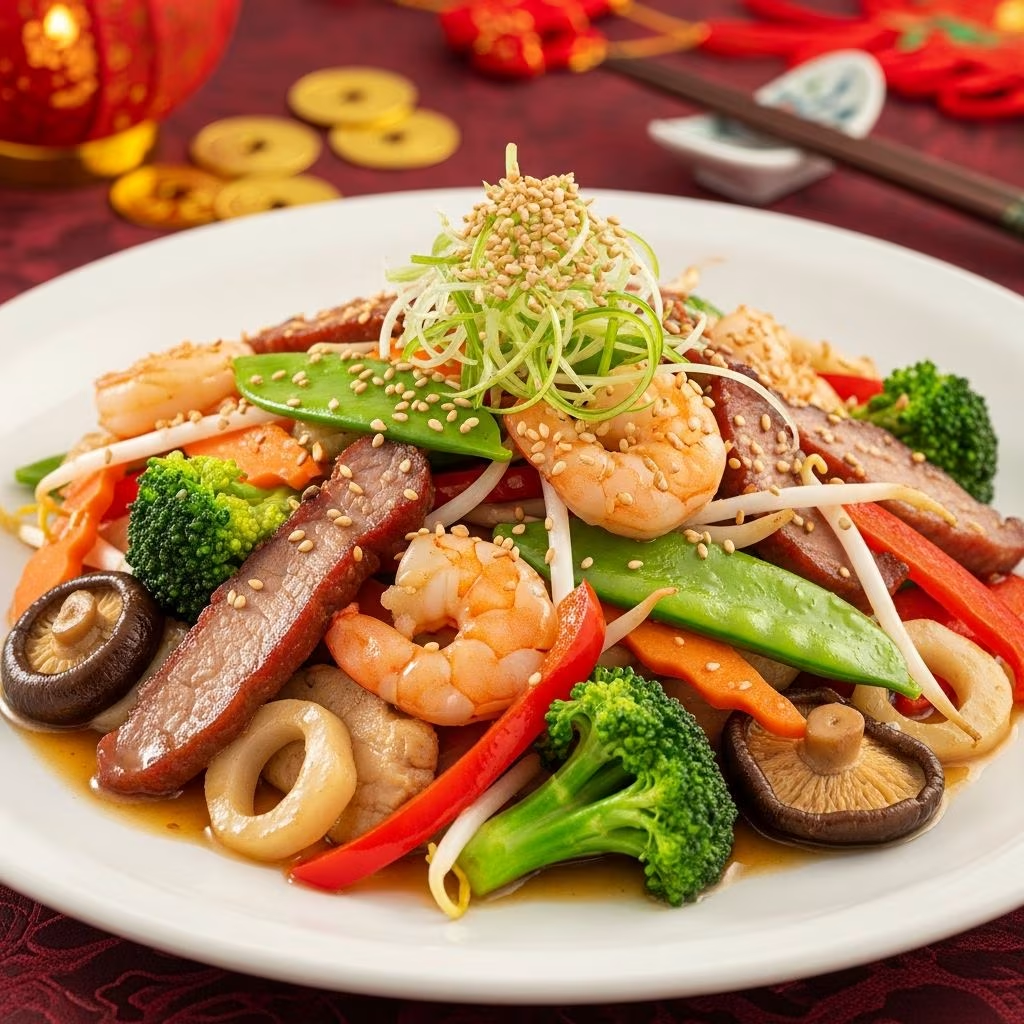
Presentation transforms stir-fry from everyday fare into celebration-worthy cuisine. Arrange your finished dish on serving platters that showcase the colors and textures you have developed. The visual appeal of vibrant greens, golden carrots, dark mushrooms, and colorful peppers communicates care and intention to your guests.
Serving stir-fry family-style, allowing guests to serve themselves generous portions, encourages the communal sharing that defines Lunar New Year celebrations. This approach honors the holiday’s emphasis on bringing people together and sharing good fortune. Including a brief explanation of the symbolic ingredients and your culinary intentions adds cultural and personal depth to the dining experience.
Frequently Asked Questions
Can I prepare stir-fry ingredients in advance?
Yes, you can cut and prepare vegetables several hours ahead, storing them in sealed containers in the refrigerator. However, avoid combining cut vegetables with wet components before cooking, as this can cause them to become soggy and lose their textural integrity.
What oil works best for stir-frying?
Neutral oils with high smoke points, such as vegetable oil, peanut oil, or refined avocado oil, provide ideal cooking mediums. Avoid olive oil for high-heat cooking, as its lower smoke point can create unpleasant flavors and decompose at wok temperatures.
How can I make this dish spicy?
Incorporate fresh or dried chilies, chili paste, or sriracha to taste. Add these elements early in cooking to allow their flavors to distribute throughout, or reserve some for individual diners who prefer milder preparations.
Is a wok necessary, or can I use a regular pan?
While a traditional wok provides optimal heat distribution and allows ingredients to move freely, a large, deep skillet can work adequately. The key is achieving sufficient heat and having enough space to prevent overcrowding and steaming rather than searing.
How do I maintain vibrant vegetable colors?
High heat and short cooking times preserve vegetable colors and nutrients. Avoid overcooking, which causes vegetables to dull and lose texture. Testing doneness frequently and removing vegetables when they still have slight resistance ensures optimal results.
Expanding Your Celebration Repertoire
Once you master basic stir-fry techniques, you can create variations that reflect your personal preferences, dietary requirements, and available ingredients. Seasonal vegetables contribute authenticity and optimal flavor, while exploring different sauce profiles—from light and brothy to rich and complex—prevents monotony across multiple courses.
Sharing your auspicious stir-fry with family and friends creates lasting memories while honoring cultural traditions. Whether you are beginning a new celebration tradition or continuing cherished family practices, the mindfulness and care you invest in preparing these dishes resonates far beyond the dining table.
References
- Penguin Random House Canada — Penguin Random House. 2024. https://www.penguinrandomhouse.ca/recipes/2029/lucky-8-stir-fry
- Buddhist Vegetarian Culinary Arts — International Buddhist Publishing. 2023. https://www.buddhistpublishing.org/vegetarian-cooking
- Cultural Significance of Lunar New Year Foods — UNESCO Intangible Cultural Heritage. 2024. https://ich.unesco.org/en/RL/00882
- Wok Cooking Techniques and Food Science — Journal of Culinary Science & Technology. 2023. https://www.tandfonline.com/doi/abs/10.1080/15428052.2023.2195847