Creating fragrant, perfectly seasoned rice is an essential skill in Indian cuisine. This versatile dish transcends traditional meal boundaries, serving equally well as a standalone lunch or as an elegant dinner component. The beauty of spiced rice lies in its simplicity combined with depth of flavor—accomplished through the strategic use of whole spices and aromatic ingredients that infuse every grain with warmth and complexity.
Understanding the Foundation: Rice Selection and Preparation
The choice of rice variety sets the stage for your final dish. Long-grain basmati rice stands as the preferred option for this preparation, valued for its delicate texture and capacity to absorb flavors while maintaining individual grain separation. The grains of basmati rice are naturally slender and elongate further during cooking, creating visual appeal and an appetizing presentation on the plate.
Before cooking begins, proper rice preparation is crucial. Rinsing the rice under cool water removes surface starch and excess debris, preventing the grains from becoming sticky or clumped together. This preliminary step typically requires running water through the rice until the water runs relatively clear, indicating removal of most starch. Following the rinse, allowing the rice to soak in water for twenty to thirty minutes serves multiple purposes. The soaking process allows each grain to absorb moisture gradually and evenly, which accelerates cooking time and promotes uniform texture throughout the finished dish. Additionally, soaking contributes to lighter, fluffier rice with superior separation between individual grains.
The Spice Profile: Building Layers of Flavor
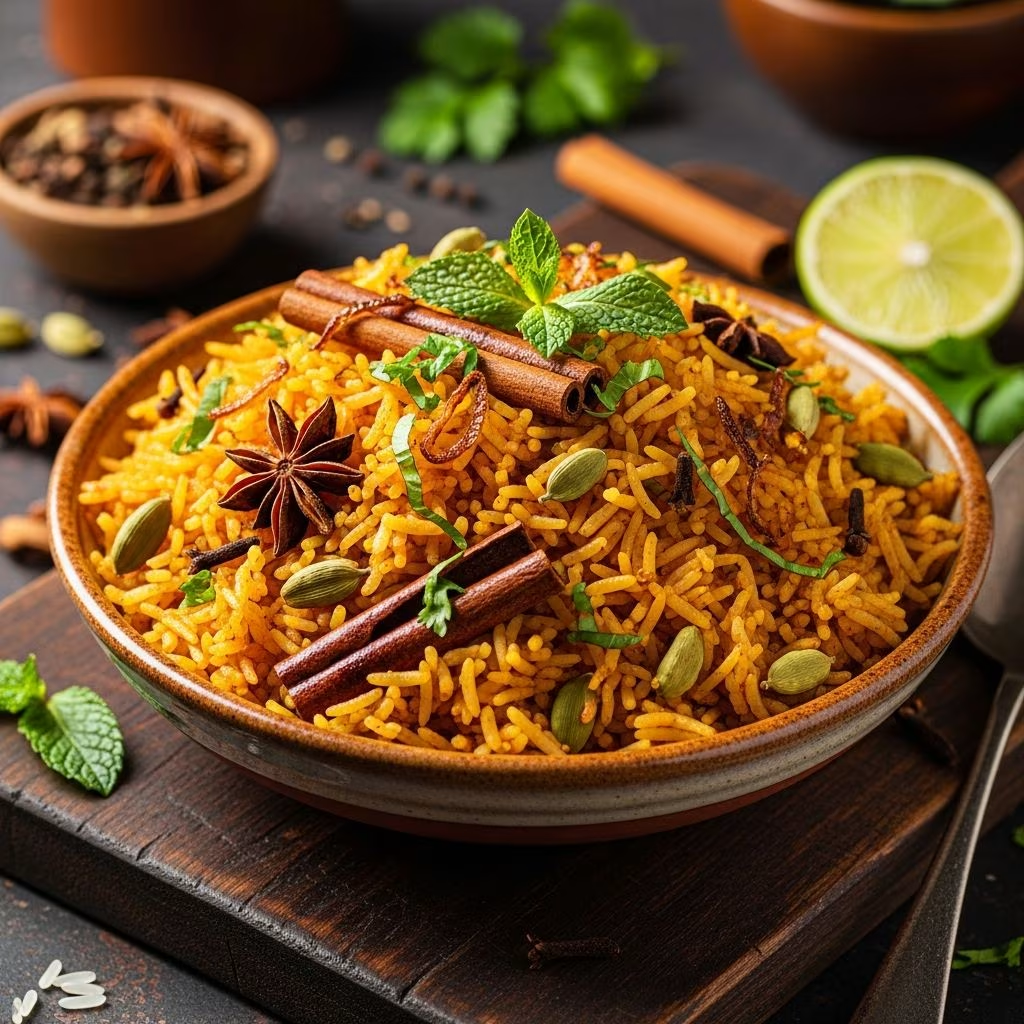
The soul of aromatic spiced rice resides in its spice composition. Rather than using pre-ground spice powders exclusively, whole spices toasted in oil or ghee release their essential oils and volatile compounds, creating a more vibrant and nuanced flavor foundation. This technique, known as tempering or blooming spices, concentrates flavors and eliminates any stale quality that pre-ground spices might carry.
The traditional spice ensemble typically includes:
- Cumin seeds for earthy warmth and subtle bitterness
- Cinnamon sticks for woody sweetness and aromatic depth
- Whole cloves contributing peppery intensity and warm notes
- Green or black cardamom pods adding citrusy undertones and complexity
- Bay leaves providing herbaceous background notes
- Fennel seeds introducing subtle anise-like sweetness
- Black peppercorns delivering gentle heat and pungency
The ratios of these spices can be adjusted according to personal preference and heat tolerance. Those preferring milder flavors may reduce the quantity of peppercorns and chili powder, while enthusiasts of bold, spicy dishes might increase these components. This flexibility makes spiced rice an adaptable recipe suitable for various palates within a single household.
Essential Aromatics: Onions, Garlic, and Ginger
Beyond whole spices, the trinity of onions, garlic, and ginger forms the aromatic base that provides depth and complexity to the final dish. Onions, when cooked until they achieve a golden-brown color, develop natural sweetness through caramelization. This process breaks down the sulfur compounds responsible for raw onion’s sharp bite, replacing them with mellow, sweet, and slightly nutty flavors that permeate each grain of rice.
Ginger-garlic paste, either homemade or store-bought, introduces pungent aromatics that complement the sweetness of caramelized onions. Fresh ginger contributes warming spice and a subtle citrus undertone, while garlic adds savory depth and slight sharpness. When these aromatics are sautéed together after the whole spices have bloomed, they create a flavor foundation of remarkable intensity and balance.
Fresh green chilies, chopped finely and added during the aromatics stage, provide controlled heat that can be modulated by removing seeds before chopping. For those sensitive to spice, this step remains optional. Curry leaves, another traditional component, offer a distinctive herbaceous quality that enhances the overall aromatic profile without contributing significant heat.
Cooking Technique: The Step-by-Step Process
Success in creating aromatic spiced rice depends equally on technique as on ingredient selection. The process follows a logical progression designed to build flavors sequentially.
Initial Oil or Ghee Heating: Begin by selecting your cooking fat—neutral oils like sunflower or canola work effectively, though ghee provides superior richness and authenticity. Heat this fat in a heavy-bottomed pot or pan over medium-high heat until shimmering. Proper temperature ensures the spices bloom effectively without burning.
Spice Tempering: Add whole spices to the heated fat and allow them to fry for just three to four seconds. Listen for crackling sounds and observe the spices beginning to darken slightly. This brief cooking period releases aromatic oils without burning the spices, which would introduce unpleasant bitter flavors. The kitchen should fill with an intoxicating fragrance during this stage.
Aromatics Introduction: Immediately add onions following the spice blooming, as the oil’s heat begins tempering the spices’ intensity. Stir frequently, breaking up onion pieces as they cook. Patience during this stage yields superior results—onions should transform from raw white through pale gold to deeper caramel tones, developing sweetness and mellow character. This process typically requires five to seven minutes of attentive cooking.
Ginger-Garlic Addition: Once onions achieve their golden stage, introduce ginger-garlic paste and chopped green chilies. Stir constantly for approximately one minute, allowing the heat to cook away the raw pungency of these ingredients while their aromatic compounds distribute throughout the oil. This brief cooking prevents raw garlic or ginger from creating sharp, unpleasant notes in the finished dish.
Rice Incorporation: Add the drained, pre-soaked rice to the aromatic mixture. Stir continuously for two to three minutes, ensuring each grain becomes coated with the spice-infused oil. This coating serves multiple purposes: it prevents starch from released grain surfaces causing excessive stickiness, it ensures even flavor distribution, and it creates visual appeal as grains take on a slight golden hue from the oil and spices.
Liquid Addition and Cooking: Pour the measured water or stock into the pot, followed by turmeric powder, chili powder, correlation powder, garam masala, and salt to taste. The general ratio maintains two cups of liquid per one cup of uncooked rice, though this may vary slightly depending on rice variety and desired final texture. Bring the mixture to a rolling boil over high heat, then reduce the flame to the lowest setting and cover the pot tightly with a lid. Allow the rice to steam undisturbed for the duration of cooking, typically fifteen to twenty minutes. Resist the urge to lift the lid frequently, as this releases steam and disturbs the cooking process.
Incorporating Vegetables and Customization Options
While traditional spiced rice can be served as-is, incorporating vegetables transforms it into a complete meal. A blend of finely diced vegetables—carrots, peas, beans, bell peppers, or cauliflower—adds nutrition, color, and textural variety. These vegetables are typically cooked after the aromatics stage but before rice addition, ensuring they reach tenderness without becoming mushy by the time rice finishes cooking.
The cooking time for vegetables requires five to seven minutes in the spiced oil, allowing flavors to meld while maintaining slight firmness and vibrant color. Vegetables added too late remain raw; those added too early become overcooked and lose their appeal. Careful timing ensures vegetables contribute their characteristic textures and subtle flavors to the finished dish.
Achieving the Perfect Texture and Consistency
The difference between excellent spiced rice and mediocre preparations often comes down to the final texture. Properly cooked rice should feature grains that remain separate, intact, and neither mushy nor crunchy. This ideal texture results from the correct liquid-to-rice ratio combined with appropriate cooking temperature and duration.
The low, covered simmer allows steam to cook the rice gently and evenly, with moisture distributing uniformly. Once the liquid has been absorbed and steam begins escaping from beneath the lid, the rice has reached doneness. Some cooks prefer turning off heat and allowing the covered pot to rest for five minutes after cooking completes, permitting any residual moisture to distribute and allowing grains to firm up slightly.
Finishing Touches and Garnish
The final presentation significantly impacts the dining experience. Fresh cilantro, chopped just before serving, imparts brightness and herbaceous freshness that cuts through the richness of spices and oil. Thinly sliced green onions contribute mild onion flavor and visual appeal through their delicate green color. Some preparations include toasted nuts like cashews or almonds, adding textural contrast and subtle richness.
A squeeze of fresh lime juice added after cooking completes enhances flavors without adding moisture, brightening the spice profile and preventing the dish from tasting heavy. This technique is particularly valuable when serving the rice as a standalone dish rather than with curries or other accompaniments.
Serving Suggestions and Complementary Dishes
Aromatic spiced rice adapts well to various serving contexts. As a lunch box component, it pairs beautifully with simple yogurt-based side dishes such as raita, which provides cooling relief to the warm spices. Roasted or fried papadums offer textural contrast through their crispy nature, while thinly sliced raw onions provide pungent freshness.
When served as a dinner component, spiced rice complements both vegetable curries and meat-based preparations. The neutral yet flavorful character of the rice neither competes with nor overwhelms other dishes on the plate, making it an ideal foundation for a complete meal.
Storage and Reheating Guidelines
Leftover spiced rice stores reliably in airtight containers within the refrigerator for three to four days. Reheating can be accomplished through several methods: microwaving with a small splash of water promotes moisture restoration, while stovetop reheating in a dry pan over low heat allows any excess moisture to evaporate while gently warming the rice. Some cooks prefer transforming leftover spiced rice into fried rice by reheating with additional oil or ghee and incorporating beaten eggs and fresh vegetables.
Frequently Asked Questions
- Can I substitute brown rice for white basmati rice?
- While possible, brown rice requires significantly longer cooking time and higher liquid ratios. The nuttier flavor of brown rice offers interesting variation, though it may not achieve the same light, fluffy texture characteristic of white basmati rice.
- What should I do if my rice turns out mushy?
- Mushiness typically results from excess liquid or overcooking. Future preparations should reduce liquid slightly or decrease cooking time. Additionally, ensure the lid fits tightly to prevent excess steam escape during cooking.
- Can I make this recipe in a rice cooker?
- Yes, though results may differ slightly from stovetop preparation. Temper spices in a separate pan before transferring to the rice cooker with soaked rice and measured liquid, following your cooker’s standard rice-to-liquid ratio.
- How can I make a vegetarian version?
- This recipe is naturally vegetarian. Simply ensure any broth used contains no animal products, and confirm all spices and ghee, if using, align with vegetarian dietary preferences.
- Can I prepare components in advance?
- Yes, pre-soaking rice up to several hours in advance presents no problems. Spices and aromatics can be measured and arranged before cooking begins, though cooking should proceed fresh to maximize spice potency.
Conclusion: Mastering Your Spiced Rice Preparation
Creating aromatic spiced rice represents a fundamental cooking skill that elevates everyday meals into memorable dining experiences. By understanding ingredient roles, mastering the sequential cooking process, and respecting traditional techniques, anyone can produce restaurant-quality results in their home kitchen. The combination of whole spices, carefully caramelized aromatics, and properly prepared rice creates a dish that satisfies through its perfect balance of flavors, textures, and aromas. Whether prepared for casual lunch boxes or formal dinner service, this versatile preparation demonstrates how simple ingredients and thoughtful technique create culinary excellence.
References
- Traditional Indian Rice Cooking Methods — Indian Veggie Delight. 2024. https://www.indianveggiedelight.com/masala-rice-recipe/
- North Indian Rice Dish Preparation Techniques — Whisk Affair. 2024. https://www.whiskaffair.com/vegetable-masala-rice-recipe/
- One-Pot Spiced Rice Recipes — Hebbar’s Kitchen. 2024. https://hebbarskitchen.com/masala-rice-recipe-spiced-rice/