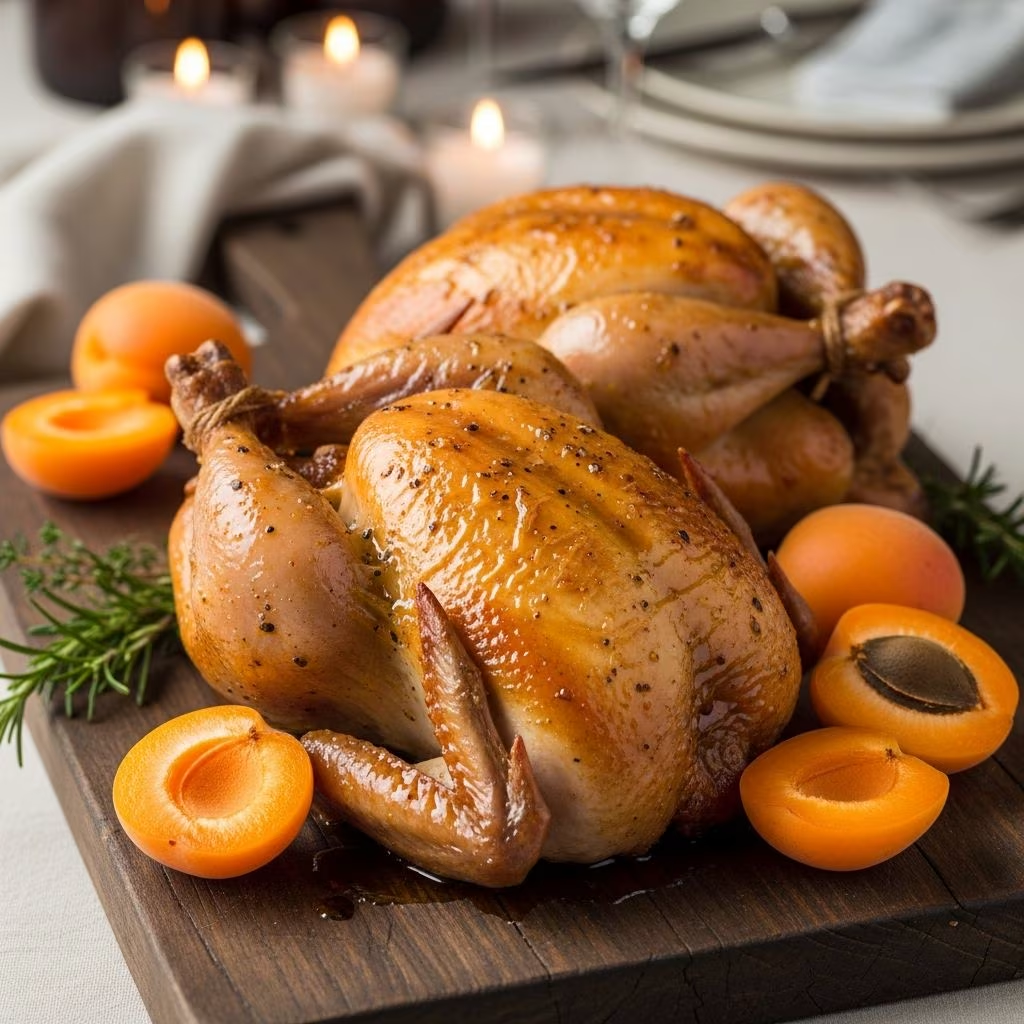
Cornish game hens represent a culinary bridge between everyday poultry and restaurant-quality dining experiences. These diminutive birds, typically weighing between one and one-half pounds each, offer individual portions that deliver impressive presentation with surprising culinary versatility. The combination of tender meat and a glossy, caramelized apricot coating transforms a simple protein into an elegant centerpiece suitable for intimate gatherings or formal celebrations.
Understanding Cornish Game Hens: The Perfect Protein Choice
Cornish game hens differ significantly from standard chicken. These birds are younger and smaller, resulting in meat that cooks more quickly and uniformly than larger poultry. The individual portion size eliminates awkward carving requirements, allowing each guest to enjoy an entire bird. The meat tends toward greater tenderness compared to conventional chickens, partly due to the younger age at processing and partly due to the accelerated cooking times that preserve moisture.
Sourcing quality birds establishes the foundation for exceptional results. Fresh Cornish game hens should display firm texture and golden-hued skin without blemishes or discoloration. Most specialty markets and upscale grocery stores stock these birds year-round, though availability peaks during holiday seasons when demand for elegant entertaining increases.
Crafting the Apricot Glaze: Layered Sweetness and Savory Balance
The glaze represents the defining element of this preparation. A successful apricot-based coating balances fruity sweetness with savory undertones, creating complexity that prevents the dish from becoming cloying. The foundational ingredient—apricot preserves—provides concentrated fruit flavor and natural pectin that creates an adherent, glossy coating.
Most traditional formulations incorporate complementary ingredients that enhance the apricot’s natural properties. Dijon mustard contributes sharp, peppery notes that cut through sweetness and add umami depth. Soy sauce introduces additional umami while providing saltiness that tempers sugar intensity. Some preparations include orange juice or orange zest, which brightens the flavor profile and echoes apricot’s natural citrus undertones.
The glaze preparation itself demands attention. Gentle simmering concentrates flavors while thickening the mixture to proper consistency for adherence. Under-reduction results in thin glaze that fails to coat adequately, while over-reduction produces thick, potentially bitter results. The ideal consistency resembles pourable syrup that clings to the birds without sliding away during roasting.
Essential Equipment and Preparation Techniques
Successful preparation requires minimal specialized equipment, though certain tools enhance results considerably. A meat thermometer—preferably instant-read digital—proves essential for ensuring doneness without overcooking. A roasting pan with raised sides contains splatters while allowing air circulation. A silicone basting brush facilitates smooth glaze application without damaging delicate skin.
Proper bird preparation establishes optimal cooking conditions. Rinsing the hens under cold water removes any processing residue, while patting dry with paper towels eliminates surface moisture that would otherwise steam rather than roast. Season inside and out with salt and pepper, allowing the seasonings to penetrate the meat rather than remaining surface-level.
Positioning matters significantly during roasting. Breast-side-up orientation ensures even cooking while allowing the skin to develop protective browning that prevents moisture loss. This positioning also facilitates basting, as the glaze naturally pools in the breast cavity rather than running away.
The Roasting Process: Temperature, Timing, and Technique
Most preparations begin with oven preheating to 350°F or 400°F, depending on desired browning intensity. Higher temperatures (400°F) accelerate browning and reduce total cooking time to approximately 60-65 minutes, producing crispier skin. Lower temperatures (350°F) extend cooking to 75-90 minutes, promoting gentler cooking that may preserve additional moisture.
Initial roasting typically spans 20-30 minutes before glaze application begins. This preliminary period allows the birds to develop foundational browning while the skin tightens. The first glaze application marks the transition from dry roasting to glazed cooking.
Basting intervals should occur approximately every 15 minutes thereafter. Consistent basting accomplishes multiple objectives: it deposits additional flavor, promotes even browning, and maintains surface moisture. The glaze caramelizes incrementally with each application, building layered complexity while creating the characteristic glossy appearance.
Monitoring for excessive browning prevents bitter charring. If skin darkens too rapidly, loosely tenting the roasting pan with aluminum foil moderates heat intensity without affecting interior cooking. Remove the tent during final minutes to restore browning if desired.
Determining Doneness: Accuracy Matters
Precise internal temperature measurement prevents both undercooked and overcooked results. The thigh registers doneness at 165°F (74°C), the primary indicator for poultry safety, while breast meat reaches maximum moisture retention at 170°F (77°C). Inserting the thermometer probe into the thickest thigh portion without touching bone ensures accurate readings.
Total cooking time for standard birds (1.25-1.5 pounds) typically ranges from 60-75 minutes. Slightly larger specimens may require additional time, though most Cornish game hens remain remarkably consistent in size, facilitating predictable cooking schedules.
Resting the finished birds for 5-10 minutes after removal from the oven serves critical purposes. Residual carryover cooking continues during this period, allowing the thigh meat to reach optimal temperature. Simultaneously, muscle fibers relax, permitting better moisture retention when carved or served whole.
Flavor Variations and Creative Adaptations
While the classic apricot glaze delivers reliable excellence, creative adaptations expand the culinary possibilities. Orange juice or zest additions brighten the flavor profile, while adding complexity through citrus notes. This variation suits spring entertaining or lighter occasions.
Incorporating minced fresh ginger or ginger powder introduces warming spice notes that complement apricot’s inherent sweetness. This Asian-influenced variation pairs beautifully with rice pilaf or vegetable accompaniments.
Reducing the Dijon mustard content or substituting whole-grain mustard creates textural variation while modulating sharpness. Some preparations omit mustard entirely, replacing it with balsamic vinegar or pomegranate molasses for different acidic profiles.
Nutmeg, cinnamon, or cardamom additions introduce warming spices reminiscent of Middle Eastern or North African flavor profiles. These spices complement apricot naturally, creating sophisticated depth suitable for formal entertaining.
Accompaniments and Side Dish Pairings
The sweet-savory glaze pairs exceptionally well with numerous accompaniments. Sausage-infused rice pilaf provides textural contrast while offering substance that balances the delicate bird. Wild rice preparations showcase earthiness that complements the glaze without competing.
Roasted root vegetables—particularly carrots, beets, and parsnips—contribute natural sweetness harmonizing with the apricot coating. Glazing these vegetables with reserved apricot mixture unifies the plate visually and flavor-wise.
Green vegetables offering slight bitterness—such as braised Belgian endive, roasted asparagus, or wilted spinach—provide palate refreshment between bites of rich glazed poultry. The contrast prevents flavor fatigue during extended meals.
Grain-based sides absorb rendered juices from the roasting pan, creating sauce-like richness. Couscous, farro, or quinoa preparations benefit from this nutritious liquid base.
Nutritional Considerations and Dietary Adaptations
A single glazed Cornish game hen provides approximately 950 calories, with substantial protein content (around 79 grams) supporting muscle maintenance and satiety. Fat content runs approximately 66 grams per bird, though much resides in the skin, which can be removed if desired to reduce total fat intake.
Sodium levels reach approximately 1,300 milligrams per bird, primarily from soy sauce and added seasonings. Reducing soy sauce quantity or substituting lower-sodium alternatives accommodates sodium-restricted diets. The bird itself contributes negligible sodium.
Micronutrient profiles include substantial iron content (approximately 4.2 milligrams) supporting oxygen transport, plus appreciable potassium (around 1,135 milligrams) benefiting cardiac function. These nutrient-dense birds deliver comprehensive nutritional value despite their diminutive size.
Individuals following specific dietary protocols should note that the apricot glaze introduces carbohydrates (approximately 2 grams per bird) and natural sugars. Diabetic modifications might substitute sugar-free apricot preserves or reduce glaze quantities proportionally.
Make-Ahead Strategies for Entertaining Efficiency
Advance preparation significantly reduces day-of stress when entertaining. The apricot glaze can be prepared up to three days ahead, stored in refrigerated glass containers. Allow glaze to reach room temperature before application, ensuring proper coating consistency.
Birds may be seasoned and arranged in roasting pans several hours before cooking, covered with plastic wrap to prevent drying. Proceed with roasting without removing the covering until glaze application begins.
For maximum convenience, prepare the complete dish 2-3 hours ahead, then gently reheat in a 325°F oven for 15-20 minutes before serving. This strategy works particularly well when entertaining multiple guests or coordinating complex menus.
Common Preparation Challenges and Solutions
| Challenge | Cause | Solution |
|---|---|---|
| Skin appears pale or lacks browning | Insufficient oven temperature or excessive basting | Increase temperature to 425°F for final 10 minutes; reduce basting frequency during early cooking |
| Glaze burns or becomes bitter | Excessively high oven temperature or over-reduced glaze | Lower temperature; tent with foil if browning too quickly; simmer glaze only until noticeably thickened |
| Meat appears dry despite cooking time | Overcooking or insufficient basting | Use thermometer precisely; baste every 12-15 minutes; reduce oven temperature slightly |
| Glaze slides off during cooking | Glaze too thin or skin too moist | Pat birds very dry; simmer glaze longer to achieve thicker consistency; apply in thinner layers more frequently |
Frequently Asked Questions
Can I prepare Cornish game hens in advance?
Yes. Season and arrange birds in pans up to 8 hours ahead, covered. The glaze may be prepared 2-3 days in advance. Complete birds may be roasted 3-4 hours beforehand and gently reheated before serving.
Are Cornish game hens suitable for freezing?
Absolutely. Uncooked birds freeze successfully for 2-3 months in airtight containers. Thaw completely in refrigeration before cooking. Finished glazed hens freeze well for 1-2 months; reheat gently in a 325°F oven.
What wines pair well with apricot-glazed Cornish hens?
The glaze’s sweetness pairs beautifully with off-dry Riesling, Albariño, or Pinot Grigio. Lighter reds such as Pinot Noir or Grenache complement the poultry without overwhelming the delicate glaze.
Can I use fresh apricots instead of preserves?
Yes, though results differ slightly. Simmer fresh apricots with a small amount of sugar to create a coulis-like consistency before incorporating other glaze components. Fresh preparations yield less glossy, more matte finishes.
How many guests does one Cornish game hen serve?
One bird typically serves one person as a complete entrée. A single hen provides generous protein for lighter appetites or when paired with substantial side dishes.
Can I grill Cornish game hens instead of roasting?
Yes, using indirect heat. Place birds on a grill-proof roasting rack positioned over unlit burners or away from direct coals. Maintain temperature around 350-375°F and follow identical cooking times and basting protocols.
Conclusion: Mastering an Elegant Technique
Apricot-glazed Cornish game hens represent accessible sophistication—impressive enough for formal entertaining yet straightforward enough for confident home cooks. The combination of individual presentation, manageable cooking times, and foolproof glazing techniques produces consistently exceptional results suitable for various occasions. Whether serving intimate dinners or elaborate celebrations, these elegant birds deliver restaurant-quality experiences within comfortable home kitchen parameters.
References
- Platings + Pairings Apricot Glazed Cornish Game Hens Recipe — Platings + Pairings. Accessed April 2026. https://www.platingsandpairings.com/apricot-glazed-cornish-game-hens/
- Food Safety: Poultry Temperature Guidelines — United States Department of Agriculture Food Safety and Inspection Service. Accessed April 2026. https://www.fsis.usda.gov/food-safety/safe-food-handling-and-preparation/poultry
- Emeril’s Apricot Glazed Cornish Game Hens with Sausage Rice Pilaf Stuffing — Emeril’s Restaurant Group. Accessed April 2026. https://www.emerils.com/123408/apricot-glazed-cornish-game-hens-sausage-rice-pilaf-stuffing
- Town and Country Markets Sweet Apricot Glazed Cornish Game Hens — Town and Country Markets. Accessed April 2026. https://townandcountrymarkets.com/recipes/apricot-glazed-cornish-game-hens
- Farmers to You Cornish Game Hens with Apricot Glaze — Farmers to You. Accessed April 2026. https://farmerstoyou.com/meal-suggestions/cornish-game-hens-with-apricot-glaze