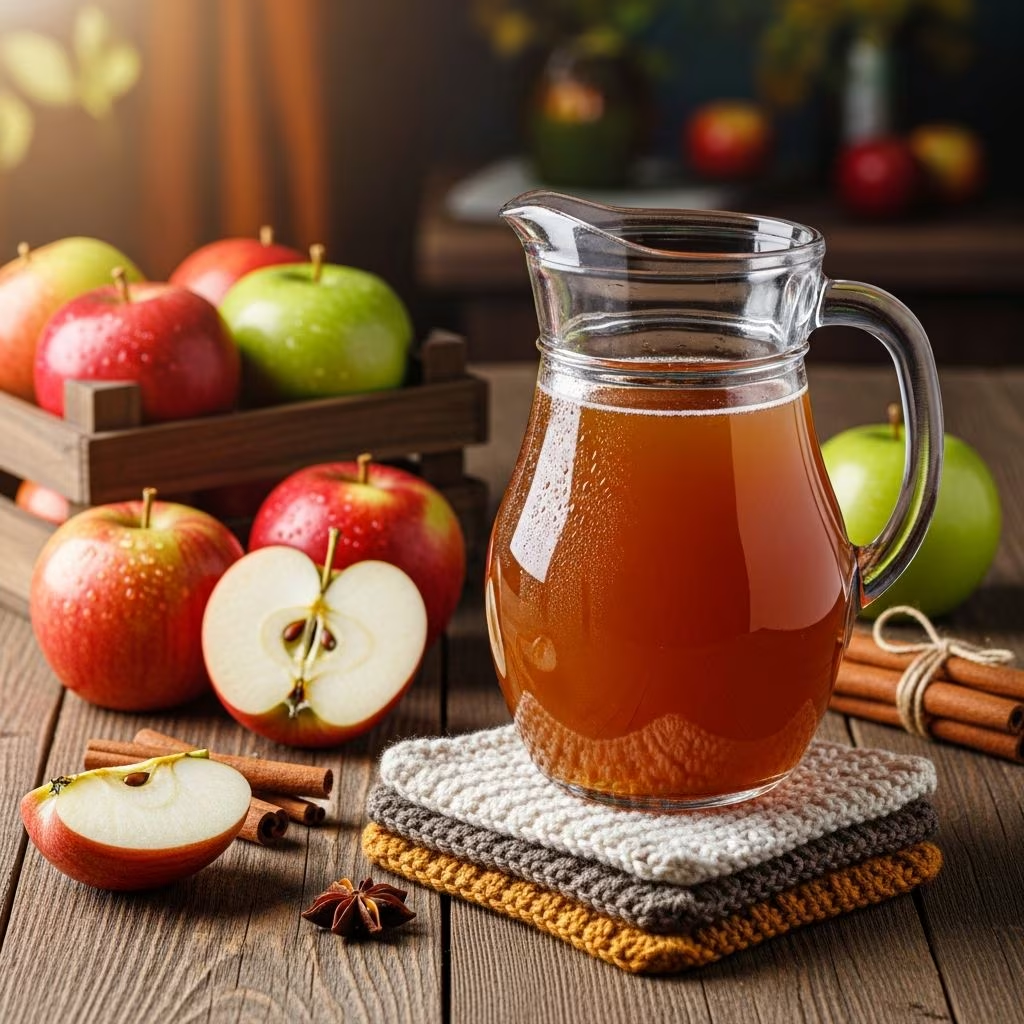
Apple cider stands as a timeless beverage, cherished for its fresh, tangy profile and versatility across seasons. Derived from pressed apples, it offers a cloudy, nutrient-rich alternative to clear apple juice, bridging non-alcoholic refreshment and fermented traditions.
The Roots of Apple Cider
Apple cider traces its beginnings to ancient practices, where communities pressed local fruits into a vital drink. In regions like North America, it emerged as an unfiltered juice, distinct from the fermented versions popular elsewhere. Fresh cider captures the essence of whole apples, including cores and pulp, yielding a robust flavor that reflects seasonal harvests.
Historically, cider fueled early settlers and remains a staple at autumn festivals. Its production relied on abundant apple crops, with varieties selected for balance in sweetness and acidity. Today, it evokes nostalgia while adapting to modern tastes through pasteurization or natural processing.
Defining Apple Cider Versus Apple Juice
Apple cider and apple juice share apple origins but diverge in preparation. Cider retains fine pulp particles, creating opacity and a fuller mouthfeel, while juice undergoes filtration and high-heat processing for clarity and longevity.
| Aspect | Apple Cider | Apple Juice |
|---|---|---|
| Appearance | Cloudy, golden | Clear |
| Processing | Unfiltered, often unpasteurized | Filtered, pasteurized at 190°F |
| Shelf Life | Short, refrigerate | Long, shelf-stable |
| Taste | Tart, complex | Sweeter, milder |
Production Process Unveiled
Crafting apple cider begins with harvesting ripe apples, often blends of sweet and tart varieties for optimal flavor. Apples are washed, milled into pomace—a pulpy mash—and pressed to extract juice. This raw liquid is minimally strained to preserve cloudiness, distinguishing it from juice.
- Harvesting: Select blemished or cull apples for authenticity.
- Milling: Grind into pomace to maximize juice yield.
- Pressing: Squeeze pomace, yielding 60-70% juice by weight.
- Optional Pasteurization: Heat or UV treat for safety, though raw versions prioritize freshness.
Producers may add no sugars, emphasizing natural tartness. For home making, small presses suffice, yielding gallons from bushels.
Nutritional Profile and Wellness Advantages
Fresh apple cider packs nutrients from its apple base, including vitamins and minerals. A standard 8-ounce serving delivers about 120 calories, 28 grams of carbs, and traces of protein and fat, alongside potassium, calcium, iron, and vitamin C.
Key benefits stem from polyphenols—plant antioxidants that combat free radicals, potentially reducing inflammation, cancer risk, and heart disease. Unlike processed juice, cider’s pulp retains more fiber (0.5g per cup), aiding digestion.
- Supports immune function via vitamin C.
- Promotes heart health through potassium.
- Antioxidant-rich for cellular protection.
Raw cider maximizes these perks, though pasteurization preserves most. Consume fresh for peak nutrition; it ferments naturally if unrefrigerated.
From Fresh to Hard: Cider Spectrum
In the U.S. and Canada, “cider” means non-alcoholic fresh press, but globally, it denotes fermented “hard cider.” Hard cider ferments juice with yeast, converting sugars to 5-8% alcohol, yielding dry to sweet profiles in amber to pale hues.
Production advances: post-pressing, yeast ferments juice in tanks or barrels. Aging refines tannins and aromas, blending high-acid or high-sugar apples for balance. Styles range from crisp farmhouse to oak-aged complexities.
- Sweet Cider: Fresh, unfermented.
- Hard Cider: Fermented, alcoholic.
- Sparkling Cider: Carbonated fresh or hard variants.
- Mulled Cider: Spiced and warmed.
Hard cider orchards favor “bittersharp” apples, revived post-Prohibition.
Seasonal Delights: Hot and Cold Serving Ideas
Chill fresh cider for summer refreshment or heat with spices for winter warmth. Mulled versions infuse cinnamon, nutmeg, cloves, and citrus, simmered low to meld flavors.
Pairings enhance enjoyment:
- With cheeses like cheddar or brie.
- Alongside roasted meats or pies.
- In cocktails, mixing hard cider with spirits.
Storage tip: Refrigerate UV-treated cider; raw lasts 1-2 weeks.
Culinary Applications Beyond the Glass
Apple cider elevates cooking, tenderizing meats in marinades or glazing roasts. Reduce it to syrup for salads or cocktails. In baking, it moistens cakes or quick breads, adding subtle fruit notes.
Recipe highlights:
- Cider-Glazed Pork: Simmer cider with mustard for caramelized chops.
- Cider Vinaigrette: Emulsify with oil and herbs.
- Autumn Soup: Base for butternut squash blends.
Fermentation byproduct: apple cider vinegar, used for dressings or health tonics.
Choosing and Storing Your Cider
Seek local orchards for freshest picks—cloudy, aromatic bottles signal quality. Check labels: “pure cider” avoids additives. Organic options minimize chemicals, enhancing purity.
Refrigerate immediately; freeze excess in ice cube trays for versatility. Avoid room temperature to prevent fermentation into vinegar or hard cider.
Frequently Asked Questions
Is apple cider healthy?
Yes, offering antioxidants, vitamins, and minerals, though moderation accounts for natural sugars.
What’s the difference between cider and hard cider?
Cider is non-alcoholic fresh juice; hard cider is fermented.
How long does fresh cider last?
1-2 weeks refrigerated; pasteurization extends to months.
Can I make cider at home?
Absolutely—mill, press, and store chilled apples.
Does cider contain alcohol?
Fresh does not; hard cider does (4-8% ABV).
References
- What is Apple Cider & How to Make it? — Champlain Orchards. Accessed 2026. https://champlainorchards.com/blogs/news/what-is-apple-cider
- 7 Things You Need to Know About Cider — Wine Design. Accessed 2026. https://www.winedesign.com.au/blog/7-things-you-need-to-know-about-cider/
- Everything you need to know about making cider — Juliet Apple. Accessed 2026. https://www.juliet-apple.organic/everything-you-need-to-know-about-making-cider
- Apple cider — Wikipedia. Accessed 2026. https://en.wikipedia.org/wiki/Apple_cider
- Apple Cider: Are There Health Benefits? — WebMD. Accessed 2026. https://www.webmd.com/diet/health-benefits-apple-cider
- What is Cider? — Stone Circle Cider. Accessed 2026. https://www.stonecirclecider.com/blog/what-is-cider
- Everything You Need to Know About Apple Cider — FruitSmart. Accessed 2026. https://www.fruitsmart.com/blog/everything-you-need-to-know-about-apple-cider/