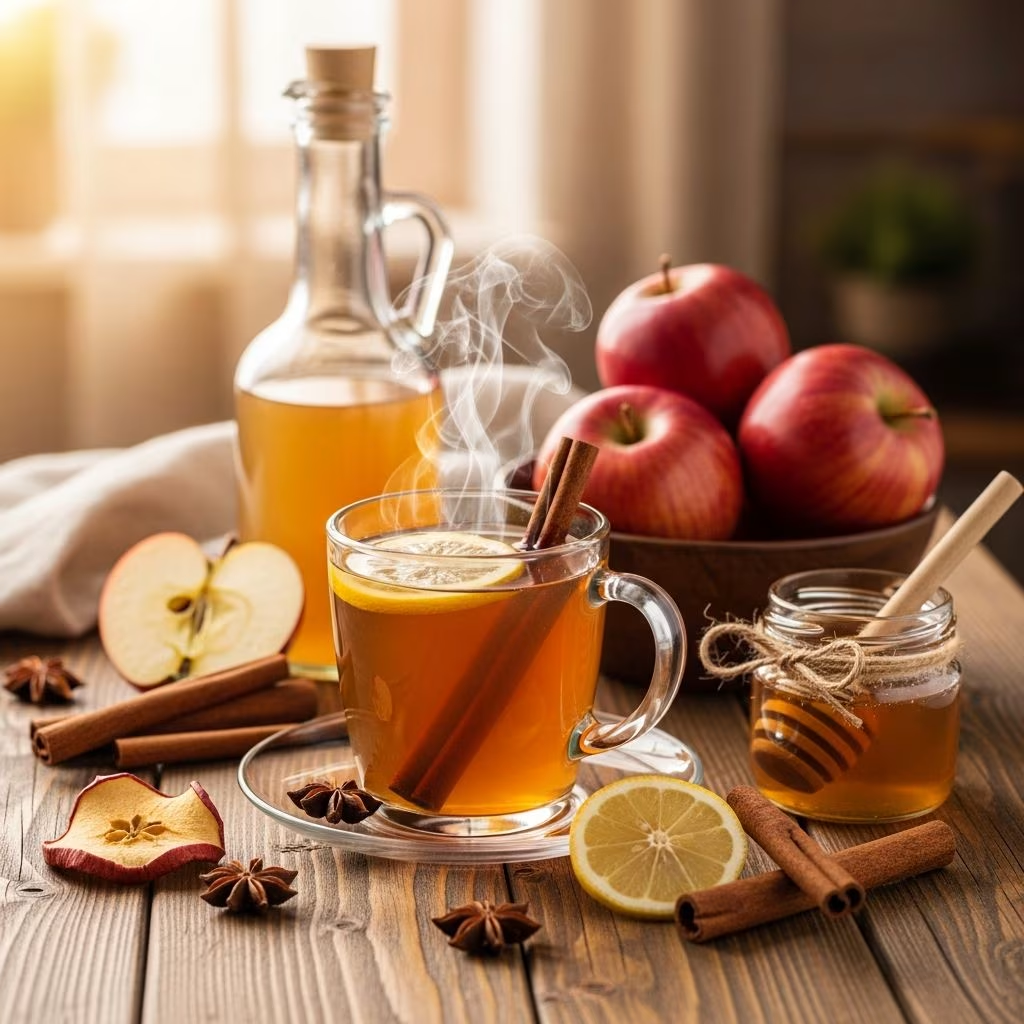
Apple cider vinegar (ACV) tea has surged in popularity as a simple, invigorating beverage that combines the tangy sharpness of fermented apple vinegar with the soothing qualities of various teas. This drink is prized for its potential to support digestion, enhance hydration, and provide a gentle energy lift without relying on caffeine overloads. By mixing ACV with herbal or black teas, fresh citrus, warming spices like cinnamon or ginger, and natural sweeteners, you create a versatile tonic suitable for morning routines, afternoon pick-me-ups, or evening wind-downs.
The core appeal lies in ACV’s natural probiotics from the “mother”—the cloudy sediment in unfiltered varieties—which may aid gut health when consumed regularly. Paired with tea’s antioxidants, these blends offer a flavorful way to incorporate functional ingredients into your diet. Whether hot for chilly days or chilled for summer refreshment, these recipes are quick to prepare, requiring minimal equipment like a kettle or pitcher.
Why Incorporate ACV Tea into Your Routine?
ACV tea stands out for its multifaceted benefits. The acetic acid in ACV may help regulate blood sugar levels after meals, while tea polyphenols combat oxidative stress. Common additions like lemon provide vitamin C for immune support, and ginger offers anti-inflammatory properties. Users often report improved satiety, reduced bloating, and a subtle metabolism boost, making it a staple in wellness circles.
- Digestion aid: ACV’s enzymes break down food, easing indigestion.
- Weight management: Low-calorie with appetite-suppressing effects.
- Detox support: Promotes liver function and gentle cleansing.
- Flavor versatility: Customizable to sweet, spicy, or tart preferences.
Start with small amounts of ACV (1-2 tablespoons per serving) to acclimate your palate and stomach, diluting in at least 8 ounces of liquid to protect tooth enamel.
Essential Ingredients for ACV Tea
Building a great ACV tea starts with quality components. Opt for raw, unfiltered ACV containing the mother for maximum benefits. Choose teas based on desired effects: green for antioxidants, oolong for mild caffeine, or herbal like chamomile for relaxation.
| Ingredient | Role | Best Options |
|---|---|---|
| Apple Cider Vinegar | Core tangy base, probiotics | Raw, organic with mother (e.g., Bragg’s style) |
| Tea Base | Flavor and antioxidants | Green, oolong, black, chamomile, ginger |
| Citrus | Brightness, vitamin C | Fresh lemon/orange juice |
| Sweetener | Balances acidity | Honey, maple syrup (1-2 tsp) |
| Spices | Warmth, metabolism boost | Cinnamon, ginger, turmeric, cayenne |
Classic Hot ACV Detox Tea
This foundational recipe yields one serving and takes under 5 minutes. It’s a go-to for mornings, mimicking a warm lemonade with tea undertones.
Ingredients (1 serving):
- 1 cup hot water
- 1 tbsp ACV with mother
- 2 tbsp fresh lemon juice
- 1-2 tsp honey or maple syrup
- ½ tsp ground cinnamon
- Dash of cayenne pepper (optional)
Steps:
- Heat water to near-boiling (not rolling boil to preserve nutrients).
- Steep tea bag or 1 tsp loose leaves for 3-5 minutes if using tea; remove.
- Stir in ACV, lemon, sweetener, and spices until dissolved.
- Sip warm, stirring occasionally as spices settle.
Pro tip: Add fresh ginger slices for extra zing and nausea relief.
Iced ACV Oolong Refresher
Perfect for hot days, this batch recipe serves 6 and chills into a pitcher-ready delight. Oolong’s smooth notes pair beautifully with ACV’s bite.
Ingredients (6 servings):
- 6 cups water
- 9 oolong tea bags (or equivalent loose leaf)
- 3 tbsp honey
- 1 tbsp lemon juice
- 2 tbsp ACV
Steps:
- Boil water, add tea bags, and steep 5-6 minutes off heat.
- Remove bags, pour into pitcher.
- Mix in honey, lemon, and ACV until honey dissolves.
- Chill 4-6 hours; serve over ice.
Variations: Swap oolong for green tea or add mint leaves for herbaceous flair.
Spiced Ginger-Turmeric ACV Tea
A robust, golden-hued brew leveraging anti-inflammatory roots. Blend for smoothness or simmer traditionally.
Ingredients (2 servings):
- 2 cups water
- 2 green tea bags
- 2 tbsp ACV
- ½ cup orange juice
- ¼ cup lemon juice
- 1-inch fresh ginger, sliced
- ½ tsp turmeric
- Pinch cayenne
Steps:
- Simmer water, add tea bags for 1-3 minutes; remove.
- Blend tea with juices, ginger, turmeric, cayenne until smooth.
- Reheat gently or chill; sweeten with 1-2 tsp honey per cup.
This version shines at room temperature, offering immune-boosting potency.
Simple Herbal Variations
Experiment with these no-fuss twists for variety:
- Chamomile Calm: Steep 2 tbsp chamomile in 2 cups boiling water 5 minutes, add 2 tsp ACV, honey. Soothing for evenings.
- Ginger-Honey Detox: Slice 1-inch ginger, steep in 2 cups water 5 minutes, mix 2 tsp ACV, honey.
- Green Tea Glow: 2 tsp green tea in 2 cups water, steep, add 2 tsp ACV, honey.
- Cinnamon Morning Kick: 1 cup warm water, 2 tbsp ACV, 2 tbsp lemon, 1 tbsp honey, 1 tsp cinnamon, cayenne dash.
Customization Tips for Every Palate
Tailor your ACV tea to dietary needs or tastes:
- Sweet tooth? Use manuka honey for antibacterial perks.
- Keto-friendly: Skip honey; use stevia or monk fruit.
- Vegan: Maple syrup or agave instead of honey.
- Spice lovers: Grate fresh turmeric or add black pepper for absorption.
- Cold version: Brew double strength, chill, dilute with sparkling water.
Always use glass or stainless steel to avoid reactions with ACV’s acidity.
Health Considerations and Best Practices
While delicious, moderation is key—limit to 1-2 cups daily. Dilute ACV to prevent enamel erosion; rinse mouth after. Consult a doctor if you have acid reflux, kidney issues, or take medications, as ACV may interact. Pregnant individuals should check with healthcare providers.
Frequently Asked Questions
Can I drink ACV tea every day?
Yes, 1-2 cups daily is generally safe for most adults, supporting digestion without overload.
Does ACV tea help with weight loss?
It may promote satiety and blood sugar control, aiding weight management when paired with diet and exercise.
Hot or cold— which is better?
Hot aids digestion; cold refreshes. Both retain benefits if ACV is unpasteurized.
What if I don’t like the taste?
Start with 1 tsp ACV, increase gradually; mask with more fruit juice or stevia.
Is the ‘mother’ necessary?
Yes, for probiotics and full benefits; filtered ACV lacks these live cultures.
Storage and Make-Ahead
Hot teas are best fresh. Iced batches last 3-5 days refrigerated in airtight pitchers. Shake before serving as separation occurs naturally.
References
- Apple Cider Vinegar Iced Tea Recipe — North Coast Organic. Accessed 2026. https://www.northcoast.organic/north-coast-apple-cider-vinegar-iced-tea/
- Apple Cider Vinegar Tea Recipe — Common Sense Home. Accessed 2026. https://commonsensehome.com/apple-cider-vinegar-tea/
- Apple Cider Vinegar Tea — The Harvest Kitchen. Accessed 2026. https://www.theharvestkitchen.com/apple-cider-vinegar-tea/
- Apple Cider Vinegar, Honey and Ginger Detox Tea — Paleo Grubs. Accessed 2026. https://paleogrubs.com/apple-cider-vinegar-detox-tea
- All About Apple Cider Vinegar Tea — Simple Loose Leaf. Accessed 2026. https://simplelooseleaf.com/blogs/news/apple-cider-vinegar-tea