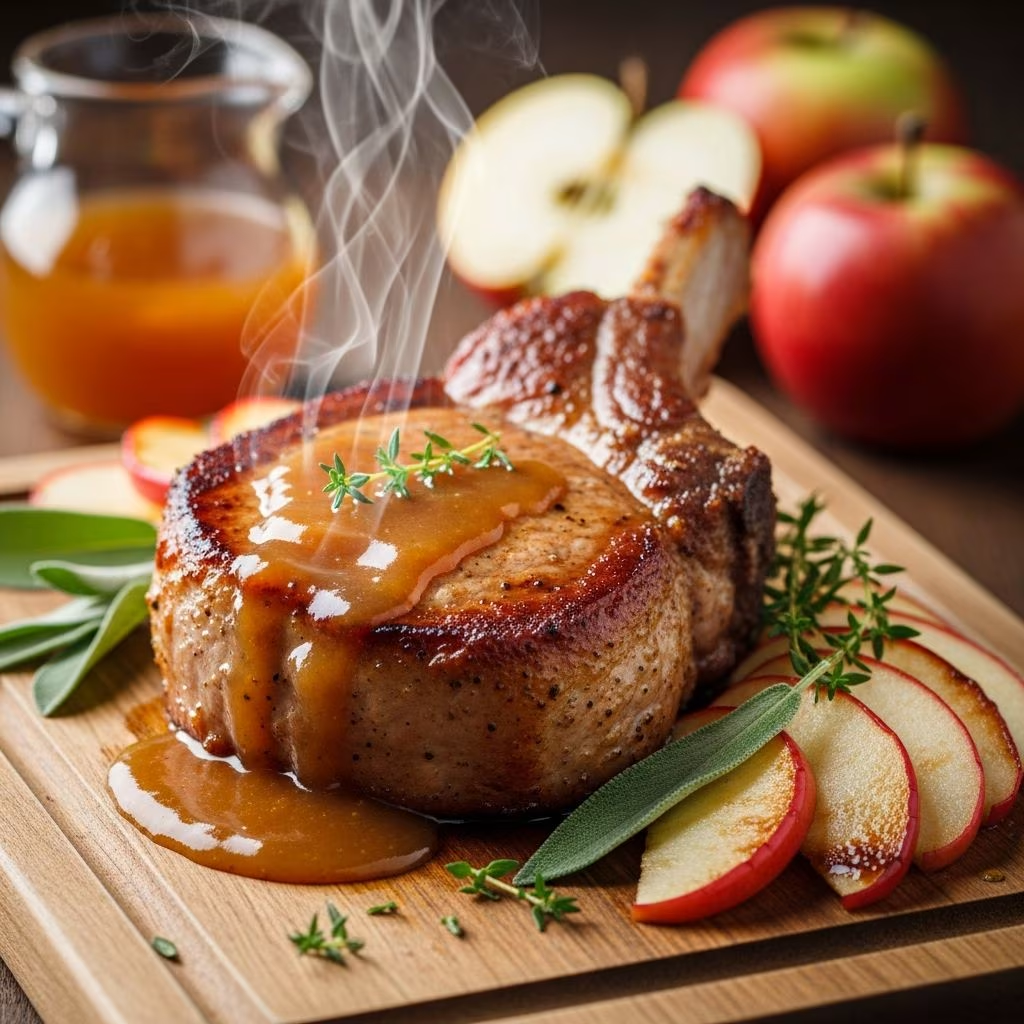
Creating perfectly glazed pork chops requires understanding both the fundamentals of cooking meat and the chemistry behind building complementary flavors. Apple cider provides a natural sweetness and complexity that pairs exceptionally well with the savory richness of pork, while acidic elements like vinegar and mustard help balance and brighten the overall dish. This combination creates a multi-dimensional glaze that transforms simple pork chops into an elegant meal suitable for weeknight dinners or entertaining guests.
Understanding Pork Chop Selection and Preparation
The foundation of any successful glazed pork chop dish begins with selecting the right cut and thickness. Center-cut boneless pork chops, typically ranging from one inch to one and a half inches thick, offer an ideal balance between cooking time and achieving a golden exterior while maintaining juicy interior meat. When boneless chops are unavailable, bone-in varieties work equally well and may provide additional flavor from the bone during cooking.
Before cooking, allow pork chops to rest at room temperature for approximately 30 minutes. This practice ensures more even cooking throughout the meat, preventing the exterior from overcooking while the interior remains undercooked. Generous seasoning with kosher salt and freshly ground black pepper before searing is essential, as underseasoned meat cannot be remedied once cooking begins.
The Foundation: Creating Your Apple Cider Glaze
Understanding the components of an effective glaze empowers home cooks to adjust recipes according to personal preferences and ingredient availability.
Primary Ingredients and Their Roles
- Apple Cider: The starring ingredient that provides fruity sweetness and subtle acidity. Using pure apple cider rather than apple juice produces a more robust, complex flavor profile. Most recipes call for one to two cups depending on desired glaze thickness and serving quantity.
- Apple Cider Vinegar: This acidic component prevents the glaze from becoming overly sweet and adds a distinctive tartness that complements pork’s richness. Typical measurements range from two tablespoons to one-quarter cup per batch.
- Dijon Mustard: Beyond its tangy flavor contribution, mustard acts as an emulsifier, helping the glaze achieve a smooth consistency and adhere better to the meat. One to two teaspoons provides sufficient flavor without overwhelming other ingredients.
- Sweetening Agents: Maple syrup or brown sugar can be incorporated for additional depth. These optional ingredients add richness and help the glaze caramelize slightly during reduction.
- Aromatics: Minced garlic, fresh thyme, or rosemary contribute aromatic complexity. These elements should be introduced early in the cooking process to release their essential oils and flavor compounds.
- Heat Elements: Red pepper flakes or cayenne pepper introduce subtle spiciness that heightens perception of flavor without overwhelming the palate. A pinch suffices in most recipes.
Stovetop Pan-Searing Method
The pan-searing approach represents the most accessible technique for home cooks and produces exceptional results through controlled heat and proper technique.
Step-by-Step Process
Begin by heating two tablespoons of oil—either olive or vegetable oil works effectively—in a large skillet over medium-high heat until the surface shimmers. This indicates the oil has reached the temperature necessary for proper browning. Carefully place seasoned pork chops into the hot skillet, resisting the urge to move them during the initial sear. This uninterrupted contact between meat and heat source creates the desirable caramelized crust through the Maillard reaction, a chemical process that develops complex flavors and browning.
After four to five minutes, a golden-brown crust should form on the bottom surface. Flip the chops and continue cooking for three to six additional minutes depending on chop thickness and desired doneness. Pork reaches safe internal temperatures at 145 degrees Fahrenheit and should be removed from direct heat at this point to prevent overcooking. Transfer the seared chops to a clean plate while you proceed with glaze preparation.
In the same skillet, reduce heat to medium and add minced garlic, cooking for approximately 20 seconds until fragrant. This brief cooking time releases garlic’s flavor compounds while preventing burning, which would impart undesirable bitterness. Add apple cider vinegar next, using a spoon to scrape the bottom of the skillet and incorporate the flavorful browned bits that remain—a technique called deglazing that adds depth to the final sauce.
Pour in apple cider, add mustard and dried thyme or other selected herbs, and increase heat to bring the mixture to a rolling boil. Reduce heat to maintain a strong simmer while stirring occasionally. The liquid will gradually reduce through evaporation, concentrating flavors and thickening into a glossy glaze. This reduction process typically requires 15 to 30 minutes depending on the quantity of liquid and desired glaze consistency. The glaze should reduce to approximately two-thirds to one-half its original volume, coating the back of a spoon when ready.
Once the glaze reaches the desired consistency, return the pork chops to the skillet, turning them several times to coat completely with the glaze. Allow them to heat through for approximately two minutes before serving, ensuring the meat reabsorbs some of the flavorful liquid.
Grilling and Outdoor Cooking Variations
For those preferring grilled preparations, outdoor cooking methods offer distinct advantages in flavor development and textural variety.
Preheat your grill to medium-high heat, approximately 400-450 degrees Fahrenheit. Apply a spice rub to the pork chops before grilling—brown sugar, chili powder, garlic powder, salt, and pepper combine beautifully and caramelize during cooking. Grill for approximately six minutes on the first side, then flip and immediately brush with the apple cider glaze. Continue grilling for two minutes, flip again, and brush the opposite side with additional glaze. Repeat this process until the chops reach an internal temperature of 160 degrees, which typically requires 10 to 12 minutes total grilling time. The repeated glazing and flipping technique builds layers of caramelized flavor while preventing any single surface from burning.
Oven-Braised Preparation Method
Oven braising provides a hands-off approach suitable for meal preparation or cooking larger quantities.
Preheat your oven to 350 degrees Fahrenheit. Season pork chops with salt and pepper and arrange them in a greased baking dish. In a separate bowl, whisk together mustard, minced garlic, honey, fresh rosemary, butter, and apple cider, heating the mixture in a microwave or on the stovetop until the butter melts completely. Pour half this glaze mixture over the pork chops, flip them, and add the remaining glaze to the opposite side. Bake for approximately 30 minutes until the internal temperature reaches 145 degrees Fahrenheit. This method produces exceptionally tender meat as it braises in the glaze rather than cooking in direct heat.
Flavor Variations and Creative Combinations
While the traditional apple cider glaze provides excellent results, numerous variations allow for personalization based on available ingredients and taste preferences.
| Variation Type | Key Additions | Best For |
|---|---|---|
| Maple-Enhanced Glaze | Maple syrup, fresh thyme | Autumn meals, complementing fall side dishes |
| Honey-Herb Version | Honey, rosemary, thyme | Those preferring softer sweetness and aromatic complexity |
| Spiced Glaze | Red pepper flakes, cayenne, chili powder | Heat-loving diners, modern flavor profiles |
| Herbaceous Style | Fresh rosemary, thyme, sage | Purists appreciating herb-forward preparations |
| Brown Sugar Variation | Brown sugar, Dijon mustard | Creating deeper caramelization and richer sweetness |
Complementary Side Dishes and Serving Suggestions
The apple cider glaze’s balanced flavor profile pairs harmoniously with multiple side dishes. Creamed or mashed potatoes absorb excess glaze beautifully, while their neutral flavor prevents competing with the main course. Wild rice pilaf provides textural contrast and nutty undertones that enhance rather than mask the glaze’s complexity. Roasted root vegetables like carrots, parsnips, and Brussels sprouts complement the sweet-tart flavor profile through their own natural sugars and slight bitterness.
For lighter accompaniments, simple green salads with vinaigrette provide acidic contrast that cleanses the palate between bites. Steamed broccoli or green beans offer vegetable nutrition without overwhelming other flavors on the plate.
Storage and Reheating Guidelines
Properly prepared glazed pork chops maintain quality when refrigerated in airtight containers for up to four days. Reheating should occur gently over low heat to prevent the meat from drying further. Adding a small amount of apple cider or broth during reheating helps restore moisture lost during storage. Leftover glaze can be reserved separately and added fresh when serving reheated chops for optimal flavor and texture.
Frequently Asked Questions
Can I prepare the glaze in advance?
Yes, the glaze ingredients can be combined and stored in the refrigerator for up to three days before cooking. Simply reheat gently before using with freshly seared pork chops. This advance preparation makes weeknight cooking more efficient.
What if my glaze doesn’t thicken properly?
If after 30 minutes of simmering the glaze remains thin, increase heat slightly to create a more vigorous boil, which accelerates evaporation. Alternatively, mix one tablespoon of cornstarch with two tablespoons of cold water, add this slurry to the glaze, and simmer for an additional two to three minutes while stirring constantly.
Is there a substitute for apple cider?
Apple juice produces acceptable results though with slightly less complexity. Pear cider or pear juice offer interesting variations on the classic formula. Avoid using apple sauce or highly processed apple products, as these lack the necessary acidity and flavor development potential.
How do I know when pork is properly cooked?
Use an instant-read meat thermometer inserted into the thickest part of the chop without touching bone. Safe internal temperature is 145 degrees Fahrenheit. The meat should be pale throughout with no pink remaining when this temperature is reached.
Can I use frozen pork chops?
Thaw pork chops completely before cooking for even results. Cooking from frozen produces inconsistent browning and increases cooking time unpredictably. Allow frozen chops to thaw in the refrigerator overnight before preparation.
Nutritional Considerations
Pork chops provide high-quality protein essential for muscle maintenance and repair. The apple cider glaze, while containing natural sugars from the apple cider, contributes minimal calories per serving when portioned appropriately. Moderate consumption of the glaze-coated chops fits within most balanced dietary approaches. The dish’s nutritional profile can be adjusted by using less oil during searing or incorporating more vegetable-based side dishes.
Conclusion: Elevating Everyday Cooking
Apple cider glazed pork chops represent an accessible entry point for home cooks seeking to create restaurant-quality meals. By understanding the fundamental techniques of searing, deglazing, and reducing sauces, cooks can confidently prepare this dish while building foundational skills applicable to countless other recipes. The versatility of the glaze formula allows for countless variations suited to individual preferences, seasonal availability, and creative experimentation. Whether preparing a casual weeknight dinner or entertaining guests, properly executed apple cider glazed pork chops deliver impressive results that belie their straightforward preparation.
References
- Pork Chops with Apple Cider Glaze — Belly Full. 2024. https://bellyfull.net/pork-chops-with-apple-cider-glaze/
- Pan-Seared Pork Loin Chops with Apple Cider Glaze — Joe’s Butcher Shop. 2024. https://joesbutchershop.com/recipe/pan-seared-pork-loin-chops-with-apple-cider-glaze/
- Apple Cider Glazed Pork Chops — Delightful E Made. 2024. https://delightfulemade.com/apple-cider-glazed-pork-chops/
- Apple Cider Glazed Pork Chops — Craving Home Cooked. 2024. https://cravinghomecooked.com/apple-cider-glazed-pork-chops/
- Pork Chops with Apple Cider, Maple and Thyme Glaze — NW Edible. 2024. https://nwedible.com/pork-chops-apple-cider-maple-thyme-glaze-recipe/
- Sticky Apple Cider and Dijon-Glazed Pork Chops — The Frayed Apron. 2024. https://thefrayedapron.com/apple-cider-pork-chops/
- Juicy Pork Chops Transformed with Apple Cider Glaze — Better with Brigita. YouTube. 2024. https://www.youtube.com/watch?v=xYum_veDz_I