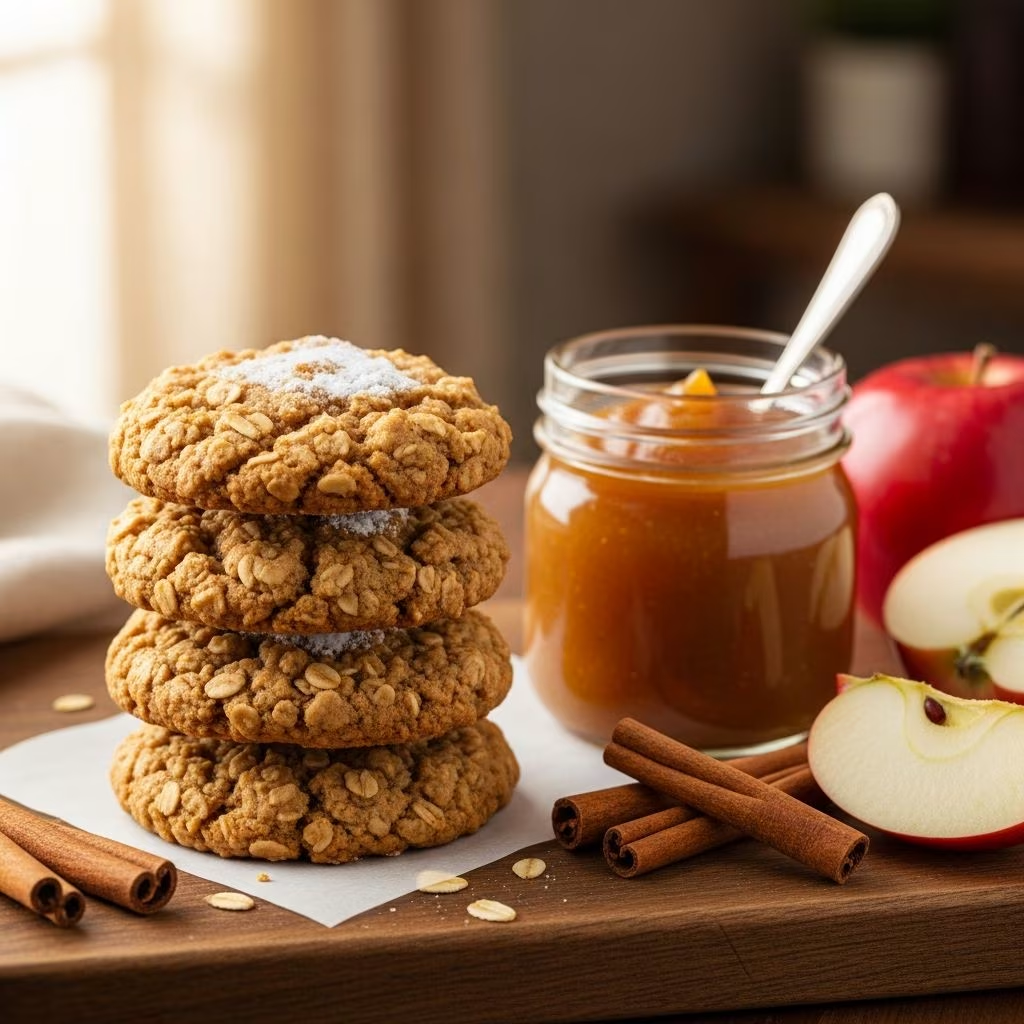
Apple butter oatmeal cookies represent a delightful intersection of autumn flavors and comforting textures. These treats combine the concentrated sweetness of apple butter with the hearty substance of rolled oats, creating cookies that satisfy both casual snackers and dessert enthusiasts alike. The beauty of this cookie variety lies in its simplicity—requiring only basic pantry staples and straightforward mixing techniques—while delivering sophisticated, complex flavors that evoke the warmth of fall baking.
What distinguishes apple butter from regular applesauce is the cooking process that concentrates the apple flavor and deepens the color. When incorporated into cookie dough, this condiment provides natural sweetness, moisture, and a subtle spice note that eliminates the need for excessive added sugars. The result is a cookie that feels indulgent while maintaining balanced nutrition through the inclusion of whole oats and minimal processed ingredients.
Understanding Your Ingredients
Before you begin mixing, familiarizing yourself with each ingredient’s role ensures optimal results. The foundation of successful cookie baking rests on understanding how different components interact and contribute to the final texture and flavor profile.
The Primary Flavor Builder: Apple Butter
Apple butter serves as the star ingredient that defines these cookies. This concentrated apple product contains cooked apples, sugar, and spices that have been reduced to a smooth, spreadable consistency. The cooking process caramelizes the apple sugars naturally, creating depth that fresh apples cannot provide. Most recipes call for between one-third and three-quarters cup of apple butter, depending on desired intensity and moisture levels. Store-bought versions offer convenience, though homemade apple butter allows for customizing spice ratios and sugar content.
The Structure: Flour and Oats
All-purpose flour provides the structural matrix that holds cookies together, typically ranging from half a cup to two cups depending on the recipe. The gluten networks formed during mixing create elasticity that prevents spreading while maintaining chewiness. Rolled oats, whether old-fashioned or quick-cooking varieties, contribute hearty texture and nutritional value. Old-fashioned oats produce chunkier cookies with visible oat pieces, while quick-cooking oats create denser, more uniform crumb structures. Some bakers use gluten-free flour alternatives for dietary requirements without significantly compromising quality.
The Binders and Leavening Agents
Butter—typically softened to room temperature—provides richness and helps create the tender crumb structure. Brown sugar adds moisture and subtle molasses notes, while granulated sugar (if included) contributes sweetness and helps with spreading. Eggs bind ingredients together while contributing to moisture and lift. Baking soda and baking powder control rise, with baking soda typically used when acidic ingredients like apple butter are present, while baking powder provides additional lift.
Flavor Enhancers: Spices and Extracts
Cinnamon is virtually universal in apple butter cookie recipes, ranging from half a teaspoon to a tablespoon depending on intensity preferences. Nutmeg occasionally appears in smaller quantities, adding warmth without overpowering. Vanilla extract rounds out flavors and deepens complexity. Some variations incorporate maple syrup, honey, or additional spices like cardamom for personalized touches.
Essential Equipment and Preparation
Success begins before mixing occurs. Gathering equipment and preparing your workspace streamline the baking process and reduce errors.
- Mixing bowls: Use two—one for dry ingredients, one for wet ingredients—to prevent overmixing
- Electric mixer: Optional but helpful for creaming butter and sugar to light, fluffy consistency
- Measuring tools: Accurate cups and spoons prevent ingredient ratio mistakes
- Baking sheets: Use sturdy, flat pans that distribute heat evenly
- Parchment paper or silicone liners: These prevent sticking and ensure even browning
- Cookie scoop: A one-tablespoon scoop creates uniform cookies that bake evenly
- Spatula or wooden spoon: Use for stirring and gentle folding to avoid overdeveloping gluten
Before beginning, ensure all ingredients are properly positioned for easy access. Soften butter for thirty minutes at room temperature—it should yield slightly when pressed but not be greasy. Line baking sheets with parchment paper or silicone mats before preheating the oven to 350°F (175°C).
The Mixing Method Explained
The order and technique of combining ingredients significantly impacts final results. Most recipes follow a two-stage mixing process that prevents overworking the dough while ensuring thorough incorporation.
Stage One: Dry Ingredient Combination
Begin by whisking together flour, baking soda (or baking powder), salt, and spices in a dedicated bowl. Sifting these dry ingredients aerates the flour and distributes leavening agents evenly, preventing concentrated pockets of baking soda that might create metallic flavors. After whisking, add rolled oats and stir until evenly distributed. Set this mixture aside temporarily.
Stage Two: Wet Ingredient Assembly
In a separate, larger bowl, cream softened butter with brown sugar (and granulated sugar if included) using an electric mixer on medium speed for two to three minutes. This creaming stage incorporates air into the mixture, creating the light, slightly fluffy texture associated with well-made cookies. The mixture should resemble wet sand or chunky paste when finished.
Add the apple butter to the creamed mixture, beating on medium speed until completely incorporated. The dough will become smoother and more cohesive. Add egg and vanilla extract, continuing to beat on medium speed until these wet ingredients fully combine. Scrape down bowl sides occasionally to ensure even distribution.
Stage Three: Bringing It Together
Reduce mixer speed to low and gradually add the dry ingredient mixture to the wet ingredients. Mix only until combined—overmixing develops too much gluten, resulting in tough, dense cookies. When no dry streaks remain, stop mixing. If recipe includes nuts, dried fruit, or fresh apple pieces, fold these in gently by hand using a spatula to preserve their texture.
Baking Techniques for Perfect Results
Proper scooping, spacing, and oven management determine whether cookies emerge perfectly golden or overbaked and hard.
Using a one-tablespoon cookie scoop ensures uniform size, which means all cookies bake in the same timeframe. Drop scoops onto prepared baking sheets, spacing them about two inches apart to allow for slight spreading. Some recipes benefit from chilling dough for fifteen to thirty minutes before baking—this prevents excessive spread and creates chewier interiors.
Bake at 350°F (175°C) for twelve to sixteen minutes, depending on desired doneness. Cookies should appear golden brown at edges while the center remains slightly softer. Removing cookies slightly underbaked results in chewier texture as they continue setting during cooling. Allow cookies to cool on baking sheets for five minutes before transferring to wire racks, where they complete the cooling process.
Creative Variations and Customizations
The basic apple butter oatmeal cookie recipe serves as a canvas for personal preferences and dietary accommodations.
| Variation Type | Suggested Additions | Impact |
|---|---|---|
| Nuts | Pecans, walnuts, hazelnuts (¾ cup chopped) | Adds crunch and depth |
| Dried Fruit | Raisins, cranberries, chopped dates (½–¾ cup) | Provides chewiness and tang |
| Fresh Apple | Finely grated apple (½–¾ cup) | Intensifies apple flavor, adds moisture |
| Toppings | Cream cheese frosting, cinnamon-sugar sprinkle | Adds richness or sparkle |
| Nut Butters | Almond or peanut butter (¼–½ cup) | Creates nuttier flavor, affects texture |
| Additional Spices | Cardamom, ginger, allspice (¼–½ tsp each) | Adds complexity and warmth |
| Maple Influence | Maple syrup (1–2 tbsp) or maple extract | Deepens fall flavors |
For dietary modifications, replace all-purpose flour with gluten-free flour blends marked for baking, or use almond flour partially for nuttier cookies. Reduce sugar by up to one-quarter cup without significantly compromising texture. Incorporate additional flaxseed for nutritional enhancement.
Storage and Shelf Life Considerations
Proper storage extends cookie freshness and maintains desired texture.
Room Temperature Storage: Place cooled cookies in an airtight container with a paper towel to absorb excess moisture. These cookies maintain quality for five to seven days. Keeping cookies away from direct sunlight and heat prevents premature hardening.
Refrigerated Storage: Transfer cookies to an airtight container and refrigerate for up to two weeks. Chilling slightly firms cookies, intensifying cinnamon and apple notes while maintaining soft centers.
Freezing Options: Both dough and baked cookies freeze successfully. Scoop dough portions onto baking sheets, freeze solid, then transfer to freezer bags for up to three months. Bake frozen dough directly from the freezer, adding one to two minutes to baking time. Alternatively, freeze baked cookies in airtight containers for up to three months, thawing at room temperature before serving.
Troubleshooting Common Issues
Cookies spreading too thin: This indicates too much butter or insufficient flour. Ensure butter is softened but not melted, and measure flour by weight when possible. Chilling dough before baking prevents excessive spread.
Cookies baking unevenly: Rotate baking sheets halfway through baking. Ensure oven racks are positioned in center for even heat distribution. Check oven temperature with a thermometer to verify accuracy.
Overly hard or dry cookies: Reduce baking time by one to two minutes. Apple butter provides moisture—avoid reducing its quantity. Store-bought apple butter quality varies; lower-quality versions may contain excess water.
Insufficient apple flavor: Increase apple butter to three-quarters cup. Ensure apple butter contains spices; plain apple butter requires additional cinnamon addition. Using freshly grated apple alongside apple butter intensifies complexity.
Dough sticking to hands or pans: Dough containing substantial apple butter can be sticky. Chill dough for thirty minutes before scooping. Use silicone mats or parchment paper for easier release.
Frequently Asked Questions
- Can I substitute applesauce for apple butter?
- No—applesauce contains significantly more moisture and less concentrated flavor. This substitution results in cakier cookies that may require additional flour adjustment.
- Do I need to use store-bought apple butter?
- Store-bought apple butter offers convenience, but homemade versions allow customizing spice levels and sugar content. Prepare homemade apple butter by slow-cooking apples with sugar and spices until spreadable.
- What oat type works best?
- Old-fashioned rolled oats create chunkier, more textured cookies, while quick-cooking oats produce denser consistency. Both work equally well; choose based on preferred texture. Avoid instant oat packets, which contain added sugars and salt.
- How do I prevent cookies from sticking to pans?
- Use parchment paper or silicone baking mats. These materials significantly improve release and create even browning. Greased baking sheets alone often result in sticking, particularly with apple butter recipes.
- Can I make these vegan?
- Yes—replace butter with coconut oil or vegan butter, and substitute egg with a flax egg (one tablespoon ground flaxseed mixed with three tablespoons water). Results may vary slightly in texture.
- What’s the best way to refresh stale cookies?
- Place cookies in an airtight container with a slice of bread for one to two hours. The bread releases moisture that refreshes cookies. Alternatively, microwave individual cookies for ten seconds.
Flavor Pairings and Serving Ideas
Apple butter oatmeal cookies pair beautifully with autumn beverages including hot apple cider, cinnamon-spiced coffee, and herbal tea selections. These cookies make thoughtful gifts presented in decorative containers or kraft boxes. They complement breakfast settings as a sweet addition to morning routines and transition equally well to dessert tables at fall gatherings.
For enhanced presentation, dust finished cookies with cinnamon-sugar mixture or drizzle with cream cheese frosting. Sandwich two cookies with apple cinnamon buttercream for elevated entertaining. Individual cookies serve well as lunchbox inclusions or office treats.
Nutritional Considerations
Apple butter oatmeal cookies provide fiber through rolled oats, contributing to digestive health and sustained energy. The apple butter component supplies natural sugars and fruit nutrients without processed additives when quality versions are selected. Nuts incorporated into variations add protein and healthy fats. While cookies remain indulgent treats rather than health foods, thoughtful ingredient selection creates more nutritionally balanced options than conventional cookie recipes.
Those monitoring sugar intake should note that apple butter contains concentrated natural sugars. Reducing added sugar by one-quarter cup or replacing with alternative sweeteners allows customization. Apple butter reduces the need for excessive added sugars compared to traditional oatmeal cookie recipes.
References
- Apple Butter Oatmeal Cookies — Bake or Break. 2016-11-01. https://bakeorbreak.com/2016/11/apple-butter-oatmeal-cookies/
- Apple Butter Oatmeal Cookies — Sweet Savory and Sassy. 2024. https://sweetsavoryandsassy.com/simple-deliciously-soft-apple-butter-oatmeal-cookies/
- Apple Butter Oatmeal Breakfast Cookies with Apple Butter — How Sweet Eats. 2024-10-01. https://www.howsweeteats.com/2024/10/apple-oatmeal-breakfast-cookies/
- Oatmeal Apple Butter Cookies — Musselman’s. https://www.musselmans.com/recipe/oatmeal-apple-butter-cookies/
- Apple Butter Oatmeal Cookies — Home Sweet Table. https://homesweettable.com/apple-butter-oatmeal-cookies/
- Bready or Not: Apple Butter Oatmeal Cookies — BethCato.com. https://www.bethcato.com/bready-or-not-apple-butter-oatmeal-cookies/