The rolling hills and valleys of Appalachia hold centuries of culinary wisdom passed down through generations. Among the region’s most cherished recipes are those that celebrate the bounty of wild edibles found throughout the landscape. One such treasure that has graced mountain tables for countless seasons is the humble dandelion flower, transformed through frying into crispy, delectable morsels that showcase the resourcefulness and culinary ingenuity of Appalachian cooks.
Dandelions represent far more than common weeds dotting yards and meadows. In Appalachian culture, these resilient plants embody a connection to the land and a tradition of transforming simple ingredients into memorable dishes. The practice of frying dandelion blossoms reflects the region’s historical reliance on foraged foods and the creativity required to make nourishing, satisfying meals from nature’s offerings.
Understanding Dandelion Blossoms as a Culinary Ingredient
Dandelions thrive prolifically during late spring and early summer months, particularly from May through June, though they can continue producing blossoms well into the warmer seasons and early autumn. This extended growing period provides foragers with ample opportunity to harvest fresh flowers at their peak. The plant’s abundance makes it an ideal ingredient for home cooks seeking to experiment with wild edibles without depleting natural resources.
The dandelion flower itself consists of multiple components, each serving a different purpose in the final dish. Understanding these parts is crucial for achieving the desired texture and flavor profile. The yellow petals form the visible, beautiful portion of the blossom, while underneath lies the green structure known as the outer bract. The inner bract serves as a natural connector, holding the delicate petals together during preparation and cooking.
What many home cooks discover during their first attempts at preparation is that not all parts of the dandelion flower contribute equally to the final dish. The outer bract, while technically edible, carries a notably bitter flavor that can overpower the delicate, slightly sweet taste of the petals themselves. Removing this component before cooking ensures a more pleasant eating experience and allows the natural flavors of the flower to shine through.
Selecting and Harvesting Dandelions Responsibly
The first step in creating this traditional dish begins not in the kitchen, but outdoors. Successful dandelion harvesting requires knowing where to look and understanding which flowers to select. Unopened dandelion blossoms work best for this preparation, as they maintain better structure during the brining and frying process. The tight, compact form of unopened flowers provides a sturdy base that holds together better than mature, fully opened blossoms.
Foragers should seek dandelion flowers in locations free from pesticides, herbicides, and other chemical treatments. Open meadows, unmowed fields, and areas away from roadways typically offer the safest harvesting opportunities. Home gardens and yards that have not been treated with lawn chemicals also provide excellent sources. It is important to harvest responsibly, taking only what you plan to use and leaving sufficient flowers to support local pollinators and the plant’s continued growth.
The harvesting method itself deserves attention. Simply plucking the entire plant unnecessarily damages the root system. Instead, focus on gently removing just the flower head, leaving the stems and leaves intact for regrowth or for separate culinary uses. Many Appalachian cooks save the dandelion greens for salads, soups, and side dishes, maximizing the utility of each plant harvested.
Comprehensive Preparation Techniques
Once you have collected your dandelion blossoms, the preparation phase begins. Start by separating the yellow flowers from the green stems at the base where the outer bract begins. This separation is best accomplished with careful hands or a small knife, taking care to preserve the inner bract that holds the petals together. The remaining stem and leaves can be set aside for other recipes or composted.
The next critical step involves cleaning the delicate flowers without damaging them. Create a bowl of cold salted water and submerge the dandelion blossoms for approximately 10 to 30 minutes, depending on how much dirt or debris you observe. The salt serves a dual purpose: it helps remove any insects or sediment clinging to the petals, and the mineral content begins to subtly season the flowers from the inside out. After this soaking period, carefully rinse each blossom under cool, running water, then gently pat dry with paper towels or a clean cloth.
Creating the Perfect Coating Mixture
The Appalachian approach to coating dandelion flowers follows principles similar to other beloved fried dishes from the region, though adapted specifically for the delicate nature of flowers. The coating serves to protect the petals during frying while creating the signature crispy exterior that makes this dish so appealing.
The basic coating mixture requires just a few simple ingredients commonly found in most home kitchens. All-purpose flour provides the foundation, creating structure and crispness. Eggs bind the flour to the flowers and add richness to the coating. Salt and pepper provide essential seasoning, with some traditional recipes using seasoned salt for added flavor depth. The proportions typically call for approximately two cups of flour, one to four eggs depending on batch size, and modest amounts of salt and pepper adjusted to personal taste preferences.
Some variations incorporate milk into the mixture, creating a slightly thinner batter that produces a more delicate crust. The milk dilutes the egg and flour slightly, allowing for more even coating distribution and reducing the likelihood of an excessively thick, heavy exterior. Experimenting with different ratios helps home cooks discover their preferred texture and flavor balance.
The Cooking Process and Technique
The actual frying of dandelion flowers requires attention to temperature and timing to achieve optimal results. Heat butter or cooking oil in a deep skillet or frying pan until the fat reaches a medium-high temperature. The oil should shimmer and move freely in the pan but should not smoke excessively, which indicates it has become too hot.
Carefully coat each dandelion blossom in the flour and egg mixture, ensuring complete coverage of the delicate petals. Gently lower the coated flowers into the hot fat, working in batches to avoid crowding the pan. Crowding reduces the oil temperature and prevents proper browning. The flowers typically require only a few minutes of cooking time before the exterior achieves a golden-brown color.
Flipping the flowers halfway through cooking ensures even browning on both sides. This step proves especially important as some flowers may cook more quickly on one side than the other depending on how they settle in the oil. Watch carefully during cooking, as the delicate petals can transition from perfectly golden to overdone quite rapidly. Once both sides achieve a uniform, appetizing golden-brown color, remove the flowers from the oil using a slotted spoon and transfer them to paper towels to drain excess fat.
Serving Suggestions and Variations
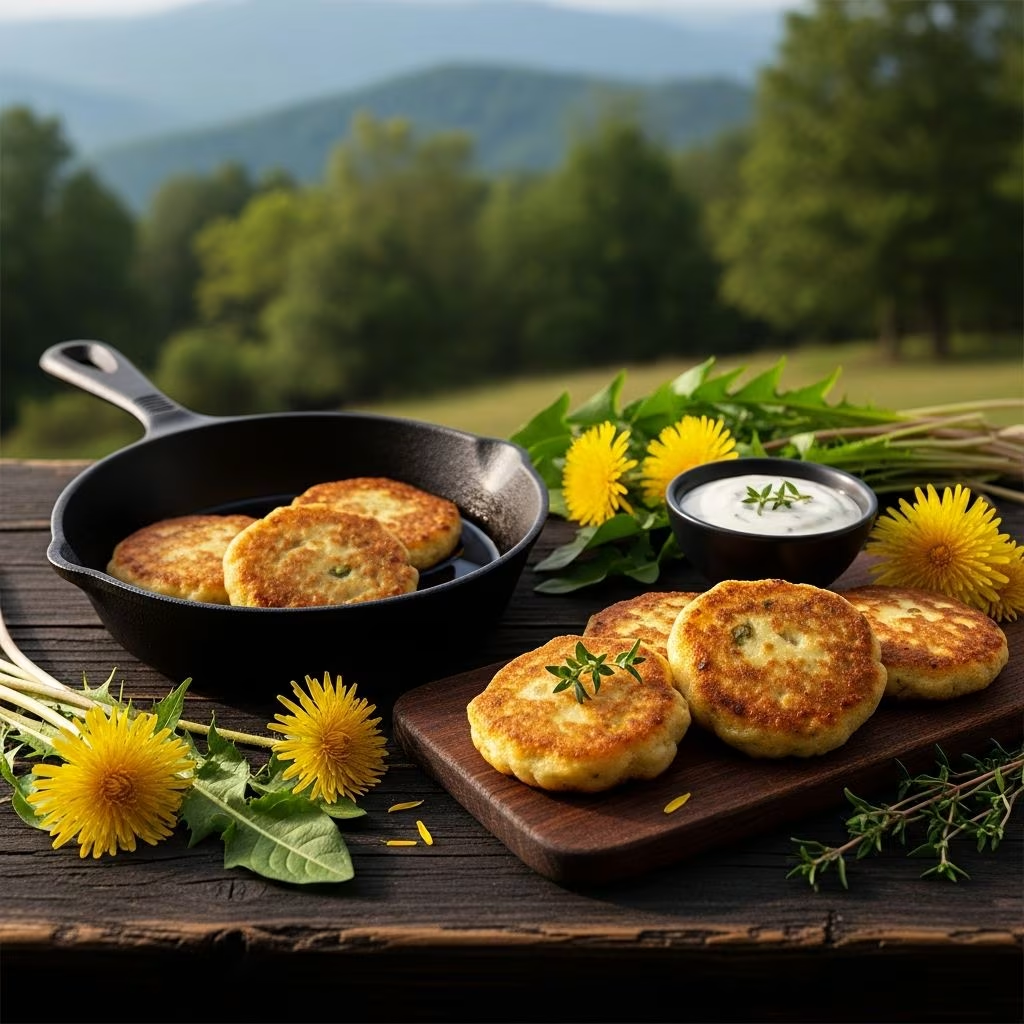
Traditional Appalachian service methods for fried dandelions include presenting them simply as fritters, allowing diners to appreciate the delicate flavor of the flower itself. However, this versatile preparation lends itself to numerous creative applications and serving styles.
Creating structured fritters or patties offers one approach to serving these flowers. Rather than frying individual blossoms separately, some cooks combine the battered dandelions into formed patties that can be fried as cohesive units. These patties work wonderfully nestled into sandwich bread, accompanied by simple condiments that complement the flower’s subtle, slightly sweet flavor profile.
For entertaining or serving as appetizers, individually fried dandelion blossoms that retain their recognizable flower shape offer beautiful visual presentation. Their diminutive size makes them perfect for passing among guests as conversation pieces and unique culinary experiences. The combination of delicate appearance and surprising textural contrast between the crispy exterior and tender petals creates memorable flavor moments.
Alternative bread vehicles for serving fried dandelions include pita pockets, which provide semi-enclosed environments protecting the delicate flowers while containing toppings and sauces. Thin flatbread wraps similarly accommodate the flowers while offering textural contrast and making them easy to handle and consume.
Nutritional Considerations and Health Benefits
Beyond their culinary appeal, dandelion flowers contribute meaningful nutritional value to the diet. These wild edibles contain various vitamins, minerals, and phytonutrients that support overall health and wellness. Dandelions have long been recognized in traditional herbal medicine systems for their potential benefits to digestive health and liver function, though home cooks often simply enjoy them for their unique taste and the satisfaction of consuming foraged foods.
The preparation method does introduce fat through frying, which adds calories to the finished dish. However, the flowers themselves remain inherently low in calories and provide fiber and micronutrients. The modest portion sizes typically consumed of fried dandelion flowers fit comfortably within balanced dietary approaches.
Seasonal Timing and Foraging Calendar
Successfully incorporating fried dandelion flowers into your cooking requires understanding the plant’s seasonal availability. The peak harvest season runs from May through June in most regions, though depending on climate and growing conditions, dandelions may continue producing harvestable flowers through summer and into early autumn. Planning menu preparation around these seasonal windows ensures you work with fresh, prime-quality blossoms at their best.
Some home foragers preserve fried dandelion flowers by freezing them after cooking, allowing for year-round enjoyment of this seasonal delicacy. Properly stored in airtight containers, fried dandelions maintain their quality for several weeks in the freezer, though they are best consumed within a month or two of preparation for optimal texture and flavor.
Frequently Asked Questions
What parts of the dandelion flower should I remove before cooking?
Remove the green outer bract at the base of the flower, as this component carries a bitter taste that can negatively impact the final dish. The inner bract should remain intact to hold the petals together during preparation and frying.
How do I clean dandelion flowers before cooking?
Soak the dandelion blossoms in cold salted water for 10 to 30 minutes to remove any dirt, insects, or debris. Gently rinse under cool running water and pat dry with paper towels before coating and frying.
Can I use opened dandelion flowers for this recipe?
While technically possible, unopened dandelion blossoms work best as they maintain better structure and integrity during the brining and frying process. Fully opened flowers may fall apart more easily during preparation and cooking.
What oil or fat works best for frying dandelions?
Butter and cooking oils such as olive oil both work well for frying dandelion flowers. Choose based on your flavor preferences and heat tolerance requirements, as different fats have different smoke points.
How long do fried dandelions keep?
Best consumed immediately after cooking while the exterior remains crispy, fried dandelions can be refrigerated in airtight containers for a few days or frozen for several weeks. Reheating in a 350-degree oven for several minutes restores much of the original crispness.
Exploring Your Foraging and Culinary Potential
Engaging with traditional recipes like fried dandelion flowers opens doors to deeper connection with seasonal ingredients, regional culinary heritage, and the satisfaction of preparing food sourced directly from nature. The Appalachian tradition of transforming humble wild plants into delicious dishes reflects resourcefulness, respect for the land, and culinary creativity that continues to inspire modern home cooks.
Whether you approach this recipe as a nostalgic connection to family heritage, an adventurous exploration of foraged ingredients, or simply a unique addition to your cooking repertoire, fried dandelion flowers offer rewards that extend beyond the dining table. The process of foraging, preparing, and serving these delicate blossoms connects you to generations of cooks who understood the value hidden within everyday plants and the joy of creating something truly special from simple, natural ingredients.
References
- How Appalachian Cooks Prep Dandelions For Crispy Sandwiches — Food Republic. 2024. https://www.foodrepublic.com/1319753/appalachian-chefs-prep-dandelion-crispy-sandwiches/
- Recipe for Fried Dandelions — Hello Sensible. https://hellosensible.com/recipe-for-fried-dandelions/
- Fried Dandelions (Appalachian-Style) — Mealie. https://mealie.mstrdialup.com/g/home/r/fried-dandelions-appalachian-style
- Fried Dandelions — YouTube. https://www.youtube.com/watch?v=yeNSJTSefEM
- This is how to make fried dandelions the Appalachian way — 10News San Diego. https://www.10news.com/this-is-how-to-make-fried-dandelions-the-appalachian-way