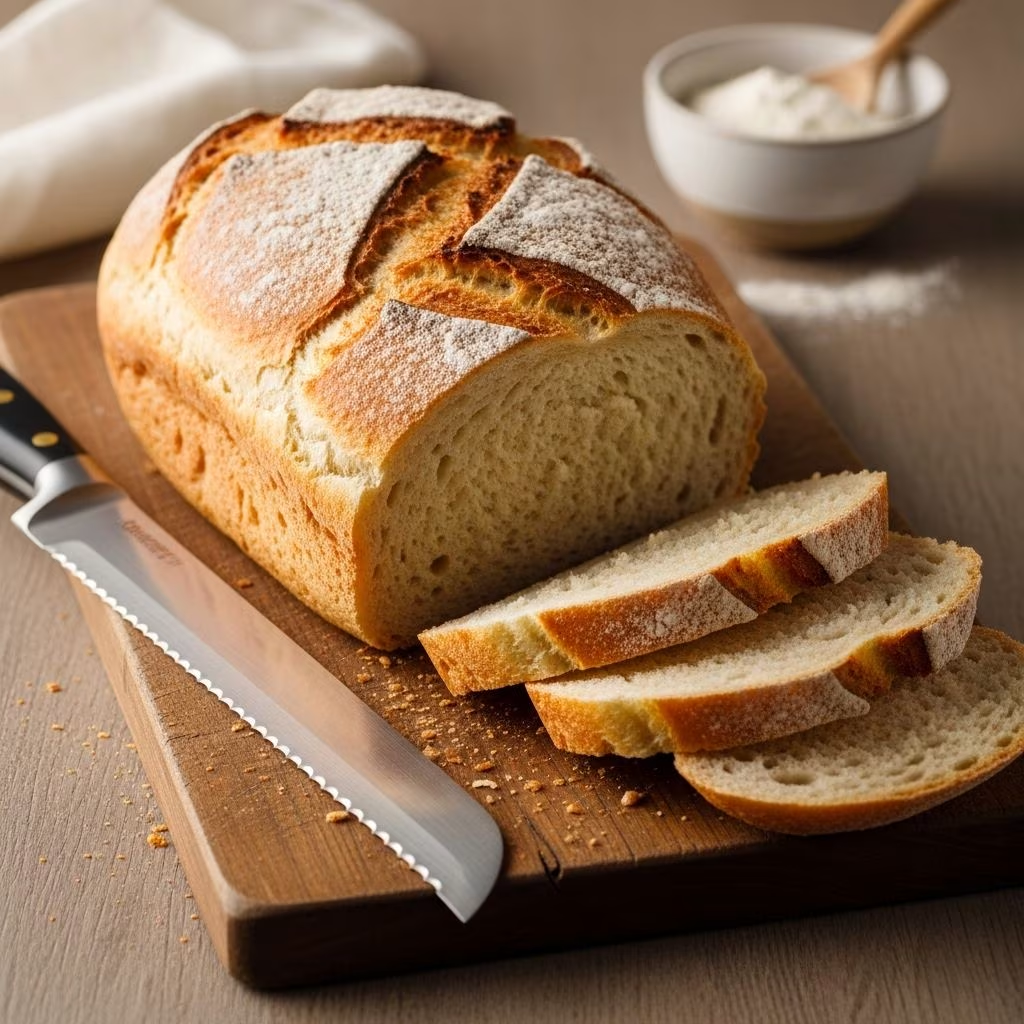
Amish white bread stands out for its tender crumb, golden crust, and subtle sweetness that makes it ideal for sandwiches, toast, or simply enjoying fresh from the oven. This classic recipe, rooted in simple ingredients and traditional techniques, delivers consistent results even for novice bakers. With just a handful of pantry staples, you can create two hearty loaves that rival any bakery offering.
Understanding the Appeal of Amish-Style Bread
Traditional Amish baking emphasizes wholesome, straightforward methods passed down through generations. This bread’s popularity stems from its versatility and forgiving nature—it’s enriched just enough with sugar and oil to stay soft without being overly rich. Unlike denser artisan loaves, Amish white bread rises high with a fine texture, making it perfect for everyday use.
The key to its success lies in balancing hydration, yeast activation, and rising times. Warm liquids awaken the yeast, while precise kneading develops gluten for structure. Bakers appreciate how this recipe tolerates minor adjustments, such as flour types or slight temperature variations, while maintaining reliability.
Essential Ingredients for Success
Gathering the right components ensures your bread achieves the signature softness and flavor. Here’s a breakdown:
- Warm water or milk: Typically 105-115°F to activate yeast without killing it. Water keeps it simple; milk adds extra tenderness.
- Sugar or honey: 1/4 to 1/3 cup feeds the yeast and imparts mild sweetness. Honey offers a floral note.
- Active dry or instant yeast: 1.5-2 tablespoons (about 2 packets) for robust lift.
- Salt: 1-1.5 teaspoons for flavor balance and dough control.
- Vegetable oil or butter: 1/4 cup for moisture and extensibility.
- Bread flour: 5-6 cups, preferred for higher protein content that yields better rise and chew.
Optional butter for brushing post-bake enhances the crust’s shine and buttery taste. Use bread flour for optimal structure; all-purpose works but may yield a slightly denser loaf.
Step-by-Step Baking Guide
Follow these instructions precisely for two 9×5-inch loaves. Total time: about 2.5-3 hours, including rises.
Activate the yeast: In a large bowl, combine 2 cups warm water (110°F), 1/3 cup sugar, and 1.5 tablespoons yeast. Stir gently and let sit 5-10 minutes until foamy. This proofs the yeast’s viability.
Incorporate wet ingredients: Mix in 1/4 cup vegetable oil and 1.5 teaspoons salt. If using milk, substitute half the water for richer dough.
Add flour gradually: Stir in 5-6 cups bread flour, one cup at a time, until a soft, sticky dough forms. It should pull away from bowl sides.
Knead the dough: Turn onto a lightly floured surface. Knead 8-10 minutes by hand (or 5 minutes with a mixer dough hook) until smooth and elastic. Avoid over-kneading to prevent toughness.
First rise: Oil a bowl, place dough inside, flip to coat. Cover with a damp cloth in a warm spot (75-85°F). Let rise 1 hour or until doubled.
Shape the loaves: Punch down dough, divide in half. Pat or roll each into a rectangle, then tightly roll into logs, pinching seams. Place in greased 9×5 pans.
Second rise: Cover and rise 30-45 minutes until dough crests 1 inch above pan rims.
Bake: Preheat oven to 350°F. Bake 25-35 minutes until golden and hollow-sounding when tapped. Brush tops with melted butter immediately after removing from oven.
Cool: Cool in pans 10 minutes, then transfer to racks. Slice once fully cooled.
Pro Tips for Flawless Results
Master bakers swear by these techniques:
- Measure flour by spooning into cup and leveling—don’t scoop to avoid density.
- Use a thermometer for liquids; too hot kills yeast, too cold slows activation.
- For even rising, create a proofing box: microwave a cup of water for steam, place dough inside with door closed.
- If dough is too sticky, add flour 1 tablespoon at a time during kneading.
- Test doneness: Internal temp should reach 190-200°F.
Common Mistakes and Fixes
| Mistake | Symptom | Fix |
|---|---|---|
| Yeast not proofing | No foam after 10 min | Check expiration; use fresher yeast or warmer water. |
| Dense loaf | Low rise, heavy texture | Ensure proper kneading and full rise times; use bread flour. |
| Gummy interior | Undercooked center | Bake longer or tent with foil if browning too fast. |
| Flat top | Collapsed during bake | Avoid over-proofing; dough shouldn’t sink when poked. |
| Tough crust | Chewy exterior | Brush with butter; bake with steam pan initially. |
Customizing Your Amish White Bread
Adapt the base recipe for variety:
- Whole wheat version: Replace 2 cups bread flour with whole wheat for nutty flavor; add 1-2 extra tablespoons water.
- Sweet bread: Increase sugar to 1/2 cup; add cinnamon swirl for rolls.
- Herb-infused: Mix in 2 tablespoons dried herbs (rosemary, garlic) with flour.
- Milk bread: Use all milk for ultra-soft results, ideal for pull-apart loaves.
- Honey substitution: Swap sugar for 1/3 cup honey for natural sweetness and longer shelf life.
Storing and Freezing for Freshness
Proper storage preserves the bread’s moisture:
- Room temperature: Wrap tightly in plastic or beeswax; lasts 3-4 days.
- Refrigerator: Avoid—accelerates staling. Use only if humid climate.
- Freezer: Slice, wrap individually in plastic then foil; freeze up to 3 months. Thaw at room temp or toast directly.
- Reviving: Sprinkle slices with water, toast, or warm in 300°F oven 5 minutes.
Nutritional Profile
Per slice (based on 16 slices per loaf, standard recipe): Approximately 150-180 calories, 3g protein, 30g carbs, 2g fat. Values vary with flour type and sweeteners. It’s a good source of B vitamins from yeast and enriched flour.
Frequently Asked Questions
Can I use instant yeast instead of active dry?
Yes, use the same amount but skip proofing—add directly to flour for faster activation.
Why did my bread sink in the oven?
Oven too hot or over-proofed dough. Proof until puffy but springs back slowly when poked.
Is bread flour necessary?
Not strictly, but it produces taller, softer loaves due to higher gluten.
How do I make it vegan?
Use water or plant milk, oil instead of butter brush.
Can I bake in a bread machine?
Yes, use dough cycle then shape and rise manually for best shape.
What if I don’t have loaf pans?
Free-form on parchment-lined sheet; bake 30-40 minutes.
Pairing Ideas and Serving Suggestions
Elevate your bread:
- Sandwiches: Turkey club, PB&J, or egg salad.
- Breakfast: French toast with cinnamon syrup.
- Sides: With soups, chili, or as garlic bread.
- Dessert: Bread pudding with vanilla custard.
This bread’s neutral sweetness complements savory and sweet alike, making it a kitchen staple.
References
- Homemade Amish White Bread — Gluesticks Blog. 2023-05-15. https://gluesticksblog.com/homemade-amish-white-bread/
- Homemade Amish White Bread — Amanda’s Cookin’. 2022-11-20. https://amandascookin.com/homemade-amish-white-bread/
- Amish White Bread — I Am Homesteader. 2023-08-10. https://iamhomesteader.com/amish-white-bread/
- Soft Amish White Bread — Feast and Farm. 2024-02-14. https://feastandfarm.com/soft-amish-white-bread/