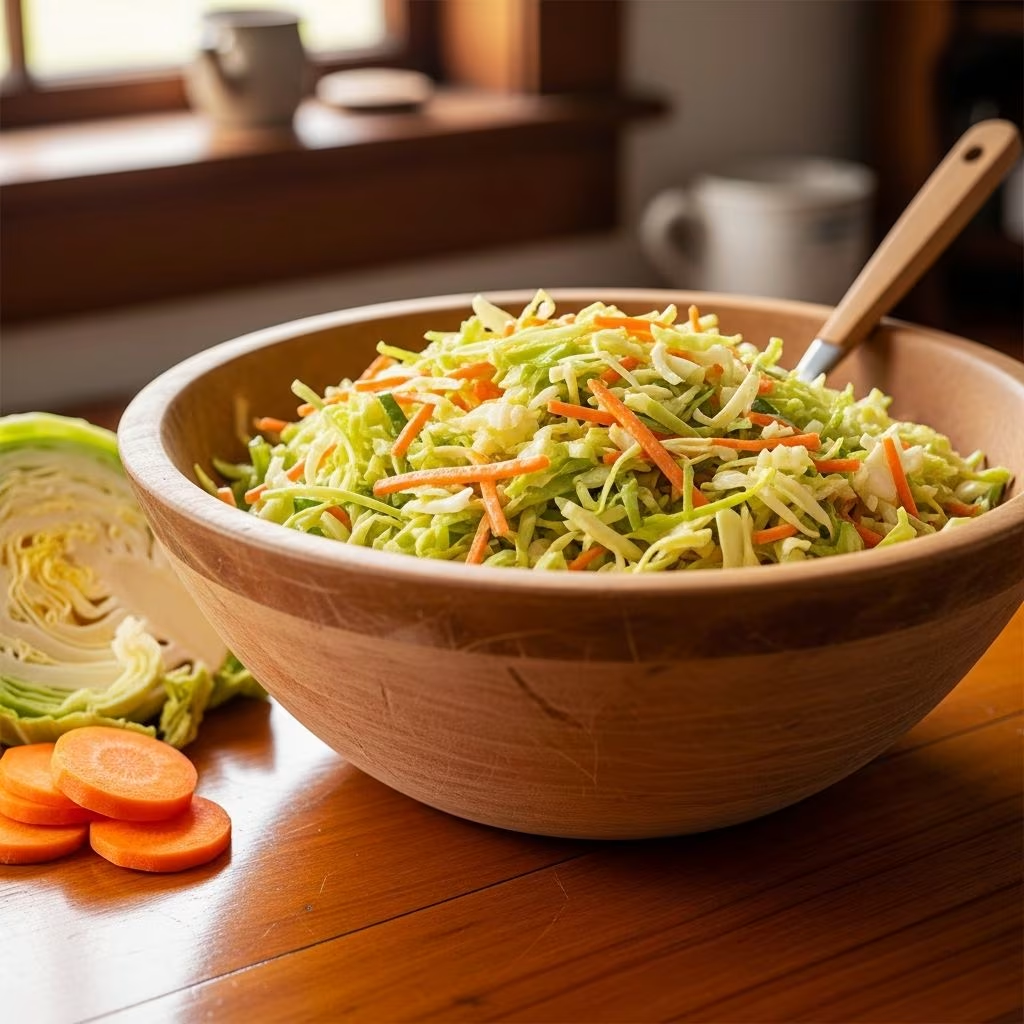
Amish coleslaw represents one of the most beloved and enduring recipes in Pennsylvania Dutch cuisine, prized for its crisp texture, tangy flavor profile, and remarkable versatility across various gatherings and meals. Unlike mayonnaise-based coleslaws that require constant refrigeration, this traditional preparation relies on a distinctive vinegar and oil dressing that creates a refreshing side dish capable of withstanding extended periods outside of cold storage. The recipe has been passed down through generations within Amish communities, maintaining its fundamental character while accommodating minor regional variations and personal preferences.
Understanding the Origins and Cultural Significance
The development of Amish coleslaw reflects the practical needs and resourcefulness of Pennsylvania Dutch communities. During the mid-twentieth century, this particular style gained prominence at large family gatherings and outdoor celebrations because of its superior stability in warm conditions compared to cream-based alternatives. The recipe demonstrates the Amish approach to food preparation, which prioritizes simplicity, self-sufficiency, and functionality. Communities maintained large vegetable gardens where cabbage grew abundantly, making this ingredient economical and readily accessible year-round through proper storage techniques.
The vinegar-based dressing methodology stems from traditional preservation and pickling practices that have characterized rural American cooking for centuries. By combining vinegar, sugar, salt, and oil in specific proportions, cooks create a dressing that actually enhances in flavor as the coleslaw ages, reaching optimal taste after eight to twenty-four hours of refrigeration. This characteristic distinguishes it from many contemporary coleslaw recipes, where flavor quality often diminishes over time.
Essential Ingredients and Their Roles
The Cabbage Foundation
The primary ingredient base consists of shredded green cabbage, which provides the characteristic crunch and mild sweetness essential to authentic Amish coleslaw. Most recipes call for approximately two pounds of shredded cabbage, whether using pre-packaged coleslaw blends or freshly shredded heads. The choice between fresh shredding and commercial blends affects texture slightly, with hand-shredded cabbage often yielding larger, more irregular pieces that some prefer for visual appeal and varied texture.
Fresh cabbage offers superior flavor compared to pre-shredded varieties that may have oxidized during processing and storage. When selecting cabbage at farmers markets or grocery stores, choose heads that feel dense and heavy, indicating good hydration and freshness. Avoid heads displaying yellowed leaves or soft spots, which suggest age or damage.
Aromatic Vegetables and Seasonings
A medium onion, finely chopped or sliced, adds aromatic depth and a subtle bite that balances the sweetness of the dressing. Many traditional recipes incorporate red onions for color contrast, though white or yellow onions work equally well from a flavor perspective. Some cooks include shredded carrots for additional sweetness and visual appeal, though this represents an optional variation rather than a strict requirement.
Celery seed provides the distinctive flavor note that distinguishes Amish coleslaw from other vinegar-based preparations. This spice contributes an herbaceous quality and subtle earthiness that becomes more pronounced as the dish ages. The quantity typically measures one teaspoon for standard batch sizes, though personal preferences may dictate adjustments.
The Signature Dressing Components
The dressing that defines Amish coleslaw combines vinegar, sugar, salt, vegetable oil, and prepared mustard in a heated mixture. White vinegar delivers the characteristic tang, though apple cider vinegar provides a slightly warmer, more complex vinegar flavor for those seeking variations. The acid from vinegar balances the sweetness and prevents bacterial growth that might compromise the dish during outdoor service.
Granulated white sugar comprises a significant portion of the dressing, typically ranging from three-quarters cup to one and one-half cups depending on the recipe variation and desired sweetness level. This generous sugar content creates the distinctive sweet-and-sour flavor profile that distinguishes Amish coleslaw from other regional preparations. The combination of sweet and acidic elements creates a complex taste that develops and mellows as the coleslaw sits.
Vegetable oil, used in quantities of one-half to three-quarters cup, provides richness and helps distribute flavors throughout the dish while creating a glossy appearance. The oil also contributes to the coleslaw’s ability to maintain quality without refrigeration, as the fat layer provides protection against oxidation and microbial growth.
Preparation Methodology and Techniques
Preparing the Vegetable Mixture
Begin by combining shredded cabbage and finely chopped onion in a large mixing bowl, then add the appropriate quantity of granulated white sugar—typically three-quarters cup for standard batch sizes. Toss these ingredients together thoroughly to distribute the sugar evenly throughout the cabbage. This initial step allows the sugar to begin drawing moisture from the vegetables through osmosis, which slightly softens the cabbage while extracting juices that will mingle with the hot dressing.
Many experienced cooks recommend allowing the sugared cabbage mixture to sit for fifteen to thirty minutes before adding the hot dressing, as this additional waiting period further softens the vegetables and intensifies flavor development. This step remains optional but produces noticeably superior results, particularly for those preferring a more tender final texture.
Creating the Hot Dressing
Combine vinegar, salt, celery seed, one teaspoon of white sugar, and prepared mustard in a small saucepan, then add the measured vegetable oil. Heat the mixture over medium-high heat until it reaches a rolling boil, stirring occasionally to ensure salt and sugar dissolve completely. Once boiling, reduce heat slightly and allow the mixture to simmer for approximately three minutes. This heating process serves multiple purposes: it dissolves the sugar and salt completely, allows the flavors to meld and intensify, and kills any potential pathogens present in the ingredients.
Remove the saucepan from heat and allow the dressing to cool completely before pouring over the cabbage mixture. This cooling step represents a critical safety measure, as pouring boiling liquid over raw cabbage can create temperature inconsistencies that compromise the final dish’s texture and flavor distribution. Many cooks cover the saucepan with a lid to accelerate cooling while preventing contamination.
Combining Components and Initial Seasoning
Once the dressing has cooled to room temperature, pour it carefully over the cabbage and onion mixture, then toss thoroughly to ensure even coating and distribution of flavoring agents. At this stage, taste the coleslaw and adjust seasonings as desired—adding more salt, sugar, vinegar, or celery seed to match personal preferences. Remember that flavors will intensify during refrigeration, so slightly under-seasoning at this stage often produces better results than over-seasoning.
Storage and Flavor Development
Transfer the freshly dressed coleslaw to a container with a secure lid and refrigerate for eight to twenty-four hours before serving. This resting period allows flavors to meld, penetrate the cabbage thoroughly, and develop the characteristic taste associated with authentic Amish coleslaw. The first eight hours produce noticeable flavor development, while overnight storage typically yields optimal results. The coleslaw will maintain excellent quality for approximately one week when properly refrigerated in an airtight container.
Before serving, toss the coleslaw once more to redistribute any settled ingredients and ensure even coating with the dressing. This simple step refreshes the dish and distributes flavors that may have concentrated in the bottom of the container during storage.
Variations on the Traditional Theme
Creamy Amish Coleslaw Alternative
Some regional Amish communities prepare a creamy variation that incorporates mayonnaise or Miracle Whip into the dressing alongside vinegar components. This version combines one-half cup of mayonnaise or Miracle Whip with reduced quantities of vinegar and oil, creating a dressing that offers creaminess while maintaining the characteristic tang. This variation requires continuous refrigeration and does not travel as well as the traditional vinegar-only version.
Enhanced Vegetable Combinations
While traditional recipes feature primarily cabbage and onion, many cooks expand the vegetable base to include shredded carrots for color and sweetness, diced pimentos for visual appeal, or chopped fresh celery for additional textural variety and herbaceous notes. These additions represent personal preferences and regional variations rather than departures from authenticity.
Spice Profile Adjustments
Some preparations incorporate additional seasonings such as cracked black pepper, paprika, or fresh herbs to create personalized versions while maintaining the fundamental vinegar-based dressing structure. Experimenting with these additions allows cooks to develop coleslaw recipes that align with specific taste preferences or complementary dishes.
Serving Suggestions and Pairing Opportunities
Amish coleslaw pairs exceptionally well with barbecued meats, fried chicken, pulled pork sandwiches, and grilled sausages. The crisp texture and tangy flavor cut through rich, heavy foods while providing refreshing contrast. The dish serves equally well at casual family picnics, formal church social events, and professional catering situations where temperature control presents challenges.
This coleslaw remains stable at outdoor temperatures for several hours, making it ideal for summer cookouts and gatherings where refrigeration access is limited. The absence of mayonnaise eliminates concerns about bacterial growth that affects cream-based coleslaws in warm conditions, providing both practical advantages and peace of mind for hosts.
Troubleshooting Common Issues
Addressing Excessive Sweetness
If the finished coleslaw tastes overly sweet, reduce the sugar quantity in future batches or increase the vinegar proportion to create better balance. Remember that sugar perception intensifies during storage, so slightly reducing initial sugar quantities often produces better results than initially anticipated.
Preventing Soggy Texture
Coleslaw that becomes too soft results from excessive refrigeration time or overly fine cabbage shredding. Use larger shreds and limit refrigeration to twenty-four hours maximum. Store the coleslaw in containers that allow any excess liquid to drain away from the vegetables.
Managing Dressing Distribution
Uneven flavor distribution occurs when dressing settles at the bottom of the storage container. Toss the coleslaw thoroughly before serving and consider using slightly less dressing if the final dish appears overly wet.
Nutritional Considerations
Amish coleslaw provides vitamins C and K from cabbage, along with modest amounts of fiber and other micronutrients. The vinegar-based preparation contains minimal saturated fat compared to mayo-based alternatives, though the oil content contributes moderate calories. The high sugar content means this dish functions best as an occasional accompaniment rather than a frequent dietary staple for those monitoring sugar intake.
Frequently Asked Questions
How long does Amish coleslaw keep in the refrigerator?
Properly stored in an airtight container, Amish coleslaw maintains excellent quality for approximately one week. The vinegar and oil preservation method prevents spoilage, though the texture gradually softens over time.
Can this coleslaw be made in advance for events?
Yes, preparing Amish coleslaw one to two days before serving allows optimal flavor development. The dish improves with time and eliminates last-minute preparation stress.
Does Amish coleslaw require constant refrigeration?
Unlike mayo-based coleslaws, Amish coleslaw remains stable at room temperature for several hours, making it ideal for outdoor gatherings. However, refrigeration extends its shelf life and maintains superior texture quality.
What equipment do I need to make this recipe?
Essential equipment includes a large mixing bowl, a small saucepan, a sharp knife or box grater for shredding cabbage, measuring cups and spoons, and an airtight storage container. A food processor with a grating attachment simplifies cabbage preparation for large batches.
Can I substitute apple cider vinegar for white vinegar?
Yes, apple cider vinegar produces slightly warmer, more complex flavors while maintaining the fundamental character of the dish. Use equal quantities as directed in recipes calling for white vinegar.
References
- Amish Cole Slaw Recipe — Food.com. Accessed April 2026. https://www.food.com/recipe/amish-cole-slaw-323421
- Old Fashioned Amish Overnight Coleslaw Recipe — Julia’s Simply Southern. March 2024. https://juliassimplysouthern.com/2024/03/old-fashioned-amish-overnight-coleslaw-recipe.html
- The Best Amish Coleslaw Dressing Recipe — Amish Heritage. Accessed April 2026. https://amish-heritage.org/amish-cole-slaw-dressing/
- Amish Coleslaw – oil & vinegar style — Historic Valentown Museum. Accessed April 2026. https://historicvalentownmuseum.org/forum/viewtopic.php?showtopic=10